Egg Wash: Mastering Three Essential Baking Styles
- The Essential Alchemy: Understanding Three Perfect Finishing Glazes
- The Science of Sheen: Why the Ratio Matters
- Building Your Base: Eggs and Liquids Explained
- Method: Crafting the Ideal Egg Glaze
- Preparation Ahead: Storage and Shelf Life
- Beyond the Basics: Optimal Uses for Each Wash Style
- Recipe FAQs
- 📝 Recipe Card
The Essential Alchemy: Understanding Three Perfect Finishing Glazes
You know that deep, breathtaking gold on a perfect croissant? That incredible, satisfying "shatter" sound when your knife hits the crust of a beautifully baked pie? That’s not luck, my friend. That is the true magic of a properly mixed Egg Wash .
Seriously, this simple step is the ultimate visual upgrade for any baked good.
For years, I just slopped one whole egg mixed with water onto everything, crossing my fingers. The results were... fine, but inconsistent. Mastering the perfect ratio for your Egg Wash is fast, cheap, and so easy once you realize that different bakes require entirely different glazes.
It's the two-minute hack that instantly makes every single bake look professional and deeply appealing.
We aren't just doing a wash today; we are covering the three essential styles for maximum shine, richest color, and reliable adhesion. This comprehensive guide will ensure you always pick the perfect blend for the result you’re craving. Let’s get this golden glow sorted!
The Science of Sheen: Why the Ratio Matters
The standard rule for how to make egg wash is one egg plus one tablespoon of liquid. Simple, right? But the secret is in knowing which egg part and which liquid you combine. This is kitchen chemistry, not guesswork.
What Makes a Glaze Truly 'Golden'?
The color comes down to protein and fat. When you apply an Egg Wash and put it in a hot oven, the egg proteins start to denature (cook) and the fats brown through the Maillard reaction. A higher fat content (like using heavy cream or just the yolk) means a richer, darker, deeper gold finish.
If you want high shine but a lighter color, you reduce the fat by using water.
The Three Core Ratios: For Shine, Color, and Adhesion
You should always have these three styles in your back pocket.
- The All-Purpose Standard (High Shine): 1 Whole Egg + 1 Tbsp Milk (or water). This gives reliable color, good shine, and general applicability.
- The Deep Richness (Richer Color): 1 Whole Egg + 1 Tbsp Heavy Cream. Perfect for savory crusts and holiday breads.
- The Adhesion Specialist (High Adhesion): 1 Egg White + 1 Tsp Water. This bakes almost clear but acts like superglue for seeds or coarse sugar, preventing premature browning.
Differentiating Between Glossy and Matte Finishes
A high gloss finish is achieved by allowing steam to form quickly on the surface. That’s why water is often preferred over milk for high shine on delicate pastry. Fat from milk or cream, while great for color, tends to absorb light, creating a slightly more matte, rich texture.
Protein Denaturation: The Key to Color Development
Remember when I said you should whisk out those stubborn white strands (chalazae)? That ensures even protein distribution. If the protein is lumpy, it bakes up streaky and blotchy. Even distribution means even browning across the entire surface.
The Role of Fat (Yolks vs. Cream) in Texture
Egg yolks are pure fat and color, while egg whites are mostly protein and water. When choosing your base, ask: Do I want glossy color (yolk and water) or rich, matte color (whole egg and cream)? The yolk only wash, often used for Chile Relleno Recipe: Fluffy Egg Batter and Smoky Poblano Filling , provides an unparalleled, glossy, dark gold, but you have to apply it incredibly thinly.
Controlling the Crisp: Preventing Steam Trapping
CRITICAL WARNING: Applying too much Egg Wash is the number one amateur fail. If it pools around the edges of puff pastry or pie crust (the crimped parts), it traps steam.
Instead of getting that beautiful, crisp layering, you get a "glue seam" that prevents your layers from lifting. Use the absolute minimum necessary.
Building Your Base: Eggs and Liquids Explained
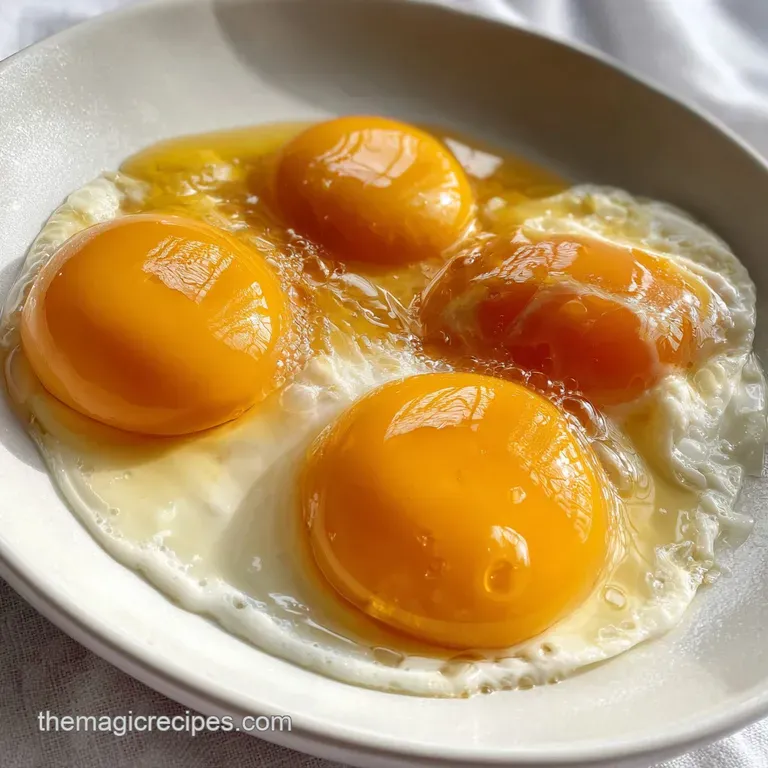
This section details the ingredients for the standard Golden Glow wash and the necessary substitutions for those specialized blends.
| Ingredient | US Customary | Purpose | Substitution Available? |
|---|---|---|---|
| Large Egg | 1 | Color and structure | Flax egg (for adhesion) |
| Liquid | 1 Tbsp (Milk/Water/Cream) | Dilution, shine, and texture | Water (for high shine) |
Whole Egg, Yolk, or White: Choosing Your Base
For a versatile, all-around finish on dinner rolls or savory tarts, the whole egg is your friend. If you want dramatic shine, separate the egg and use only the yolk, diluted with 1 teaspoon of water.
If you are applying seeds to a rustic bread loaf and need maximum stickiness without color, the egg white is the perfect egg wash alternative .
Liquid Ratios: Water vs. Milk vs. Cream
- Milk (Whole or Semi Skimmed): This is my default for egg wash for bread . The trace sugars and fats provide a lovely, soft golden finish without excessive gloss.
- Water: Excellent for items requiring high shine, like puff pastry, because it steams rapidly.
- Heavy Cream: Use this when you want a rich, almost brown, rustic crust. It’s perfect for savory pies.
Substitution Note: If you don't have fresh milk, water is an excellent substitute for the standard wash. If you need a vegan egg wash substitute for color, mix 1 Tbsp plant milk (oat is great) with 1 tsp maple syrup.
The Pinch of Salt or Sugar Controversy (Optional Enhancements)
I always add a tiny pinch of salt when making a savory Egg Wash . Why? It helps break down the gelatinous structure of the egg white, making the whole mixture emulsify faster and smoother. Don’t worry about the taste; it won't make your pastry salty.
Skip the salt for sweet bakes, obviously!
Method: Crafting the Ideal Egg Glaze
The goal here is smoothness. A successful application relies entirely on the quality of the wash itself.
Achieving the Homogenous Blend: Tools and Technique
Crack your chosen egg (or component) into a small bowl. If you are using a whole egg, you need to attack it! Use a fork or small whisk and beat aggressively until you see zero visible difference between the yolk and the white. It should be slightly frothy and uniform, like a pale yellow paint.
Essential Step: The Case for Straining the Mixture
Trust me on this one, friend. If you skip this, you will get streaks. Pour the entire mixture through a fine mesh sieve set over a clean ramekin. That gooey little knot (the chalazae) and any tiny shell fragments will be caught. Discard those bits.
This is the professional secret to a streak free, mirror smooth glaze.
Chef's Note: Straining removes impurities that catch on the pastry brush and cause dull, baked-on streaks. It takes 10 seconds and makes all the difference.
step-by-step for the All-Purpose Golden Wash
- Prep and Beat: Place 1 large egg and a tiny pinch of salt (optional) in a bowl. Whisk until uniform and slightly frothy.
- Dilute: Stir in 1 tablespoon of milk or water until completely incorporated.
- Strain: Pour the entire mixture through a fine mesh sieve.
- Ready to Go: Transfer the strained Egg Wash to the final application bowl.
When to Apply the Egg Wash: Timing is Everything
Apply the wash just before the dough or pastry goes into the oven. If you let it sit on the counter for too long, it can start to seep into the dough, making it tough.
The Double Wash Method for Maximum Shine
If you need a truly show stopping, dark, high gloss crust (perfect for brioche or rich sweet breads), use the double wash method.
- Apply a thin coat of your chosen wash.
- Chill the item in the fridge for 5– 10 minutes. The first coat sets.
- Apply a second, extremely thin coat.
- Bake immediately. This seals in the color and prevents the second coat from soaking in.
Troubleshooting Streaks, Bubbles, and Dull Spots
-
Problem:
Streaks or blotches.
- Fix: You didn't strain the wash, or the dough was too warm and soft, causing the brush to tear the surface. Always apply to chilled dough.
-
Problem:
Dull finish.
- Fix: The wash was too thick or you used too much cream. For maximum shine, ensure your wash is thin and the brush is only damp.
-
Problem:
Bubbles.
- Fix: You brushed too aggressively. Use smooth, light strokes. Think of it like applying delicate makeup, not painting a wall.
Preparation Ahead: Storage and Shelf Life
One of the great things about mastering this specific culinary technique is that the glaze is easy to manage.
Optimal Refrigeration Time for Prepared Washes
If you have strained and prepared your Egg Wash , you can store it in an airtight container in the refrigerator for up to 48 hours . After that, the mixture starts to separate, and the quality of the glaze suffers.
Give it a quick whisk before using to ensure everything is re-emulsified.
Can You Freeze Unused Glaze? (Practical Guide)
Honestly? I wouldn't. The small amount of leftover egg wash isn't really worth the space. Freezing causes the proteins to break down and separate significantly, and once thawed, you’ll struggle to whisk it back into a smooth, streak free consistency. It’s better to make only what you need (or use the leftover egg components for something like a quick scramble or perhaps mix it into your next batch of Egg Fried Rice: The Perfect Crispy, Fluffy Authentic Recipe ).
Beyond the Basics: Optimal Uses for Each Wash Style
Knowing when to use your specialty washes elevates your baking from good to glorious.
Best Practices for Delicate Pastry Finishes
For items where you need maximum flakiness, like croissants or puff pastry appetizers, the egg wash for puff pastry should use water instead of milk (Yolk + Water or Whole Egg + Water). This prevents excessive fat from weighing down the layers and encourages the steam needed for shine.
High Adhesion Washes for Seeding and Sugaring
If you are topping a savory loaf with everything bagel seasoning, you need pure stickiness. Use the High Adhesion Wash (Egg White + Water). It sets firmly, holding those seeds in place without causing the crust to brown too quickly, which is crucial for long bakes.
When to Use a Glaze that Excludes the Egg Yolk
The egg white only wash is perfect when you specifically want a pale finished product that still has a good bind. Think decorative sugar work or when adhering delicate decorations that shouldn't melt or brown prematurely. This specific egg wash recipe creates a virtually clear seal.
Use it often, and you will see the immediate professional difference!
Recipe FAQs
Why does my egg wash look streaky or uneven on my pastry?
This streaking is typically caused by applying too thick a layer of wash or pushing the liquid into the creases of the dough. To avoid this, strain your prepared egg wash through a fine mesh sieve to remove any stringy whites before application, ensuring a smoother consistency.
What is the main difference between using a whole egg wash versus just an egg yolk wash?
A standard whole egg wash (egg + water/milk) provides a reliable golden color and moderate shine, suitable for most everyday bakes. Conversely, an egg yolk wash (yolk + cream) is much richer in fat, resulting in an exceptionally deep color and a high, almost lacquered glossy finish.
Can I prepare egg wash ahead of time, and how should I store it?
Yes, you can easily prepare the egg wash up to 24 hours in advance. Store the mixture in an airtight container in the refrigerator immediately after whisking. Give it a quick whisk to recombine any separated ingredients before use.
Does the type of liquid (water, milk, or cream) used truly affect the final result?
Absolutely. Water provides the highest shine but the least browning, as it evaporates quickly during baking. Milk promotes richer browning and a moderate shine due to its lactose and fat content, while cream yields the deepest color and richest texture due to its high butterfat.
How much egg wash should I apply, and when is the best time to apply it?
Always apply a very thin, uniform layer; too much excess wash can drip down the sides and create a thick barrier that inhibits the pastry's rise. The best time to apply is always right before the item goes into the oven, after all shaping and chilling steps are complete.
Why did my pastry look dull even though I applied a standard egg wash?
Dullness often occurs if the pastry was overly floured, or if the wash was applied too thickly, resulting in cooked albumen rather than a sheen. Ensure the surface of the pastry is clean before application, and consider adding a small pinch of salt to your wash, which helps break down the egg proteins for better adherence and shine.
Can I create an effective vegan substitute for an egg wash?
A good vegan alternative can be created using 1 part plant milk (like soy or oat) mixed with 1 part neutral cooking oil or melted vegan butter substitute. For extra color, whisk in a tiny pinch of turmeric or a very light coating of agave syrup for maximum adherence and shine.
Perfect Egg Wash Baking Guide
Ingredients:
Instructions:
Nutrition Facts:
| Calories | 21 kcal |
|---|---|
| Protein | 1.8 g |
| Fat | 1.5 g |
| Carbs | 0.3 g |
