Recetas De Pescado Faciles Y Rapidas Al Horno
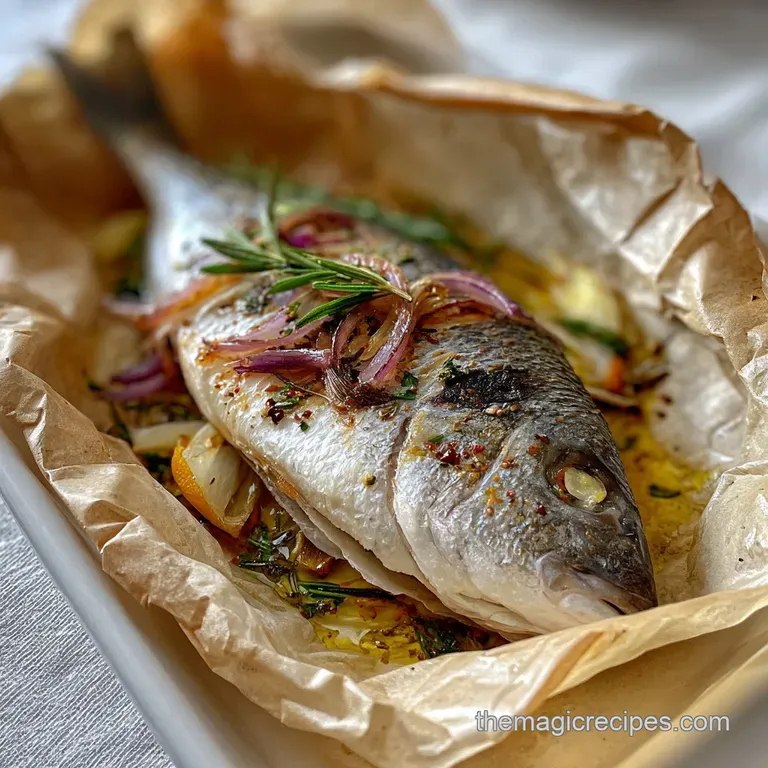
- Time: Active 5 minutes, Passive 12 minutes, Total 17 minutes
- Flavor/Texture Hook: Crackling salty skin paired with velvety, lemon infused flakes
- Perfect for: Busy weeknight dinners, healthy meal prep, or a fast date night meal
- Golden Pan Seared recetas de pescado faciles y rapidas
- Thermal Science Behind Flaky Fish
- Efficient Components for Quick Success
- Essential Components and Smart Substitutions
- Basic Tools for Crispy Results
- Mastering the Simple Cooking Process
- Correcting Common Culinary Kitchen Errors
- Creative Flavor and Texture Variations
- Debunking Common Fish Myths
- Preserving Quality and Reheating Safely
- Perfect Pairings for Complete Meals
- Recipe FAQs
- 📝 Recipe Card
Golden Pan Seared recetas de pescado faciles y rapidas
The kitchen was a disaster, the kids were asking about homework, and I had exactly twenty minutes before the next soccer practice. I pulled two sea bream fillets from the fridge, and honestly, I almost just ordered pizza.
But then I remembered the trick my neighbor showed me using a bed of zucchini to keep the fish from sticking while infusing it with all those bright, Mediterranean juices.
I hit the pan with olive oil, and that immediate, aggressive sizzle filled the room. The aroma of garlic and oregano started drifting toward the living room, and suddenly, the "what's for dinner" whining stopped.
It's funny how a little bit of heat and the right technique can turn a stressful evening into a moment where everyone actually sits down for a second.
We're going for that specific texture today where the skin shatters when your fork touches it, but the inside stays so moist it practically melts. This approach to recetas de pescado faciles y rapidas isn't just about speed; it's about working smarter with the heat you've got.
You don't need a culinary degree, just a hot pan and a bit of confidence.
Thermal Science Behind Flaky Fish
The Physics of the Sizzle: High intensity conduction heat quickly evaporates surface moisture on the skin, triggering the Maillard reaction for a crispy crust. Simultaneously, the vegetable bed acts as a thermal buffer, gently steaming the underside of the fillet to prevent protein fibers from tightening and becoming tough.
Chef's Tip: Take a clean paper towel and press it firmly against the fish skin right before it hits the oil. Even if it looks dry, moisture is the enemy of the "shatter" texture we want. Removing that microscopic layer of water ensures the skin fries instead of boils.
- Osmotic Extraction: Salting the skin 2 minutes before cooking draws out deep seated moisture, which you must pat dry for maximum crunch.
- Aromatic Volatility: Crushing the garlic cloves rather than mincing them allows the essential oils to infuse the fat without the bits burning and becoming bitter.
- Carryover Magic: Fish continues to cook for about 60 seconds after leaving the heat; pulling it just before it looks "done" ensures a velvety finish.
| Thickness | Internal Temp | Rest Time | Visual Cue |
|---|---|---|---|
| 0.5 inch | 140°F | 2 minutes | Flesh turns opaque white |
| 1 inch | 145°F | 3 minutes | Center flakes easily with a fork |
| 1.5 inch | 145°F | 4 minutes | Juice runs clear near the spine |
If you find yourself loving the speed of this pan seared method, it's very similar to the technique I use in my Recetas de Salmon Fresco recipe, where heat management is everything. Both recipes prove that you don't need an hour to get a restaurant quality crust.
Efficient Components for Quick Success
| Ingredient | Science Role | Pro Secret |
|---|---|---|
| Sea Bream (Dorada) | Lean Protein | Leave the skin on to protect the delicate flesh from direct pan heat. |
| Extra Virgin Olive Oil | Heat Transfer | Use an oil with a medium high smoke point to ensure the garlic doesn't scorch. |
| Lemon Slices | Acidic Balance | Placing the fish directly on lemon slices prevents sticking while steam infusing flavor. |
| Capers | Salt Burst | These add "umami" punch without needing heavy sauces or long reduction times. |
This recipe works because the ingredients are functional and fast. We aren't doing any long marinades here because the high heat and aromatics do the heavy lifting in under 12 minutes.
Essential Components and Smart Substitutions
- 2 Sea Bream (Dorada) fillets (approx. 170g each): Skin on is non negotiable for the texture. Why this? It's a sustainable white fish that holds its shape under high heat.
- Substitute: Red Snapper or Sea Bass. These have similar fat content and skin thickness.
- 0.5 tsp Sea salt: Use flaky salt if possible.
- Substitute: Kosher salt. It provides the same moisture drawing properties.
- 0.25 tsp Cracked black pepper: Freshly cracked has more volatile oils.
- 0.5 small zucchini: Sliced into thin rounds. Why this? Zucchini releases water which creates the "steam chamber" effect.
- Substitute: Yellow squash. Same water content and cook time.
- 0.5 red bell pepper: Julienne cut for fast softening.
- 4 lemon slices: Seedless to avoid bitterness.
- 2 garlic cloves: Smashed to release oils.
- 2 tbsp extra virgin olive oil: The vehicle for flavor.
- 1 tsp dried oregano: More concentrated than fresh for quick cooking.
- 1 tbsp capers: Drained to prevent oil splattering.
Basic Tools for Crispy Results
You don't need a cupboard full of gadgets to pull off great recetas de pescado faciles y rapidas. A heavy bottomed skillet is your primary weapon here. I personally use a 12 inch cast iron skillet because it holds heat like a champion, which is vital when you drop cold fish into it.
If you use a thin pan, the temperature drops instantly, and you end up "stewing" the fish in its own juices rather than searing it.
A flexible fish spatula is the second must have. Unlike those thick plastic flippers, a thin metal spatula can slide right under the skin without tearing it. If the fish feels stuck, wait. It will naturally release from the pan once the crust has formed.
Trying to force it early is the number one reason people end up with "shredded" fish instead of a beautiful fillet.
Mastering the Simple Cooking Process
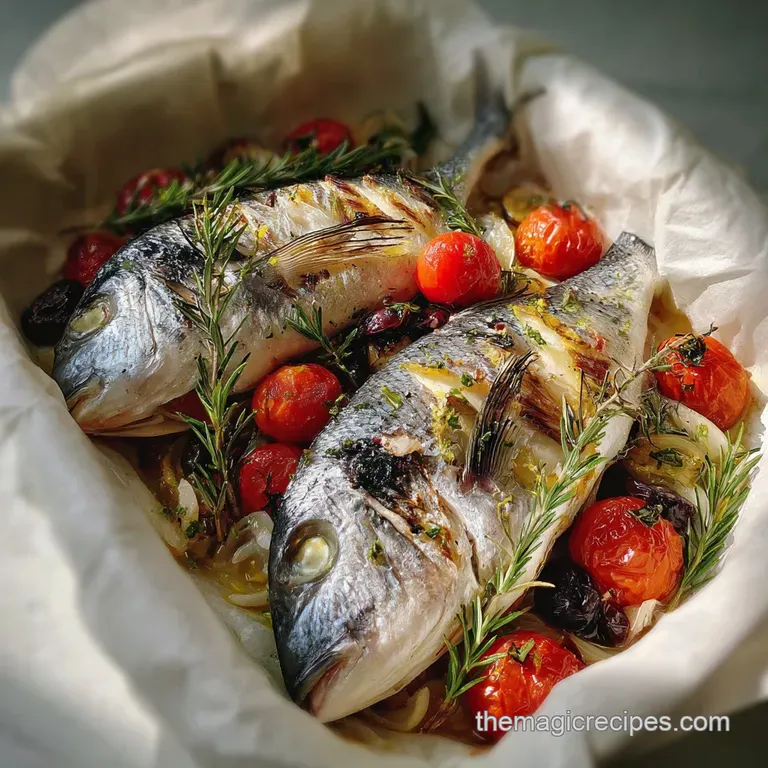
- Dry the fish. Use paper towels to pat the 2 Sea Bream fillets until the skin feels tacky. Note: Dry skin equals crispy skin.
- Season the fillets. Sprinkle 0.5 tsp sea salt and 0.25 tsp pepper over both sides. Wait 2 minutes for the salt to work.
- Prep the aromatics. Slice 0.5 zucchini into rounds and 0.5 red pepper into thin strips.
- Heat the pan. Add 2 tbsp olive oil to the skillet over medium high heat until the oil shimmers and barely smokes.
- Sauté the vegetables. Toss in the zucchini, peppers, 2 smashed garlic cloves, and 1 tsp oregano. Cook for 3 minutes until softened.
- Create the bed. Push the veggies to the sides and place 4 lemon slices in the center of the pan.
- Sear the fish. Place the fillets skin side down directly onto the lemon slices or the hot pan surface. Cook for 4 minutes without moving them.
- Steam and finish. Add 1 tbsp capers, cover the pan with a lid, and reduce heat to medium. Cook for 5 more minutes until the flesh is opaque.
- The Reveal. Remove the lid and let the steam escape for 30 seconds to re crisp the edges.
- Rest and serve. Transfer to plates carefully. Let it rest for 2 minutes before eating.
Correcting Common Culinary Kitchen Errors
Why Your Fish Sticks
If the fillet won't budge, it’s usually because the pan wasn't hot enough or you’re trying to flip it too soon. Protein bonds with the metal initially, and only "releases" once those bonds are broken by the browning process. Trust the heat; it will let go when it's ready.
Avoiding Soggy Vegetable Beds
Sometimes the zucchini releases too much water, turning your sear into a boil. This usually happens if the pan is overcrowded. If you see a lot of liquid pooling, turn the heat up to high for the last 60 seconds of cooking to evaporate the excess moisture and concentrate the flavors.
| Problem | Root Cause | Solution |
|---|---|---|
| Rubbery skin | Trapped moisture | Pat dry with paper towels twice before cooking. |
| Bitter flavor | Burnt garlic | Use smashed cloves instead of minced; remove if they turn dark brown. |
| Dry flesh | Overcooking | Pull the fish at 140°F and let carryover heat finish the job. |
Common Mistakes Checklist
- ✓ Never put cold fish into a cold pan; let the fillets sit at room temp for 10 minutes first.
- ✓ Don't skip the "dry" step; even a drop of water prevents the Maillard reaction.
- ✓ Avoid flipping the fish multiple times; one flip (or none, if using a lid) is best.
- ✓ Keep the garlic in its "skin" or just smashed to prevent the tiny bits from scorching.
- ✓ Use a heavy pan to ensure even heat distribution across the entire fillet.
Creative Flavor and Texture Variations
If you're cooking for a larger group, you can easily double this recipe. Just be sure to use two pans. Overcrowding a single pan will drop the temperature so much that the fish will steam rather than sear, losing that crackling texture we worked so hard for.
For the spices, I usually only increase them by 1.5x when doubling recipes, as salt can become overwhelming quite fast in a closed lid environment.
For Restaurant Quality Flavor
Swap the dried oregano for a handful of fresh thyme or rosemary sprigs. Place them directly into the oil next to the garlic. The hot fat will deep fry the herbs, making them crispy and infusing the entire dish with an earthy, woodsy aroma that feels much more expensive than it actually is.
Healthier Version: The Low Sodium Swap
If you're watching your salt intake, skip the capers and the extra sea salt. Instead, use a heavy hand with the lemon zest and add a splash of white wine vinegar at the very end. The acidity mimics the "bite" of salt without the sodium, and the vinegar will deglaze the pan, picking up all the golden bits from the zucchini.
| Modification | Primary Swap | Resulting Texture/Flavor |
|---|---|---|
| Spicy Kick | Red Pepper Flakes | Adds a slow heat that cuts through the fatty fish. |
| Earthy Depth | Sliced Mushrooms | Adds a "meaty" texture to the vegetable bed. |
| Butter Finish | 1 tbsp Unsalted Butter | Creates a silky, velvety sauce with the lemon juice. |
Debunking Common Fish Myths
One big misconception is that you need to flip fish to cook it evenly. In reality, covering the pan with a lid creates a convection effect that cooks the top of the fillet while the bottom sears. This protects the delicate flakes from being damaged by a spatula.
Another myth is that "fresh is always better." high-quality frozen fish is often flash frozen on the boat, making it "fresher" than "fresh" fish that has been sitting in a display case for three days.
Preserving Quality and Reheating Safely
Storage: You can keep leftover fish in an airtight container in the fridge for up to 2 days. I don't recommend freezing cooked fish, as the delicate cell structure breaks down when thawed, resulting in a mushy texture.
Reheating: Avoid the microwave! It will turn your fish into a rubber ball. Instead, place the fish in a cold frying pan with a teaspoon of water, cover it, and heat over medium low for about 4 minutes. The steam will gently warm the center without drying it out.
Zero Waste: Don't toss those zucchini ends or pepper scraps. Throw them into a freezer bag. Once you have enough, boil them with some water and the leftover fish bones (if you bought a whole fish) to make a quick seafood stock for your next Recetas Sencillas Para Comer recipe.
Perfect Pairings for Complete Meals
This dish is naturally light, so I love serving it over a bed of something that can soak up the lemon and garlic oil. A simple couscous or a pile of citrus infused orzo works beautifully.
If you're keeping things low carb, a side of roasted cauliflower or a big green salad with a sharp vinaigrette balances the richness of the sea bream perfectly.
I often serve this alongside my Recetas Sencillas Para Comer recipe because the cooking times line up perfectly. While the orzo simmers, you can sear the fish, and everything hits the table at the exact same time hot, fresh, and functional. It’s the kind of meal that makes you feel like you’ve actually got your life together, even on a hectic Tuesday.
Recipe FAQs
Can I use frozen fish fillets instead of fresh for this quick sear?
No, thawing introduces too much moisture. Frozen fish releases water when heated, which steams the flesh instead of allowing the skin to crisp up properly.
What is the absolute fastest way to get that crispy skin texture?
Pat the skin aggressively dry with paper towels right before seasoning. Any residual surface moisture will boil when it hits the hot oil, preventing the Maillard reaction necessary for shatter.
How do I prevent the delicate fish flesh from tearing when I try to flip it?
Wait until the fillet naturally releases from the pan surface before attempting to move it. Trying to force it early means the protein is still bonded to the metal; once the crust forms, the bond breaks easily.
Is it true that covering the pan makes the fish dry out?
No, covering the pan helps cook the top without flipping. The lid traps steam, which gently cooks the fillet evenly while the bottom continues to sear, minimizing handling damage.
How can I make this recipe faster if I skip the vegetable bed entirely?
Sear the fish directly on the hot pan surface, then reduce heat immediately. You must monitor the internal temperature very closely to prevent drying out, as the vegetable buffer is gone. If you enjoy quick searing techniques, see how the heat principle is applied in our Recetas de Salmon Fresco recipe.
What should I serve with this fish to keep the whole meal fast?
Pair it with a quick cooking starch or simple salad. Couscous cooks in under five minutes, or you can easily assemble a side salad while the fish rests. A simple side like the one featured in the Recetas Sencillas Para Comer recipe is ready in the same timeframe.
Why do my garlic cloves burn before the vegetables even start to soften?
You are likely using minced garlic instead of smashed cloves. Mincing creates small surface area pieces that scorch quickly; smashing them releases oils slowly, perfuming the oil without burning.
Pescado Facil Y Rapido
Ingredients:
Instructions:
Nutrition Facts:
| Calories | 357 kcal |
|---|---|
| Protein | 33.2 g |
| Fat | 23.1 g |
| Carbs | 4.6 g |
| Fiber | 1.4 g |
| Sugar | 2.1 g |
| Sodium | 675 mg |
