Pineapple Cheese Casserole: Tangy and Crispy
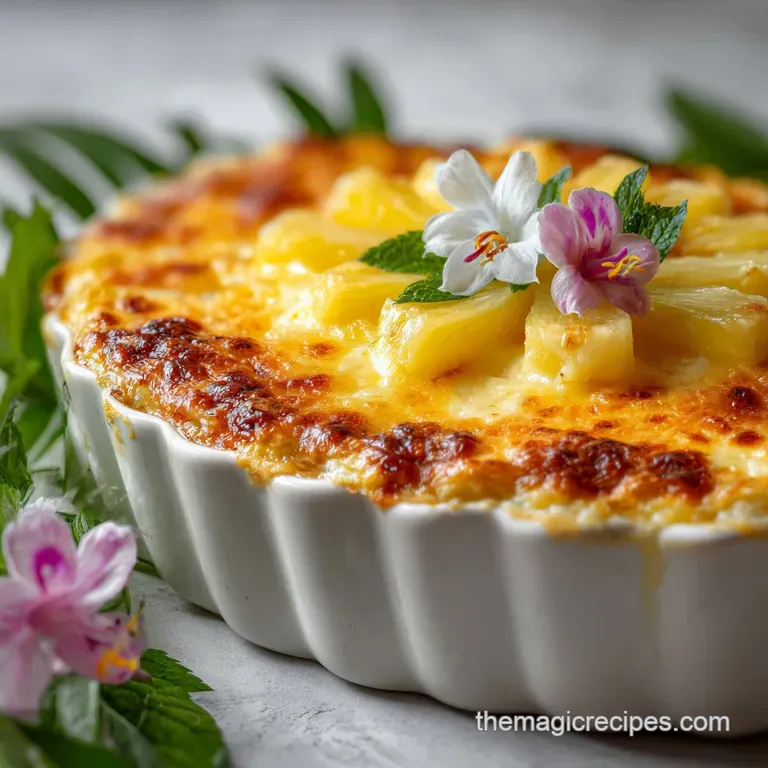
- Time: Active 15 minutes, Passive 30 minutes, Total 45 minutes
- Flavor/Texture Hook: Tangy sweet fruit meets a shatter crisp buttery crust
- Perfect for: Holiday potlucks, family BBQs, or a quick weeknight treat
- Bringing Home The Best Pineapple Cheese Casserole
- The Magic Balance of Sweet and Savory
- Timing and Preparation Details for Success
- Selecting the Best Ingredients for the Casserole
- Simple Tools for a Perfect Result
- How to Assemble and Bake the Dish
- Solving Common Issues with Your Casserole
- Adjusting the Recipe for Large Crowds
- Delicious Tweaks for Your Next Gathering
- Storing and Reheating Your Leftovers Safely
- Perfect Pairings for a Southern Feast
- Pineapple Cheese Casserole FAQs
- 📝 Recipe Card
Bringing Home The Best Pineapple Cheese Casserole
I'll never forget the first time I saw this dish sitting on the buffet line at a family reunion. The aroma of toasted butter and warm sugar was drifting through the air, but I did a double take when I saw shreds of yellow cheddar peeking through the golden cracker crust. It seemed like a mistake, right?
Cheese and pineapple shouldn't work together, but one bite changed my entire perspective on Southern side dishes.
The way the sharp cheese melts into a velvety sauce with the pineapple juice is nothing short of brilliant. It creates this salty sweet profile that actually cuts through the richness of heavy holiday meats.
Since that first bite, I've spent years tweaking the ratios to make sure the crackers don't get soggy and the fruit stays bright instead of turning into mush. It's now the most requested dish at every gathering I host, and honestly, it’s one of the few things my kids will finish without a single complaint.
We've all been there where a casserole comes out of the oven looking like a watery mess or, worse, has a topping that's burnt to a crisp. I’ve made those mistakes so you don't have to. Today, we’re going to walk through the small details that make this budget friendly classic feel like a high end treat.
Trust me on this, once you try the sharp cheddar contrast against the fruit, you’ll never go back to plain fruit salads again.
The Magic Balance of Sweet and Savory
The Starch Juice Emulsion: The flour binds with the reserved pineapple juice during baking, creating a thickened, glossy glaze that clings to the fruit instead of pooling at the bottom. This prevents the cracker topping from absorbing excess moisture and losing its signature shatter.
| Method | Prep Time | Texture Result | Best Use Case |
|---|---|---|---|
| Shortcut (Canned) | 15 minutes | Consistently tender and juicy | Weeknight dinners or big potlucks |
| Fresh Pineapple | 25 minutes | Firmer bite with less sweetness | Gourmet holiday spreads |
| Pre Crushed Crackers | 10 minutes | Finer, sandy texture | When you're in a massive rush |
Using canned pineapple isn't just a time saver; it’s a texture win. Fresh pineapple contains an enzyme called bromelain that can sometimes break down the proteins in the cheese too quickly, leading to a grainy sauce.
The canning process heat treats the fruit, neutralizing that enzyme so your casserole stays silky and smooth every single time.
For a Balanced Flavor Profile
The secret to stopping this dish from tasting like a dessert is the sharp cheddar. Don't even think about using mild or medium cheese here. You need that aggressive, salty punch to fight back against the sugar.
I usually go for the sharpest block I can find and shred it myself to avoid the waxy anti caking agents found in pre bagged shreds.
For a Non Soggy Base
We reserve exactly 6 tablespoons of juice for a reason. It’s the perfect amount to create a sauce without drowning the crackers. If you dump the whole can in, you’ll end up with pineapple soup.
If you skip the juice entirely, the flour won't have anything to hydrate with, and you’ll find dry white clumps in your finished bake.
Timing and Preparation Details for Success
| Component | Science Role | Pro Secret |
|---|---|---|
| Pineapple Chunks | Acid & Structure | Drain them for 10 full minutes to ensure no hidden liquid ruins the bake. |
| Sharp Cheddar | Salt & Fat Emulsifier | Grate it cold from the fridge so the shreds stay distinct until they hit the oven. |
| Ritz Crackers | Texture & Lipid Carrier | Leave some large chunks; don't pulverize them into dust for a better "shatter" effect. |
The interaction between the sugar and the acidity of the pineapple is what makes the flavor pop. By adding just a quarter cup of sugar, we aren't making it a dessert; we are simply balancing the natural tartness of the fruit. This makes it functional as a side dish for ham or even roasted chicken.
Selecting the Best Ingredients for the Casserole
- 2 cans (20 oz each) pineapple chunks: Make sure they are in juice, not heavy syrup, to keep the sugar levels manageable. Why this? Chunks provide a better "chew" and mouthfeel than crushed pineapple.
- 0.25 cup granulated sugar: You can use light brown sugar if you want a deeper, molasses like hint.
- 3 tbsp all purpose flour: This is our thickening agent that turns the juice into a velvety coating.
- 2 cups extra sharp cheddar cheese: Freshly shredded is non negotiable for the best melt. Why this? Extra sharp provides the necessary contrast to the sweet fruit.
- 1 sleeve Ritz crackers: About 30 crackers. Any buttery round cracker works, but the classic brand has the best salt ratio.
- 6 tbsp unsalted butter: We melt this to coat the crackers, ensuring every bite is golden and crispy.
Note: If you only have salted butter on hand, just keep it in mind. The crackers and cheese already bring plenty of salt to the party, so I prefer controlling it with unsalted butter.
Simple Tools for a Perfect Result
You don't need a kitchen full of gadgets for this one, which is why I love it for busy weeknights. A standard 9x13 inch (or 2 quart) baking dish is the classic choice. I personally like using a ceramic dish because it holds heat beautifully and looks great when you set it right on the table.
You'll also need a large mixing bowl and a sturdy spatula. Since we’re shredding our own cheese (right?), a box grater is essential. If you want to make quick work of the crackers, just put them in a zip top bag and give them a few light whacks with a rolling pin or even the bottom of a heavy measuring cup.
You want a mix of fine crumbs and nickel sized pieces for the best texture.
How to Assemble and Bake the Dish
- Preheat oven. Set it to 350°F (175°C) and lightly grease your baking dish with a bit of butter or non stick spray.
- Drain pineapple. Pour the cans into a colander over a bowl. Measure out 6 tbsp of juice and set it aside; discard or drink the rest.
- Mix dry ingredients. In a large bowl, whisk together the 0.25 cup sugar and 3 tbsp flour until no lumps remain. Note: Mixing them first prevents the flour from clumping when it hits the wet fruit.
- Toss the fruit. Add the drained pineapple chunks to the sugar flour mixture and stir until every piece is evenly coated.
- Add the cheese. Fold in the 2 cups of shredded cheddar and the reserved 6 tbsp of juice.
- Transfer to dish. Spread the pineapple and cheese mixture into your prepared baking dish in an even layer.
- Prep the topping. In a separate bowl, toss the coarsely crushed Ritz crackers with the 6 tbsp of melted butter.
- Layer the crunch. Sprinkle the buttery crumbs over the top, covering the fruit and cheese completely.
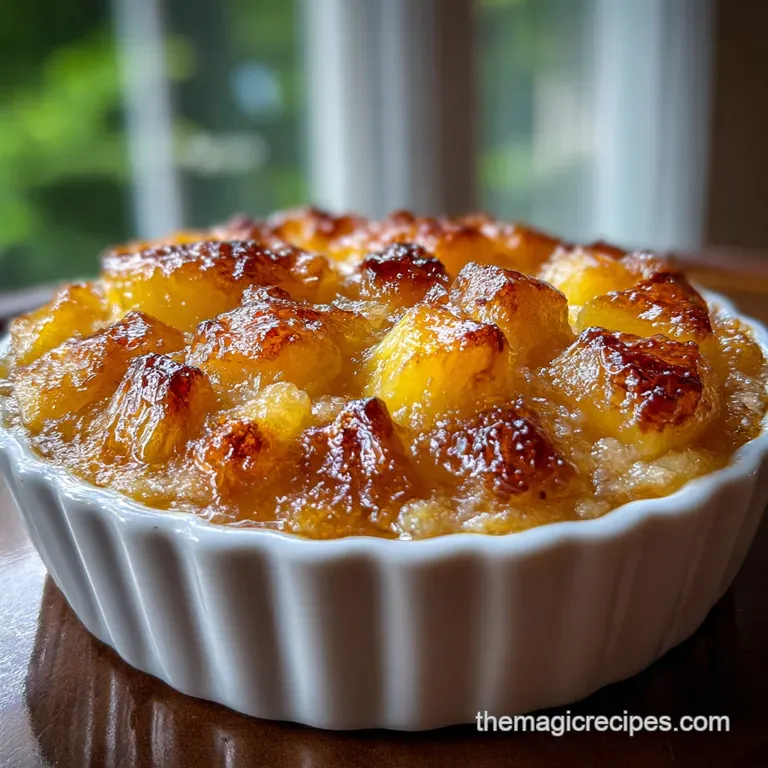
- Bake. Place in the oven for 30 minutes until the topping is golden brown and the edges are bubbling.
- Rest. Let it sit for 5 minutes before serving to allow the sauce to set slightly.
Solving Common Issues with Your Casserole
Why Your Casserole Is Too Watery
If your dish ends up with a pool of liquid at the bottom, it's usually because the pineapple wasn't drained well enough. Those little crevices in the chunks hold more juice than you think. Give them a good shake in the colander.
Another culprit is using "pineapple in syrup" instead of "in juice," as the syrup doesn't thicken the same way with the flour.
Why Your Topping Is Soft
A soggy topping happens when the oven temperature is too low or if you covered the dish with foil. The crackers need direct heat to stay crisp. If you’re making this ahead of time, don't add the cracker topping until you are actually ready to put it in the oven.
| Problem | Root Cause | Solution |
|---|---|---|
| Separated Cheese | Pre shredded cheese used | Use a block and shred it yourself for a smoother melt. |
| Burnt Topping | Oven rack too high | Bake on the middle rack; if browning too fast, tent loosely with foil for the last 5 mins. |
| Dry Casserole | Forgot reserved juice | Ensure exactly 6 tbsp of juice is added to the mix. |
Common Mistakes Checklist ✓ Don't use a food processor for the crackers; it turns them into dust and ruins the crunch. ✓ Ensure the butter is melted but not boiling hot when mixing with crackers.
✓ Always use extra sharp cheddar; mild cheese completely disappears in the flavor profile. ✓ Let the dish rest for a few minutes; it's like a lasagna, it needs a moment to stabilize. ✓ Double check your flour measurement; too little and it won't thicken, too much and it tastes pasty.
Adjusting the Recipe for Large Crowds
If you’re heading to a massive family reunion and need to double this, it's very straightforward. You can use two 9x13 dishes or one extra large catering pan. When doubling, I suggest only using 1.5x the sugar and spices to keep the balance right.
The liquids should also be scaled carefully; use about 10 tablespoons of juice instead of 12 to ensure it stays thick.
For a smaller household, you can easily halve the recipe and bake it in an 8x8 inch square pan. Reducing the time by about 20% (start checking at 22-25 minutes) is usually enough.
If you’re halving it and have an awkward amount of egg or butter, just beat the egg and use half, or round the butter to the nearest tablespoon. It's a very forgiving recipe!
Delicious Tweaks for Your Next Gathering
If you want to shake things up, there are a few ways to customize this. For a "Smoky Southern Twist," try replacing half of the sharp cheddar with smoked gouda. It adds a wonderful depth that pairs incredibly well with grilled brisket.
If you're looking for something lighter, the "Low Sugar Bright Version" uses a sugar substitute and an extra squeeze of fresh lime juice to cut the sweetness even further.
For another comforting side dish that uses a similar baking technique, you might want to try my Cheesy Squash Casserole recipe. It has that same wonderful cheese to crunch ratio that makes these bakes so addictive.
- For a nuttier crunch
- Replace half the crackers with chopped pecans.
- For a spicy kick
- Add a pinch of cayenne pepper to the flour sugar mix.
- For a tropical vibe
- Mix in 0.5 cup of shredded coconut with the cracker topping.
Storing and Reheating Your Leftovers Safely
This casserole keeps surprisingly well in the fridge for up to 3 days. Just make sure it’s covered tightly with plastic wrap or stored in an airtight container. The crackers will naturally lose some of their "shatter" over time as they absorb moisture from the pineapple, but the flavor actually deepens.
When it comes to the freezer, I don't usually recommend freezing the fully assembled dish because the cheese and pineapple can change texture. However, you can freeze the pineapple cheese mixture (without the crackers) for up to 2 months.
When you're ready to eat, thaw it in the fridge, top with fresh buttery crackers, and bake as directed. To reheat leftovers, use the oven at 350°F for about 10 minutes rather than the microwave; the microwave will turn those crackers into a soggy mess, while the oven will help bring back some of that toasted crispness.
Perfect Pairings for a Southern Feast
This dish is the ultimate companion for salty, smoked meats. It’s a classic pairing for a honey glazed ham at Easter or Christmas. The acidity in the pineapple helps cut through the fat of the pork, making the whole meal feel more balanced. It’s also a fantastic "curveball" side for a summer BBQ.
While everyone else is bringing potato salad, showing up with this golden, bubbly casserole will make you the star of the show.
If you’re planning a full spread, it works beautifully alongside other classic bakes. For instance, if you're doing a brunch theme, it pairs naturally with my BAKED STRAWBERRIES AND recipe. The sweetness of the fruit in both dishes creates a cohesive menu that people will talk about for weeks.
The "If you want X, do Y" Decision List: If you want a crunchier topping, use 1.5 sleeves of crackers and increase the butter by 2 tablespoons. If you want it less sweet, reduce the sugar to 2 tablespoons and add a teaspoon of dry mustard powder.
If you want it creamier, mix in 2 tablespoons of cream cheese with the pineapple before adding the cheddar.
One final myth to bust: many people think you have to use the "luxury" brands of pineapple for this to taste good. That’s simply not true! Store brands work perfectly fine as long as you drain them well. The real "luxury" comes from the extra sharp cheddar and that golden, buttery cracker crust.
Now, get that oven preheated your kitchen is about to smell incredible.
Pineapple Cheese Casserole FAQs
What cheese goes best with pineapple?
Extra sharp cheddar. Its aggressive, salty punch is essential to cut through the pineapple's sweetness and prevent the casserole from tasting like dessert. Mild or medium cheddar won't provide enough contrast.
What is pineapple cheese casserole?
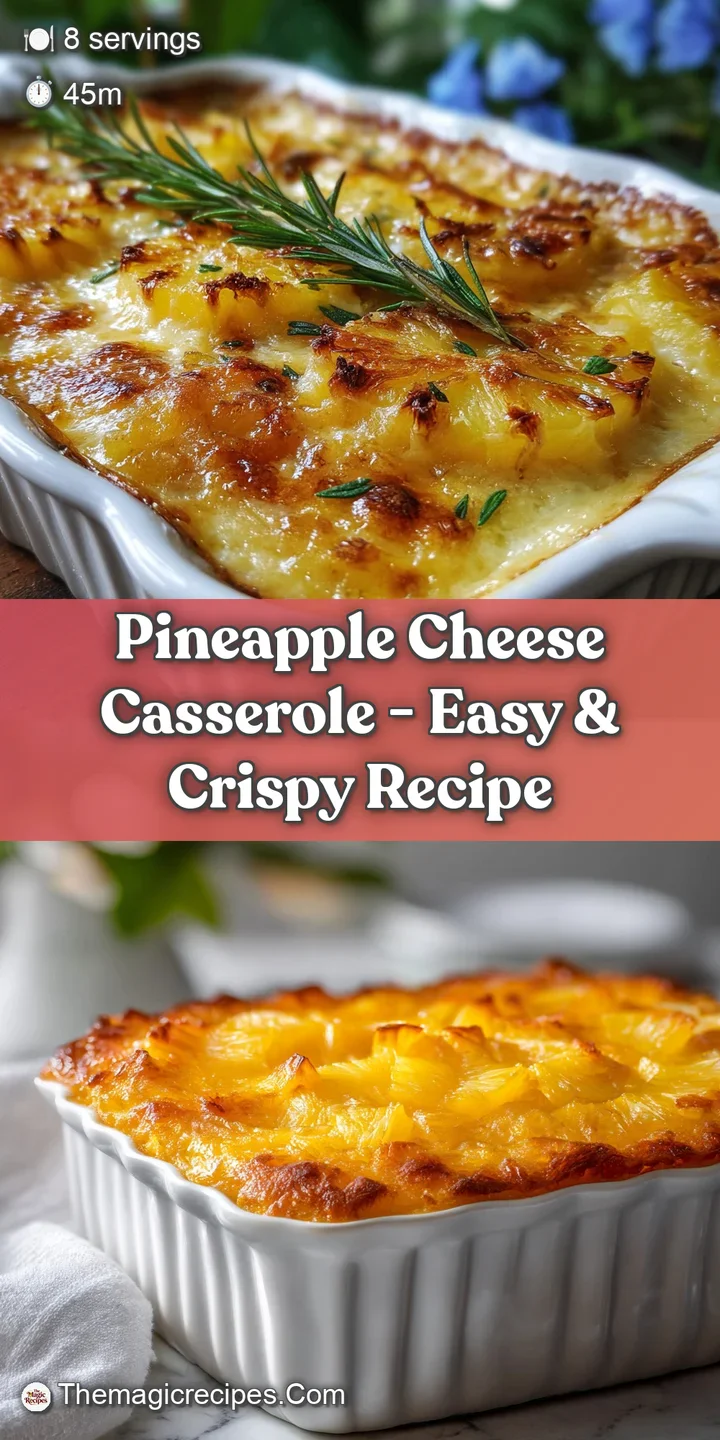
It's a sweet and savory baked side dish. Tangy pineapple chunks are mixed with sharp cheddar cheese and a thickened sauce, then topped with buttery, crispy crushed crackers. It's a classic Southern comfort food known for its contrasting flavors and textures.
What is a John Wayne casserole?
This is not a John Wayne casserole. While both are casseroles, a John Wayne casserole typically features a biscuit crust, ground beef, cheese, and a creamy tomato sauce, making it a savory main dish rather than a sweet and savory side like pineapple cheese casserole.
What kind of pineapple is best for casserole?
Canned pineapple chunks packed in juice. While fresh pineapple can be used, canned offers a more consistent texture and its canning process neutralizes the bromelain enzyme, preventing a potentially grainy sauce. Ensure it's in juice, not heavy syrup, for better sugar control.
Can I use crushed pineapple instead of chunks?
Yes, but expect a texture difference. Crushed pineapple will create a softer, more uniform filling, while chunks provide a more distinct fruity bite. If using crushed, be extra sure to drain it thoroughly to avoid excess moisture.
Why is my casserole topping soggy?
Likely due to excess moisture from the pineapple or baking too long uncovered. Ensure pineapple is very well drained. If making ahead, add the cracker topping just before baking. For optimal crispness, avoid covering the casserole during baking.
How do I make the cracker topping extra crispy?
Melt butter and toss generously with crushed crackers. Make sure all the crumbs are coated. For a superior crust texture, don't pulverize the crackers into dust; leave some larger pieces for a better "shatter" effect, similar to how careful dough handling leads to great crusts in Homemade Pizza: Crispy Crust Fresh Sauce Recipe.
Pineapple Cheese Casserole
Ingredients:
Instructions:
Nutrition Facts:
| Calories | 370 kcal |
|---|---|
| Protein | 8.4 g |
| Fat | 20.7 g |
| Carbs | 38.5 g |
| Fiber | 1.8 g |
| Sugar | 25.5 g |
| Sodium | 292 mg |
