Pineapple Juice Cake
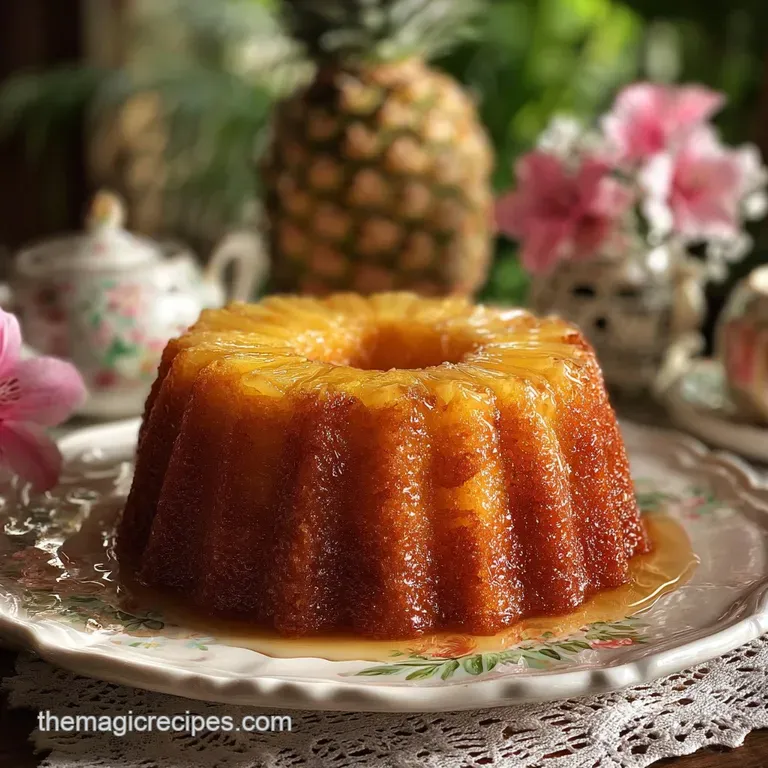
- Time: Active 15 minutes, Passive 40 minutes, Total 55 minutes
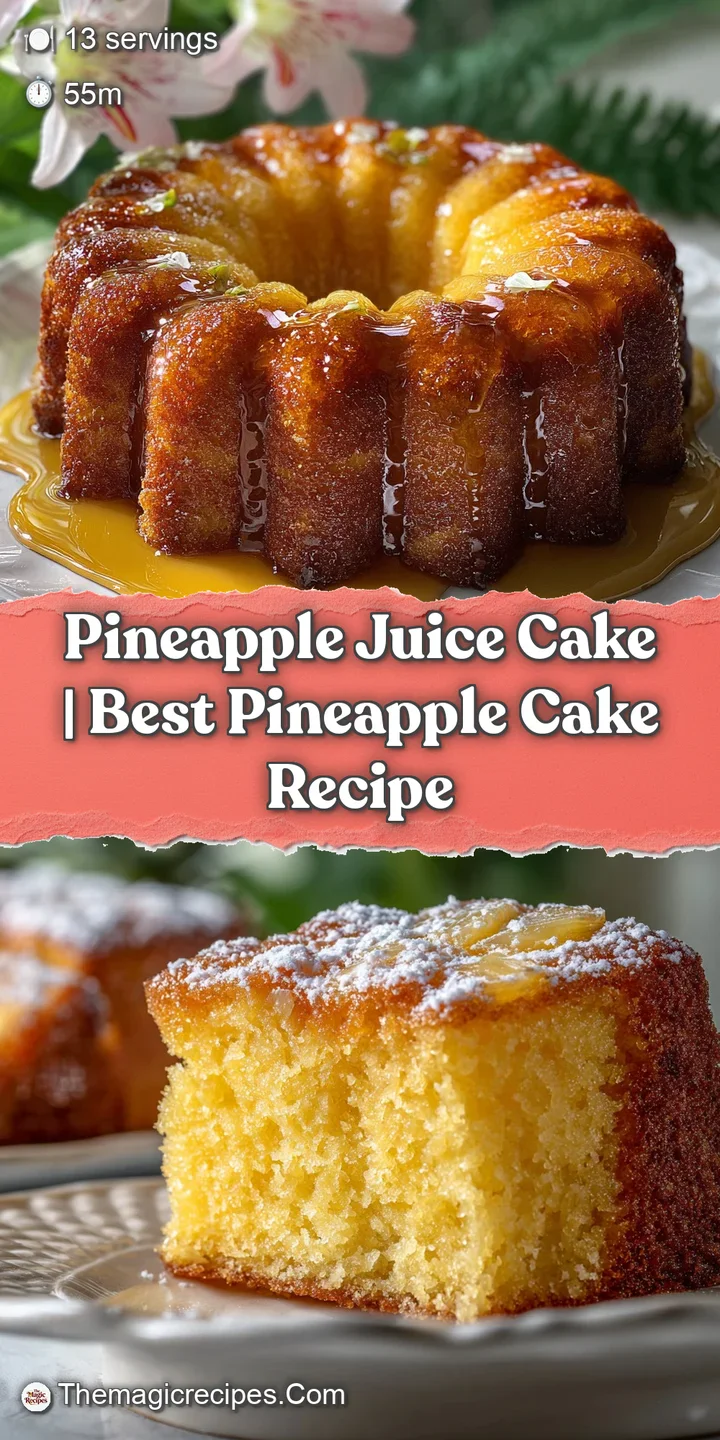
- Flavor/Texture Hook: Syrupy, golden crust with a tender, melt in-the mouth interior
- Perfect for: Sunday brunch, tropical themed parties, or a simple weekend treat
- Bake the Ultimate Pineapple Juice Cake
- The Science of Tropical Crumb Tenderness
- Tropical Ingredient Deep Dive
- Selecting the Finest Tropical Pantry Elements
- Essential Tools for a Flawless Bake
- Step by Step To Golden Perfection
- Solving Common Baking Flaws and Mishaps
- Scaling the Recipe for Any Crowd
- Debunking Common Baking Myths
- Storage Methods for Lasting Freshness
- Elegant Finishing Touches and Pairings
- Recipe FAQs
- 📝 Recipe Card
Bake the Ultimate Pineapple Juice Cake
The air in my kitchen currently smells like a sun drenched island, and honestly, I never want to leave. There is this specific, syrupy aroma that happens when pineapple juice hits hot sugar and melting butter it is heady, tropical, and deeply nostalgic.
I remember the first time I pulled this Pineapple Juice Cake out of the oven; the way the glaze hissed and sizzled against the warm crust made my heart skip. It is the kind of smell that brings everyone into the kitchen before the timer even goes off.
We have all had those cakes that look beautiful but end up being as dry as a desert inside. This recipe is the total opposite. It is a dense, luscious treat that manages to stay light enough to have a second slice (or third, no judgment here).
By using a mix of melted butter and vegetable oil, we get the best of both worlds: that unmistakable buttery flavor and a crumb that stays moist for days. Trust me, the way the glaze seeps into the warm cake is pure magic.
You do not need a culinary degree or fancy equipment to get this right. We are going for a bakery quality finish with simple pantry staples and a little bit of tropical flair. Whether you are serving this at a backyard BBQ or just want something sweet to go with your afternoon tea, this cake delivers every single time.
It is indulgent, vibrant, and surprisingly straightforward to pull together.
The Science of Tropical Crumb Tenderness
- Gluten Modification: The citric acid in the pineapple juice tenderizes the flour proteins, preventing a tough texture.
- Fat Emulsification: Combining butter and oil ensures the cake stays soft at room temperature while maintaining a rich mouthfeel.
- Osmotic Absorption: Applying the glaze while the cake is hot allows the liquid to penetrate deep into the pores before they seal.
| Servings | Ingredient Adjustments | Pan Size | Cook Time |
|---|---|---|---|
| 6 People | Halve all ingredients | 20cm Round Pan | 30 minutes |
| 13 People | Standard recipe | 25cm Bundt Pan | 40 minutes |
| 26 People | Double all ingredients | Two 25cm Bundts | 45 minutes |
Using a Bundt pan is essential here because it maximizes the surface area for that glorious glaze to soak in. The central chimney ensures the heavy, moisture rich batter cooks evenly from the inside out, preventing a gummy center.
Tropical Ingredient Deep Dive
Much like the foundational techniques found in a classic Butter Cake recipe, the success of this bake depends on how these specific elements interact under heat.
| Ingredient | Science Role | Pro Secret |
|---|---|---|
| Large Eggs | Structure & Leavening | Use room temp eggs to create a stable emulsion that traps air. |
| Pineapple Juice | Acidity & Flavor | 100% unsweetened juice provides the cleanest, most vibrant tang. |
| Vegetable Oil | Moisture Retention | Oil remains liquid at room temp, keeping the crumb supple and soft. |
Chef's Tip: Freeze your butter for 10 minutes before melting it. This slight chill seems to help the butter incorporate more smoothly with the sugar without separating too quickly.
Selecting the Finest Tropical Pantry Elements
To get that signature texture and flavor, you will need a few key items. If you find yourself missing something, do not panic most of these have easy swaps that won't ruin your afternoon.
- 375g All Purpose Flour: Provides the essential structure.
- 400g Granulated Sugar: For sweetness and a golden, caramelized exterior.
- 12g Baking Powder: The engine behind that beautiful rise.
- 180ml Pineapple Juice: Use 100% juice for the best flavor profile. Why this? The natural sugars and acids are vital for the crumb's unique tender texture.
- 113g Unsalted Butter: Provides that rich, indulgent base.
- 120ml Vegetable Oil: Ensures the cake doesn't dry out.
- 4 Large Eggs: Binds everything together.
- 240g Powdered Sugar: The base for our shimmering glaze.
| Original Ingredient | Substitute | Why It Works |
|---|---|---|
| Vegetable Oil | Melted Coconut Oil | Adds a subtle nutty note that complements the pineapple perfectly. |
| All Purpose Flour | 1:1 gluten-free Blend | Works well, though the cake may be slightly more crumbly. |
| Unsalted Butter | Salted Butter | Just omit the extra 3g of salt from the recipe. |
Essential Tools for a Flawless Bake
You really don't need much to make this happen. A standard 25cm Bundt pan is the star of the show here. Make sure it is well greased; there is nothing more heartbreaking than a cake that leaves half of itself behind in the pan. I find that a pastry brush helps get into all those little decorative nooks.
You will also want two mixing bowls one for your dry ingredients and a larger one for the wet. A wire whisk works perfectly fine, so don't feel like you have to lug out the heavy stand mixer unless you really want to.
For the glaze, a small saucepan or even a microwave safe bowl is all you need to melt the butter and whisk in the sugar.
step-by-step To Golden Perfection
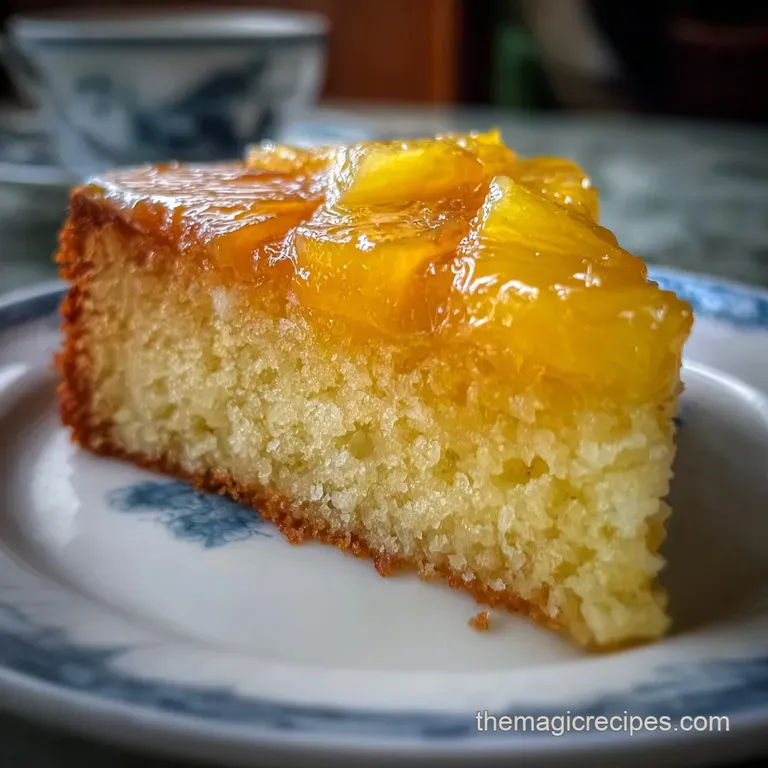
Preparing the Cake Base
- Preheat your oven to 175°C. Grease and flour a 25cm Bundt pan thoroughly. Note: This prevents the sugary batter from sticking to the intricate designs.
- Whisk 375g flour, 400g sugar, 12g baking powder, and 3g salt in a medium bowl.
- In a separate large bowl, beat 4 eggs until light and frothy.
- Slowly pour in 113g melted butter, 120ml oil, 180ml pineapple juice, and 10ml vanilla. Whisk until the mixture is glossy and smooth.
- Gradually fold the dry ingredients into the wet mixture. Stir until no white streaks of flour remain.
- Pour the batter into the prepared pan. Tap it on the counter to release trapped air bubbles.
- Bake for 40 minutes until a skewer comes out clean and the edges pull away slightly.
The Signature Pineapple Juice Glaze
- While the cake bakes, combine 240g powdered sugar, 60ml juice, 56g melted butter, and 5ml vanilla.
- Whisk vigorously until the glaze is thick, smooth, and shimmering.
- Remove the cake from the oven and, while still in the pan, poke holes all over the bottom with a skewer.
- Pour half the glaze over the hot cake. Wait 10 minutes for the syrup to disappear into the sponge.
- Invert the cake onto a wire rack and pour the remaining glaze over the top until it cascades down the sides.
Solving Common Baking Flaws and Mishaps
Cake Stuck in the Pan
This is the most common heartache with Bundt cakes. Usually, it happens because the pan wasn't greased well enough or the cake was left to cool for too long in the pan. The sugar in the juice becomes quite tacky as it cools, acting like a glue.
Soggy or Gummy Bottom
If the bottom of your cake feels wet or dense, it might be from pouring the glaze too quickly or before the cake has had a chance to set its structure. Ensure the cake is fully baked before adding that first hit of syrup.
| Problem | Root Cause | Solution |
|---|---|---|
| Cake is dry | Overbaked or too much flour | Use a kitchen scale for flour; check doneness 5 mins early. |
| Glaze is gritty | Sugar didn't dissolve | Whisk the glaze while the butter is quite warm to melt the sugar. |
| No pineapple flavor | Used diluted juice | Always use 100% juice, never "juice drink" or nectar. |
Common Mistakes Checklist ✓ Never skip greasing the center tube of the Bundt pan. ✓ Don't overmix the batter once the flour is added (prevents toughness). ✓ Apply the first half of the glaze while the cake is steaming hot.
✓ Let the cake rest for exactly 10 minutes before inverting. ✓ Use room temperature eggs for a smoother, more even rise.
Scaling the Recipe for Any Crowd
If you are baking for a smaller group, you can easily cut this recipe in half. Just use a standard loaf pan or a 20cm round cake tin. You will want to reduce the baking time by about 10 to 15 minutes, so keep a close eye on it.
The internal temperature should hit around 98°C if you are using a thermometer.
For a large party, doubling the recipe works well, but I highly recommend baking in two separate pans rather than one giant one. Large batches of this moist batter can struggle to cook through in the center if the pan is too deep.
When doubling, you only need to increase the leavening agent (baking powder) by 1.5 times to avoid a soapy aftertaste.
Debunking Common Baking Myths
One big myth is that you must use fresh pineapple juice for the best flavor. In reality, fresh pineapple contains an enzyme called bromelain that can actually break down the proteins in the eggs and flour too much, leading to a mushy cake.
Canned or bottled juice is pasteurized, which deactivates that enzyme, making it the superior choice for baking.
Another misconception is that sifting flour is a waste of time. While modern flour is rarely clumpy, sifting the flour with the baking powder ensures the leavening is perfectly distributed. This prevents those weird "tunnels" or uneven holes you sometimes see in the crumb of a Juice Cake.
Storage Methods for Lasting Freshness
This cake actually tastes even better on the second day once the glaze has fully settled. Keep it in an airtight container at room temperature for up to 3 days. Because of the high moisture content, any longer than that and you should move it to the fridge, where it will stay fresh for about a week.
If you want to freeze it, wrap the unglazed cake tightly in plastic wrap and then foil. It will keep beautifully for 2 months. When you are ready to serve, thaw it at room temperature and then apply a fresh batch of warm glaze to "revive" the texture and aroma.
Zero Waste Tip: If you have leftover pineapple juice from the can, don't toss it! You can use a splash in a Cream of Coconut recipe for a quick tropical drink or freeze it in ice cube trays for future smoothies.
Elegant Finishing Touches and Pairings
This cake is quite rich on its own, so I like to serve it with something that offers a bit of contrast. A dollop of unsweetened whipped cream or a scoop of tart lime sorbet works wonders to cut through the sugar.
If you want to go full tropical, some toasted coconut flakes sprinkled over the wet glaze add a lovely "shatter" to every bite.
For an evening dessert, try serving a warm slice alongside a small glass of dark rum or a hot cup of black tea. The tannins in the tea balance the sweetness of the glaze perfectly. If you are feeling extra indulgent, a few fresh raspberries on the side provide a bright pop of color and a necessary hit of acid.
- If you want a crunchier crust, sprinkle extra granulated sugar into the pan after greasing.
- If you want a deeper flavor, brown the butter before adding it to the batter.
- If you want a boozy kick, swap 30ml of the pineapple juice in the glaze for golden rum.
Recipe FAQs
Can you use pineapple juice instead of water in a cake mix?
Yes, absolutely! Using pineapple juice instead of water adds a lovely tropical flavor and a hint of acidity that can tenderize the cake crumb. It's a fantastic way to boost the taste of a simple cake mix, similar to how we use juice in our Cherry Cobbler Recipe: Rustic, Easy, Butter Rich Biscuit Topping for added moisture and flavor.
What can I do with a can of pineapple juice?
There are so many delicious uses! Beyond baking cakes or muffins, you can use it in smoothies, marinades for pork or chicken, or even as a base for refreshing drinks like our Christmas Punch: Tart Cranberry Apple Fizz. It adds a bright, tropical note to many dishes.
What is the most delicious cake in the world?
That's subjective and depends on your personal taste! For many, a perfectly moist, flavorful cake with a decadent frosting reigns supreme. This Pineapple Juice Cake is a strong contender, especially if you love a balance of sweet and tart. Some might argue for a rich Chocolate Icing Recipe: The Ultimate Glossy Fudge Icing for Cakes on a deep chocolate cake.
Can you put pineapple juice in a cake?
Yes, and it's highly recommended for added flavor and moisture! Pineapple juice not only provides a delightful tropical sweetness but its acidity also helps to tenderize the gluten in the flour, resulting in a softer, more delicate crumb. It's a secret weapon for achieving a moist and flavorful cake.
Why does my pineapple juice cake taste slightly tangy?
That tanginess is from the natural acidity in the pineapple juice. The citric acid present in pineapple juice helps to break down gluten strands in the flour, leading to a more tender cake. This acidity also balances the sweetness, making the overall flavor more complex and enjoyable, much like the tartness in our Christmas Punch: Tart Cranberry Apple Fizz cuts through sweetness.
Can I use fresh pineapple chunks in a pineapple juice cake recipe?
It's generally best to stick with the juice for this specific recipe. Fresh pineapple contains an enzyme called bromelain, which can break down the cake structure too much, leading to a mushy or overly soft texture.
Bottled or canned juice has been pasteurized, deactivating this enzyme, which is ideal for baking consistency.
How do I ensure my pineapple juice cake stays moist?
Proper fat content and avoiding overbaking are key. This recipe uses a combination of butter and oil to ensure a rich, tender crumb that stays moist for days. Also, always bake until a skewer inserted into the center comes out clean but don't bake any longer than necessary to prevent drying out the cake.
Pineapple Juice Cake
Ingredients:
Instructions:
Nutrition Facts:
| Calories | 496 kcal |
|---|---|
| Protein | 5 g |
| Fat | 21 g |
| Carbs | 74 g |
| Fiber | 1 g |
| Sugar | 52 g |
| Sodium | 182 mg |
