Pollo En Pepitoria Receta Tradicional
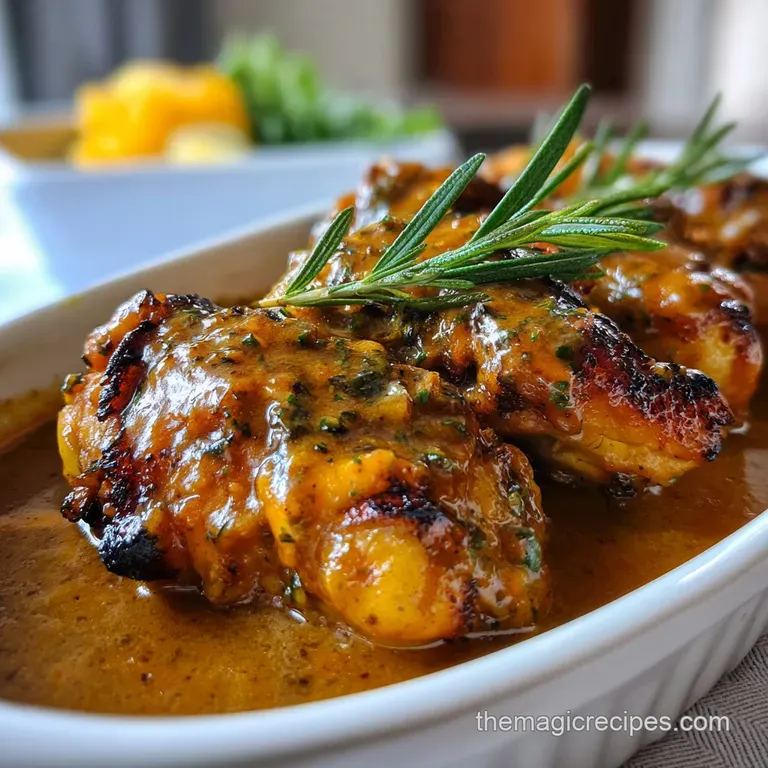
- Time: Active 20 minutes, Passive 40 minutes, Total 1 hour
- Flavor/Texture Hook: A velvety, golden sauce with nutty undertones and a toasted almond crunch.
- Perfect for: An impressive weekend dinner or a sophisticated make-ahead holiday meal.
- A Bold Journey Into This Pollo En Pepitoria Receta
- The Physics of the Velvety Majado Emulsion
- The Alchemy of Umami: Selecting Your Elements
- Essential Logistics for Your Spanish Chicken Feast
- The Essential Tools for Authentic Spanish Braising
- Master the Art of the Golden Saffron Braise
- Overcoming Common Braising Hurdles with Ease
- Creative Variations for the Modern Global Kitchen
- Preserving Flavor with Smart Storage and Leftovers
- Plating Like a Pro for Special Occasions
- Kitchen Myths Debunked
- Pollo en Pepitoria Recipe FAQs
- 📝 Recipe Card
A Bold Journey Into This Pollo En Pepitoria Receta
The first time I encountered this dish, I was in a small, stone walled kitchen in Toledo. The air didn't just smell like food; it smelled like history. There was this rhythmic thump thump thump of a wooden pestle hitting a brass mortar, crushing toasted almonds and fried bread into a thick, golden paste.
When the saffron hit the hot stock, the entire room transformed into a bright yellow haze of floral, earthy aromas that made my mouth water instantly.
We often think of chicken as a "safe" or "standard" choice, but this pollo en pepitoria receta changes the narrative entirely. It isn't just about the poultry; it's about the transformation of humble ingredients like hard boiled eggs and stale bread into a luxurious, shimmering sauce that feels like velvet on the tongue.
I remember watching the cook pull the pan from the heat, the sauce bubbling gently, thick enough to coat the back of a spoon with a rich, nutty sheen.
This isn't your average weeknight stew. It’s an adventurous exploration of Spanish flavors that dates back centuries, blending Moorish influences with rustic Iberian soul. You're going to learn how to create a sauce that is naturally thickened no heavy creams or modern thickeners required just pure, bold technique.
Let's get that pan screaming hot and start building these layers of flavor.
The Physics of the Velvety Majado Emulsion
Protein Emulsification: The reserved hard boiled egg yolks act as a natural emulsifier, binding the fat from the olive oil with the chicken stock to create a stable, creamy texture.
Starch Gelatinization: Frying the stale sourdough bread first causes the starch granules to swell and then burst when simmered, providing a structural backbone to the sauce that prevents it from feeling watery.
Maillard Synergy: Toasting the raw Marcona almonds until they sizzle and brown creates complex melanoidins that deepen the nutty profile, balancing the metallic notes of the saffron.
| Method | Total Time | Texture | Best For |
|---|---|---|---|
| Traditional Stovetop | 1 hour | Silky, reduced sauce | Deepest flavor development |
| Oven Braised | 1 hours 10 mins | Uniformly tender meat | Large batches and hands off time |
| Slow Cooker | 6 hours | Fall off-the bone | Ultra tender texture lovers |
Similar to the technique used in our Idea de Comida recipe, the key here is maintaining a gentle simmer to prevent the proteins from toughening while the flavors meld together perfectly.
The Alchemy of Umami: Selecting Your Elements
| Component | Science Role | Pro Secret |
|---|---|---|
| Marcona Almonds | High oil content for richness | Toast until they smell like popcorn for maximum depth |
| Saffron Threads | Chemical aromatic compound (Safranal) | Bloom in warm white wine to unlock the vibrant yellow pigment |
| Sourdough Bread | Fermented acidity and starch binder | Use bread that is at least two days old to ensure it absorbs the oil properly |
The quality of your ingredients dictates the "bold" factor of the final plate. While you might be tempted to use any old nut, the Marcona almond is shorter, rounder, and sweeter than the standard California variety, providing a distinct buttery finish that defines a true pepitoria receta.
Essential Logistics for Your Spanish Chicken Feast
To ensure your dish comes out authentic and bold, let's look at what we need. If you're missing something, don't panic the kitchen is a place for exploration.
- 1 kg bone in skinless chicken thighs: Why this? Thighs remain juicy during the braise and provide better collagen for the sauce.
- Substitute: Chicken drumsticks (same cook time) or breasts (reduce simmer time to 15 mins).
- 50g raw Marcona almonds: Why this? These provide the signature Spanish nutty profile.
- Substitute: Blanched almonds + 1 tsp butter for extra richness.
- 0.5g saffron threads: Why this? Essential for the golden hue and floral aroma.
- Substitute: 1/2 tsp turmeric (for color) + 1/2 tsp paprika (for depth).
- 2 large eggs, hard boiled: Why this? The yolks are the secret thickening agent.
- Substitute: 1 tbsp of almond butter (will slightly change the flavor profile).
- 150ml dry white wine: Why this? Provides acidity to cut through the fat of the almonds.
- Substitute: 1 tbsp sherry vinegar diluted in 140ml water.
- 1 slice stale sourdough bread: Why this? Adds texture and body to the majado.
- Substitute: 2 tbsp of plain breadcrumbs toasted in oil.
Chef's Tip: Freeze your ginger or garlic for 10 minutes before grating to get a fine, almost liquid paste that disappears into the sauce without leaving chunky bits.
The Essential Tools for Authentic Spanish Braising
To execute this pollo en pepitoria receta with precision, you'll want a heavy bottomed vessel. I swear by a 12 inch cast iron skillet or a Dutch oven. These pans hold heat beautifully, ensuring that when you sear the chicken, it doesn't just steam it develops a gorgeous, golden brown crust.
You will also need a mortar and pestle. While a food processor works in a pinch, the crushing motion of the mortar releases essential oils from the almonds and garlic that a blade simply chops. It’s the difference between a "good" sauce and a "spectacular" one.
Finally, keep a small whisk nearby to incorporate the majado into the stock without leaving any lumps behind.
Master the Art of the Golden Saffron Braise
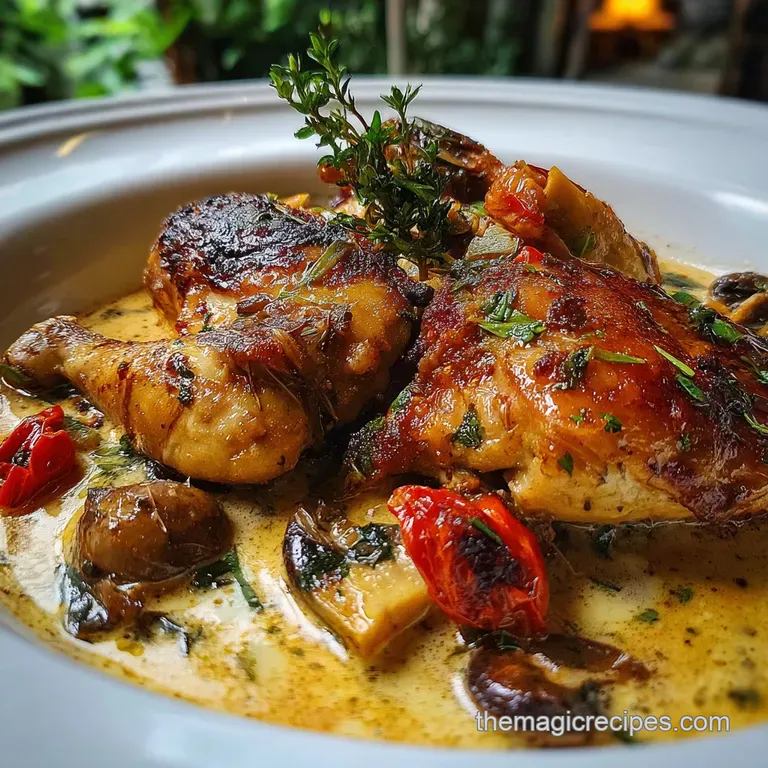
- Prep the poultry. Season the 1 kg chicken thighs with salt and pepper, then lightly dredge in the 30g flour. Note: This flour helps the initial sear and later assists in thickening the sauce.
- Sear for color. Heat 60ml olive oil in your pan over medium high heat. Fry the chicken thighs until the exterior is golden and the skin (if using) is crispy, about 5 minutes per side. Remove and set aside.
- Fry the aromatics. In the same oil, fry the raw almonds, garlic cloves, and sourdough slice until the bread is toasted and almonds are fragrant. Remove these to your mortar or a small blender.
- Create the majado. Add the 2 reserved hard boiled egg yolks and the saffron to the fried bread/almond mix. Crush or blend with a splash of wine until a thick, vibrant orange paste forms.
- Soften the onion. Add the finely minced onion to the remaining oil in the pan. Sauté until translucent and starting to caramelize, roughly 8 minutes.
- Deglaze the pan. Pour in the 150ml white wine, scraping the bottom until all the brown bits (fond) are dissolved.
- Combine and simmer. Return the chicken to the pan. Add the 500ml chicken stock, the bay leaf, and the majado paste. Whisk gently until the sauce is uniform and golden.
- The final braise. Cover and simmer on low heat for 30 minutes until the chicken is tender and the sauce has thickened.
- Rest and finish. Remove the lid and let the dish sit for 5 minutes. Taste and adjust seasoning with salt and pepper before serving.
Just like in a Pollo Teriyaki Receta recipe, the final reduction of the sauce is where the magic happens. If the sauce looks too thin, let it bubble uncovered for the last 5 minutes of cooking.
Overcoming Common Braising Hurdles with Ease
Why Your Sauce Looks Broken
If you see the oil separating from the sauce, it usually means the heat was too high during the final simmer. The egg yolks can only hold so much fat in suspension before the emulsion breaks. To fix this, add a tablespoon of cold stock and whisk vigorously off the heat.
Why Your Almonds Taste Bitter
This happens if the almonds are fried too long or at too high a temperature. They go from "perfectly toasted" to "burnt" in about ten seconds. Always pull them out when they are a light tan color; the residual heat will finish the job.
| Problem | Root Cause | Solution |
|---|---|---|
| Thin, watery sauce | Majado wasn't thick enough | Simmer uncovered to reduce; add extra egg yolk if needed |
| Tough chicken | Boiled instead of simmered | Keep heat at a low "smile" (gentle bubbles) |
| Dull yellow color | Saffron wasn't bloomed | Soak saffron in warm wine for 10 mins before adding |
Common Mistakes Checklist
- ✓ Pat the chicken dry before dredging in flour to ensure a crisp sear.
- ✓ Don't skip frying the bread; it provides the essential nutty sweet base for the sauce.
- ✓ Ensure the onions are truly soft; crunchy onions will ruin the velvety texture.
- ✓ Use a high-quality chicken stock avoid the low sodium versions that lack gelatin.
- ✓ Let the dish rest for 5-10 minutes before serving to let the sauce thicken further.
Creative Variations for the Modern Global Kitchen
If you want a faster version, you can adapt this as a receta pollo pepitoria thermomix. Simply pulse the almonds, bread, and egg yolks first, then sauté the onions and chicken in the vessel. It saves on cleaning but loses a bit of that rustic, hand crushed texture.
For a lighter alternative, swap the chicken thighs for skinless breasts, but be careful they dry out quickly. Reduce the simmer time to 15 minutes to keep them moist.
If you're looking for a vegetarian twist, use thick slices of cauliflower or firm tofu, though you'll need to increase the spices to compensate for the lack of meat fat.
- If you want more depth, add a teaspoon of smoked paprika (Pimentón de la Vera).
- If you want it traditional, include the chopped hard boiled egg whites as a garnish at the end.
- If you want it creamy, stir in a dollop of Greek yogurt just before serving (not traditional, but delicious).
Preserving Flavor with Smart Storage and Leftovers
- Fridge
- Store in an airtight container for up to 3 days.
- Freezer
- This dish freezes exceptionally well for up to 2 months. The sauce remains stable because of the starch in the bread.
- Reheating
- Warm it gently on the stovetop over low heat. If the sauce has thickened too much in the fridge, add a splash of water or stock to loosen it back to its original velvety glory.
Zero Waste Tip: Don't throw away those parsley stems or onion skins! Toss them into a freezer bag to make your own chicken stock for the next time you make this pepitoria receta.
Plating Like a Pro for Special Occasions
When serving this for guests, presentation is everything. This dish is naturally rustic, so it needs a bit of brightness to pop on the plate.
1. The Classic Garnish
Finely chop the leftover egg whites from your majado and sprinkle them over the top along with fresh flat leaf parsley. The white and green against the golden sauce creates a beautiful contrast. A few extra toasted almond slivers add a much needed "shatter" of texture.
2. Starch Pairings
I recommend serving this with saffron rice or thick cut fries. In Spain, it's very common to serve this with "patatas a lo pobre" (poor man's potatoes), which soak up that incredible sauce like a sponge.
3. The Vessel
Bring the entire Dutch oven or skillet to the table. There is something incredibly inviting about a communal pot of golden chicken, still bubbling slightly, waiting to be shared. It speaks to the "receta dela abuela" (grandmother's recipe) soul of the dish.
Kitchen Myths Debunked
Many people believe that saffron should be added directly to the pot. In reality, adding dry saffron threads directly often leads to uneven color and "hot spots" of flavor. Always bloom it in liquid first to ensure the flavor is evenly distributed.
Another common myth is that you must use fresh bread. Actually, stale bread is superior for this recipe. Fresh bread is too high in moisture and will turn into a gummy paste rather than a crisp, oil absorbing thickener.
Finally, the idea that bone in chicken is too difficult for a quick braise is false. While it takes 15 minutes longer than boneless, the bone provides minerals and gelatin that are essential for that velvety sauce texture. It’s worth the extra time!
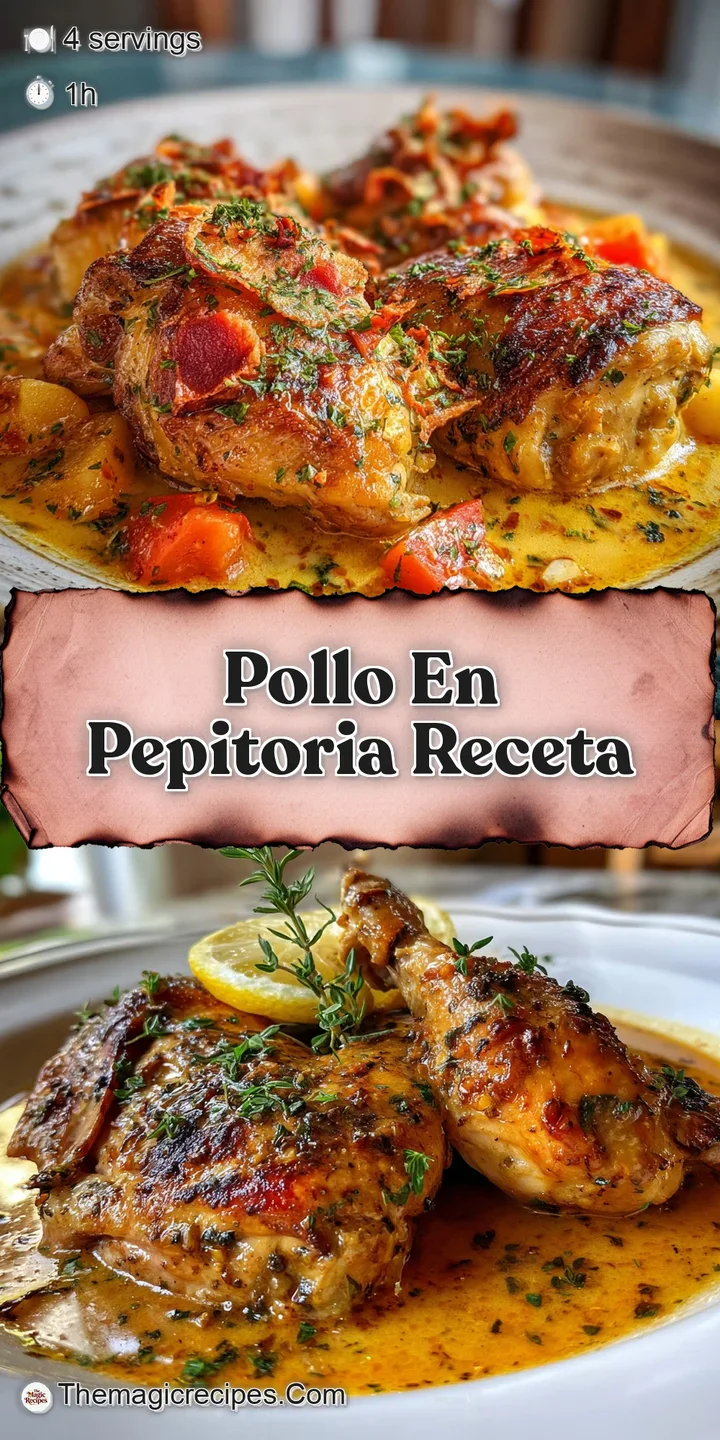
Pollo en Pepitoria Recipe FAQs
What are the primary ingredients in Pollo en Pepitoria?
Chicken, almonds, saffron, and hard boiled eggs are essential. The dish requires chicken pieces braised in a sauce thickened using a "majado" paste made from ground toasted almonds, fried bread, and egg yolks.
What specific ingredients make up the traditional 'Pepitoria' sauce base?
Toasted Marcona almonds, stale sourdough bread, egg yolks, and saffron threads form the base. These are ground together with garlic and often bloomed in white wine or stock to create the signature rich, golden, nutty thickening agent.
What should I use to season the chicken for maximum flavor before cooking?
Season aggressively with salt and black pepper, then lightly dredge in flour. The flour aids in achieving a good exterior sear, which builds foundational flavor before the braising liquid is added.
How long should the chicken be left to cook when using the traditional stovetop method?
Simmer covered for approximately 30 minutes until tender. After returning the chicken to the pan with the stock and majado, maintain a very low simmer until the meat pulls easily from the bone and the sauce coats the back of a spoon.
Is it necessary to use bone-in chicken for this recipe?
No, but bone-in is highly recommended for superior flavor. The bones release collagen during the braise, contributing essential body and richness to the final sauce texture.
How do I achieve the correct velvety texture in the sauce?
Ensure the egg yolks are fully incorporated and the heat remains low during the final simmer. The yolks act as the primary emulsifier; rapid boiling will cause the emulsion to break and the sauce to separate.
Can I substitute the Marcona almonds with other nuts?
Yes, you can substitute, but the flavor profile will shift. Use blanched regular almonds, though you may need to add a touch of butter or cream to mimic the richness of the high oil Marcona variety.
Pollo En Pepitoria Recipe
Ingredients:
Instructions:
Nutrition Facts:
| Calories | 637 kcal |
|---|---|
| Protein | 48.2 g |
| Fat | 36.4 g |
| Carbs | 17.8 g |
| Fiber | 2.9 g |
| Sugar | 3.6 g |
| Sodium | 785 mg |
