Chai Latte Concentrate: the Proper Masala Brew (Authentic Recipe)

- Ditch the Syrup: Building the Ultimate Homemade Chai Latte Concentrate
- The Science of Spice: Why This Masala Chai Recipe Triumphs
- Essential Elements: Spices, Tea, and Sweeteners
- The Proper Brew Method: Creating Your Chai Concentrate
- From Concentrate to Cup: Preparing the Perfect Chai Latte
- Mastering the Brew: Expert Tips for Flavor Depth
- Preserving the Perfection: Storing Your Concentrate
- Culinary Pairings and Creative Uses for Leftover Chai
- Recipe FAQs: The Proper Masala Chai Concentrate
- 📝 Recipe Card
Ditch the Syrup: Building the Ultimate Homemade Chai Latte Concentrate
When that cool air hits, or honestly, just when Tuesday is being particularly Tuesday , nothing beats the warmth of a great chai. The aroma alone is enough to stop you in your tracks: spicy, sweet, and comforting like a heavy blanket fresh from the dryer.
That intense cloud of cardamom and cinnamon steam curling up from your mug is pure heaven.
Forget those expensive, sugary store-bought pumps or powders that taste vaguely like spiced floor cleaner. Learning how to make a proper chai latte at home is not only incredibly fast, but it saves you a shocking amount of money.
Seriously, this concentrate recipe is your secret weapon for incredible morning lattes without the bank balance meltdown.
This isn't just a recipe; this is the master blueprint for flavor depth and efficiency. We are making a powerful concentrate base today, which means you can have a killer chai latte in less than two minutes flat all week long. Let’s ditch the weak tea and crack on with the good stuff.
The Science of Spice: Why This Masala Chai Recipe Triumphs
Defining "Masala Chai": More Than Just Tea
"Chai" simply means tea in Hindi, so when you order a "Chai Tea," you're technically asking for "Tea Tea" oops. Masala Chai literally translates to "Spiced Tea." It's traditionally made by simmering black tea leaves directly with milk, water, and a robust blend of aromatic spices and sweeteners.
Our method uses a concentrated liquid base to maintain maximum flavor potency and speed up daily assembly.
Why We Use a Concentrate Base for Efficiency and Flavor
We use a concentrate because efficiency matters when you are still half asleep. Creating a rich concentrate allows for a much longer extraction period for the whole spices than if you tried to brew it cup-by-cup. This means deeper, more complex notes in every single sip.
It’s the flavor shortcut we all need.
Difficulty and Prep Time Overview
This recipe is genuinely easy. It takes about 5 minutes of active chopping and crushing, and then the stove does all the heavy lifting. Total time from starting to having a fully cooled, ready-to-use concentrate is under 40 minutes.
You’ll be stunned by how simple this process actually is.
The Crucial Technique of Gently Bruising Whole Spices
This is maybe the single most important step you can't skip. You need to lightly crush or "bruise" the cardamom pods, peppercorns, and cloves using a mortar and pestle or the flat side of a knife. Don't pulverize them into powder.
The goal is just to crack them open enough to allow the volatile oils to escape during the simmer. If you skip this, your concentrate will taste muted, promise.
The Importance of a Long, Slow Simmer (The Extraction Phase)
We simmer the spices in water for a full 15 minutes before adding the tea. This long extraction phase is absolutely crucial for drawing out deep, earthy flavors from the hardier spices like cinnamon and ginger.
I once rushed this, simmering for only 5 minutes, and the resulting chai tasted like weak, slightly spiced brown water. Lesson learned: Patience equals flavor payoff.
Balancing Tannins and Tea Strength with Milk Fat
Black tea contains tannins, and if you steep it too long, it turns bitter and dry the opposite of cozy. We only steep the black tea for 4 minutes off the heat to extract maximum color and caffeine without the astringency.
When you finally mix this concentrate with whole milk (or a high fat alternative like Oat Milk), the milk fat coats your tongue, masking any residual bitterness and providing that velvety mouthfeel.
Essential Elements: Spices, Tea, and Sweeteners
The Core Masala Spice Blend (Cardamom, Ginger, Cinnamon)
The holy trinity of chai spices provides the essential warmth and complexity. Fresh ginger is non-negotiable here; its sharp, citrusy heat is far superior to dried powder. If your spices are more than a year old, they are probably dead. Get new ones!
| Ingredient | Why it's essential | Viable Substitute |
|---|---|---|
| Green Cardamom Pods | Floral, citrusy perfume. | 1/2 tsp ground cardamom (use only in a pinch!). |
| Fresh Ginger | Sharp, necessary heat and freshness. | 1 tsp ground ginger + a small splash of orange zest. |
| Cinnamon Sticks | Earthy warmth and sweetness. | 1/2 tsp ground cinnamon (add at the end to prevent bitterness). |
Choosing the Right Black Tea Base (Assam vs. Darjeeling)
You need a strong, malty tea that can stand up to the spices without getting bullied. I always prefer a strong Assam loose leaf tea for its rich, robust, and slightly caramel notes. Darjeeling is a popular, lighter option if you prefer something less aggressive.
Chef’s Note: Do not use tea bags for the concentrate! Tea bag dust (fannings) release tannins much faster and will make your entire batch bitter within two minutes of steeping. Use quality loose leaf.
Sweetener Showdown: How to Choose Your Ideal Sugar
We use packed brown sugar in this recipe because it adds depth and a lovely molasses note that complements the spices perfectly. But maybe you’re avoiding refined sugar no problem!
- Substitute Brown Sugar with: Maple syrup, honey, or agave are all fantastic options at a 1:1 ratio.
- For Keto/sugar-free: Monk fruit or erythritol sweeteners work great, but add them after the initial simmer and taste incrementally, as the concentrate flavor intensifies as it cools.
Dairy and Non-Dairy Milk Pairing Notes for Creaminess
Whole milk reigns supreme for the ultimate creamy latte texture and steaming capability. But if you’re plant based, choose wisely! Barista style oat milk is seriously the best for frothing and provides a neutral, slightly sweet background.
Almond milk is thinner but works fine; just don't expect the same rich foam.
The Proper Brew Method: Creating Your Chai Concentrate
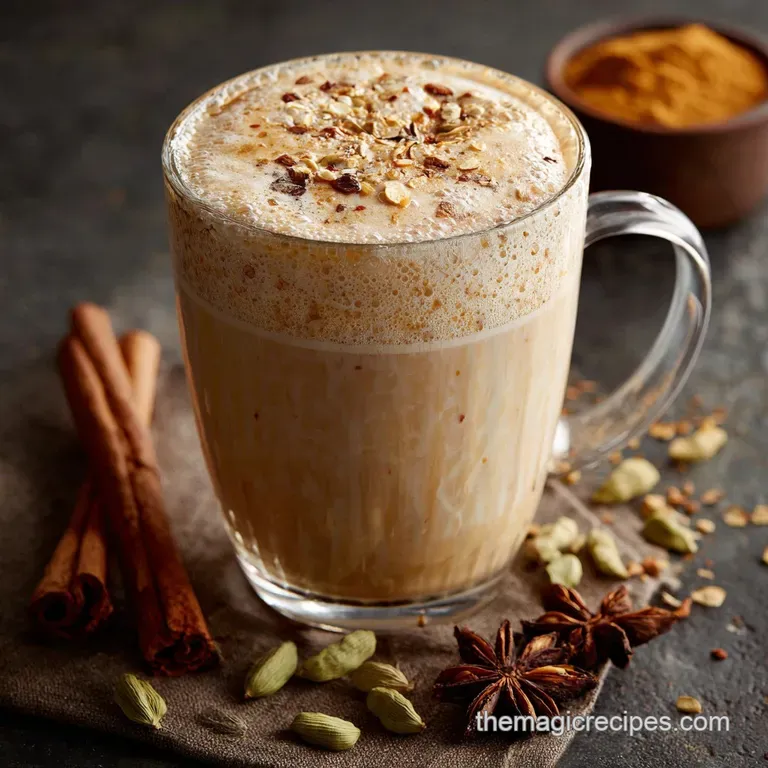
It’s about intentional steps here, friend. We are layering flavor, not just dumping ingredients into a pot. Follow these steps exactly, and you will have liquid gold.
From Concentrate to Cup: Preparing the Perfect Chai Latte
Step 1: Toasting and Activating the Whole Spices
Get your saucepan ready, but keep the heat low to medium. Gently crush your cardamom, peppercorns, and cloves remember, just open them up. Add the crushed spices and cinnamon sticks to the dry pot and toast for two or three minutes, stirring constantly.
You’re looking for a nutty, intense aroma, not smoke.
Step 2: Steep and Simmer Extracting Maximum Flavor
Pour in the 2 cups of filtered water and the brown sugar. Bring the mixture to a rolling boil, then immediately turn the heat down to a gentle simmer. This is the patience part: Let it simmer uncovered for 15 minutes .
The liquid should reduce slightly, concentrating all those amazing spice flavors.
Step 3: Adding the Black Tea and Final Infusion
Remove the saucepan from the heat completely. Stir in the 4 tablespoons of loose leaf black tea. Cover the pot and let it steep for exactly 4 minutes . Set a timer! My greatest kitchen mistake was forgetting about steeping tea; bitterness is a cruel mistress.
Step 4: The Crucial Strain and Cooling Process
Carefully pour the liquid through a fine mesh sieve into a clean jar or container. I like to gently press the solids with the back of a spoon to squeeze out every last drop of goodness. Discard the spent spices and tea.
Allow the finished concentrate to cool completely before putting a lid on it and storing it in the fridge.
The Golden Ratio: Mixing Concentrate to Steamed Milk
The beauty of a concentrate is customizability, but I swear by the 1:1.5 ratio. That means ½ cup of concentrate to ¾ cup of milk . This balance ensures you get maximum flavor punch without the drink being too watery or overwhelmingly sweet.
Techniques for Velvety Steamed Milk (Without a Machine)
No fancy espresso machine? No excuses! Heat your milk gently on the stove until just steaming don't let it boil over. You can use an immersion blender for 10 seconds, or just pour the warm milk into a jar, seal it tightly, and shake vigorously for 30 seconds.
This creates that lovely, slightly velvety foam layer we all crave.
Mastering the Brew: Expert Tips for Flavor Depth
- Roast Your Spices: Don't skip the dry-roasting step! It awakens the dormant oils in the spices, providing a much deeper, warmer flavor profile.
- Use Filtered Water: Tap water often contains minerals or chlorine that can subtly mess with the delicate flavor of the tea and spices. Good water makes a difference.
Preserving the Perfection: Storing Your Concentrate
Troubleshooting: Why Your Chai Tastes Bitter
If your chai is bitter, you over steeped the tea. That’s the most likely culprit. Solution: Next time, strictly adhere to the 4 minute steep time. If your existing batch is bitter, you might mask it slightly by adding a pinch of salt or a little more sugar when assembling the latte.
Salt surprisingly cuts bitterness beautifully.
Adjusting Spice Intensity and Heat Levels to Taste
If you want a stronger ginger bite, add an extra half inch of sliced ginger during the simmer. If you want it less intense, simply reduce the peppercorns and cloves slightly. I often add a sliver of vanilla bean to the simmer for a richer dessert like quality.
Using Fresh Ginger vs. Dried Ginger Powder
Always, always use fresh ginger. Dried ginger powder doesn't offer the same bright, volatile flavor compounds that fresh ginger provides. Using powder results in a flat, almost dusty flavor. Save the powder for baking, okay?
Refrigeration Lifespan and Airtight Containers
Once fully cooled, store your concentrate in an airtight jar (like a mason jar) in the refrigerator. It is perfectly good for up to 7 days . After that, the flavors start to diminish, and it’s best to brew a new batch.
Can You Freeze Chai Concentrate Safely?
Yes, you can absolutely freeze chai concentrate! Pour the cooled liquid into freezer safe containers, leaving about an inch of headspace for expansion. It will maintain peak quality for about 3 months. This is perfect for batch preparation.
Reheating Safely Without Compromising Spice Notes
To reheat frozen concentrate, let it thaw in the fridge first. When you’re ready for a latte, heat the concentrate gently in a small saucepan over low heat or briefly microwave it until steaming.
Never boil the concentrate aggressively when reheating, as this can dull the spice notes and make the liquid taste "cooked."
Culinary Pairings and Creative Uses for Leftover Chai
This concentrate is so versatile! Try blending a splash into your morning oatmeal for a spiced breakfast kick. You can even use a tablespoon in homemade whipped cream for a subtle, unexpected dessert topping.
For a perfect pairing, serve your homemade chai latte with something simple like shortbread cookies or a warm, plain scone. The spices cut through the richness wonderfully.
Recipe FAQs: The Proper Masala Chai Concentrate
How long does the Masala Chai Concentrate last, and how should I store it?
The concentrate should be stored in an airtight glass container (like a mason jar) in the refrigerator immediately after cooling completely. Properly stored, it will maintain its quality and flavour complexity for up to 7 to 10 days.
Always smell the concentrate before use; if it smells sour or fermented, discard it immediately.
My concentrate tastes weak or watery. How can I boost the spice flavor?
The key to deep flavour is ensuring you gently bruise or crush the whole spices (cardamom, star anise, peppercorns) before placing them in the simmering water. To intensify flavour further, try increasing the simmering time from 15 minutes to 20-25 minutes, allowing more water to evaporate and concentrating the essence.
You must also ensure you are using high-quality, fresh loose black tea leaves.
Can I use this concentrate to make a dairy-free or vegan Chai Latte?
Absolutely. When preparing the final latte, use rich, full bodied plant milks like oat milk (a barista blend works best) or soy milk, as they mimic the creaminess of whole dairy milk best.
Avoid overly watery options like rice or very low-fat almond milk, which can dilute the strong, complex spice profile of the concentrate.
I prefer less sugar. Can I reduce the amount, or use an alternative sweetener?
The amount of sweetener (whether brown sugar or jaggery) is entirely adjustable based on personal preference; you can reduce it by half without harming the recipe structure or preservation.
For substitution, use a liquid sweetener like maple syrup or agave, ensuring you taste and adjust for desired sweetness after the spices have fully steeped. If using stevia or monk fruit, add them directly to your final serving rather than the bulk concentrate.
What type of dairy milk is best to use for the final latte?
For the most authentic and velvety mouthfeel, whole milk (3.25% fat) or half and-half (for an extra indulgent brew) is highly recommended. The higher fat content provides excellent texture when steamed and helps balance the bitterness of the black tea and the intensity of the spices, resulting in a smoother latte finish.
Skim or low-fat milk tends to taste watery and less rich.
Sometimes my milk seems to curdle when I add the cold concentrate. Why does this happen?
Curdling often occurs due to thermal shock or acidity, especially when adding very cold concentrate to hot, delicate milks (like lower fat dairy or certain plant milks). To prevent this, try to slightly warm the concentrate for 30 seconds before combining it with the hot milk.
Alternatively, temper the milk by stirring a spoonful of it into the concentrate before combining the rest of the mixture.
I only have ground spices, not whole spices. Can I still use them?
While whole spices are strongly recommended for the freshest, deepest flavour complexity, you can substitute ground spices in a pinch. Use about 1/3 less than the whole spice measurement, as ground spices are much more potent.
To prevent the concentrate from becoming murky or bitter, only add the ground spices during the last 5 minutes of the simmering process.
Proper Masala Chai Latte Concentrate Recipe

Ingredients:
Instructions:
Nutrition Facts:
| Calories | 141 kcal |
|---|---|
| Protein | 2.2 g |
| Fat | 0.9 g |
| Carbs | 26.3 g |
