Cheesesteak: Authentic Ribeye Provolone Recipe Done Right
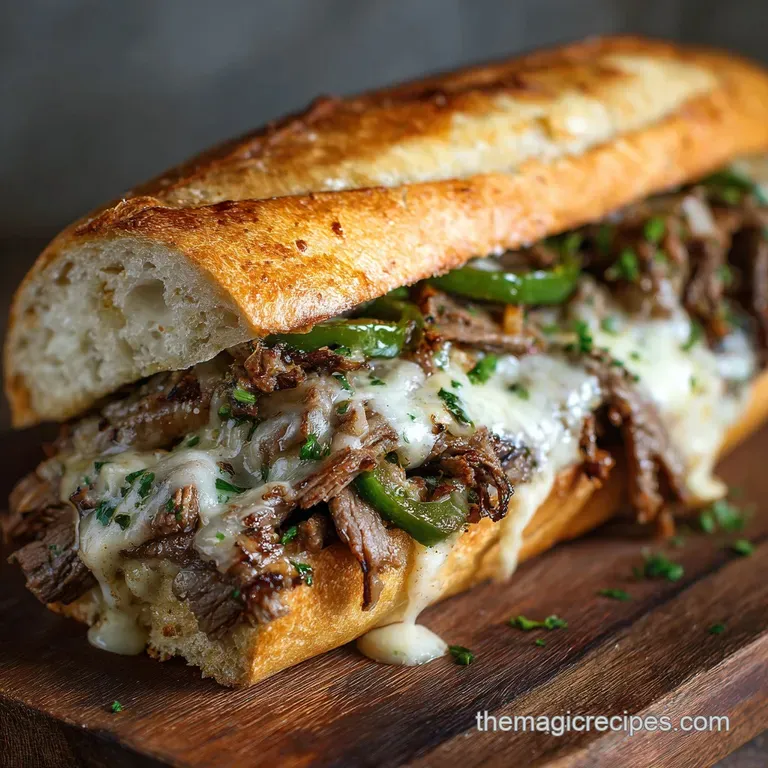
- Unlocking the Secret to the Authentic Cheesesteak
- Culinary Science: Why Ribeye and Provolone Are Non-Negotiable
- Essential Components: Sourcing and Preparing Your Cheesesteak Ingredients
- The Master Method: Assembling Your Ultimate Cheesesteak
- Troubleshooting Your Cook: Expert Tips for a Flawless Cheesesteak
- Practical Guide to Storing Leftover Cheesesteak Components
- Completing the Meal: What to Serve Alongside Your Homemade Cheesesteak
- Recipe FAQs
- 📝 Recipe Card
Unlocking the Secret to the Authentic Cheesesteak
I smell a Cheesesteak, and instantly, the world stops spinning. That incredibly rich aroma of sweet, deeply caramelized onions mixing with sizzling, sharp Provolone is pure culinary gold, right?
When you finally pick up that roll and the crust gives way to that tender, cheesy filling, you realize this isn't just a sandwich. It’s an experience.
Honestly, a lot of people overcomplicate or cheap out on the core components, which is a tragedy. This famous Philly staple should never feel fussy; it’s meant to be fast, deliciously messy, and the ultimate weeknight hero when you just need maximum flavour payoff.
You can whip this up faster than ordering takeout, trust me.
I’ve made all the classic mistakes (like steaming the meat instead of searing it) so you don't have to. We are locking down the proper method today, focusing purely on perfect technique and the three core ingredients needed to nail this iconic homemade Cheesesteak. Let's crack on.
Culinary Science: Why Ribeye and Provolone Are Non-Negotiable
The History of the Iconic Philly Street Food
This sandwich isn't just food; it’s a piece of working class history, born right out of Philadelphia. It started simple: grilled meat and onions on a roll. The cheese came later, thankfully. We owe a debt of gratitude to the people who kept it real and resisted the urge to add fussy ingredients.
Defining the Three Pillars of a Perfect Sandwich
A perfect Cheesesteak rests on three non-negotiable pillars: the cut of meat, the onions, and the roll. We must use highly marbled, chilled Ribeye for maximum flavour and tenderness. The onions must be caramelized, not just sautéed.
And finally, the roll must be substantial enough to contain the glorious, melted chaos without turning into mush.
Equipment Checklist: What You Need Before You Start
You don’t need a massive commercial flat top griddle to make this work, but a heavy bottomed cast iron skillet or a large electric griddle is crucial. High heat is your best friend here. Grab two sturdy metal spatulas, too; they are key for chopping and scraping the steak mixture later.
The Maillard Reaction: Achieving Maximum Steak Sizzle
This is the science part, and it’s why people fail so often. If you crowd your pan or use low heat, your shaved ribeye will release water and steam itself no good! We want high heat and a thin layer of meat to encourage the Maillard reaction, resulting in those beautiful brown, crispy, flavour bomb edges.
Fat Content and Flavor Layering in the Cheesesteak
Ribeye is the king because of its fat marbling. That fat renders down in the pan, lending incredible flavour to the onions and creating the perfect cooking medium for the meat itself. We use neutral oil initially, then let the ribeye fat take over the flavour profile.
The Melting Point: Sharp Provolone vs. Other Cheeses
Sharp Provolone brings a necessary, tangy bite that cuts through the richness of the steak and the sweetness of the onions. Its low melting point means it gets beautifully gooey and drapes over the meat perfectly. If you try to use hard Cheddar or a low-fat cheese, you lose that essential texture and flavour contrast.
Essential Components: Sourcing and Preparing Your Cheesesteak Ingredients
Selecting and Thinly Slicing the Ribeye Steak
Seriously, don’t skip the freezer step. Take your trimmed, 1 lb Ribeye, and pop it into the freezer for about 15 to 20 minutes until the edges are firm but the center is still slightly pliable.
This allows you to slice it paper thin against the grain , creating the texture necessary for a proper Cheesesteak. A dull slice means chewy meat; don't do that to yourself.
Perfecting the Caramelized Onion Base
The onions are the sweet foundation that balances the whole sandwich. We’re talking low and slow cooking for a full 8 to 10 minutes until they are deeply golden and jammy, not transparent and watery.
Use a pinch of salt early on; it helps draw out the moisture, encouraging proper caramelisation.
Finding the Right Hoagie Roll: Structure and Softness
The roll must be sturdy enough to handle the filling but soft enough inside to squish pleasantly when you bite it. Traditionalists swear by Amoroso rolls, but any high-quality sub or hoagie roll with a light, slightly chewy crust will work.
A dry, crusty baguette is a fail; it will slice the roof of your mouth.
| Ingredient | Role in Cheesesteak | Viable Substitution |
|---|---|---|
| Ribeye Steak | Essential marbling and tenderness. | Use Skirt Steak or finely trimmed Sirloin. |
| Sharp Provolone | Tangy contrast and supreme melt. | American Cheese (for maximum creaminess) or White Cheddar/Mozzarella blend. |
| Canola/Veg Oil | over High heat searing fat. | Ghee or clarified butter for a richer, nutty flavour. |
| Hoagie Rolls | Sturdy, soft vessel. | high-quality Italian or French submarine rolls. |
The Master Method: Assembling Your Ultimate Cheesesteak
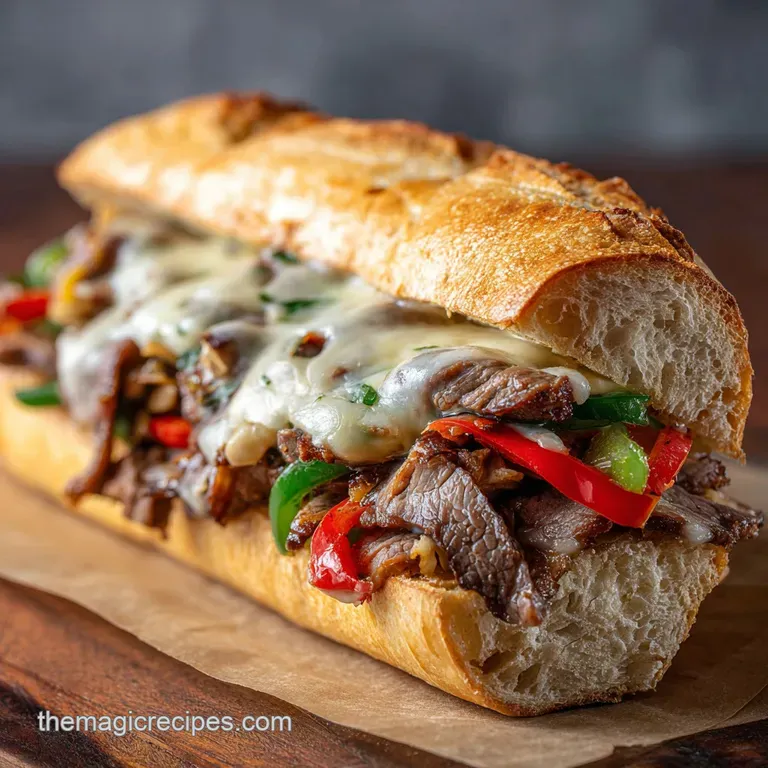
Phase I: Low and Slow Onion Caramelization
Heat 1 Tbsp of neutral oil in your large skillet over medium low heat. Add your thinly sliced onions and a small pinch of salt. Cook, stirring occasionally, until they shrink down and turn a rich, deep golden brown (about 8– 10 minutes). They need that sweetness.
Remove them and set them aside immediately.
Phase II: High Heat Searing the Sliced Ribeye
Wipe your skillet clean, then crank the heat up to medium high. Add the remaining 1 Tbsp of oil. Once shimmering, add the shaved ribeye slices, making sure not to overcrowd the pan. Season the meat generously right away with salt and pepper.
Chef’s Note: You are searing, not stirring yet. Let it sit for 60 seconds to develop those crispy brown edges before you flip.
Phase III: The Crucial 'Chopping and Combining' Technique
Cook the steak for just 1 to 2 minutes total; it cooks lightning fast because it’s so thin. Now, use your two metal spatulas to roughly chop the steak into smaller, irregular pieces right there in the pan.
Once the meat is just cooked through (no pink), return the sweet caramelized onions to the pan and toss everything together quickly to combine the flavours.
Phase IV: Melting the Sharp Provolone Into the Filling
Divide the combined meat and onion mixture into four equal piles in the skillet. Immediately lay 2 slices of sharp Provolone (or sprinkle the grated cheese) over each pile. Cover the skillet quickly with a lid or inverted metal bowl for 30 60 seconds.
The trapped steam will melt that Provolone into an irresistible, gooey blanket. Scoop the entire, messy pile directly into your waiting toasted hoagie roll. Serve immediately before you can take a decent photo.
Troubleshooting Your Cook: Expert Tips for a Flawless Cheesesteak
Avoiding a Soggy Roll: The Toasting Solution
This is where I failed on my first five attempts, seriously. An untoasted roll instantly absorbs the steak fat and cheese juices and turns into a sad, pulpy mess. Always toast your rolls!
Spread a thin layer of butter or oil inside and place them cut-side down on the skillet for 1 minute until lightly golden brown and firm.
The Common Mistake of Overcrowding the Pan
I know you want to cook all the meat at once, but if you put too much shaved Ribeye into the pan at the same time, the temperature drops dramatically. The meat will steam in its own moisture instead of searing, turning grey and tough. Work in batches if you must; it’s worth the extra minute.
Prepping the Steak Ahead: The Freezing Trick
If you are slicing the Ribeye earlier in the day, place the sliced portions into freezer bags, pressing them flat. They will stay perfectly thin and ready to sear later. The slight chill helps them separate beautifully when they hit the hot oil.
Practical Guide to Storing Leftover Cheesesteak Components
Reheating Steak Filling vs. Assembled Sandwiches
The assembled Cheesesteak sandwich is a one and done item; reheating it in the microwave yields a sad, chewy roll and rubbery meat. However, the leftover filling (steak and onions combined) reheats beautifully. Store the filling in an airtight container in the fridge.
Maximizing Freshness: How Long Does the Filling Last?
The cooked Ribeye and onion filling will last safely for 3 to 4 days in the refrigerator. When reheating, place it back into a hot skillet with a tiny splash of oil, spreading it out to heat quickly, and then top with fresh cheese slices.
Safe Freezing and Thawing Procedures for Ribeye
You can absolutely freeze the cooked filling. Transfer it to a sealed freezer bag, press all the air out, and lay it flat. It keeps well for up to three months. Thaw overnight in the fridge, then reheat as described above.
Completing the Meal: What to Serve Alongside Your Homemade Cheesesteak
This sandwich is intensely rich, so the best sides offer some crunch or acidity to balance everything out. A massive portion of crispy, thin cut French fries is a classic and reliable choice.
Alternatively, a sharp, vinegar based coleslaw or even some spicy pickled peppers on the side work wonders. They cut through the heavy cheese and fat. Grab an icy cold beer or an unsweetened iced tea, and you’re set for the ultimate comfort meal.
Recipe FAQs
What is the secret to slicing the Ribeye thin enough for an authentic Cheesesteak?
The key is to partially freeze the steak for about 30 to 45 minutes until it is very firm but not completely solid. This stiffening allows you to shave the meat extremely thinly against the grain using a sharp chef’s knife or a deli slicer.
Thinness ensures the steak cooks rapidly and remains tender on the griddle.
I only have a regular pan, not a flat top griddle. Will my Cheesesteak turn out okay?
Absolutely; a large, well seasoned cast iron skillet or a stainless steel flat bottomed pan works perfectly as a substitute. The essential technique is to heat the pan until it is screaming hot to ensure the steak sears quickly and avoids steaming, which is crucial for achieving a proper crust.
Which cheese is truly authentic Provolone, American, or Cheez Whiz?
All three are historically authentic and widely used in Philly. Sharp Provolone offers a more complex, tangy flavor and texture, while Cheez Whiz delivers the signature, unapologetically creamy mouthfeel. American cheese is a great middle ground, offering smooth meltability and mild flavor.
Why did my steak mixture turn out dry and chewy instead of moist?
Dryness is usually caused by overcooking the meat or cooking it at too low a temperature. Ensure your cooking surface is extremely hot so the thinly sliced steak cooks in 60 to 90 seconds.
To maintain moisture, incorporate a touch of fat and ensure the cheese is thoroughly melted into the steak before transferring it to the roll.
Can I prepare the steak and onion filling ahead of time or freeze the leftovers?
The cooked steak and onion mixture can be stored in the refrigerator for up to 2 days, and it reheats well on a hot griddle. However, freezing the cooked meat is not recommended as the thinly sliced steak tends to dry out and degrade in texture upon thawing. Always build the sandwich fresh for the best results.
I can’t find Ribeye steak. What other cuts of beef work for a Cheesesteak?
While Ribeye is the gold standard for its heavy marbling and rich flavor, Sirloin or Top Round are acceptable, economical alternatives. Since these cuts are leaner, you must add extra fat (like neutral oil or butter) to the pan while cooking to prevent the meat from becoming tough or dry.
How important is the type of bread roll? Can I use a standard sub roll?
The roll is critical for structural integrity; a proper Cheesesteak roll must be soft enough to compress and absorb the juices yet sturdy enough not to fall apart under the weight of the filling.
Traditional Italian style hoagie rolls, often labeled as Amoroso style, are highly recommended over typical supermarket sub rolls.
Proper Philly Cheesesteak Recipe
Ingredients:
Instructions:
Nutrition Facts:
| Calories | 475 kcal |
|---|---|
| Protein | 31.0 g |
| Fat | 25.0 g |
| Carbs | 29.0 g |
