Hot Sauce: Quick Cayenne Garlic Vinegar Recipe
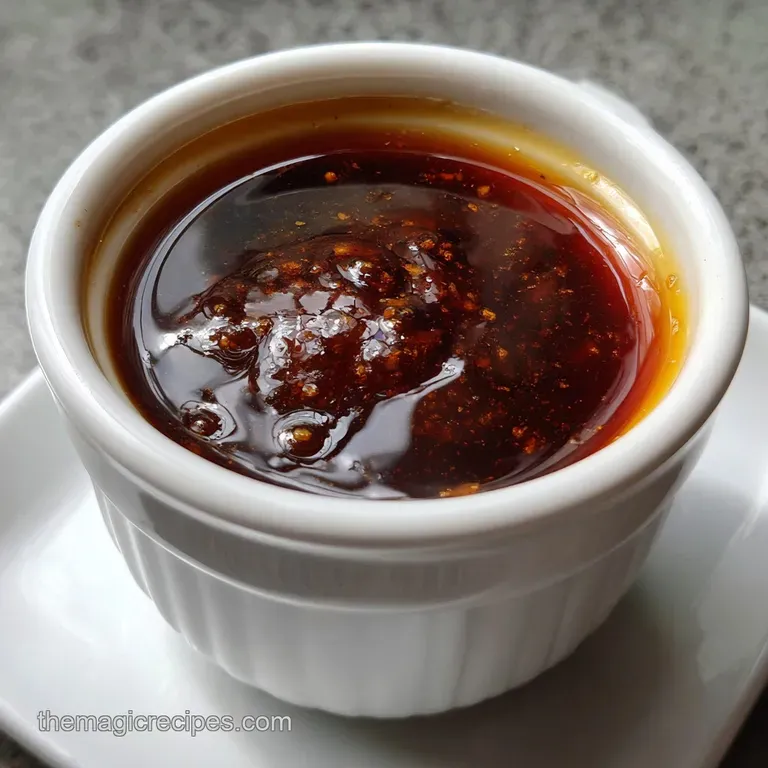
- Introducing the Brightest Homemade Hot Sauce: Quick, Vibrant, and Versatile
- Mastering the Balance: The Science Behind Great Hot Sauce Texture
- Essential Components for Your Cayenne Pepper Sauce
- Preparing Your Homemade Condiment: A 35 Minute Method
- Troubleshooting and Expert Tips for Perfect Consistency
- long-term Storage: Maximizing the Shelf Life of Your Sauce
- Recipe FAQs
- 📝 Recipe Card
Introducing the Brightest Homemade Hot Sauce: Quick, Vibrant, and Versatile
If there is one condiment I absolutely cannot live without, it’s a killer, freshly made hot sauce . Forget the bland, overly sweet stuff sitting on the grocery store shelf.
This bright, vibrant hot sauce recipe is the one I use every single week, and it’s so fast you’ll wonder why you ever bought a bottle before.
We are skipping the month long fermentation process here! This quick cook method gets you that professional grade, tangy, garlicky hot sauce in just 35 minutes of active kitchen time.
It’s perfect for the home cook who needs instant flavor gratification without the wait.
Ready to banish bland food forever? This is the easiest Homemade Hot Sauce you can make. The flavor is sharp, the heat is satisfying, and the vibrant red color makes everything on your plate look better. Let’s dive into how to make this truly essential hot sauce .
Mastering the Balance: The Science Behind Great Hot Sauce Texture
The Appeal of Quick Cook Vinegar Sauces
The reason this particular hot sauce works so beautifully is simple food science: control. Unlike fermented sauces that rely on slow microbial action, this method uses heat and acid to rapidly extract and preserve the pepper's flavor and color.
By simmering the vegetables until they are completely tender, we break down the tough cellulose fibers, making them easy to pulverize into a smooth liquid.
The Role of Simmering in Extracting Pepper Flavor
Simmering the peppers and aromatics (onion and garlic) in water and salt does two critical things: it softens everything up for blending, and it concentrates the flavor. As the liquid reduces slightly, the raw, aggressive edge of the cayenne disappears, leaving behind a deeper, sweeter pepper foundation.
You want to see the onions turn translucent; that’s your cue that the breakdown is working.
Why Vinegar is Key to Shelf Stability and Brightness
The vinegar is the absolute star of this Vinegar Hot Sauce Recipe . We add it after the simmering is complete and the mixture is off the heat. Why? If you cook vinegar aggressively, the acetic acid (which gives the sauce its tangy bite and its shelf life) evaporates.
By stirring it in at the end, we keep that sharp tang bright and preserve the low pH, which makes this hot sauce refrigerator stable for months. It acts like a preservation superhero!
Essential Components for Your Cayenne Pepper Sauce
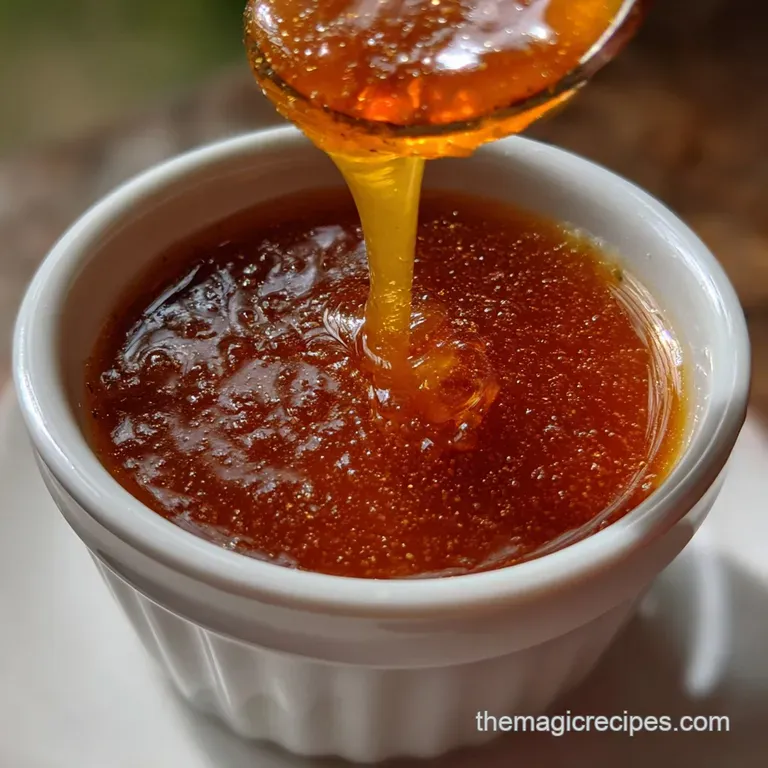
This list is short, powerful, and built for flavor. Use this table for the exact quantities you need to make this stellar Cayenne Garlic Hot Sauce .
| Group | Ingredient | US (Volume) | Why It Matters | Substitute if Needed |
|---|---|---|---|---|
| Heat Base | Red Cayenne Peppers (Stemmed) | 8 oz (250 g) | Provides classic heat and brilliant red color. Keep seeds/membranes! | Substitute 50% with Habanero for higher heat, or use Jalapeño/Serrano for a milder outcome. |
| Aromatics | Yellow Onion (1 small) & 6 Garlic Cloves | 100 g & 20 g | Adds critical depth and balance. | Swap Yellow Onion for Shallots for a sweeter, more delicate base. |
| Liquid Base | White Distilled Vinegar (5% Acidity) | ¾ cup (175 mL) | Essential for shelf life and brightness. | Apple Cider Vinegar or Malt Vinegar will work, offering a softer, fruitier acid profile. |
| Balance | Filtered Water | ⅓ cup (75 mL) | Aids in simmering and achieving the initial liquid consistency. | Use low-sodium chicken broth for a deeper, umami flavor. |
| Seasoning | Fine Sea Salt & Granulated Sugar (Optional) | 1 tsp & 2 tsp | Salt extracts flavor; sugar balances the fierce tang of the vinegar. | Use maple syrup or honey instead of sugar for a slightly richer sweetness. |
Preparing Your Homemade Condiment: A 35 Minute Method
Seriously, this Quick Hot Sauce Recipe is almost too easy. Just remember your safety gear, and the rest is smooth sailing.
1. Prepping the Ingredients for Optimal Blending
Safety first: Put on your gloves! You are handling some serious heat, and pepper juice lingers. Roughly chop the 8 ounces of cayenne peppers, removing only the stems. Keep those seeds and membranes that’s where the power is. Roughly chop your onion and garlic as well.
2. The 20 Minute Simmering Process for Tenderization
In a medium saucepan, combine the chopped peppers, onion, garlic, water, salt, and sugar (if using). Bring this mixture up to a gentle boil over medium heat, and then immediately reduce the heat to low. Simmer the ingredients uncovered for 18– 20 minutes, stirring occasionally.
The sound should be a gentle, consistent bubbling, and the vegetables must look fully softened and slightly translucent. This is the heart of how to make hot sauce —it’s all about the simmer.
3. Introduce the Acid and Cool Slightly
Remove the saucepan from the heat completely. Immediately stir in the ¾ cup of white distilled vinegar. Now, step away. It is crucial that you allow the mixture to cool in the pan for 15– 20 minutes.
If you blend boiling hot ingredients, especially those volatile vinegar fumes, you risk eye and airway irritation, or worse, the blender lid exploding!
4. Achieving the Silky Smooth Strain (Optional)
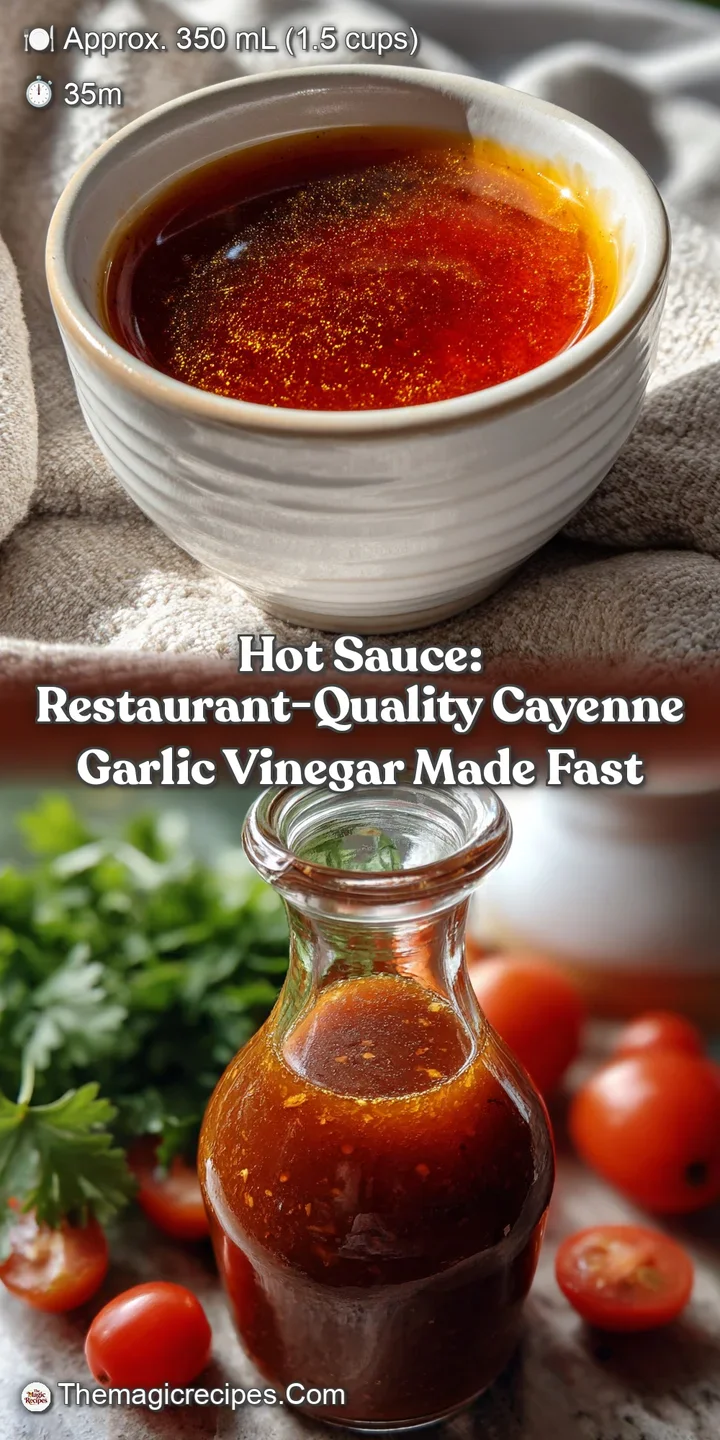
Transfer the entire contents of the saucepan liquid and solids to a high powered blender. Blend on high speed for 1– 2 minutes. You want the sauce to achieve a brilliant, uniform color and a texture that is thick and creamy, like a loose milk shake. For a thin, liquid hot sauce consistency (like the popular bottled brands), press the mixture through a fine mesh sieve, using a rubber spatula to push all the liquid through. Discard the remaining pepper pulp and seeds. If you prefer a rustic, thicker sauce (great on something like my Hot Dog Chili: The Slow Simmered Coney Sauce Recipe ), skip the straining step entirely!
5. Finalizing the PH Balance and Bottling the Liquid Gold
Taste your creation. Need a little more punch? Add a tiny splash of vinegar. If the heat is overwhelming, a pinch more sugar can help round it out. Using a funnel, pour your finished hot sauce into sterilized glass bottles. Store immediately.
Troubleshooting and Expert Tips for Perfect Consistency
Making an Easy Hot Sauce Recipe is pretty foolproof, but there are a few snags that beginners hit.
Essential Safety Precautions When Cooking Chiles
I cannot stress this enough: Wear the gloves. Pepper oil is not water soluble, and washing your hands afterward won't guarantee safety. Also, during the simmering and especially the blending phase, ensure your kitchen is well ventilated (open a window, turn on the fan).
That spicy pepper steam can feel like mace.
Avoiding a Watery or Thin Final Product
If your final sauce is too thin, it’s usually one of two issues: either you added too much water initially (which we didn’t do here!), or you strained it too aggressively. If you strained away too many solids, you have a couple of options:
- Try reducing the finished sauce very quickly on the stovetop (but this can dull the vinegar flavor).
- For the best fix, skip the straining next time, or hold back 1/4 of the blended solids and slowly add them back in until you reach your desired viscosity.
Handling Spice Level Fluctuations (Too Hot? Too Mild?)
If the sauce is too aggressive, the easiest way to tame it is fat or sugar. Whisking it into a creamy base like sour cream, or making a spicy aioli is an instant fix. For a storage solution, slowly add a bit more sugar or increase the amount of onion next time for better flavor buffering.
If it’s too mild, try swapping out half of the cayenne for a hotter pepper, like a blend of cayenne and habanero, next time you make this hot sauce .
long term Storage: Maximizing the Shelf Life of Your Sauce
Because this recipe contains a significant amount of white distilled vinegar, it has a wonderfully low pH the magic key to preservation. This is not strictly a Hot Sauce for Canning recipe, as it does not require a complex water bath process.
Proper Jarring and Sealing Techniques
Sterilization is key. Run your glass bottles through a sanitizing dishwasher cycle, or boil them in water for 10 minutes, ensuring the lids are also cleaned. Using a funnel, fill the bottles nearly to the top, seal them tightly, and refrigerate immediately.
Safe Room Temperature Storage Guidelines
Because we use a lower amount of vinegar than some commercial recipes, this sauce is not safe to store at room temperature once opened or stored long term. Refrigerate your bottles immediately after making them.
This hot sauce will last beautifully in the fridge for up to 6 months.
Beyond the Drizzle: Creative Uses for Cayenne Hot Sauce
This bright, tangy hot sauce is great on everything. Obviously, breakfast eggs love it, but try whisking it into a dip base (like the starting point for my Dill Dip Recipe: The Ultimate Creamy Fresh Dipping Sauce ) for an instant party appetizer upgrade. You can also use it to add a spicy kick to marinades or splash it onto simple chicken tacos. Honestly, if you love spice, this homemade hot sauce will become your number one staple.
Recipe FAQs
How long will this quick cook vinegar hot sauce last, and how should I store it?
Due to the high vinegar content (low pH), this hot sauce is highly shelf stable and can last 6 to 9 months when stored in a sealed glass bottle in the refrigerator. Always ensure your bottles are sterilized before filling to maximize preservation and quality, as unsterilized containers can introduce bacteria.
How can I adjust the consistency if my sauce is too thick or too thin?
If the sauce is too thick, simply whisk in one tablespoon of hot water or vinegar at a time until the desired flow is achieved. If it's too thin, you can simmer it uncovered for an extra 5-10 minutes to reduce the liquid, or incorporate 1/4 teaspoon of Xanthan gum while blending for immediate thickening.
I want a hotter sauce than cayenne peppers provide. What peppers can I substitute?
For a spicier version, try substituting Habanero or Scotch Bonnet peppers for half of the required cayenne quantity, keeping in mind this significantly increases the overall heat level.
Alternatively, you can introduce 1/4 teaspoon of high-quality pure chili powder (like ghost pepper) during the cooking stage to boost the spice.
My sauce tastes overwhelmingly vinegary. How can I balance the sharp tang?
The easiest way to counteract excessive acidity is by adding a small amount of sweetness; try blending in 1/2 teaspoon of brown sugar or maple syrup at a time until balanced. You can also incorporate a pinch more salt, as sodium helps mute the sour perception on the palate.
Why does this recipe require cooking the ingredients instead of just blending them raw?
Cooking the peppers and garlic in vinegar mellows the harsh, raw flavor of the ingredients and allows the flavors to integrate more smoothly into the liquid base. This process also ensures the sauce achieves a proper consistency by slightly softening the pepper skins, resulting in a silkier, fully emulsified final blend.
Should I remove the seeds and membranes before cooking the peppers?
Removing the seeds and inner white membranes (the pith) is optional but generally recommended if you prefer a less bitter and slightly milder sauce. The pith contains the highest concentration of capsaicin and can also introduce a slightly unpleasant fibrous texture if your blender is not high powered.
Can I use different types of vinegar besides white distilled vinegar?
Yes, you can experiment, but be mindful of the resulting flavor profile. Apple cider vinegar offers a fruitier, softer tang, while rice vinegar is much milder; however, always ensure the vinegar you choose has an acidity level of 5% or higher for safe storage and preservation.
Quick Cayenne Garlic Hot Sauce
Ingredients:
Instructions:
Nutrition Facts:
| Calories | 57 kcal |
|---|---|
| Protein | 2.0 g |
| Fat | 0.5 g |
| Carbs | 11.7 g |
