Udon Noodles: Umami Rich Stir Fry
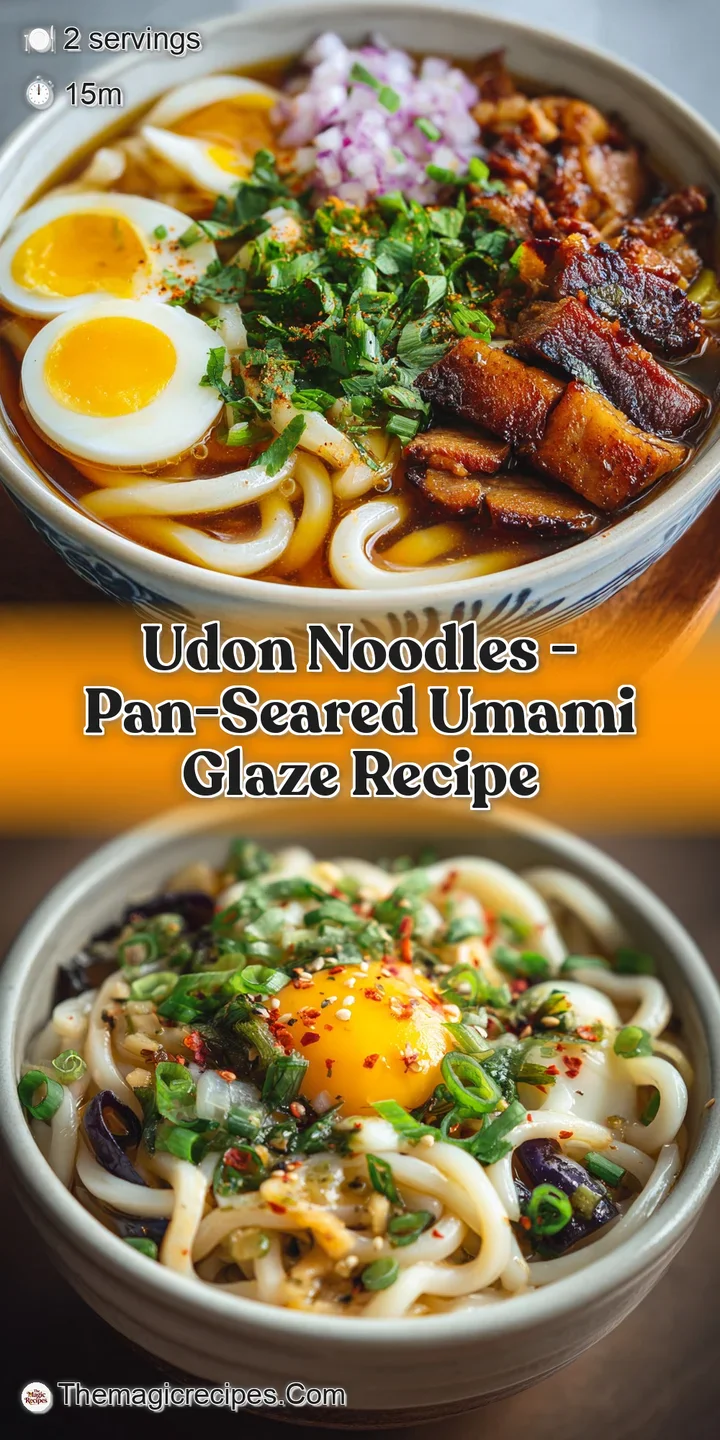
- Time: Active 10 mins, Passive 5 mins, Total 15 mins
- Flavor/Texture Hook: Slippery, velvety noodles with a savory sweet charred edge.
- Perfect for: High energy weeknight dinners or a bold, adventurous lunch.
- The Secret to Chewy and Bold Udon Noodles at Home
- The Physics of the Slurp
- Selecting Components for Ultimate Umami
- The Essential Shopping List
- Crucial Gear for over High heat Cooking
- Step by Step Instructions
- Avoiding Common Cooking Pitfalls
- Scaling for a Crowd or a Solo Meal
- Debunking Noodle Myths
- Storage and Zero Waste Strategies
- The Art of Color Balance and Garnish
- Critical in Sodium
- Recipe FAQs
- 📝 Recipe Card
The Secret to Chewy and Bold Udon Noodles at Home
Picture a cramped, steam filled alleyway in Shinjuku at midnight. The air is thick with the scent of toasted sesame and the rhythmic "clack clack" of metal spatulas hitting a seasoned wok. I spent a week there just watching how the pros handle these thick noodles, and I realized I had been doing it all wrong at home.
I was overboiling them into a sad, mushy mess when they really just need a quick wake up call and a over high heat sear.
The first time I got it right, the sizzle was aggressive and the aroma of ginger hitting the hot oil filled my kitchen in seconds. It's not about complex cooking; it's about the timing and the bold hit of dark soy sauce that stains the noodles a deep, mahogany brown.
If you've been craving that specific, bouncy texture that you only find in authentic shops, this is the technique you've been looking for.
Trust me, once you see how those 400g frozen udon (2 packs) transform from a frozen block into a glossy, velvety bowl of heaven, you'll never look at takeout the same way again. We're going for big flavors here, using 200g chicken breast thinly sliced across the grain to ensure every bite stays tender.
It's fast, it's loud, and it's exactly what your dinner rotation needs.
The Physics of the Slurp
Gluten Elasticity: Udon noodles are crafted with a high water to flour ratio, creating a dense, coiled gluten structure that provides a springy "koshi" or bite.
Maillard Reaction: The dark soy sauce contains complex sugars that caramelize instantly against the over high heat pan, creating a smoky depth known as "wok hei."
| Method | Time | Texture | Best For |
|---|---|---|---|
| Stovetop Stir Fry | 10 minutes | Chewy with charred edges | Bold, concentrated flavor and glossy glaze |
| Udon Soup | 12 minutes | Soft and silky | Comforting, light meals with dashi broth |
| Cold Dipping | 8 minutes | Very firm and bouncy | Hot summer days with a soy wasabi dip |
Choosing the right method depends on your mood, but for this specific Udon Noodles recipe, we are leaning heavily into the stovetop stir fry. The high heat is essential for preventing the vegetables from steaming, which is a common mistake that leads to a watery sauce.
Selecting Components for Ultimate Umami
| Component | Science Role | Pro Secret |
|---|---|---|
| Frozen Udon | Starch Gelatinization | These are flash frozen at peak chewiness; never overcook them in boiling water. |
| Dark Soy Sauce | Pigmentation & Body | It has a higher viscosity and sugar content, giving the noodles that iconic dark color. |
| Toasted Sesame Oil | Volatile Aromatics | The heat destroys its delicate flavor, so always swirl it in at the very last second. |
Maximizing Umami Synergies
When we combine 45 ml low sodium soy sauce with 15 ml oyster sauce, we aren't just adding salt; we are layering different types of glutamates. This creates a much more rounded, "savory" experience than using one sauce alone. Adding 10 ml mirin provides a subtle fermented sweetness that balances the saltiness and helps the sauce cling to the slippery surface of the noodles. This technique is very similar to what you'll find in a classic Chicken and Noodles Recipe, where the sauce consistency is everything.
The Essential Shopping List
To get this dish right, you need the right building blocks. Don't worry about hunting down niche brands, but do try to find the frozen packs of udon rather than the vacuum sealed shelf stable ones if you can.
- 400g frozen udon noodles (2 packs)Why this? Frozen noodles retain a much better "bounce" than shelf stable or dried versions.
- 200g chicken breastWhy this? Lean protein that cooks fast and absorbs the ginger garlic aromatics perfectly.
- 15 ml neutral oilWhy this? High smoke point is necessary for the searing phase.
- 2 cloves garlicWhy this? Thinly sliced garlic chips provide hits of pungent flavor without burning too fast.
- 1 inch fresh gingerWhy this? Grating it ensures the juice and fibers distribute evenly through the sauce.
- 45 ml low sodium soy sauce (Substitute: Tamari for gluten-free)
- 15 ml dark soy sauce (Substitute: Double the regular soy + 1 tsp brown sugar)
- 15 ml oyster sauce (Substitute: Vegetarian mushroom sauce)
- 10 ml mirin (Substitute: Dry sherry or white wine with a pinch of sugar)
- 5 ml toasted sesame oilWhy this? This is your finishing "perfume" that ties the whole dish together.
- 2 cups cabbage or bok choyWhy this? Provides a much needed crunch and freshness to cut through the salt.
- 3 green onionsWhy this? Added at the end for a sharp, bright contrast.
Crucial Gear for over High heat Cooking
You don't need a thousand dollar setup, but a few specific tools will make your life much easier when dealing with over high heat stir frys.
- A Carbon Steel Wok or Large Cast Iron Skillet: You need something that retains heat. If you use a thin non stick pan, the temperature will drop the second you add the chicken, and you'll end up boiling the meat in its own juices instead of searing it.
- A Microplane or Fine Grater: For that 1 inch of ginger. You want a paste like consistency so you don't bite into a woody chunk of ginger mid meal.
- Long Kitchen Tongs: These are non negotiable for tossing 400g of slippery noodles. Chopsticks work if you're a pro, but tongs give you the leverage to lift and rotate the heavy noodles.
step-by-step Instructions
Hydrating the Noodles
Place the 400g frozen udon in a large bowl and cover with boiling water. Let them sit for 1 to 2 minutes until the strands naturally loosen. Note: Do not stir aggressively or you will snap the noodles; let the heat do the work.
Preparing the Aromatics
Thinly slice the 2 cloves of garlic and grate the 1 inch of ginger. Note: Having this ready is vital because the actual cooking happens in a flash.
Whisking the Sauce
In a small jar, combine 45 ml low sodium soy sauce, 15 ml dark soy sauce, 15 ml oyster sauce, and 10 ml mirin. Note: Whisking beforehand prevents the soy from burning while you're hunting for other ingredients.
Searing the Protein
Heat 15 ml neutral oil in your wok over high heat until it starts to shimmer and smoke slightly. Add the 200g sliced chicken breast in a single layer.
Developing Flavor
Cook the chicken for 2 minutes until the edges are golden and crisp. Toss in the garlic and ginger, stirring for 30 seconds until the aroma hits you.
Blistering the Vegetables
Add the 2 cups of chopped cabbage or bok choy. Stir fry for 1 minute until the leaves wilt but the stems remain crunchy.
Introducing the Noodles
Drain the udon and add them directly to the pan. Use your tongs to spread them out and let them make contact with the hot surface for 30 seconds.
Emulsifying the Glaze
Pour the sauce mixture over the noodles. Toss constantly for 2 minutes until the sauce thickens and coats every strand in a dark, glossy lacquer.
Finishing the Dish
Turn off the heat. Add the 3 green onions and drizzle with 5 ml toasted sesame oil. Toss one final time to combine.
Serving
Divide into two bowls and serve immediately while the steam is still rising and the noodles are at their springiest.
Avoiding Common Cooking Pitfalls
The biggest mistake people make with udon is treating them like Italian pasta. If you boil them for 8 minutes, they will lose all their structural integrity and turn into a gummy paste the second they hit the stir fry sauce. Think of the hot water soak as a "thaw" rather than a "cook."
Preventing Mushy Noodles
If your noodles feel soft or limp, you likely left them in the hot water too long. Next time, pull them out while they still have a slight "tug" in the center. They will finish cooking in the pan with the sauce.
Achieving "Wok Hei" on a Home Stove
Most home burners don't get hot enough to create that smoky char. The trick is to let the pan get screaming hot before adding the oil, and then don't crowd the pan. If you're doubling the recipe, cook in two separate batches.
| Problem | Root Cause | Solution |
|---|---|---|
| Noodles Breaking | Stirring while frozen | Let them soak in hot water until they naturally unravel before touching them. |
| Sauce is Too Salty | Using regular soy instead of low sodium | Balance with a teaspoon of brown sugar or a splash of water. |
| Watery Stir fry | Overcrowding the pan | Cook the chicken and vegetables in batches to maintain high heat. |
Common Mistakes Checklist
- ✓ Never boil frozen udon; a simple hot water soak prevents overcooking.
- ✓ Pat the chicken dry with a paper towel before searing to get a better crust.
- ✓ Slice your garlic thinly rather than mincing it to prevent it from burning in the high heat.
- ✓ Add the sesame oil only after the heat is off to preserve its bold, nutty aroma.
- ✓ Ensure the wok is "dancing" hot before the oil goes in.
Scaling for a Crowd or a Solo Meal
If you're cooking for one, simply halve everything, but keep the 15 ml of oil the same to ensure the pan stays well lubricated. When scaling up for 4 people (800g of noodles), do not try to cook it all in one go. A standard home wok cannot handle that much mass without the temperature plummeting.
For a larger group, I recommend prepping all the ingredients and cooking two separate 2 serving batches. It only takes 10 minutes per batch, and the quality will be infinitely better. If you’re looking for other bold flavors to round out a feast, consider looking into a Recetas Japonesas recipe for a side dish that complements the savory profile of the udon.
Debunking Noodle Myths
One myth I hear often is that you need a specialized "udon sauce." In reality, the best sauces are built from the basic staples we used: soy, mirin, and oyster sauce. You don't need a pre mixed bottle that’s full of preservatives when you can control the salt and sugar levels yourself.
Another misconception is that fresh udon is always superior to frozen. Surprisingly, many high end ramen and udon shops in Japan use high-quality frozen noodles because the flash freezing process locks in the moisture and starch levels perfectly.
Unless you are making them from scratch by hand (which involves a lot of kneading with your feet really!), frozen is actually your best bet for that restaurant style bounce.
Storage and Zero Waste Strategies
Storage: These noodles are best eaten immediately. However, if you have leftovers, they will keep in an airtight container in the fridge for up to 3 days. The noodles will soak up the sauce over time, so they might be a bit softer when reheated.
Freezing: I don't recommend freezing the finished dish, as the vegetables will turn to mush and the chicken will become rubbery. Since the noodles start frozen anyway, just make what you need!
Zero Waste: Don't throw away those broccoli stalks or the white parts of the green onions. Thinly slice the broccoli stalks and toss them in with the cabbage for extra crunch. If you have leftover ginger, peel it and freeze it; it's actually easier to grate when it's rock solid!
The Art of Color Balance and Garnish
In Japanese cooking, we eat with our eyes first. A bowl of brown noodles can look a bit dull, so we use the "Rule of Three" for garnishing. We want three distinct color accents added at specific times to make the dish pop.
- Vibrant Emerald (Green Onions): Add the 3 green onions (2 inch batons) at the very last second. This ensures they stay bright green and snappy rather than turning a murky olive color.
- Toasted Gold (Sesame Seeds): Sprinkle toasted white or black sesame seeds over the top right before serving. This adds a tiny "shatter" of texture and a visual contrast against the dark sauce.
- Crimson Heat (Togarashi or Chili Flakes): A dusting of Shichimi Togarashi (Japanese seven spice) or standard red chili flakes adds a beautiful red fleck and a gentle hum of heat that cuts through the rich oyster sauce.
By focusing on these final touches, you turn a quick stir fry into a bold, presentation ready meal. If you want to dive deeper into these flavor profiles, you might enjoy exploring more Japanese inspired dishes that use similar glaze techniques. Now, get that wok hot and let’s get cooking!
Critical in Sodium
1480 mg mg of sodium per serving (64% of daily value)
The American Heart Association recommends limiting sodium intake to about 2,300mg per day for overall cardiovascular health.
Tips to Reduce Sodium in Your Udon Noodle Dish
-
Reduce Soy Sauce-25%
The largest source of sodium is the soy sauce. Reduce the amount of both low-sodium and dark soy sauce by half. You can always add more at the table, but start with less to control the sodium content. Consider using a sodium free soy sauce alternative for an even greater reduction.
-
Omit Oyster Sauce-20%
Oyster sauce is another significant source of sodium. Try replacing it with a mixture of 1/2 teaspoon of cornstarch mixed with 1 teaspoon of molasses for a similar sweetness and thickening effect. This will drastically reduce the sodium content.
-
Choose Sodium Free Noodles-15%
Frozen udon noodles can sometimes contain added salt. Look for sodium free or low-sodium udon noodle options. If unavailable, rinse the noodles thoroughly after cooking to remove excess sodium.
-
Fresh Chicken-10%
Ensure the chicken breast is fresh and not pre-seasoned or injected with a sodium solution. Purchase plain, unseasoned chicken breast to have full control over the sodium content.
-
Spice It Up!
Enhance the flavor with herbs and spices instead of relying on sodium. Try adding red pepper flakes, black pepper, or a touch of rice vinegar to boost the taste without increasing sodium.
Recipe FAQs
What are udon noodles made of?
Wheat flour, water, and salt. Udon relies on a high water-to-flour ratio which, through extensive kneading, creates the dense, elastic gluten structure responsible for their signature springy "koshi" bite.
What is the main difference between udon vs ramen noodles?
Udon are much thicker and lack alkaline agents. Ramen noodles are thin and made with kansui (alkaline salts) which gives them a distinct yellow hue and chew; udon are plain wheat based, resulting in a softer, chewier texture.
Are udon noodles generally considered healthier than pasta?
They are comparable, but context matters greatly. Both are primarily refined carbohydrates, but udon often absorb less oil in stir fries than some pasta, and their preparation in light broths keeps them light.
How do you cook frozen udon noodles correctly?
Soak them in boiling water for 1 to 2 minutes until strands loosen. Do not boil them aggressively; the goal is just to thaw and slightly hydrate the block before adding them directly to a hot wok or soup base.
Why are my homemade udon noodles mushy after cooking?
You likely over soaked or over boiled them before the stir fry. Udon should still have a firm "tug" when you remove them from the water, as they finish cooking while searing in the pan's heat.
Can I substitute dark soy sauce in the glaze if I don't have it?
Yes, but you need to supplement color and viscosity. Substitute by using your regular low sodium soy sauce and adding one teaspoon of brown sugar to mimic the color and slight thickness provided by dark soy sauce.
Is it necessary to sear udon noodles in a very hot pan?
Yes, searing achieves the desirable charred edge and prevents sogginess. High heat encourages the Maillard reaction in the sauce, which helps the glaze cling to the slippery noodles rather than just pooling watery liquid in the bottom of the pan.
Quick Udon Noodles Stir Fry
Ingredients:
Instructions:
Nutrition Facts:
| Calories | 482 kcal |
|---|---|
| Protein | 31.4 g |
| Fat | 12.2 g |
| Carbs | 61.5 g |
| Fiber | 4.2 g |
| Sugar | 7.8 g |
| Sodium | 1480 mg |
