Salmon Cauliflower Rice Sushi Bowl
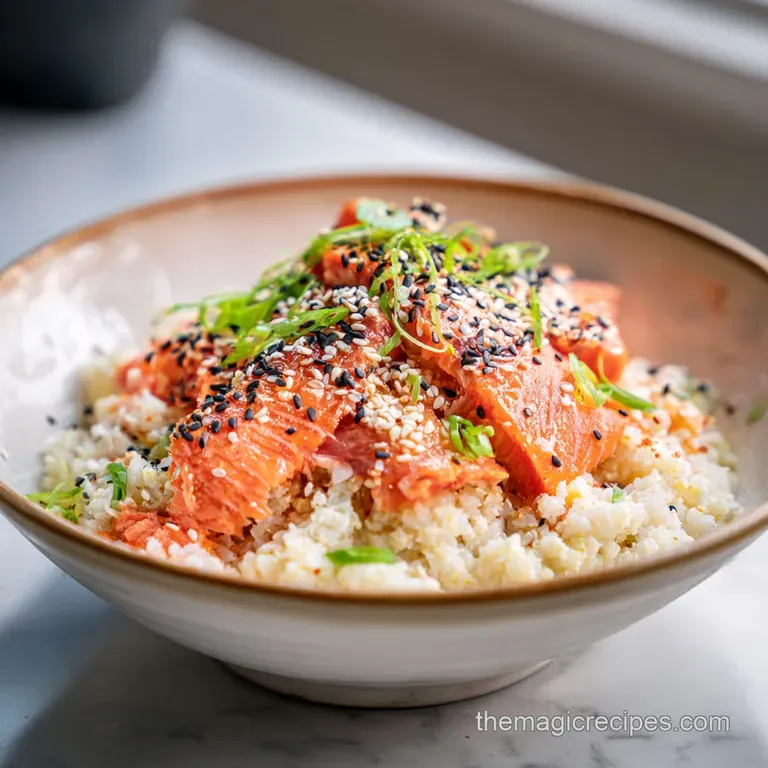
- Time: Active 10 minutes, Passive 5 minutes, Total 15 minutes
- Flavor/Texture Hook: Nutty, toasted grains paired with velvety, ginger marinated salmon.
- Perfect for: A quick weeknight dinner or a fresh, high protein meal prep option.
- Make This Salmon Cauliflower Rice Sushi Bowl
- Precise Specs for Vibrant Results
- The Elements for Flavor Success
- Components for Your Fresh Assembly
- Tools for Your Fresh Assembly
- Simple Steps for Quick Preparation
- Fixes for Potential Kitchen Issues
- Swaps for Every Taste Preference
- Freshness and Zero Waste Methods
- Side Ideas for Your Meal
- Clearing Up Kitchen Myths
- Very High in Sodium
- Recipe FAQs
- 📝 Recipe Card
Make This Salmon Cauliflower Rice Sushi Bowl
Nothing ruins a vibrant lunch quite like a bowl of soggy, watery cauliflower that smells more like a middle school cafeteria than a fresh sushi bar. We’ve all been there tossing raw florets into a bowl and hoping for the best, only to end up with a puddle of liquid at the bottom.
It’s frustrating because you want that clean, snappy bite of a traditional poke bowl, but the keto substitute often feels like a sad compromise. Discover how to make our standout Easy Keto Sushi Bowl with Cauliflower Rice and Salmon and leave those watery disappointments behind forever.
The secret to a truly nourishing bowl isn't just in the toppings; it's in how we treat the base. When you hit a dry skillet with that cauliflower, the aroma changes from sulfurous to nutty in a matter of seconds. That's the moment you know you're winning.
By drawing out the moisture first, we create a "grain" that actually wants to hold onto the rice vinegar and cream cheese, giving you that signature sushi rice "cling" that makes every forkful feel intentional.
This dish is my go to when I need something that feels fancy but takes less time than ordering delivery. It’s a bright, colorful assembly of fats, proteins, and crunch that leaves you feeling energized rather than weighed down.
If you have ever felt intimidated by working with raw fish or struggled to make cauliflower taste like anything other than "diet food," this is the targeted fix you've been looking for. Let's get into the mechanics of how we make this work.
Precise Specs for Vibrant Results
To ensure this bowl comes out exactly as intended, we need to respect the delicate nature of the fresh ingredients. Since we aren't dealing with a long simmer or a slow roast, the precision of your heat and the timing of your prep are everything.
You are looking for a total commitment of 15 minutes, with the majority of that time spent on the "cold prep" of your salmon and vegetables.
Evaporation Control: The most critical part of the 5 minutes of cook time is the dry sauté. We aren't looking to brown the cauliflower extensively, just to let the steam escape. You will actually see the steam rising and the "rice" becoming more opaque and separate.
Once that nutty scent hits your nose, you are done.
Temperature Harmony: We want a contrast between the warm, seasoned base and the chilled, marinated salmon. This creates a sensory experience that mimics a fresh handroll. If the cauliflower is too hot when you add the salmon, it will slightly poach the fish, losing that velvety, raw texture we love in traditional raw fish bowls.
Marination Window: The 10 minutes of prep time includes a quick 3 to 5 minute soak for the salmon in the ginger sesame mixture. This is just enough time for the coconut aminos to penetrate the surface without the lime juice (in the dressing) starting to "cook" the fish like a ceviche.
The Elements for Flavor Success
Making a keto friendly base feel authentic requires a little bit of kitchen magic. We aren't just using the cauliflower as a filler; we are treating it like a canvas for the classic sushi flavors. By understanding the "why" behind each addition, you can ensure your Salmon Cauliflower Rice Sushi Bowl never tastes bland.
- Moisture Evaporation: Using a dry pan forces the water trapped in the cauliflower cells to turn into steam. This prevents the "puddle effect" and allows the rice to absorb the vinegar later.
- Starch Mimicry: The addition of softened cream cheese acts as a binder. It replaces the natural amylopectin (starch) found in short grain sushi rice, giving the cauliflower that slightly sticky, glossy mouthfeel.
- Fat Soluble Aromatics: Grated ginger and sesame oil are high in aromatics that cling to the fats in the salmon. This ensures that every bite of the protein is deeply flavorful, not just salty.
- Acid Balance: The lime juice in the spicy mayo cuts through the richness of the avocado and salmon, brightening the entire palate and preventing the dish from feeling too heavy.
| Method | Time | Texture | Best For |
|---|---|---|---|
| Dry Stovetop Sauté | 5 minutes | Fluffy, nutty, and dry | Maximum flavor and "rice" mimicry |
| Oven Roasting | 12 minutes | Slightly crunchy/caramelized | Batch prepping for multiple days |
| Microwave (Steamed) | 3 minutes | Soft and moist | Speed, though risk of sogginess is high |
The stovetop method is our winner here because it gives you the most control over the hydration of the cauliflower. If you've ever tried to make fluffy grain dishes before, you know that managing water is the secret to a great texture. For this sushi bowl, we want the "grains" to remain distinct, not mushy.
| Ingredient | Science Role | Pro Secret |
|---|---|---|
| Cauliflower Rice | Structural Base | Use a dry pan to avoid the "cabbage" smell through rapid evaporation. |
| Cream Cheese | Binding Agent | Soften it completely so it emulsifies with the vinegar for a glossy coating. |
| Coconut Aminos | Umami Enhancer | Adds a natural sweetness that mimics the mirin usually found in sushi rice. |
| Sesame Oil | Aromatic Carrier | A little goes a long way; use toasted oil for a deeper, smokier finish. |
Mixing the cream cheese into the warm cauliflower is a step many people overlook, but it’s the difference between a bowl of vegetables and something that actually feels like sushi.
It creates a velvety coating that helps the seaweed ribbons and cucumber bits stick to the "rice," ensuring you get a bit of everything in every single spoonful.
Components for Your Fresh Assembly
For this Salmon Cauliflower Rice Sushi Bowl, sourcing is just as important as the technique. Since the salmon is the star, ensure you are buying "sushi grade" or "sashimi grade" fish.
This isn't a legal term, but it indicates that the purveyor has handled the fish specifically for raw consumption, often freezing it to specific temperatures to ensure safety.
For the Cauliflower "Sushi" Rice
- 12 oz Cauliflower rice: Fresh is best for texture, but frozen works if you thaw and squeeze it dry first. Why this? Provides a low carb structure that absorbs the tangy sushi seasonings perfectly.
- 1 tbsp Rice vinegar: Ensure it is the sugar-free variety to keep the bowl keto compliant.
- 1 tsp Granulated monk fruit: This provides the subtle sweetness characteristic of seasoned sushi rice.
- 0.5 tsp Sea salt: Enhances the earthy notes of the cauliflower.
- 1 tbsp Cream cheese: Make sure it’s softened to room temperature for easy folding.
For the Protein (Keto Salmon Sushi Bowl)
- 8 oz Sushi grade raw salmon: Cube it into 1/2 inch pieces for the best mouthfeel. Why this? High in Omega-3s and provides the buttery, rich protein core of the dish.
- 1 tbsp Coconut aminos: A soy free alternative that adds deep umami and a hint of sweetness.
- 1 tsp Toasted sesame oil: Adds an unmistakable roasted aroma that defines the bowl.
- 0.5 tsp Freshly grated ginger: Provides a sharp, zesty bite that balances the fatty fish.
For the Toppings & Texture
- 1 small English cucumber: Diced small to add a refreshing, watery crunch.
- 1 medium Avocado: Sliced thin for a creamy, velvety contrast to the crisp veggies.
- 2 sheets Nori: Sliced into ribbons to bring that essential "ocean" flavor.
- 1 tbsp Pickled ginger: Adds a bright, acidic pop to cleanse the palate.
- 2 tbsp Avocado oil mayonnaise: The base for our spicy drizzle.
- 1 tsp Sriracha: For a controlled, creeping heat.
- 1 tsp Lime juice: Adds the necessary citrus high notes to the dressing.
| Original Ingredient | Substitute | Why It Works |
|---|---|---|
| Salmon (Raw) | Smoked Salmon | Provides a similar fat content but adds a salty, smoky dimension. |
| Coconut Aminos | Tamari (GF Soy) | More intense saltiness; use slightly less than the recipe calls for. |
| Cream Cheese | Mayonnaise | Helps the rice stick together but results in a slightly heavier, oilier finish. |
Tools for Your Fresh Assembly
You don't need a kitchen full of gadgets for this recipe, which is part of its charm. However, a few specific tools will make the process much smoother, especially when dealing with the delicate texture of the salmon and the moisture of the cauliflower.
- Non stick Skillet: Essential for the dry sauté of the cauliflower. A regular stainless steel pan might cause the bits to stick as the moisture evaporates.
- Sharp Chef’s Knife: Crucial for cubing the salmon without "smashing" the delicate flesh. A dull knife will tear the fish rather than slicing cleanly.
- Microplane Grater: Best for the ginger. You want a fine paste so you don't end up with woody chunks of ginger in your marinated salmon.
- Small Ramekin: For whisking the spicy mayo into a smooth, pourable consistency.
Chef's Tip: If you find your cauliflower rice still feels a bit wet after sautéing, spread it out on a paper towel lined plate for 60 seconds before adding the seasonings. This "blotting" step ensures the most "rice like" texture possible.
Simple Steps for Quick Preparation
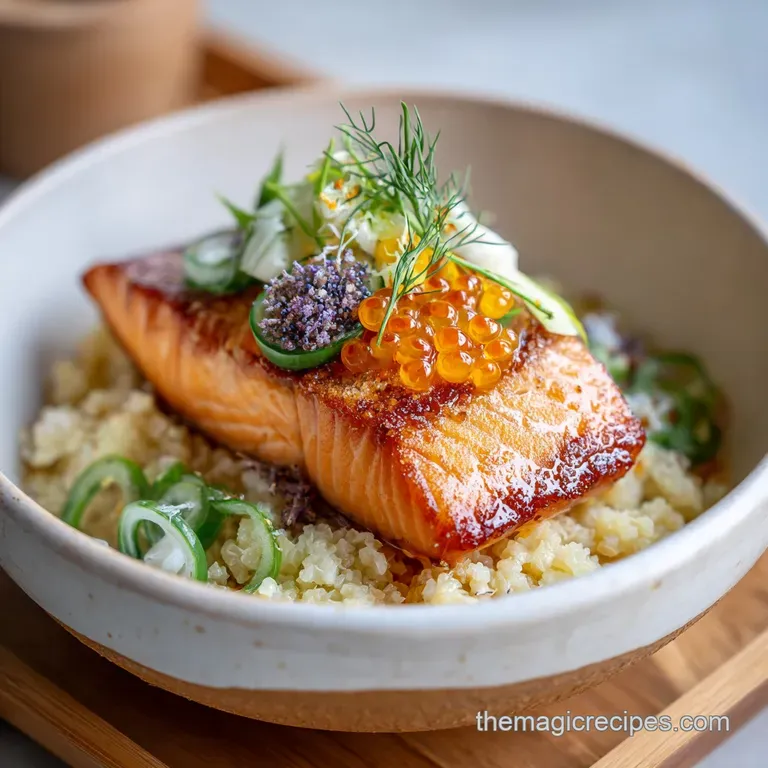
- Place the 12 oz of cauliflower rice in a dry non stick skillet over medium high heat. Sauté for 3 to 5 minutes until the rice smells slightly nutty and the visible steam has subsided. Note: This step is vital for removing the "raw" vegetable taste.
- Transfer the warm cauliflower to a medium bowl. Fold in the 1 tbsp rice vinegar, 1 tsp sweetener, 0.5 tsp salt, and 1 tbsp softened cream cheese until the mixture looks glossy and begins to clump together.
- Prepare the protein by cubing the 8 oz of salmon into uniform pieces. In a separate mixing bowl, toss the salmon with 1 tbsp coconut aminos, 1 tsp sesame oil, and 0.5 tsp grated ginger until the fish is evenly coated and fragrant.
- In a small ramekin, whisk together the 2 tbsp avocado oil mayo, 1 tsp sriracha, and 1 tsp lime juice. The sauce should be smooth and velvety with a pale coral color.
- Divide the seasoned cauliflower rice between two bowls, pressing down slightly with the back of a spoon to create a stable base.
- Arrange the marinated salmon on one side of the bowl. Place the diced English cucumber and sliced avocado next to it in distinct sections.
- Add the thin nori ribbons and 1 tbsp of pickled ginger to the center for a pop of color and flavor.
- Drizzle the spicy mayo over the top in a zig zag pattern until the bowl looks vibrant and inviting.
- Serve immediately while the cauliflower is still slightly warm and the toppings are perfectly chilled.
Fixes for Potential Kitchen Issues
Even with a simple recipe, things can go sideways if the ingredients aren't handled with care. The most common pitfall with a Salmon Cauliflower Rice Sushi Bowl is the texture of the base. If you find your "rice" is turning into a mash, it’s usually because of the heat level or the type of cauliflower used.
To Prevent Sogginess Through Moisture Control
If your cauliflower looks translucent and wet, you likely overcrowded the pan or didn't use high enough heat. The goal is evaporation, not braising. If this happens, don't add the cream cheese yet. Keep it in the pan for another 2 minutes, stirring constantly, to let that extra water escape.
To Mimic Sticky Rice Texture
The "stickiness" comes from the emulsion of cream cheese and vinegar. If your rice feels crumbly, add another teaspoon of softened cream cheese. It acts as the glue that makes the bowl feel like a cohesive meal rather than a salad.
Ensure the cream cheese is truly soft; if it's cold, it will just sit in little lumps and won't coat the grains.
To Ensure Food Safety with Raw Fish
Working with raw salmon can be intimidating. Always keep the fish in the coldest part of your fridge until the very moment you are ready to cube it. If you are unsure about the quality of the fish, you can always quickly sear the salmon cubes for 30 seconds per side in a hot pan.
This will give you a "tataki" style bowl that is equally delicious.
| Problem | Root Cause | Solution |
|---|---|---|
| Watery base | Frozen cauliflower not thawed/squeezed | Sauté longer in a dry pan or squeeze through cheesecloth before cooking. |
| Fish smells "fishy" | Oxidation or poor storage | Rinse with cold water, pat dry, and use extra lime juice/ginger to neutralize. |
| Bland flavor | Not enough salt or vinegar | Taste the cauliflower rice before assembly; add an extra splash of rice vinegar. |
Common Mistakes Checklist
- ✓ Never add oil to the pan when sautéing cauliflower rice (it traps the moisture).
- ✓ Pat the salmon completely dry with a paper towel before cubing to help the marinade stick.
- ✓ Don't skip the sweetener in the rice; it balances the sharp acidity of the vinegar.
- ✓ Ensure the avocado is ripe but firm if it's too soft, it will turn into a paste during assembly.
- ✓ Use English or Persian cucumbers to avoid the thick, bitter skin and large seeds of standard cucumbers.
Swaps for Every Taste Preference
This bowl is incredibly adaptable. While the Salmon Cauliflower Rice Sushi Bowl is a classic for a reason, you can easily pivot based on what you have in the fridge. The key is to keep the ratio of fat to acid consistent so the bowl remains balanced.
If you are looking to scale this recipe, it's quite simple. To make this for a family of 4, double all the ingredients exactly. When cooking the cauliflower rice, I recommend working in two batches.
If you put 24 oz of cauliflower rice in one skillet, it will steam rather than sauté, and you'll lose that nutty, dry texture we worked so hard to achieve.
For those who want a bit more heat, you can add a pinch of wasabi powder to the cream cheese mixture or top the bowl with sliced jalapeños. If you prefer a crunchier experience, try adding toasted macadamia nuts or a sprinkle of "Everything Bagel" seasoning, which surprisingly mimics the flavor of a toasted sesame roll.
If you want X, do Y
- If you want a smokier flavor, swap the raw salmon for lox and add a drop of liquid smoke to the spicy mayo.
- If you want more crunch, add toasted sunflower seeds or crushed pork rinds on top just before serving.
- If you want a vegan version, replace the salmon with cubed firm tofu marinated in the same ginger sesame mixture and use vegan mayo/cream cheese.
Freshness and Zero Waste Methods
Because of the raw fish, this recipe is best enjoyed immediately. However, if you are a planner, you can prep the components separately. Store the sautéed and seasoned cauliflower rice in an airtight container in the fridge for up to 3 days. It actually holds its texture quite well when cold.
Storage: Keep the marinated salmon in a separate, very cold container for no more than 24 hours. The toppings like cucumber and nori should be kept in their own compartments to prevent them from getting soggy.
Do not freeze the assembled bowl, as the avocado and cucumber will lose their structural integrity.
Zero Waste: If you have leftover cauliflower stems, don't toss them! Grate them right along with the florets. If you have extra nori sheets, crumble them over a salad or use them to scoop up the last bits of salmon and avocado.
Leftover spicy mayo makes an incredible dip for raw bell peppers or a spread for a low carb wrap the next day.
Side Ideas for Your Meal
While this Salmon Cauliflower Rice Sushi Bowl is a complete meal on its own, sometimes you want a little something extra on the side to round out the experience. Think of things that share the same flavor profile salty, tangy, and fresh.
A simple miso soup is a classic pairing that provides a warm contrast to the chilled bowl. You could also serve this alongside a quick sunomono (Japanese cucumber salad) for extra hydration and crunch. If you're looking for a different kind of rice based base for another night, my Greek Lemon Rice is a fantastic option that uses similar fluffing techniques but with a Mediterranean twist.
Clearing Up Kitchen Myths
There is a common misconception that cauliflower rice will always taste like "cabbage." This only happens when it is boiled or steamed in its own moisture. By using the dry-sauté method, you break down the compounds that cause that sulfurous smell, leaving behind a much milder, toasted flavor.
Another myth is that you must use expensive sushi mats to get the "sushi feel." In reality, a bowl (or "chirashi" style) is a much more traditional and accessible way to enjoy these flavors at home. It allows the ingredients to shine without the stress of a perfect roll.
Finally, don't believe the idea that keto meals can't be "bright." By focusing on fresh ginger, lime, and high-quality fats like avocado, you create a dish that is as vibrant as any traditional grain bowl.
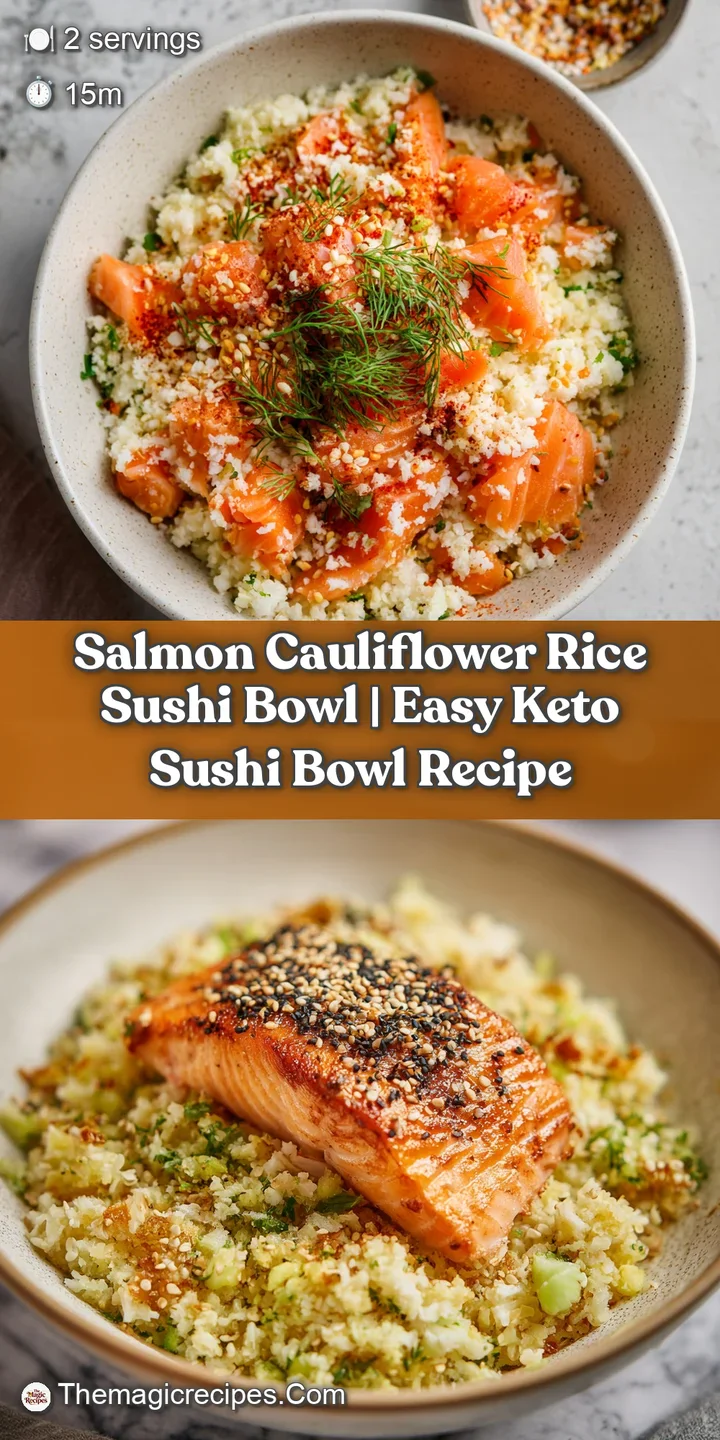
Very High in Sodium
1185 mg of sodium (52% of daily value)
The American Heart Association recommends limiting sodium intake to no more than 2,300mg per day, with an ideal limit of 1,500mg for most adults.
Tips to Reduce Sodium
-
Omit Added Salt-25%
The 0.5 tsp sea salt in the cauliflower rice contributes significantly. Removing it will drastically cut sodium. You can always add a pinch at the table if needed.
-
Choose Low-Sodium Coconut Aminos-20%
Coconut aminos can be a source of sodium. Opt for a 'low-sodium' version or use it more sparingly if a standard version is used.
-
Watch the Pickled Ginger-15%
The 1 tbsp of pickled ginger, even if sugar-free, can contain added sodium. Look for 'no salt added' pickled ginger or use a smaller amount.
-
Moderate Sriracha-10%
While a small amount, Sriracha often contains sodium. Consider using a low-sodium sriracha alternative or a smaller portion.
-
Mindful Mayonnaise-10%
Avocado oil mayonnaise can vary in sodium content. Choose a 'low-sodium' variety or use slightly less if sodium is a concern.
-
Boost with Fresh Aromatics
Amplify flavor without sodium by increasing the amount of freshly grated ginger, lime juice, and adding other fresh herbs like cilantro or chives.
Recipe FAQs
Why is my cauliflower rice soggy instead of fluffy?
You likely added oil to the pan or overcrowded it. Sauté the cauliflower rice in a dry skillet over medium high heat to allow the moisture to evaporate properly, which also helps if you enjoy the crispy texture achieved through proper surface dehydration.
Can I use pre-frozen cauliflower rice?
Yes, but thaw and pat it completely dry first. Excess water is the enemy of a good texture, so ensure it is moisture free before adding it to the skillet.
Is it true I should skip the sweetener to keep this keto friendly?
No, this is a common misconception. The granulated erythritol or monk fruit is essential for balancing the sharp acidity of the rice vinegar, which mimics traditional vinegared sushi rice.
How to ensure the salmon cubes take on flavor?
Pat the salmon dry with a paper towel before cubing. Removing surface moisture allows the coconut aminos, sesame oil, and ginger marinade to coat the fish evenly without sliding off.
How to prevent the avocado from turning into a mushy paste?
Select a firm but ripe avocado. Adding slices gently at the very end of assembly keeps the pieces intact and visually appealing against the rice.
Is it okay to store leftovers for the next day?
No, consume immediately for the best food safety and texture. Since the recipe uses sushi grade raw salmon, it is designed to be enjoyed fresh rather than stored in the refrigerator.
How to customize the protein content?
Adjust the salmon portion size to suit your nutritional needs. Because the salmon is served raw and marinated, you can easily scale the amount of fish while keeping the ratios of the spicy sauce and cauliflower base consistent.
Salmon Cauliflower Rice Bowl
Ingredients:
Instructions:
Nutrition Facts:
| Calories | 568 calories |
|---|---|
| Protein | 27.5 g |
| Fat | 43.2 g |
| Carbs | 20.4 g |
| Fiber | 8.9 g |
| Sugar | 4.2 g |
| Sodium | 1185 mg |
