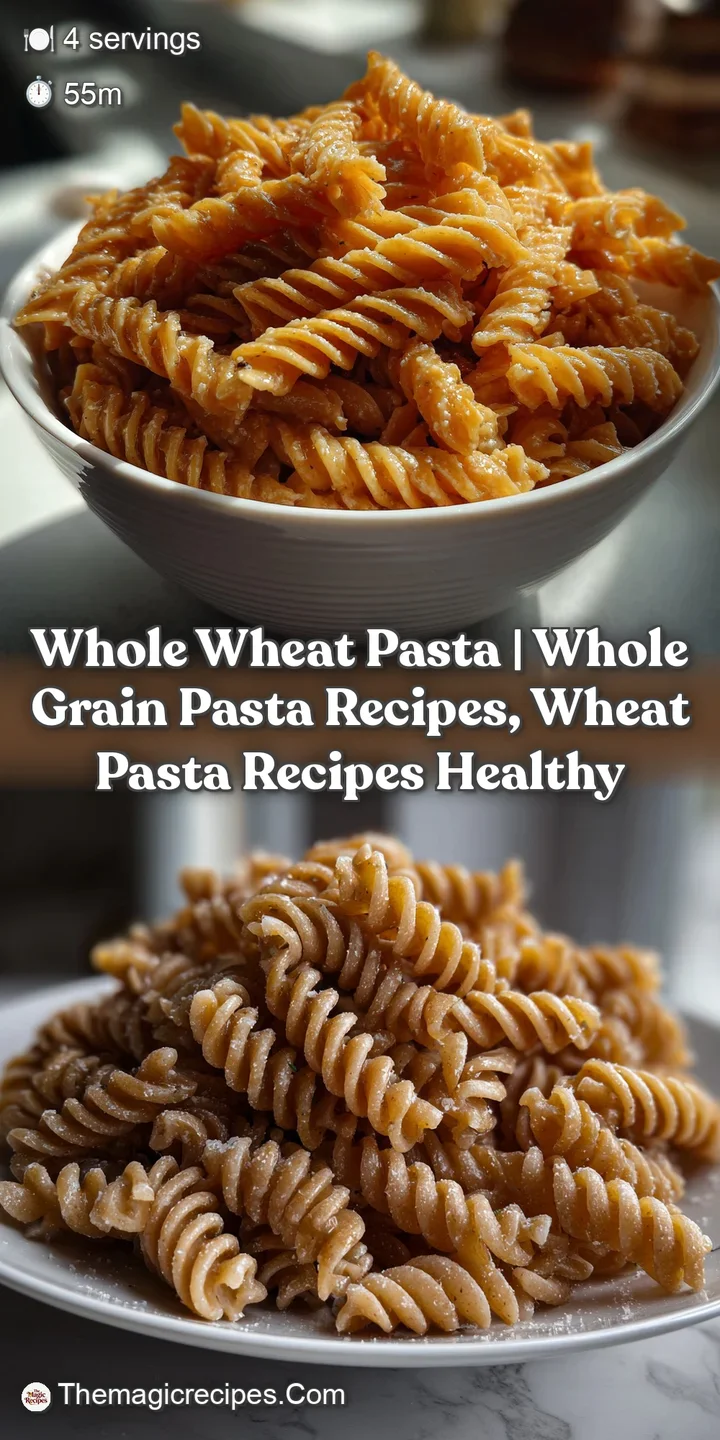
The Best Silky Whole Wheat Pasta Recipe

- Effort/Time: 55 minutes total (active kneading required)
- Flavor Hook: Nutty, toasted-grain depth with a velvety mouthfeel
- Perfect for: Hearty ragus, [Healthy Pasta Recipes: Roasted Lemon Garlic Dish](https://themagicrecipes.com/recipes/healthy-roasted-vegetable-pasta/), or simple garlic and oil
- The Ultimate Hand-Rolled Whole Wheat Pasta Masterclass
- The Science of Why it Works
- Ingredients & Technical Substitutions
- Masterclass Instructions
- Troubleshooting the Perfect Noodle
- Common Myths about Healthy Whole Wheat Pasta
- Storage, Freezing, and Reheating
- Variations to Try
- Recipe FAQs
- 📝 Recipe Card
The Ultimate Hand Rolled Whole Wheat Pasta Masterclass
Stop Eating Cardboard: The Whole Wheat Pasta Revolution
We’ve all been there. You try to be healthy, buy a box of dusty whole wheat pasta, and it ends up tasting like wet construction paper. It’s grainy, it falls apart, and it ruins your sauce.
I spent years avoiding it until I realized the secret isn't in the cooking it's in the dough hydration and the mechanical breakdown of the wheat bran.
I once served a batch of "healthy" pasta that was so brittle my guests thought I'd accidentally cooked potpourri. But after obsessing over the physics of gluten development in high fiber flours, I found the sweet spot. We are going to use specific hydration levels to turn that "healthy" grain into a luxury noodle.
The aroma of freshly kneaded wheat pasta dough is earthy and sweet, a far cry from the sterile scent of white flour. By the time you finish this, you'll have a whole wheat pasta recipe that actually rivals the traditional Italian semolina versions. Let’s get your hands floured.
The Science of Why it Works
- Bran Softening: The 30 minute rest allows the 1.5 tbsp water and 15ml EVOO to penetrate the jagged bran particles, preventing them from "cutting" the gluten strands like tiny knives.
- Protein Synergy: Using 3 large eggs provides the lecithin needed to emulsify the fats with the 300g whole wheat flour, creating a cohesive, elastic matrix despite the high fiber content.
The Science Behind King Arthur Whole Wheat Flour
- What It Does
- Provides the structural foundation and high protein content (typically 13 14%) required for a resilient dough.
- The Chemistry
- The presence of the wheat germ and bran increases the hydrophilic (water seeking) nature of the flour, requiring more hydration than refined flours.
- Why This Matters
- This creates a higher nutritional density and a lower glycemic index, while the proteins ensure the whole wheat noodles maintain an "al dente" snap rather than turning mushy.
The Science Behind Large Grade A Eggs
- What They Do
- Act as the primary binder and fat source, contributing to the rich golden hue and structural integrity.
- The Chemistry
- Egg proteins undergo protein denaturation and coagulation during boiling, setting the pasta's shape permanently.
- Why This Matters
- The lipids in the yolk provide a "shortening" effect that makes the whole grain pasta recipes feel smooth on the tongue rather than abrasive.
The Science Behind Bertolli Extra Virgin Olive Oil
- What It Does
- Acts as a lubricant for the gluten network and adds a layer of polyphenolic flavor.
- The Chemistry
- The fats coat the glutenin and gliadin proteins, slightly inhibiting long chain gluten formation to ensure the pasta isn't rubbery.
- Why This Matters
- It creates a more supple dough that is easier to roll through a Marcato Atlas 150 Pasta Machine without tearing.
Ingredients & Technical Substitutions
| Original Ingredient | Substitute | Why It Works |
|---|---|---|
| 300g Whole Wheat Flour | Spelt Flour | Similar protein profile; adds a sweeter, more delicate nutty flavor. |
| 3 Large Eggs | 150g Liquid Egg Whites | Reduces cholesterol while maintaining the protein based binding structure. |
| 15ml Extra Virgin Olive Oil | Avocado Oil | High smoke point and neutral flavor; maintains the necessary lipid-to-protein ratio. |
| 5g Sea Salt | Diamond Crystal Kosher Salt | Use 1.5x the volume; ensures even distribution of ions for flavor enhancement. |
Masterclass Instructions

- Mound the 300g King Arthur Whole Wheat Flour.Note: Creating a "volcano" shape on a wooden board allows for controlled hydration entry.
- Whisk the 3 large eggs, 15ml EVOO, 5g sea salt, and 1.5 tbsp water.Note: Pre-mixing the liquids ensures the salt is fully dissolved before it hits the flour proteins.
- Incorporate flour into the liquid well slowly.Note: Gradually whisking from the inner rim prevents the "egg lake" from breaching the flour walls.
- Knead the dough for 10 minutes vigorously. Note: Mechanical energy aligns gluten proteins, turning a shaggy mass into a smooth, elastic ball.
- Rest the dough in plastic wrap for 30 minutes. Note: This allows for full starch hydration and relaxes the gluten so the dough doesn't snap back when rolled.
- Divide and roll through a Marcato Atlas 150 Pasta Machine.Note: Start at the widest setting and move to setting 6 to achieve a translucent but sturdy sheet.
- Cut into desired shapes and air-dry for 15 minutes. Note: Surface evaporation creates a slight skin, helping the whole wheat pasta hold its shape in boiling water.
- Boil in salted water for 3 to 5 minutes. Note: Fresh pasta cooks via rapid gelatinization of starches, requiring significantly less time than dried versions.
Chef's Note: If your dough feels like sandpaper, add water 1 teaspoon at a time. Whole wheat is thirsty; the bran absorbs moisture long after you think you're done kneading.
Troubleshooting the Perfect Noodle
| Problem | Why It Happens | The Fix | Pro Protocol |
|---|---|---|---|
| Dough is Crumbly | Low hydration or old flour | Add 1 tsp water at a time | Use a spray bottle for even moisture distribution. |
| Pasta Snaps During Rolling | Under developed gluten | Knead for 3 more minutes | Test with the "windowpane" method for elasticity. |
| Gummy Mouthfeel | Water not boiling / Crowded pot | Use 6 quarts of water per pound | Maintain a rolling boil to prevent starch buildup. |
Common Myths about Healthy Whole Wheat Pasta
Myth: Whole wheat pasta is always "heavy" and dense. Truth: Density is a result of under hydration. When properly hydrated with eggs and a touch of oil, healthy whole wheat pasta can be remarkably light and delicate.
Myth: You don't need to salt the water because the flour has flavor. Truth: Salt in the boiling water is the only chance to season the interior of the noodle through osmosis. Use at least 1 tablespoon of salt per gallon of water.
Myth: Fresh wheat pasta can't be stored. Truth: You can dry it completely for 24 hours or freeze it in nests for up to 3 months with minimal quality loss.
Storage, Freezing, and Reheating
Storage
Store fresh, uncooked wheat pasta recipes in an airtight container in the fridge for up to 2 days. Dust with extra flour to prevent sticking. Once cooked, toss with a teaspoon of olive oil and store for 3 to 5 days.
Freezing
Flash freeze individual "nests" on a baking sheet for 1 hour. Transfer to a heavy duty freezer bag for up to 3 months. Cook directly from frozen, adding 1 2 minutes to the total boil time.
Reheating
For plain noodles, submerge in boiling water for 30 seconds. For sauced whole wheat pasta dishes, reheat in a skillet over medium heat with a splash of pasta water to re-emulsify the sauce. Avoid the microwave, which can make the bran feel tough and rubbery.
Variations to Try
- Herb Laced: Laminate fresh parsley or basil leaves between two thin sheets of dough before the final roll for a stunning visual.
- Spiced Wheat: Add 1 tsp of cracked black pepper to the flour mound for a built-in "Cacio e Pepe" base.
- The Comfort King: Use these noodles in my BBQ Chicken Pasta Smoky Creamy Comfort: 45 Min Velvety Dinner for a high fiber twist on a classic.
- Summer Fresh: Toss the cut noodles with feta and olives, similar to the profile of an Easy Greek Pasta Salad 20 Minute Greek Pasta Salad: Summer Favorite.
This whole wheat pasta nutrition profile is impressive, boasting 8.3g of fiber per serving, making it a functional powerhouse for your kitchen. Whether you're making recipes with whole wheat pasta for a quick weeknight meal or a weekend project, the key is respecting the grain.
Happy kneading!
Recipe FAQs
Does whole wheat pasta always yield a gritty texture?
No. Bran hydration management is key. High hydration doughs and extended resting periods soften the sharp bran particles. This prevents the typical abrasive mouthfeel found in dried versions.
Is resting the dough immediately after kneading necessary?
Yes. Gluten relaxation prevents tearing. Resting allows the hydrated gluten network to relax and realign, making the dough supple enough for thin rolling. This prevents excessive shrinkage during cooking.
Can I substitute all-purpose flour for the whole wheat component?
All-purpose provides a lighter mouthfeel. Whole wheat flour (due to the bran) absorbs more water, resulting in a heartier, denser noodle structure. Using AP results in less structural integrity when hand rolled.
Why do my hand cut noodles stick together immediately?
Surface starch remains excessively tacky after cutting. Sufficient drying time or a heavy dusting prevents strands from bonding via surface moisture attraction.
- Use semolina or rice flour liberally
- Allow 15 minutes of air drying
- Avoid high humidity environments
Must the water be salted heavily before boiling?
Yes. Water salinity dictates pasta flavor absorption. The starch matrix inside the noodle absorbs water during boiling, which must be seasoned internally. Lightly salted water produces bland, flat tasting noodles.
Myth: Whole wheat pasta requires significantly longer cooking times than white pasta. Reality: Fresh pasta cooks rapidly regardless of grain type; the bran slightly alters heat transfer rates. Aim for 3-4 minutes for al dente texture.
Myth: Higher protein flour ensures a better chew. Reality: Protein content influences structure, but bran content and hydration primarily determine the final chewiness of whole wheat. Overworking the dough negates high protein benefits.
Silky Whole Wheat Pasta Recipe

Ingredients:
Instructions:
Nutrition Facts:
| Calories | 338 kcal |
|---|---|
| Protein | 14.5 g |
| Fat | 8.4 g |
| Carbs | 54.3 g |
| Fiber | 8.3 g |
| Sugar | 0.4 g |
| Sodium | 495 mg |
