Blueberry Scones Recipe: the Ultimate Sky-High Cream Scones
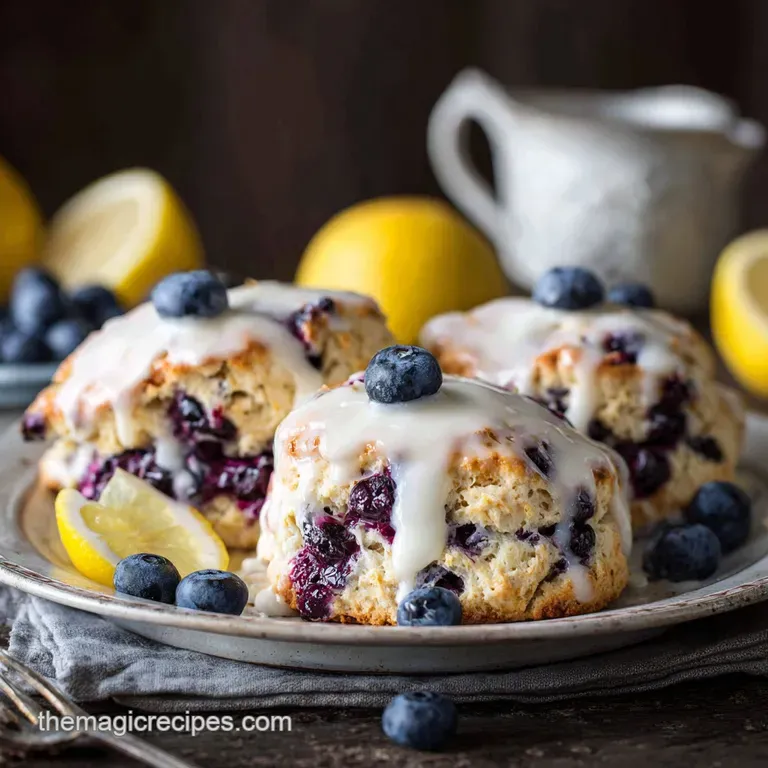
- The Ultimate Sky-High Cream Blueberry Scone Recipe
- The Science of a Perfect Scone: Flakiness and Flavor
- Essential Ingredients for Your Best Blueberry Scone Batch
- Step-by-Step Baking: How to Assemble and Bake Flawless Blueberry Scones
- Troubleshooting Your Bake: Expert Tips for High-Rise Scones
- Storage, Freezing, and Reheating Your Baked Goods
- The Perfect Tea-Time Pairing: Serving Your Freshly Baked Scones
- Recipe FAQs
- 📝 Recipe Card
The Ultimate Sky-High Cream Blueberry Scone Recipe
Oh my gosh, that smell. When these blueberry scones hit the oven, your whole kitchen transforms into a cozy English bakery, instantly. You get that gorgeous, craggy, golden top, which hides the most tender, cloud like interior imaginable.
Seriously, the contrast between the slightly crisp crust and the soft, buttery crumb is absolutely addictive.
This recipe is genuinely a lifesaver for last minute brunches. Scones look fancy and complicated, but they are ridiculously fast to put together we are talking under an hour from deciding you want them to taking the first bite.
They use minimal, cheap ingredients you probably already have, making them the perfect antidote to those rushed Saturday mornings.
Forget those dry, crumbly hockey pucks you sometimes get at cafes; we are aiming for dramatic, sky-high lift and flavor. This foolproof blueprint relies on serious cold weather physics and the magic of heavy cream. Let’s talk about the secret to perfect blueberry scones and get this dough mixed right now.
The Science of a Perfect Scone: Flakiness and Flavor
I spent years making dense, slightly tough scones before I figured out the holy trinity of scone science: cold, brief mixing, and high fat. Once you understand why you are doing something, the baking becomes much easier. This isn’t just a recipe; it’s an education.
Why These Scones Guarantee Flaky Perfection
Flakiness comes from steam. When you use very cold butter, it doesn't melt instantly in the hot oven. Instead, the trapped moisture in the butter turns to steam very rapidly, forcing those little pockets of dough upward and outward.
That steam is the true leavening agent here , giving you that beautiful split texture.
Mastering the Cold Butter Technique for Maximum Lift
My number one, non-negotiable rule? Freeze the butter for ten minutes before you start. Grating the butter on a box grater is my favorite trick because it creates perfectly small, cold shards every time. You want the pieces of butter to remain visible, ranging from small pea size down to little cornmeal bits.
If the butter melts into the flour, you’ll end up with a cakey result, not a flaky one.
Heavy Cream vs. Buttermilk: Choosing Fat Content for Richness
We are using heavy cream for maximum richness here, and it makes all the difference. Heavy cream (35% fat) adds far more moisture and fat than regular milk or even half and half. The high fat content works with the butter to ensure the gluten development is inhibited, which keeps the resulting scone incredibly tender.
Creating Steam Pockets: Why Size Matters When Cutting Butter
If your butter pieces are too big (like walnuts), they might leave holes, but if they are too small and fully incorporated, you lose the lift. That perfect size the large pea is essential. It ensures you have enough localized fat to create those specific steam pockets throughout the dough.
Balancing Sweetness with Bright Lemon Zest
Blueberries are wonderful, but sometimes they need a punchy counterpart to stop the scone from tasting flat. Lemon zest is the answer. Rubbing the zest into the sugar before mixing releases its oils, flooding the dough with bright, floral flavor that cuts through the richness of the butter and complements the sweet, bursting berries.
Essential Ingredients for Your Best Blueberry Scone Batch
When baking, ingredient quality really does matter, but substitutions are sometimes necessary. I’ve included notes on what works and what simply won't.
Achieving the Right Flour-to-Leavener Ratio
This recipe uses a generous amount of baking powder because we want maximum rise and a light crumb structure. Make sure your baking powder isn't expired! If you aren't sure, grab a fresh container; old leaveners are the number one killer of high rise baked goods.
You can substitute half of the all-purpose flour for pastry flour if you want extra tenderness, but stick to a good quality AP flour for best results.
Notes on Using Fresh or Frozen Blueberries
I honestly prefer using frozen blueberries for scones, especially if you are prone to overmixing. Do not thaw the frozen blueberries! Adding them straight from the freezer keeps them firm and cold, meaning they are less likely to burst and turn your whole dough purple.
If you use fresh, make sure they are very dry before adding them.
Best Substitutions for Heavy Cream or Sugar
| Original Ingredient | Possible Substitution | Why it Works |
|---|---|---|
| Heavy Cream | Full fat Buttermilk or Greek Yogurt | Buttermilk adds tangy lift. If using yogurt, thin it slightly with milk to the consistency of thick cream. |
| Granulated Sugar | Brown Sugar (lightly packed) | Creates a chewier texture and a richer molasses flavor, but may brown faster. |
| All-Purpose Flour | gluten-free Blend (with Xanthan) | Ensure the blend is specifically for baking. You might need a tiny splash more liquid. |
| Butter | Solid, Cold Vegetable Shortening | For a dairy-free option, shortening works similarly to cold butter for flakiness, though it lacks the buttery flavor. |
step-by-step Baking: How to Assemble and Bake Flawless Blueberry Scones

Preheat your oven to a piping hot 400°F (200°C) and line a baking sheet with parchment paper. Trust me, the high heat is essential for that initial oven spring.
Mixing the Dry Ingredients and Cutting in the Cold Butter
- Whisk the Dry: In a large bowl, whisk together the flour, sugar, baking powder, salt, and lemon zest. Whisking ensures everything is evenly distributed.
- Add the Butter: Dump your cold, cubed, or grated butter right into the dry ingredients. Use a pastry blender, two knives, or your fingertips to quickly cut the butter in. Stop when the mixture looks like coarse sand, but still has visible, pea-sized chunks of butter remaining. This step must be done fast to keep things cold!
Gently Folding the Blueberries and Forming the Disc
- Add the Cream: Pour the heavy cream into the flour/butter mixture all at once. Use a rubber spatula or a fork to mix gently until the dough is just coming together; it should still look very shaggy and a bit messy.
- Fold in Berries: Add the frozen blueberries and fold them in quickly, maybe 5 to 6 folds maximum. Stop mixing the second there are no more streaks of dry flour. Overmixing develops gluten, and gluten is the enemy of a tender scone.
- Shape and Chill: Turn the sticky dough out onto a lightly floured surface. Pat it gently (do not knead!) into an 8 inch circle, about 1 inch thick. Cut the circle into 8 large wedges, like cutting a pizza.
Achieving the Golden Crust: Temperature and Time Guide
- The Essential Chill: Transfer the cut scones to your prepared baking sheet. Put the entire sheet into the freezer for 20 mandatory minutes . This chilling time locks the butter in place, preventing spread and guaranteeing massive lift.
- Egg Wash and Bake: Brush the tops of the super cold scones lightly with an egg wash (one egg beaten with a splash of cream). Bake for 18– 20 minutes, or until the tops are beautifully golden brown and firm to the touch.
The Quick Lemon Glaze Finishing Touch
- Glaze: While the scones cool slightly on a wire rack, whisk together the confectioners' sugar and fresh lemon juice until smooth and thick. Drizzle generously over the warm scones. The lemon glaze dries quickly and adds that perfect tart contrast.
Troubleshooting Your Bake: Expert Tips for High Rise Scones
I once baked an entire batch where I accidentally used baking soda instead of baking powder. They didn't rise at all. Learning from my mistakes saves you time!
The Role of Chilling the Dough Before Baking
As I said, chilling is non-negotiable for tall scones. Warm dough spreads before the butter can steam and lift it. The cold firm dough holds its shape perfectly, allowing for vertical expansion. If your scones spread wide instead of high, you skipped the chill step, or your butter melted.
Preventing Overworking the Dough (The Enemy of Flakiness)
When the recipe says "mix until just combined," it means it. The moment the dry ingredients disappear, stop stirring. If you work the dough too much, you develop the gluten in the flour, resulting in a tough, chewy scone rather than a light, melt-in-your mouth tender one. A shaggy dough is a happy dough.
How to Stop Blueberries from Bleeding Into the Dough
The trick here is twofold: 1) Using frozen blueberries, which hold their shape better, and 2) Dusting your blueberries with a teaspoon of flour before folding them in. The flour coating acts as a barrier, helping to absorb any immediate moisture release and stopping the color from bleeding into the dough.
Crucial Chef’s Note: Never twist your cutter! Whether you are cutting wedges or using a round cutter, press straight down and pull straight up. Twisting seals the edges of the dough, preventing the scone layers from separating and achieving that desirable lift.
Storage, Freezing, and Reheating Your Baked Goods
Freezing Unbaked Scones for Future Use
This is the ultimate convenience trick. Complete all steps through chilling and cutting (Step 7). Instead of baking, place the individual unbaked scones on a baking sheet and freeze until solid (about 2 hours). Transfer the frozen scones to a zip-top bag.
To bake from frozen , preheat the oven as usual and bake directly on parchment, adding 5– 7 minutes to the total baking time. No thawing needed!
Keeping Baked Blueberry Scones Tender for Days
Baked scones are always best the day they are made, but they will keep reasonably well. Store them in an airtight container at room temperature for up to 3 days. Do not refrigerate baked goods; the cold air will dry them out faster than room temperature air.
How to Reheat Baked Scones
To bring back that fresh baked tenderness, preheat your oven to 300°F (150°C). Place the scones directly on a rack or baking sheet and heat for 8– 10 minutes. They will soften beautifully and feel fresh from the oven again. Skip the microwave; it makes them tough.
The Perfect Tea-Time Pairing: Serving Your Freshly Baked Scones
What’s a beautiful scone without the proper accouterments? Ditch the store-bought whipped cream.
Clotted Cream and Lemon Curd Essentials
The traditional way to serve a blueberry scone is with clotted cream and jam. If you can’t source true clotted cream (it's hard to find!), make a faux version by whipping mascarpone cheese with a splash of heavy cream and a little powdered sugar.
For the perfect pairing, try a jar of sharp, homemade lemon curd alongside your clotted cream. The tanginess beautifully complements the sweet berries.
Keeping Baked Blueberry Scones Tender for Days
Seriously, pairing these with a strong cup of English Breakfast tea is mandatory. The tannins in the tea cut through the richness of the cream and the butter perfectly. If you are feeling extra fancy, a light lavender or Earl Grey blend is sublime.

Recipe FAQs
Why are my scones dry and tough instead of tender?
This usually happens due to overmixing the dough once the wet ingredients are added, which develops the gluten too much. Ensure you mix only until the ingredients are just combined and the dough is shaggy.
Using butter or cream that is too warm will also melt the fat pockets prematurely, resulting in a denser, less tender scone.
My scones didn't rise very high. What went wrong?
Maximizing scone rise (the 'oven spring') relies heavily on the sudden heat interacting with the cold butter and leavening agents. Ensure your oven is fully preheated to the correct temperature, and crucially, make sure both the butter and the heavy cream are ice-cold before they are incorporated into the dry mix.
If your baking powder is old, it may also fail to activate properly, leading to a flat result.
Can I substitute whole milk or half and-half for heavy cream?
While you can substitute, using whole milk will yield a slightly less rich and less tender result because heavy cream provides the highest fat content, which is crucial for moisture and structure.
If substituting, reduce the liquid volume slightly and consider adding an extra teaspoon of melted butter to compensate for the lost richness.
Can I use frozen blueberries, and do I need to thaw them first?
Yes, frozen blueberries work wonderfully, but they must remain completely frozen when added to the dough. Adding them frozen helps maintain the cold temperature of the dough, which is vital for flakiness, and prevents the fruit from bursting and staining the entire dough purple while mixing.
Can I prepare the scone dough ahead of time, or can I freeze them?
The best method for preparing ahead is to cut the scones into shape and then freeze them unbaked on a baking sheet until solid, typically for about an hour. Once frozen, transfer them to an airtight container or freezer bag and bake them directly from frozen, adding about 3 to 5 minutes to the total bake time.
What is the best technique for mixing the cold butter into the dry ingredients?
The goal is to create pea-sized pieces of butter, which will melt and create pockets of steam during baking, giving you that signature flaky texture. Use a pastry blender, two knives, or pulse the mixture briefly in a food processor until it resembles coarse sand, ensuring you work quickly to keep the butter chilled and distinct from the flour.
How should I store leftover baked scones?
Scones are best eaten fresh on the day they are baked, but leftovers can be stored at room temperature in an airtight container for up to two days. To refresh them and restore their tenderness and crust, wrap them loosely in foil and warm them in a 300°F (150°C) oven for about 5 to 7 minutes before serving.
Sky High Cream Blueberry Scones

Ingredients:
Instructions:
Nutrition Facts:
| Calories | 620 kcal |
|---|---|
| Protein | 8.5 g |
| Fat | 27.1 g |
| Carbs | 85.7 g |
