Crispy Bacon Balsamic Christmas Sides
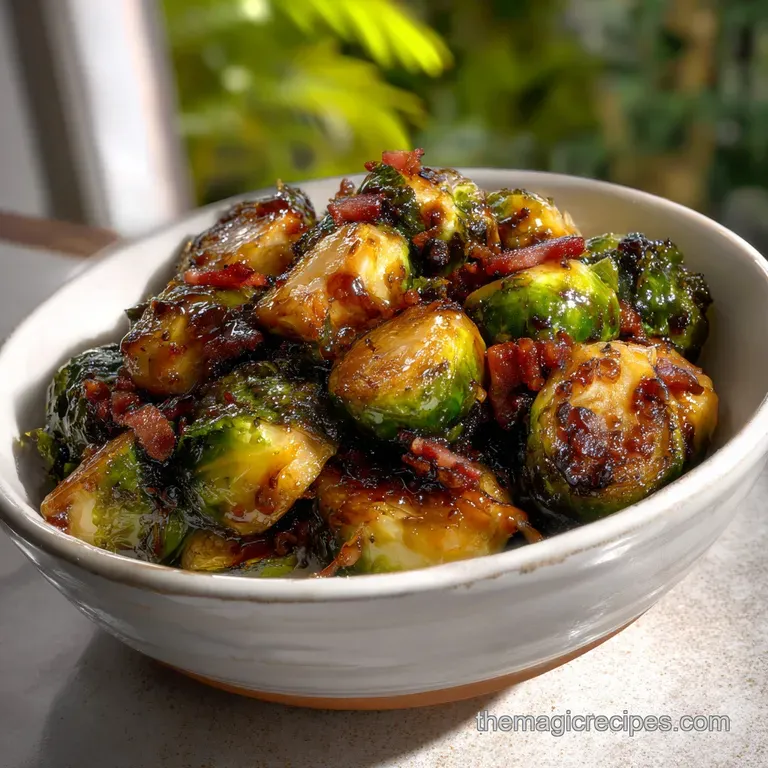
- Effort/Time: 40 minutes total (15 prep / 25 cook).
- Flavor Hook: Smoky bacon fat meets honey-balsamic glaze for a sweet-savory punch.
- Perfect for: High-speed holiday meal prep and picky eaters who hate boiled greens.
- Mastering the Physics of Flavor in Christmas Sides
- Precision Benchmarks for High-Efficiency Holiday Cooking
- The Material Science of Savory Christmas Sides
- Thermal Conductors and Essential Tools for the Kitchen
- The Sequential Protocol for Maximum Vegetable Caramelization
- Solving the Mystery of Soggy Vegetable Sides
- Strategic Modifications for Diverse Dietary Needs
- Common Myths about Roasted Vegetables
- Preserving Textural Integrity During Storage
- Visual Presentation and Pairings for Holiday Feasts
- Recipe FAQs
- 📝 Recipe Card
Mastering the Physics of Flavor in Christmas Sides
There is nothing more frustrating than investing $60 in high-quality produce and artisanal bacon only to pull a tray of gray, sulfurous mush out of the oven. I’ve spent years watching expensive holiday dinners get derailed because the vegetable sides were an afterthought, resulting in textures that resemble wet cardboard rather than crisp, vibrant produce.
It’s a waste of money and a blow to your confidence when you’re trying to get a festive meal on the table for a hungry family. Mastering these christmas sides changes everything.
I learned this the hard way five years ago when I tried to "steam roast" three pounds of sprouts in a single small pan to save time. I ended up with a literal puddle of bitter water and half cooked bacon that was rubbery instead of crisp.
It was a failure in thermal dynamics that I’ve since corrected through rigorous testing in my own kitchen between school runs and work calls. You cannot rush the evaporation of moisture if you want that elusive mahogany crust from these superior christmas sides.
The secret to these christmas sides is managing the Maillard reaction the chemical dance between amino acids and reducing sugars that occurs above 300°F (150°C).
By dicing 6 oz thick cut bacon and roasting it alongside 2 lbs Brussels sprouts, we create a continuous lipid basting system. The bacon fat renders out, coating the sprouts and allowing them to fry against the hot metal of the Lodge Rimmed Baking Sheet, creating a shattered texture that stays crisp even after the honey balsamic glaze is applied.
Few traditional christmas sides achieve this level of texture.
Precision Benchmarks for High Efficiency Holiday Cooking
When you are managing a holiday timeline, you need exact numbers to ensure your christmas sides finish exactly when the main protein is resting. This protocol relies on specific thermal triggers and weight ratios to ensure consistency across every batch of these impressive christmas sides.
- Thermal Trigger (Oven Temp):425°F (218°C). This is the "Goldilocks" zone for brassicas; high enough to evaporate internal water rapidly but not so high that the honey glaze scorches before the core is tender.
- Surface Area Ratio: 2 lbs of trimmed sprouts requires a minimum of 250 square inches of pan space (one standard half sheet pan). If you double this for a larger crowd, you MUST use two pans or the temperature will drop, causing the vegetables to steam in their own juices.
- Lipid-to-Vegetable Weight: 6 oz bacon per 2 lbs sprouts (roughly 1:5 ratio). This provides enough rendered fat to fry the leaf edges without making the final dish feel greasy or heavy, ensuring your christmas sides are perfectly balanced.
| Feature | Fast Method (This Recipe) | Classic Method (Boil & Sauté) |
|---|---|---|
| Texture | Shattered, crispy exterior | Soft, uniform tenderness |
| Effort | Active 15 mins (One-pan) | Active 30 mins (Two-step) |
| Flavor Depth | High (Maillard rich) | Moderate (Diluted by water) |
The Material Science of Savory Christmas Sides
Getting a healthy meal on the table fast means choosing ingredients that work hard for you. For these christmas sides, every component serves a functional purpose in the flavor architecture.
We use Nature Nate's Raw Honey because its high fructose content caramelizes faster than white sugar, providing a deep amber color in the final five minutes of roasting. These christmas sides rely on this quick caramelization.
Ingredient Chemistry Breakdown
| Ingredient | Chemical/Physical Role (Science) | The Pro Secret (Why This Matters) |
|---|---|---|
| Brussels Sprouts | Cellulose structure / Glucosinolates | High heat breaks down bitter compounds into sweet nuttiness |
| Thick Cut Bacon | Lipid rendering / Salt diffusion | Fat acts as a heat transfer medium for crispier leaves |
| Aged Balsamic | Acetic acid / Sugar reduction | Acidity cuts through bacon fat, balancing the palate |
| Raw Honey | Hygroscopic sweetener / Glaze stabilizer | Bonds the balsamic to the sprouts, creating a glossy coating |
Thermal Conductors and Essential Tools for the Kitchen
To achieve the results of professional christmas sides, you need tools that manage heat efficiently. I recommend a Lodge Cast Iron 15 inch Skillet or a heavy gauge aluminum baking sheet.
Thin, "dollar store" pans will warp under the 425°F heat and cause uneven oil pooling, which leads to burnt spots and raw centers.
- Chef’s Knife (8 inch): A sharp blade is required to halve the sprouts without crushing the internal cell structure. If you dull the edge, you squeeze out moisture before it hits the pan.
- Large Mixing Bowl: You need more room than you think to toss 2 lbs of sprouts with 3 tbsp Colavita Extra Virgin Olive Oil. Every leaf must be glistening with oil to ensure even heat distribution across all your christmas sides.
- Microplane Grater: Use this for the 1 clove of garlic to create a paste like consistency. This ensures the garlic flavor emulsifies into the balsamic glaze rather than burning in chunks on the pan.
The Sequential Protocol for Maximum Vegetable Caramelization
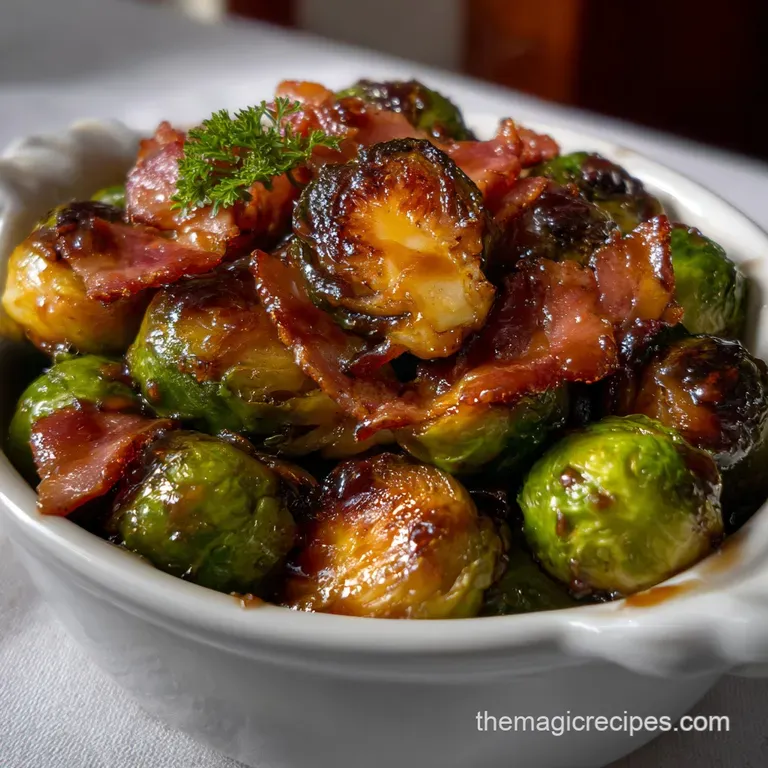
Follow these steps exactly. If you feel the urge to stir the sprouts every five minutes, don't. The "sear" happens when the cut side of the sprout stays in direct contact with the hot metal. This is the foundation of high-quality christmas side dishes recipe success when preparing these christmas sides.
- Preheat oven to 425°F. Note: Critical for immediate moisture evaporation.
- Trim 2 lbs Brussels sprouts.Note: Remove woody stems and halve vertically.
- Dice 6 oz thick cut bacon into 1/2 inch pieces.Note: Keeps bacon from vanishing during the over high heat render.
- Toss sprouts and bacon with 3 tbsp Colavita EVOO.Note: Ensure every sprout is lubricated to prevent sticking.
- Season with 1 tsp Morton Sea Salt and 1/2 tsp McCormick Black Pepper.Note: Osmotic pressure begins drawing out water for a better sear.
- Spread onto the baking sheet in a single layer.Note: Cut-sides down for maximum surface contact.
- Roast 20 minutes until the hissing subsides and edges look charred. Note: The "hiss" is steam; when it stops, the Maillard reaction begins.
- Whisk 3 tbsp Bertolli Balsamic, 2 tbsp Nature Nate’s Honey, and 1 minced garlic clove.Note: Creates a stable emulsion for the finish.
- Drizzle glaze over sprouts and add 1/2 cup chopped pecans.Note: Pecans toast in the final minutes to release essential oils.
- Roast 5 more minutes until glaze bubbles and turns mahogany.Note: Watch for a glossy sheen that doesn't run.
Chef's Tip: To prevent your pecans from burning while the glaze sets, soak them in the balsamic mixture for 60 seconds before tossing them onto the tray. This hydrates the nut slightly, buying you more time in the oven and improving the final quality of your christmas sides.
Solving the Mystery of Soggy Vegetable Sides
Why Your Christmas Sides Turn Bitter
When sprouts are cooked slowly or at low temperatures, the sulfur compounds (glucosinolates) have more time to release, resulting in that "old cabbage" smell. over High heat roasting at 425°F flash cooks the interior while the exterior undergoes caramelization, which creates a natural sweetness that masks any residual bitterness.
This technique is why these christmas sides consistently outperform boiled alternatives.
| Problem | Root Cause | The Fix | Pro Protocol |
|---|---|---|---|
| Soggy Sprouts | Pan overcrowding | Use two pans | Maintain 1 inch gaps between sprouts |
| Burnt Garlic | Added too early | Add in last 5 mins | Mix garlic into the liquid glaze first |
| Chewy Bacon | Pieces too large | Dice into 1/2 inch | Start with cold bacon for better rendering |
Strategic Modifications for Diverse Dietary Needs
If you're making these as best christmas side dishes for a large family, you might need to swap ingredients based on what's in your pantry or dietary restrictions. The fundamental science underpinning these christmas sides remains the same regardless of substitution.
- 2 lbs Brussels sprouts: 2 lbs Cauliflower florets. Why this? Similar density and water content allows for the same roasting time.
- 6 oz Thick cut bacon: 6 oz Prosciutto or Pancetta. Why this? High fat-to-protein ratio ensures proper vegetable frying.
- 3 tbsp Extra Virgin Olive Oil: 3 tbsp Avocado oil. Why this? Higher smoke point (520°F) prevents oil breakdown during long roasts.
- 1/2 cup Pecans: 1/2 cup Walnuts or Hazelnuts. Why this? Similar lipid profiles provide that earthy crunch.
- 3 tbsp Aged Balsamic: 3 tbsp Apple Cider Vinegar + 1 tsp brown sugar. Why this? Mimics the acid/sugar balance of balsamic.
- 2 tbsp Raw Honey: 2 tbsp Maple Syrup. Why this? Vegan alternative with a similar viscosity and caramelization point.
⚗️ The Scaling Lab: The Physics of Large Batch Sides
When you double this recipe for a party of 14, standard kitchen logic fails. You cannot simply double everything and put it in one pan. Serving successful christmas sides at scale requires doubling the equipment, not just the ingredients.
- The Maillard Killer: Doubling the meat/veg in one pan drops the internal oven temp by up to 50°F. This results in steaming. Mandatory: Use two separate pans on different oven racks and rotate them halfway through.
- Flavor Saturation: For a double batch, scale the 1 tsp salt to 1.5 tsp (not 2 tsp). Salt's impact on surface area is non-linear; it's easier to add a finishing pinch than to fix an over salted sprout.
- Thermal Mass Recovery: Adding 4 lbs of cold vegetables to a 425°F oven will cause the temp to crash. Fix: Preheat the baking sheets inside the oven. When you pour the oiled sprouts onto the hot metal, they will sizzle immediately, jump starting the sear.
Common Myths about Roasted Vegetables
Myth: You should boil sprouts before roasting to ensure the middle is soft. Truth: Boiling saturates the cell structure with water, making it impossible to get a crispy exterior.
The 25 minute roasting time at 425°F is more than enough to soften the core via internal steam, ensuring these christmas sides remain crisp.
Myth: Frozen sprouts work just as well as fresh. Truth: Frozen sprouts have suffered cell wall damage from ice crystals. When they thaw in the oven, they release massive amounts of water, resulting in a mushy texture. Stick to fresh for these christmas sides.
Preserving Textural Integrity During Storage
Storage and Zero Waste Strategy
- Fridge: Store in an airtight container for up to 4 days. The bacon fat will solidify; this is normal.
- Reheating: NEVER use a microwave it turns the sprouts into rubber. Reheat in a 400°F oven for 8 minutes or in an air fryer for 4 minutes to restore the "shatter" to the leaves. Proper reheating maintains the texture of these excellent christmas sides.
- Freezing: I do not recommend freezing this specific recipe. The balsamic glaze becomes tacky and the sprouts lose their structural integrity upon thawing.
? ZERO WASTE TIP: Don't discard the loose leaves that fall off during trimming! Transform: Toss them in a bowl with a tiny bit of oil and salt, then roast on a separate small tray for 10 minutes.
Science: These become "sprout chips" the high surface area-to-volume ratio makes them incredibly crispy and a great snack for the cook while the main dish finishes.
Visual Presentation and Pairings for Holiday Feasts
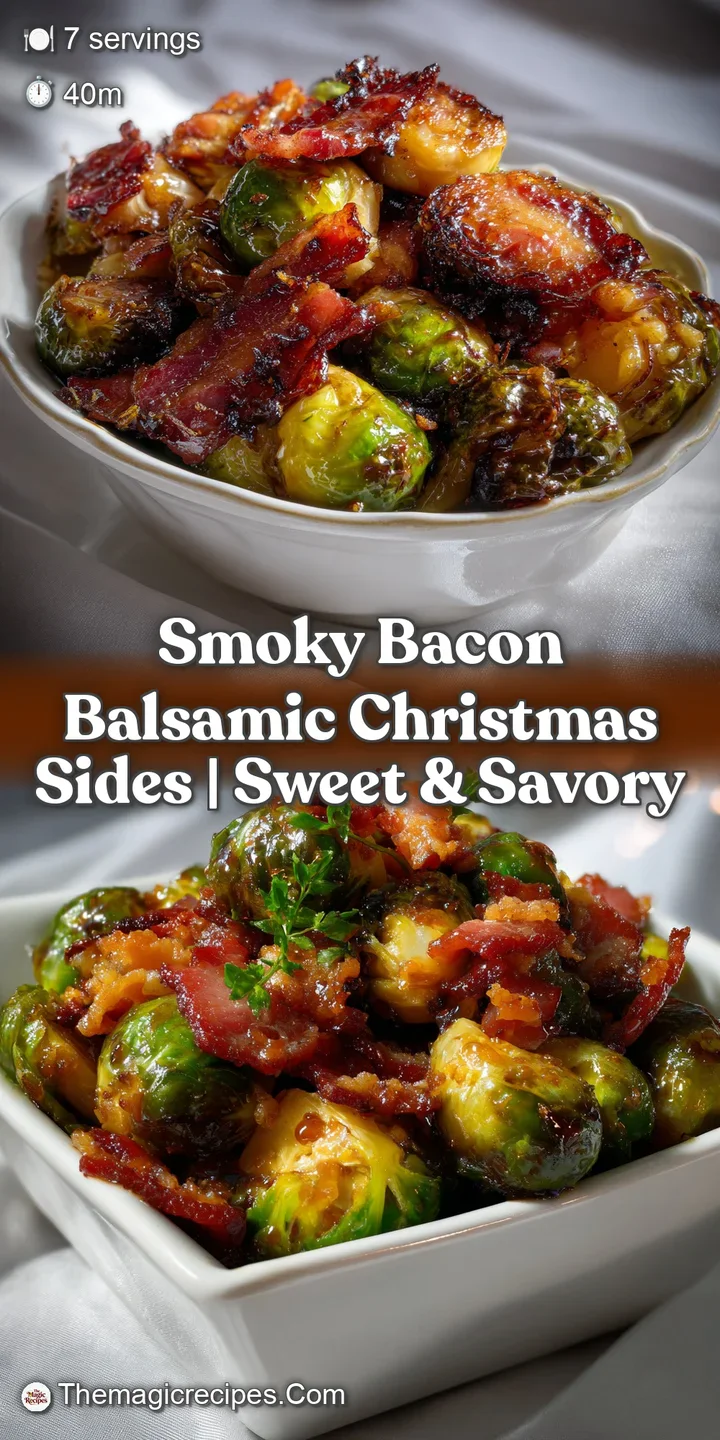
When serving these christmas sides, the goal is to maintain the contrast between the dark mahogany glaze and the bright green interiors. Transfer them to a warm serving bowl immediately after roasting.
If they sit on the baking sheet for too long, they will continue to cook in the residual heat, potentially burning the honey.
These sprouts pair exceptionally well with a citrus based main. If you're looking for a complete holiday spread, try serving them alongside our Cranberry Orange Christmas Punch recipe. The acidity in the punch mirrors the balsamic in the sprouts, creating a cohesive flavor profile across the meal.
If you want X, do Y:
- If you want more heat: Add 1/2 tsp red pepper flakes to the balsamic glaze.
- If you want more crunch: Increase pecans to 3/4 cup and don't chop them as finely.
- If you want a deeper umami: Add 1 tsp Worcestershire sauce to the honey balsamic mixture.
Getting these simple holiday sides right is about respecting the heat and not crowding your tools. Once you master the sizzle-to-char ratio, you’ll never go back to boring boiled greens again. Happy roasting with your new favorite christmas sides!
Recipe FAQs
What oven temperature ensures perfect caramelization?
425°F (218°C). This heat ensures rapid moisture evaporation crucial for the Maillard reaction. Temperatures below this cause vegetables to steam instead of sear.
Can I use pre-shredded cheese instead of fresh grated?
- Remove pan from heat first
- Add cheese in small handfuls
- Use fresh grated Gruyère (pre-shredded has cellulose coating)
Is it necessary to use thick cut bacon?
What is the critical surface area ratio for roasting?
Should I stir the sprouts while roasting?
Is boiling sprouts before roasting necessary?
Which fat is better: olive oil or avocado oil?
Smoky Bacon Balsamic Sides
Ingredients:
Instructions:
Nutrition Facts:
| Calories | 270 calories |
|---|---|
| Protein | 10 g |
| Fat | 19 g |
| Carbs | 20 g |
| Fiber | 6 g |
| Sugar | 11 g |
| Sodium | 545 mg |
