Snickerdoodle Cookies: Perfectly Tangy Soft
- Unlocking the Secret to the Ultimate Crinkle-Top Cookie
- The Science of Snickerdoodles: Achieving that Essential Tangy Chew
- Essential Components for Superior Snickerdoodle Baking
- Detailed Baking Method: From Dough to Dusted Perfection
- Expert Tips and Troubleshooting for Flawless Results
- Preservation Guide: Storing and Freezing Snickerdoodle Dough and Baked Cookies
- The Perfect Pairing: Enhancing Your Classic Cookie Experience
- Recipe FAQs
- 📝 Recipe Card
Unlocking the Secret to the Ultimate Crinkle Top Cookie
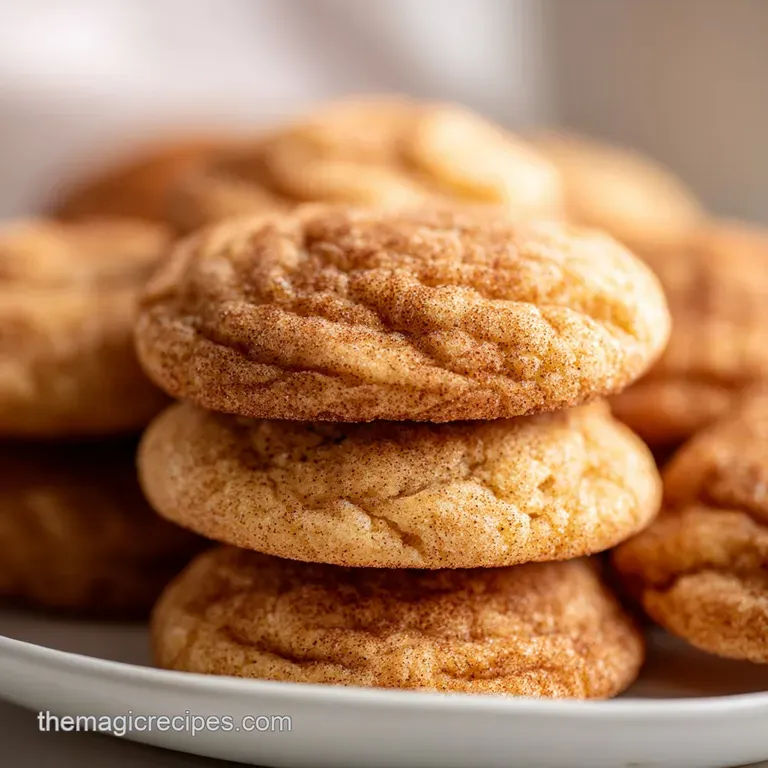
That smell, you know? The moment the cinnamon sugar hits the heat and the entire kitchen smells like pure, cozy nostalgia. That is exactly the sensory reward you get when baking these classic, tangy Snickerdoodle Cookies .
They offer the perfect balance of chewy center, slightly crisp edge, and that signature acidic lift that makes them so addictive.
Honestly, forget complicated bakes that require seven hours of chilling and rare ingredients. This recipe is fast, uses pantry staples, and delivers an infinitely satisfying result that blows away any store-bought biscuit.
When you need a fast win, or a gift that absolutely everyone loves, these Snickerdoodles are your go-to lifesaver.
I’ve tweaked this recipe for years, learning exactly why they sometimes spread too thin or lose their iconic chew. After countless messy batches, I have perfected the science needed to create the definitive Snickerdoodle Cookies —that perfect crinkle guaranteed every time.
Let’s dive into what makes this recipe stand out.
The Science of Snickerdoodles: Achieving that Essential Tangy Chew
The true beauty of a fantastic batch of Snickerdoodle Cookies isn't just the cinnamon; it’s the chemistry. These cookies are often underestimated, treated like standard sugar cookies, but they require a unique balance of fat and leavening agents that sets them apart.
Mastering the science ensures you get that iconic crinkle and soft texture.
What Exactly is a Classic Snickerdoodle and Why is it Unique?
A Snickerdoodle is fundamentally a drop sugar cookie, yes, but it’s the specific use of cream of tartar that changes its entire molecular structure. It is what separates these beauties from basic sugar biscuits, giving them their characteristic slightly sour, zesty flavor.
This isn't just a flavor note; it’s an active ingredient that controls the speed of the rise and prevents crystallization, which keeps them soft.
The Crucial Difference: Snickerdoodles vs. Standard Sugar Biscuits
If you try to make these with only baking soda, or swap in baking powder, you miss the point entirely. Standard sugar biscuits rely on baking powder for a gentle, even lift, resulting in a flatter, crispier cookie.
Snickerdoodle Cookies demand the dual action of baking soda and the cream of tartar's acidity. That reaction gives a dramatic burst of air, causing the cookies to rise quickly and then fall, creating the famous surface crinkles we crave.
Why Cream of Tartar is Non-Negotiable for Texture and Flavor
Cream of tartar is actually an acidic salt, which means when it combines with the alkaline baking soda, it creates carbon dioxide gas rapidly. This rapid gas release is exactly what gives Snickerdoodle Cookies their signature texture soft, airy, and yet still dense and chewy in the center.
Without it, you end up with a decent cinnamon sugar cookie, but never a true Snickerdoodle. The tangy flavour is just sublime and cannot be replicated.
The Role of Butter Temperature in Developing a Chewy Center
We use the creaming method here, and that means your butter must be perfectly softened not melted, not cold, just soft enough to easily indent. When you cream soft butter with granulated sugar, you are whipping tiny pockets of air into the mixture.
This air is essential; it’s the structure that holds the height when the cookie bakes. If your butter is too cold, you won't get enough air; if it’s melted, the structure is ruined, and your Snickerdoodle Cookies will spread into flat pancakes.
Understanding the Perfect Dough Consistency for Maximum Crinkling
The dough for proper Snickerdoodle Cookies needs to be soft, but not sticky. It should feel like firm putty, easy to roll into balls without sticking all over your hands. If your dough is too wet, it spreads; if it's too dry, it cracks before it even gets its signature crinkle.
Chilling the dough helps solidify the fat, guaranteeing that the cookie holds its shape long enough for the chemical reaction to work its magic and develop those beautiful cracks.
Essential Components for Superior Snickerdoodle Baking
To make truly superior Snickerdoodle Cookies , we need to discuss ingredients first, because precision matters here. Remember my terrible attempt years ago when I just eyeballed the flour? My cookies were dense bricks. Never again, my friend.
Mandatory Ingredient Checklist (Weighted Measurements)
I always recommend weighted measurements, especially for flour, but I’ve included volumetric measurements as well. Ensure everything is room temperature. This isn't just a suggestion; it’s a non-negotiable step for flawless Snickerdoodle Cookies .
- All-Purpose Flour: Use the scoop and level method if measuring by volume (2 ¾ cups).
- Cream of Tartar (2 tsp): Don’t skimp. This is the whole reason they are Snickerdoodles.
- Butter (1 cup): Unsalted is best so you control the salt level. Must be softened!
- Sugar (1 ½ cups): Granulated sugar is perfect for both the dough and the coating.
- Eggs (2 large): Room temperature eggs blend seamlessly into the creamed butter.
Choosing the Right Fat: Butter vs. Shortening Considerations
Classic recipes for Snickerdoodle Cookies often call for shortening or a butter/shortening blend. Shortening provides maximum structure and prevents spreading, ensuring a wonderfully chewy texture. However, butter provides unparalleled flavor.
I am a flavor snob, so I use 100% butter, relying on the mandatory chilling time to handle the spreading issue.
Crafting the Ideal Cinnamon Sugar Coating Ratio
Some recipes use a pathetic 1 tablespoon of cinnamon. We aren’t making just cinnamon sugar; we are building a flavour armor for these cookies. My ratio is 2 tablespoons of ground cinnamon to ¼ cup of granulated sugar.
That ratio is robust, fragrant, and provides the dark, spicy crust that contrasts perfectly with the tangy interior of the Snickerdoodle Cookies .
Quick Fixes: Substitutes if You Are Out of Cream of Tartar
Oh no, you’re ready to bake and the cream of tartar container is empty. Don’t panic entirely, but know that the flavor won't be identical. If you must substitute, swap the 2 tsp Cream of Tartar and 1 tsp Baking Soda for 3 teaspoons of Baking Powder .
You will get the lift, but the signature tangy zest will be missing. Honestly, just go buy the cream of tartar next time it lasts forever!
Scaling the Batch: Tips for Halving or Doubling Ingredients
This recipe easily doubles without issue. If you need to halve it, be careful with the eggs. Use one large egg and one large egg yolk, or simply whisk a second egg and measure half of it by weight (about 25 grams).
Baking half a batch of Snickerdoodle Cookies is a great idea if you only need a quick treat.
Chef’s Note: Do not try to substitute brown sugar into the dough. Brown sugar retains too much moisture, and these cookies are designed around granulated sugar to encourage maximum crisping and cracking.
Detailed Baking Method: From Dough to Dusted Perfection
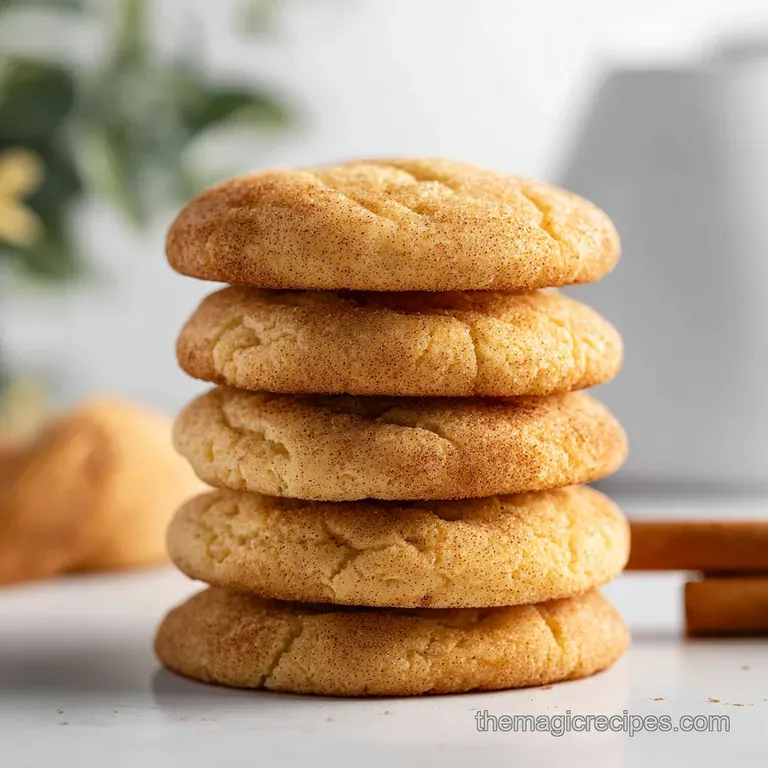
Getting the technique right is the final hurdle to amazing Snickerdoodle Cookies . Pay close attention to the timing, especially in the creaming stage, and you’ll succeed.
Step 1: Creaming the Butter and Sugar Properly for Air Incorporation
Place the softened butter and the 1 ½ cups of granulated sugar into your mixer bowl. Beat them together on medium speed for at least 3 to 5 minutes. You need to stop when the mixture is visibly pale yellow, light, and fluffy.
If it still looks dense or dark yellow, keep beating. Scrape down the bowl halfway through this process. This step is 50% of the success of your soft Snickerdoodles.
Step 2: Mixing the Dry Ingredients and Avoiding Overworking the Dough
Whisk your flour, salt, cream of tartar, and baking soda together thoroughly. Now, reduce your mixer to the lowest setting and gradually add the dry mixture. Mix only until the flour streaks disappear. The moment a soft dough forms, stop the mixer.
Overworking develops gluten , which makes your otherwise soft Snickerdoodle Cookies tough and bread like. Nobody wants tough cookies.
Step 3: The Double Rolling Technique for a Thicker Cinnamon Crust
This is my secret weapon! After chilling the dough for 30 minutes, use your scoop to form balls. Now, roll the dough ball once lightly in the cinnamon sugar mixture, pressing gently. Set it down, then roll it a second time, pressing slightly harder.
This "double roll" ensures a super thick, flavourful crust that crinkles beautifully in the oven.
Step 4: Oven Placement and Knowing When Your Cookies are Perfectly Done
Bake the cookies on the middle rack. If you use the bottom rack, the bottoms can set too quickly and spread too much. Bake for 9 to 12 minutes at 375°F (190°C), rotating the tray halfway through.
The edges should look just set, but the center must look pale, puffy, and slightly underbaked. When you remove them, they will look slightly soft in the middle.
Expert Tips and Troubleshooting for Flawless Results
I’ve made every mistake in the book when baking Snickerdoodle Cookies . I once tried rushing the dough, skipped the chill time, and ended up with sugary oil slicks. Learn from my errors!
The Most Common Reason Your Cookies Spread Too Thin (and how to fix it)
The number one culprit for thin, flat cookies is warm dough . If your kitchen is hot, or if you didn't chill the dough, the fat melts too quickly before the structure can set. Fix it: Always chill for at least 30 minutes.
If they are still spreading, chill your baking sheets in the freezer for 5 minutes before placing the dough on them. Also, check your baking soda if it’s old, the leavening reaction won’t be strong enough.
Achieving a Uniformly Soft Center Every Time
To guarantee that soft center, pull the Snickerdoodle Cookies out when they are 90% done. Letting them sit on the hot tray for 5 minutes finishes the baking process without drying out the interior. This residual heat trick works wonderfully, ensuring they stay perfectly chewy. This is the same principle I use for perfect Chocolate Chip Cookies: The Best Chewy, Gooey Melted Butter Recipe .
How Long Should I Chill the Dough?
A minimum of 30 minutes is required. However, if you are planning ahead, you can chill the raw dough balls overnight or up to 2 days. The longer they chill, the more intense the flavors become, and the better they hold their shape.
Don't worry, the perfect Snickerdoodle Cookies are worth the wait.
Preservation Guide: Storing and Freezing Snickerdoodle Dough and Baked Cookies
Whether you are baking ahead for the holidays or just trying to hide a few perfect Snickerdoodle Cookies from your family, knowing how to store them properly is vital.
Keeping Baked Snickerdoodles Fresh for Longer
Once completely cooled, store the baked cookies in an airtight container at room temperature. I often throw a half slice of bread into the container; the moisture from the bread transfers to the cookies, keeping them soft for up to five days.
Detailed Guide to Freezing Raw Dough Balls
Freezing the dough is the best decision you can make for future you. Scoop and roll the dough balls completely, coating them thoroughly in the cinnamon sugar mixture. Place them on a lined baking sheet and freeze them solid (about 2 hours).
Once solid, transfer the frozen Snickerdoodle Cookie Dough balls to a freezer safe bag or container. They last beautifully for up to three months. To bake, just place them on a sheet and add 2– 4 minutes to the original bake time. No need to thaw!
The Perfect Pairing: Enhancing Your Classic Cookie Experience
The final, essential step is enjoying the fruits of your labor! There is nothing better than biting into a warm, tangy Snickerdoodle Cookies fresh from the oven.
Beverage Pairings: Coffee, Milk, and Warming Spiced Teas
For me, the tang of the Snickerdoodle is balanced beautifully by a strong, milky cup of coffee or espresso. If you prefer a classic pairing, a cold glass of whole milk is always a winner. During the autumn, I love serving these with a cozy spiced cider or an Earl Grey tea.
They are universally loved and are the absolute perfect companion for almost any warming beverage.
They are also brilliant additions to any dessert platter, right alongside my tangy Crumbl Cookies: The Baker Street Pink Sugar Copycat Recipe . Go forth and bake these truly remarkable Snickerdoodle Cookies ! You earned this perfect chew.

Recipe FAQs
Why is Cream of Tartar essential for the perfect Snickerdoodle?
Cream of tartar is the defining ingredient for this cookie; it provides the signature tangy lift and works with baking soda to create a unique chemical leavening agent. This reaction prevents the cookie from spreading too thinly, resulting in that crucial soft, chewy center and distinctive cracked, sugary surface.
My cookies flattened out and spread too much. What went wrong?
Excessive spreading is typically caused by butter that was too soft (melted) or dough that was too warm before baking. Ensure your butter is cool room temperature and that you accurately measure your flour, as too little flour can also cause collapse.
If the dough feels overly sticky, give the rolled balls a quick 30-minute chill in the freezer before baking.
I don't have Cream of Tartar. Can I substitute it with baking powder?
While substitutions are possible, they fundamentally change the Snickerdoodle's iconic tangy flavor profile and texture. You can replace the called for amount of baking soda and cream of tartar with about 2 teaspoons of pure baking powder, but the resulting cookie will taste much more like a standard sugar cookie.
How do I know when the cookies are finished baking?
Snickerdoodles are best when slightly underbaked; remove them from the oven when the edges are set but the center still looks puffy and soft, perhaps even slightly glossy. They will continue to cook on the hot baking sheet, ensuring a perfectly soft, chewy interior once fully cooled.
Can I freeze Snickerdoodle dough for later use?
Yes, this dough freezes exceptionally well. Roll the dough into balls, coat them in the cinnamon sugar mixture, and freeze them solid on a baking sheet before transferring them to an airtight container or freezer bag.
When ready to bake, place the frozen balls directly on the tray, adding just 2 to 4 minutes to the standard baking time.
Why are my baked Snickerdoodles dry or tough?
A tough texture usually signals overmixing the dough once the flour is added, which overdevelops the gluten, or simply overbaking the cookies past the critical moment. Ensure you mix only until the flour streaks disappear, and always follow the internal cues of the cookie rather than relying strictly on the timer.
What is the best way to store the finished cookies to maintain their chewiness?
Store your cooled Snickerdoodles in an airtight container at room temperature for up to five days. A classic culinary trick for keeping them soft is to place half a slice of plain white bread inside the container; the cookies absorb the moisture from the bread instead of drying out themselves.
Soft Cream Of Tartar Snickerdoodle Cookies
Ingredients:
Instructions:
Nutrition Facts:
| Calories | 101 kcal |
|---|---|
| Protein | 1.0 g |
| Fat | 4.0 g |
| Carbs | 5.0 g |
