Caramel Apple: the Best Sticky Toffee Recipe for Autumn

- The Best Sticky Toffee Caramel Apples: A Proper Autumnal Treat
- The Science Behind This Superior Caramel Texture
- Essential Ingredients and Expert Substitutions
- Step-by-Step: Mastering the Homemade Caramel Apple Dip
- Troubleshooting Common Caramel Apple Mistakes
- Storage, Shelf Life, and Make-Ahead Caramel Apples
- Serving Suggestions and Gourmet Topping Pairings
- Recipe FAQs
- 📝 Recipe Card
The Best Sticky Toffee Caramel Apples: A Proper Autumnal Treat
That smell. It’s the deep, buttery fragrance of slow cooked sugar and heavy cream, instantly signaling autumn and everything cozy. Forget those pale, waxy cones you find at the fair; we’re chasing the kind of velvety, chewy caramel that offers a proper tug-of-war before yielding to a crisp, tart apple crunch.
Honestly, this caramel apple recipe feels gourmet but uses ingredients you probably have chilling in the pantry and fridge right now. It takes a little patience, sure, but the active cooking time is short, and the payoff is huge, especially when you need a showstopper dessert that costs next to nothing to produce.
Plus, homemade caramel just tastes like pure nostalgia.
I’ve ruined countless batches of caramel burnt sugar, crystallized lumps, and the heartbreaking moment when the coating slides right onto the parchment paper. But I’ve cracked the code on making homemade caramel apples , and I’m spilling the tea on the exact temperatures and techniques needed to ensure your result is absolutely perfect every single time.
Let's crack on, shall we?
The Science Behind This Superior Caramel Texture
The Secret to a Chewy, Not Crumbly, Caramel Coating
The trick to an incredible texture is balancing sugar crystallization and moisture, which is why we incorporate corn syrup. This syrup acts as an interfering agent, actively preventing those pesky sugar crystals from reforming once the mixture has boiled.
This small addition keeps the final product smooth, gloriously sticky, and genuinely chewy, unlike brittle or grainy caramel.
Choosing the Right Stick and Preparation Method
Listen, plastic skewers look cute, but you need structure for a heavy apple coated in thick caramel. Invest in sturdy wooden dowels or thick metal skewers; they prevent the apple from spinning when you dip it, which happens more often than you'd think.
Also, the non-negotiable step of quickly rinsing and drying the apple is what ensures perfect adhesion do not skip the hot water rinse!
Why the Homemade Toffee Style Always Wins
store-bought caramel wraps often contain stabilizers and gelatin, leading to a dull, overly sweet flavour profile. Our sticky toffee style relies heavily on high-quality unsalted butter and heavy cream, resulting in a rich, complex flavour depth that store-bought versions simply can’t touch.
It tastes like real, deep gold butterscotch heaven.
Balancing Acidity: Why Granny Smiths Are Key
A massive mistake people make when crafting caramel apples is choosing a sweet apple like Red Delicious. That much sugar on sugar is just sickening! The high acidity and firm texture of a Granny Smith apple cuts through the intense richness of the caramel beautifully, providing necessary relief for your palate.
This tart contrast is what makes this best caramel apple recipe sing.
Achieving the Ideal 245°F Soft Ball Stage
This temperature, 245°F (118°C), is absolutely non-negotiable for that perfect, velvety texture. If you go lower, the caramel will remain too soft and slide right off the apple as it sets. If you go higher, you’ll end up with hard, jaw-breaking toffee.
You must use a reliable candy thermometer to hit the "Firm Ball" stage this is the sweet spot that ensures the coating sets up firmly but remains delightfully pliable when you bite into it.
The Role of Heavy Cream and Butter in Preventing Graininess
The heavy cream and cubed butter are essential for both richness and emulsion. Always, always add them warm to the hot sugar mixture; adding cold dairy causes a major temperature shock to the sugar base, encouraging it to seize up into a frustratingly grainy mess.
That high fat content is also why the velvety caramel apple recipe results in such a luxurious, smooth finish.
Essential Ingredients and Expert Substitutions
The Best Apples for Dipping: Tartness vs. Sweetness
I swear by Granny Smith for the ultimate contrast, but sometimes you want a little less pucker. Honeycrisp or even firm Gala apples are great alternatives; they stay beautifully crisp and offer a slightly sweeter background.
Whatever you choose, it needs to be firm enough to withstand the hot dip without becoming mushy.
Sugar Types: Granulated vs. Brown Sugar Depth
We start with pure granulated sugar for clarity in the base, but if you want an even deeper, molasses-y depth in your homemade caramel apples , you can swap out 1/4 cup of the white sugar for packed light brown sugar.
This creates a slightly fudgier taste, but be warned, it makes monitoring the exact amber colour harder.
Adding Sea Salt for Flavour Contrast
Do not skip the salt. That small half teaspoon of fine sea salt isn't just for salting the caramel it instantly enhances every other flavour profile, cutting the cloying sweetness. If you only have table salt, use slightly less than the recipe calls for, as table salt is generally stronger and denser by volume.
Preparation Checklist: Equipment and Tools
You need a heavy bottomed saucepan, full stop. A thin bottomed pot will scorch your sugar in seconds, and that burnt taste will ruin the entire batch. Also, use a light coloured pot if possible; it allows you to truly see the amber development of the caramel, which is crucial for achieving that deep toffee flavour.
Chef's Note: My worst mistake was trying to rush the temperature. I once cranked the heat, resulting in a caramel that was 245°F on the thermometer but burnt black on the bottom. Keep the heat steady and medium high for best results.
| Ingredient | Recommended Choice | Viable Substitution |
|---|---|---|
| Heavy Cream | 35% whipping cream | Whole Milk + 1 Tbsp extra butter |
| Corn Syrup | Light Corn Syrup | Golden Syrup (slight honey flavor) |
| Vanilla Extract | Pure extract | Bourbon or Aged Rum (adds adult complexity) |
| Apples | Granny Smith (Tart) | Fuji or Gala (Sweeter, still crisp) |
step-by-step: Mastering the Homemade Caramel Apple Dip
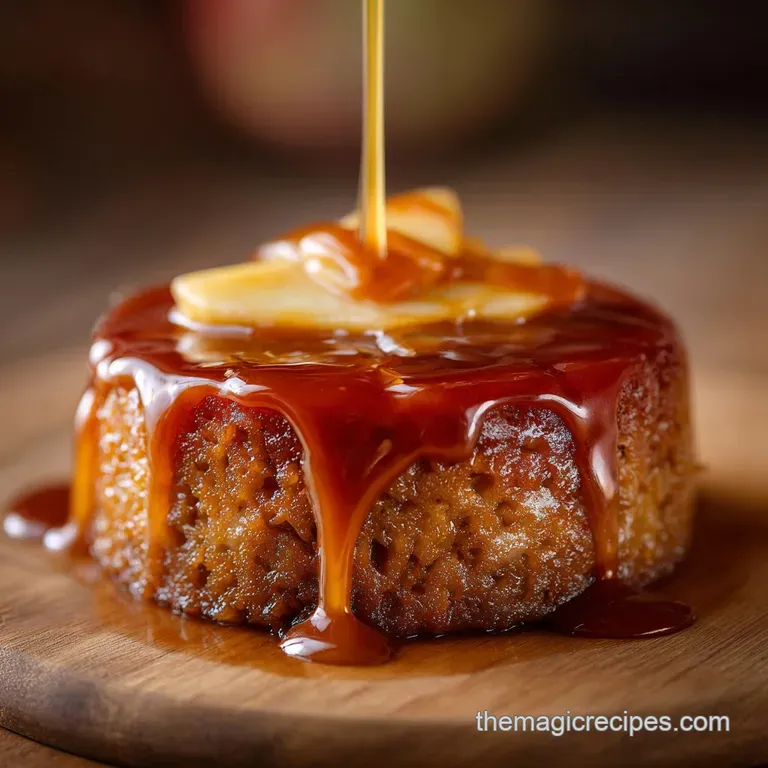
Apple Prep 101: Removing the Wax Coating
- Bring a kettle of water to a rolling boil.
- Quickly pour the boiling water over the apples in a sink or bowl for exactly three to five seconds do not soak the apples!
- Immediately dry them thoroughly with a clean kitchen towel until they feel completely dry and slightly squeaky. This crucial step removes the commercial wax coating that makes the caramel slip off.
- Insert your sturdy skewers firmly into the stem end of each apple, pushing about halfway down the core.
Precise Temperature Control: From Melting to Setting
- Gently warm the heavy cream and cubed butter in a separate small saucepan until the butter is just melted, then keep it warm.
- Combine the sugar, corn syrup, and water in your heavy bottomed main pot. Stir once, set the thermometer, and bring to a boil over medium high heat.
- Do not stir once the sugar is boiling, or you will cause crystallization. Use a damp pastry brush to wash down any sugar crystals forming on the pot's sides.
- Cook until the mixture reaches 320°F (160° C) , which develops the initial caramel flavour.
- Remove the saucepan from the heat. Very slowly and carefully pour the warm cream/butter mixture into the hot sugar, whisking gently. It will bubble violently and steam be cautious!
- Return the pot to the heat and cook, stirring constantly, until the caramel reaches the perfect texture point: 245°F (118° C) (Firm Ball Stage).
- Remove from heat, stir in the vanilla extract and sea salt, and let it cool for 5 minutes.
The Double Dip Technique for an Even Coat
Once the caramel has cooled slightly and is still easily pourable, it’s time to dip. Tilt the saucepan deeply to one side to maximize the caramel depth. Quickly plunge the apple into the caramel, rotating it to ensure a complete, even coating.
Hold the apple over the pan for a few seconds, allowing the excess to drip off, then use the bottom edge of the pan to scrape away any major pooling.
Setting the Caramel Quickly and Securely
Place the freshly dipped apples directly onto the prepared parchment lined sheet. Do not let them touch each other. Immediately transfer the baking sheet to the refrigerator and chill for at least 45 minutes until the caramel is completely firm and set.
This quick chill ensures the coating solidifies into a perfect shell instead of slumping down the sides.
Troubleshooting Common Caramel Apple Mistakes
Why the Caramel Slides Off (And How to Fix It)
Nine times out of ten, the caramel slides off because you didn't properly wash the wax coating off the apple. Fix this by ensuring your apples are squeaky clean and completely bone dry before inserting the skewer.
If the caramel itself is the problem, check your temperature: if it was cooked too hot (over 250°F), it's too thin and simply runs off.
Dealing with Crystallization in the Pot
Crystallization happens when a stray, undissolved sugar granule acts as a seed, causing the whole batch to turn gritty. You prevent this by only stirring the initial cold mixture, then never stirring once the mixture is boiling. Use that damp pastry brush!
If the entire batch turns cloudy and gritty after adding the cream, unfortunately, you have to start over.
Adjusting Consistency If the Caramel is Too Thick or Thin
If your caramel cools too much and becomes too thick to dip (it happens fast!), simply return it to very low heat and stir until it reaches a fluid, dip-able consistency again. If it is too thin (runny) after dipping, it means you didn't cook enough water out; return it to the heat and cook slowly until the thermometer confirms you’ve hit the required 245°F.
Storage, Shelf Life, and make-ahead Caramel Apples
Fridge vs. Counter: Maintaining Freshness
Caramel apples must be stored in the refrigerator. Store them individually wrapped in cellophane or small paper bags. They will keep beautifully for about 5 to 7 days.
Storing them on the counter, especially in humid conditions, will cause the caramel to sweat, becoming sticky and ultimately sliding off the apple a total disaster.
Can You Freeze Caramel Apples? (Spoiler: Not Recommended)
Short answer: No, absolutely not. When frozen and thawed, the apple loses its desirable crispness and becomes mealy and soft. The beautiful caramel shell also tends to absorb moisture, resulting in a very disappointing, textureless experience. Eat them fresh!
Optimal Storage for Unused Caramel
If you have leftover caramel (lucky you!), pour it into a clean, airtight container. It keeps in the fridge for up to two weeks. To reuse, gently microwave it in 30 second bursts, stirring until smooth, or place the sealed container in a warm water bath until it melts into a rich caramel sauce perfect for drizzling over ice cream.
Serving Suggestions and Gourmet Topping Pairings
These sticky toffee apples are gorgeous served entirely on their own, but if you want to be extra, there are ways to seriously impress. I often crush up some salty peanuts or pecans and scatter them over the base while the caramel is still tacky for a buttery crunch.
A simple drizzle of melted dark chocolate really seals the deal and looks super professional.
If you’re hosting a big autumn bash and need other easy, warm desserts that demand little effort, you could always try one of my foolproof recipes like the Dump Cake Recipes: The Easiest Cherry Pineapple Bake (10 Min Prep) while these apples set up in the fridge. Serve these gorgeous, cold caramel apples alongside strong coffee or a smoky, spiced cider for the perfect seasonal pairing.

Recipe FAQs
Why is my homemade caramel sliding off the apples?
This common issue is typically caused by residual wax or moisture on the apple skin. To fix this, briefly dip your apples in boiling water for 15 seconds, scrub gently to remove the wax coating, then dry them completely and chill them thoroughly before dipping.
My caramel turned out too hard and brittle. What temperature should I aim for?
The caramel was likely cooked past the "Soft Ball" stage, resulting in a brittle texture upon cooling. For a proper, chewy, sticky toffee style caramel, you must pull the mixture off the heat precisely when it reaches 245°F to 250°F (118°C to 121°C).
How should I store leftover caramel apples, and how long do they last?
Wrap each cooled caramel apple individually in wax paper or cellophane and store them in the refrigerator. They are best enjoyed within 3 to 5 days; extended storage causes the moisture from the apple to seep out and makes the caramel layer too soft and wet.
Can I use different apples besides Granny Smith?
While Granny Smith is strongly recommended for its high acidity which perfectly cuts through the rich, heavy caramel, you can substitute with other firm apples like Fuji or Honeycrisp. Ensure the apple is cold, crisp, and robust enough to support the weight of the caramel coating.
My caramel hardened before I could finish dipping. Can I reheat it?
Yes, you can gently reheat the caramel in a heavy bottomed saucepan over very low heat until it becomes fluid again (around 180°F/82°C). Stir constantly during reheating, but be cautious, as excessive reheating can cause the sugar to crystallize.
How can I prevent sugar crystallization when making the caramel?
To avoid crystallization, ensure you do not stir the mixture once the sugar begins to boil until after you have added the dairy products. If necessary, use a wet pastry brush to wash down any sugar crystals clinging to the sides of the saucepan during the cooking process.
Can I dip the apples in chocolate or add toppings immediately?
Yes, adding toppings like nuts or sprinkles should be done immediately after dipping in caramel, while the surface is still sticky and molten. If you plan to dip the caramel apple in melted chocolate, allow the caramel layer to fully set and cool for at least 30 minutes before dipping into the tempered chocolate.
Sticky Toffee Caramel Apple Recipe
Ingredients:
Instructions:
Nutrition Facts:
| Calories | 500 kcal |
|---|---|
| Fat | 22 g |
| Fiber | 4 g |
