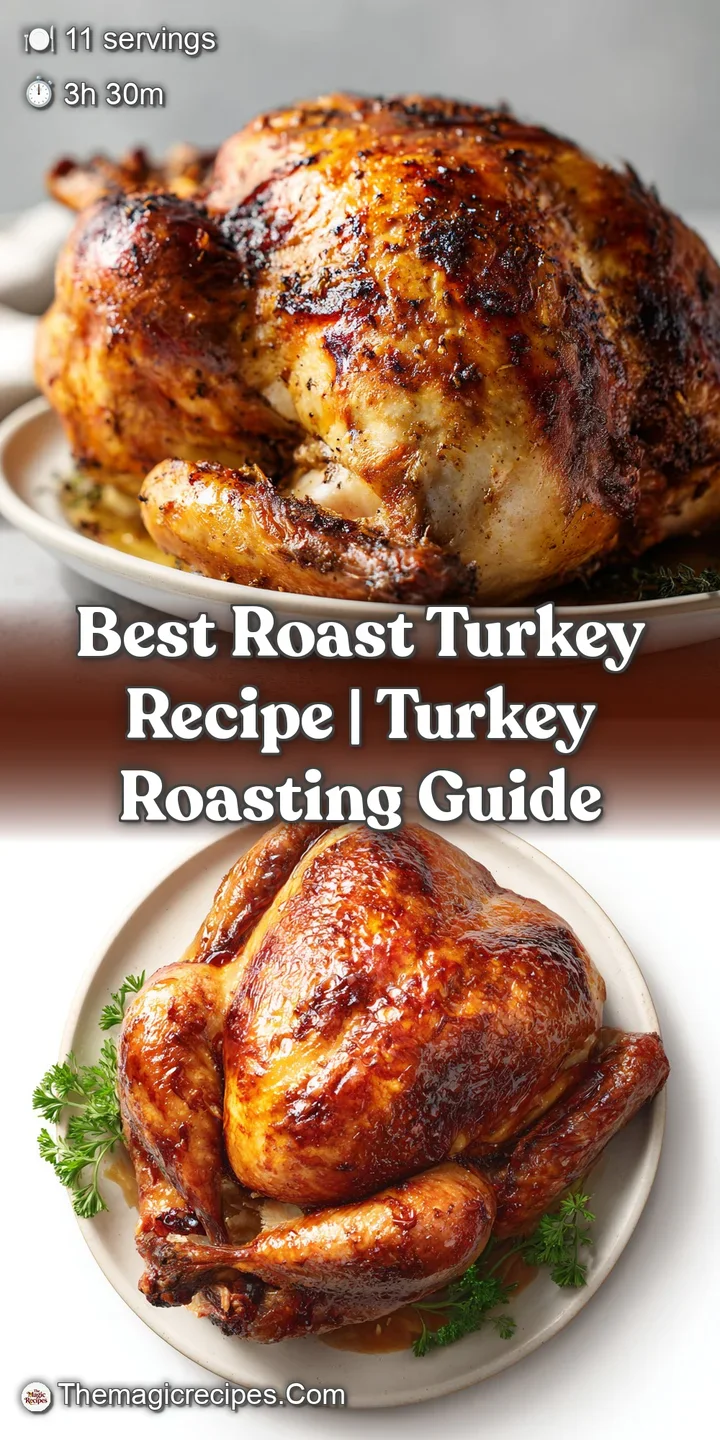
Succulent Roast Turkey with Glass-Like Skin
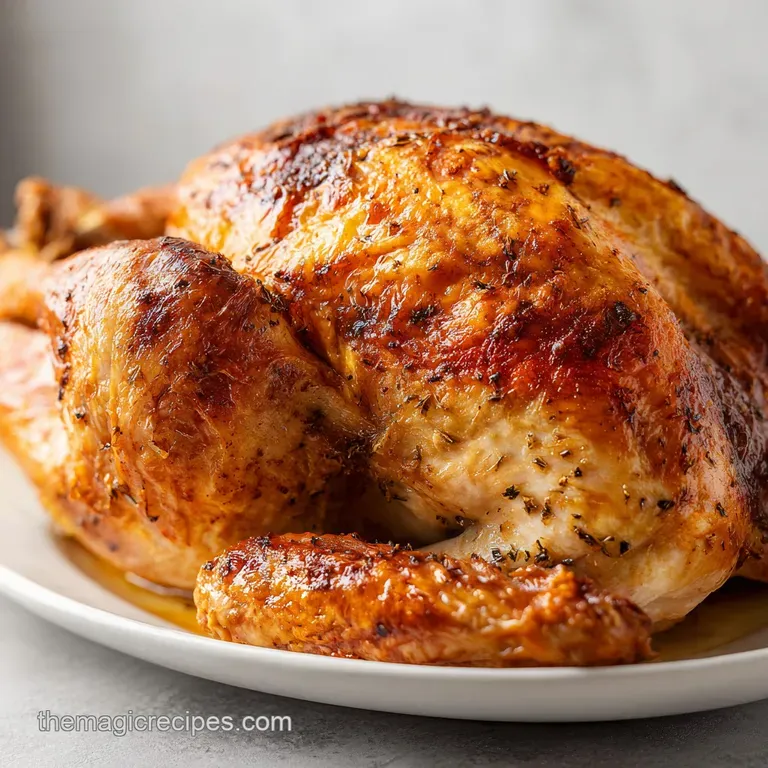
- Time: Active 45 minutes, Passive 2 hours 45 mins, Total 3 hours 30 mins
- Flavor/Texture Hook: Herb infused, buttery meat with a glass like skin snap
- Perfect for: High stakes holiday dinners or large family Sunday roasts
- Master the Art of a Classic Roast Turkey
- Essential Stats for a Perfectly Cooked Holiday Bird
- Selecting Your Aromatics and High Quality Fat Sources
- Necessary Kitchen Gear for Stress Free Holiday Cooking
- Step by Step Guide to a Succulent Result
- Critical Troubleshooting for the Most Common Cooking Errors
- Smart Substitutions for Guests with Special Dietary Needs
- Best Practices for Keeping Leftovers Fresh and Juicy
- Creative Ways to Plate and Enjoy Your Meal
- Very High in Sodium
- Roast Turkey FAQs
- 📝 Recipe Card
Master the Art of a Classic Roast Turkey
There is a specific sound that happens when you pull a 13 lb turkey out of the oven after three hours of heat. It's a low, rhythmic hiss of rendered fat dripping into the pan juices, accompanied by the herbaceous aroma of toasted rosemary and sage hitting your senses.
I remember my first solo holiday bird I was so terrified of serving a dry, chalky mess that I basted it every fifteen minutes like a lifeguard on high alert. The result? A pale, soggy skin and a bird that was cold inside because I kept opening the oven door.
It was a learning curve that led me straight to the method I’m sharing today.
Forget the frantic basting and the stress of wondering if it's done. We are going to treat this Roast Turkey with a bit of kitchen science and a lot of butter. We’re aiming for that deep mahogany color that makes everyone at the table reach for their phones before they reach for their forks.
This recipe is designed to be approachable and budget smart, using basic aromatics and a simple salt technique that does the heavy lifting while you focus on the side dishes. Trust me, once you hear that first crack of the skin under the carving knife, you’ll never go back to the old way.
This isn't just about a recipe; it's about a reliable system. We’ve all seen the Pinterest perfect birds that end up tasting like cardboard. We’re avoiding that by using a dry brine approach and a high impact herb butter that acts as an insulation layer for the breast meat.
You'll get the kind of results that usually require a fancy culinary degree, but with the tools you already have in your cupboard. Let’s get that oven preheated and walk through exactly how to make this work.
Essential Stats for a Perfectly Cooked Holiday Bird
The Science of the Skin Snap: Dry brining utilizes osmosis to draw moisture out of the skin while pulling seasoned salt deep into the muscle fibers to break down proteins. This dehydration of the surface is what allows the skin to transition from soft to a brittle, crackling texture during the roast.
| Thickness (Breast) | Internal Temp | Rest Time | Visual Cue |
|---|---|---|---|
| 3 to 4 inches | 160°F (Carryover to 165°F) | 30 to 45 mins | Juices run clear when thigh is pierced |
| 4 to 5 inches | 160°F (Carryover to 165°F) | 45 to 60 mins | Legs move easily in their sockets |
| Under 3 inches | 160°F (Carryover to 165°F) | 20 to 30 mins | Skin is taut and deeply bronzed |
Giving your bird enough time to rest is just as important as the cook time itself. If you cut into it too early, all those hard earned juices will end up on the cutting board instead of in the meat.
The internal temperature will continue to rise by about 5 degrees after it leaves the oven, so pulling it at 160°F is the secret to avoiding that "sawdust" texture in the white meat.
Salt Brine Benefits
Using kosher salt early is non negotiable for a savory result. It changes the structure of the meat so it can hold onto more liquid during the over high heat phase.
Temperature Control Secrets
A steady oven is your best friend here. Avoid the temptation to "peek" as losing heat extends the cook time and dries out the exterior.
Herb Butter Power
Fat is a conductor of flavor and a protector against heat. Shoving that herb butter directly under the skin creates a physical barrier that bastes the meat from the inside out.
Selecting Your Aromatics and high-quality Fat Sources
| Component | Science Role | Pro Secret |
|---|---|---|
| Kosher Salt | Protein Denaturation | Use coarse grains to avoid over salting the bird |
| Unsalted Butter | Moisture Barrier | Soften at room temp for easy skin separation |
| Fresh Sage/Rosemary | Volatile Oil Infusion | Chop finely to release oils into the butter fat |
| Yellow Onion | Steam Generation | Quarters provide structural support inside the cavity |
When choosing your bird, a fresh 13 lb whole turkey is usually the easiest to handle, but a completely thawed one works just as well. If you find yourself in a flavor rut, consider using a Turkey Injection Marinade recipe to add even more moisture directly into the thickest parts of the breast before you start the roasting process.
For the fat, I always reach for unsalted butter because it lets me control the salt levels myself. If you’re watching your budget, you can use a high-quality margarine, but the flavor won't be as rich or velvety.
The aromatics inside the cavity lemon, garlic, and onion don't just add flavor; they release steam that keeps the inside of the bird moist while the outside crisps up.
- 13 lb whole turkey Why this? Ideal size for even cooking without drying the outer layers.
- 3 tbsp kosher salt Why this? Draws out moisture for a superior skin crackle.
- 1 cup unsalted butter (softened)
- 2 tbsp fresh sage (finely chopped)
- 2 tbsp fresh rosemary (finely chopped)
- 1 tbsp fresh thyme (finely chopped)
- 4 cloves garlic (minced)
- 1 tsp black pepper
- 1 large yellow onion (quartered)
- 1 head garlic (halved crosswise)
- 1 lemon (halved)
- 1 bunch fresh sage, rosemary, and thyme
- 2 cups low sodium chicken or turkey stock
If you happen to be out of fresh herbs, you can substitute 1 tablespoon of dried poultry seasoning for the chopped fresh herbs in the butter, though the flavor will be more muted. For a different twist on the traditional method, you might want to look into a Spatchcocked Turkey recipe which cuts the cooking time in half by removing the backbone and laying the bird flat.
Necessary Kitchen Gear for Stress Free Holiday Cooking
Having the right tools is the difference between a calm kitchen and a chaotic one. You need a heavy duty roasting pan with a rack; the rack is vital because it allows hot air to circulate under the bird, preventing a soggy "bottom." A digital meat thermometer is also a mandatory piece of kit relying on those plastic pop up timers is a recipe for an overcooked dinner.
Chef Tip: If your roasting pan is thin or flimsy, place it on a sturdy baking sheet. This adds a layer of insulation that prevents the pan drippings from burning and smoking up your kitchen.
I also recommend having some kitchen twine on hand. Tying the legs together known as trussing helps the turkey cook more evenly by keeping the cavity closed and the legs tucked in.
If you don't have twine, you can usually tuck the legs under the skin flap at the tail, but the twine provides a more secure hold.
Selecting the Bird
Look for a turkey that hasn't been "pre brined" or "enhanced" with a salt solution if you want total control over the seasoning.
The Herb Butter Mix
Always mince your garlic as small as possible so it integrates fully into the butter without leaving large, pungent chunks.
Preparing the Cavity
Don't pack the onion and lemon too tightly; air still needs to move around inside to ensure everything reaches a safe temperature.
step-by-step Guide to a Succulent Result
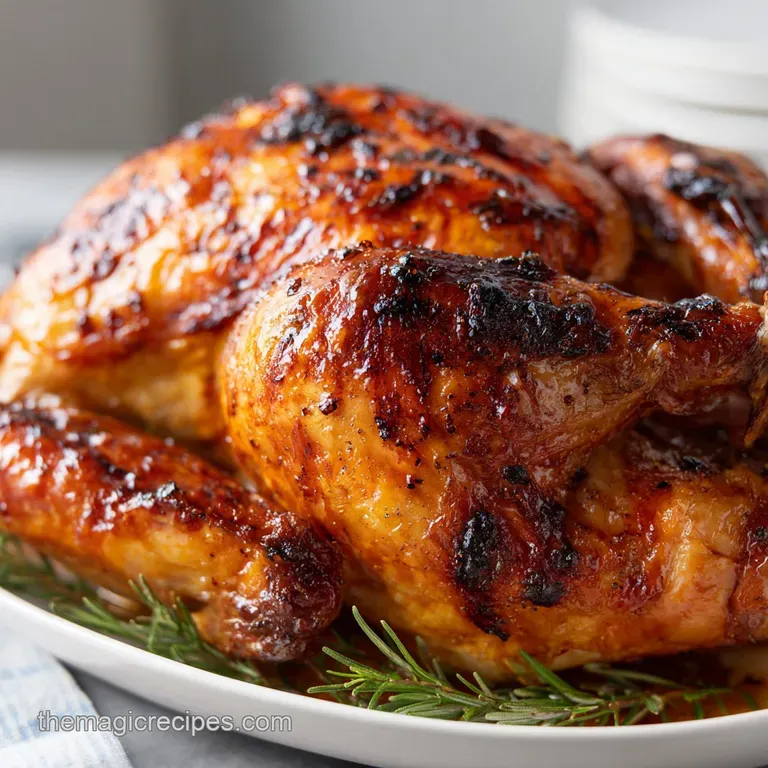
- Dry the bird. Pat the 13 lb turkey with paper towels until the skin feels like parchment paper. Note: This is the most important step for crispy skin.
- Apply the salt. Rub 3 tbsp kosher salt over the entire exterior and inside the cavity. Note: Let it sit in the fridge for at least 12 hours if time permits.
- Mix the butter. Combine 1 cup softened butter, chopped sage, rosemary, thyme, minced garlic, and pepper in a bowl.
- Separate the skin. Gently slide your hand between the skin and the breast meat until you create a pocket without tearing the skin.
- Apply herb butter. Spread half the butter mixture under the skin and rub the remaining half over the outside.
- Stuff the cavity. Insert the quartered onion, halved garlic head, lemon halves, and herb bunch until the cavity is loosely filled.
- Prepare the pan. Pour 2 cups stock into the roasting pan and set the turkey on the rack.
- Initial roast. Bake at 425°F (220°C) for 30 minutes until the skin starts to turn golden.
- Finish roasting. Lower the heat to 325°F (165°C) and continue cooking until the thermometer hits 160°F.
- Rest the meat. Move the bird to a board and wait 45 minutes until the juices have redistributed.
During the "Low and Slow" phase, your kitchen will start to smell incredible. If you see the breast skin getting too dark before the thighs are done, simply tent a piece of foil over the top like a little hat.
This reflects the heat away from the delicate white meat while letting the legs continue to soak up the warmth.
Prep and Brine Steps
Always start with a completely thawed bird to avoid a frozen center and raw meat near the bone.
Stuffing and Seasoning Guide
If you're using a budget friendly frozen bird, make sure you remove the giblets from both the neck and the main cavity before you start seasoning.
The Initial High Heat
This blast of heat renders the fat quickly, setting the stage for a mahogany crust that stays firm even after resting.
Low and Slow Finish
Reducing the temperature allows the internal parts of the bird to catch up without burning the delicate exterior.
Internal Temp Checks
Always probe the thickest part of the thigh, making sure you don't hit the bone, which can give a false high reading.
The Mandatory Resting Phase
Resting is where the magic happens. The muscle fibers relax and pull those juices back in, ensuring every slice is moist.
Critical Troubleshooting for the Most Common Cooking Errors
One of the most frequent issues people face is "The Pale Bird Syndrome." This usually happens because there was too much moisture on the skin when it went into the oven. If you find your skin isn't browning, check your oven temperature with a secondary thermometer; many ovens run 25 degrees cooler than the dial says.
Why Your Roast Turkey Is Dry
If your meat feels like sawdust, it's almost certainly because it stayed in the oven too long. Carry over cooking is a real physical phenomenon where the exterior heat continues to move toward the center even after you pull it out.
Always pull the bird at 160°F to hit that sweet spot of 165°F after resting.
| Problem | Root Cause | Solution |
|---|---|---|
| Soggy Skin | Excess surface moisture | Pat dry and air chill uncovered in the fridge for 12 hours |
| Raw Thighs | Uneven heat distribution | Ensure the legs aren't pressed too tightly against the body |
| Burnt Butter | Oven temp too high for too long | Tent with foil if browning occurs too rapidly |
Another common mistake is basting. While it seems helpful, every time you open that door, the oven temperature drops significantly. This actually lengthens the cook time and results in a steamed, rather than roasted, texture. Trust the herb butter under the skin to do the moisturizing for you.
The Thawing Trap Fix
Never thaw your turkey on the counter. Use the fridge (allow 24 hours for every 4-5 lbs) or a cold water bath changed every 30 minutes.
Ignore the Pop Up Timer
These are set to 180°F, which is far beyond the point of "dry." Throw it away and use a digital probe for accuracy.
Why Basting Fails
Basting adds moisture to the surface, which prevents the skin from crisping. It's better to leave the oven shut and let the dry heat work.
Common Mistakes Checklist: ✓ Forgot to remove the giblet bag from the neck cavity. ✓ Starting with a partially frozen bird (results in uneven cooking). ✓ Tucking the wings under too tightly (prevents skin browning on the sides).
✓ Slicing the meat immediately without a 30 minute rest. ✓ Using a dull knife that shreds the meat instead of slicing cleanly.
Smart Substitutions for Guests with Special Dietary Needs
When you're cooking for a crowd, you often have to navigate various dietary requirements. The good news is that Roast Turkey is naturally gluten-free and high in protein, making it a great centerpiece for most diets. The main area for adjustment is the fat used for the skin and the stock used in the pan.
If you need to scale this recipe down for a smaller group, you can use a turkey breast instead of a whole bird. Reduce the salt to 1 tablespoon and the butter to 1/2 cup. The cooking time will drop significantly, usually taking about 1 hour 15 mins to 1 hour 45 mins depending on the weight.
| Original Ingredient | Substitute | Why It Works |
|---|---|---|
| Unsalted Butter | Olive Oil or Vegan Butter | Provides the necessary fat for browning. Note: Olive oil won't be as "creamy." |
| Chicken Stock | Vegetable Broth | Same liquid volume for steam. Note: Flavor profile will be slightly sweeter. |
| Fresh Herbs | Dried Poultry Seasoning | Concentrated flavor. Note: Use 1/3 the amount of fresh herbs. |
When scaling up for a massive 20 lb bird, don't just double the salt. Use about 1.5 times the salt and spices, or you risk an over seasoned exterior. For larger birds, you also need to be careful with the liquid in the pan; if it evaporates too fast, add another cup of stock halfway through to prevent the drippings from scorching.
dairy-free Substitutes
A high-quality vegan butter or even duck fat makes an incredible dairy-free alternative for the herb rub.
Lower Sodium Options
Use a salt free herb blend for the butter rub and stick to water or home-made no salt stock in the bottom of the pan.
Best Practices for Keeping Leftovers Fresh and Juicy
Leftover Roast Turkey is practically a holiday requirement. To keep it from drying out, carve the meat off the bone before storing it. Place the slices in an airtight container and pour a little bit of the leftover pan juices or stock over them before sealing.
This creates a moist environment that prevents the meat from oxidizing and turning grey.
- Fridge: Stays fresh for up to 4 days in a sealed container.
- Freezer: Can be frozen for up to 3 months. Slice it first for easier thawing later.
- Reheating: Use a low oven (300°F) with a splash of stock and a foil cover to gently steam the meat back to life.
For zero waste, don't you dare throw away that carcass! The bones, neck, and any leftover skin are gold for making a rich, gelatinous stock. Throw them in a pot with some celery scraps, carrot peels, and water, then simmer for 4 hours.
You can freeze this stock in ice cube trays for a quick flavor boost in future soups and sauces.
Creative Ways to Plate and Enjoy Your Meal
Presentation is half the battle when it comes to a festive dinner. Instead of carving the turkey at the table (which can be messy and stressful), I prefer to carve it in the kitchen and arrange the slices on a large pre warmed platter.
Garnish the edges with fresh sprigs of the same herbs used in the butter rosemary and sage and add some halved pomegranates or roasted grapes for a pop of color.
While the bird is resting, you have the perfect window to whip up a batch of Giblet Gravy recipe using those delicious pan drippings. The savory, salty bits at the bottom of the pan (the "fond") are packed with concentrated turkey flavor that brings the whole meal together.
The Perfect Platter Look
Arrange the white meat in the center and the dark meat on the ends. This helps guests identify their preferred pieces quickly.
Ultimate Pairing Ideas
This classic bird pairs beautifully with a Crockpot Roast recipe if you're serving a massive crowd and want a second protein option that doesn't take up oven space. For sides, think of things that cut through the richness of the butter, like a tangy cranberry sauce or a Beef Potato Casserole recipe for a hearty, filling accompaniment.
Roasted turkey is a marathon, not a sprint. By focusing on the prep and respecting the internal temperature, you'll end up with a result that is succulent, herbaceous, and exactly what a holiday meal should be. Right then, let's get that bird in the oven!
Very High in Sodium
985 mg mg of sodium per serving (43% % of daily value)
The American Heart Association recommends limiting sodium intake to no more than 2,300mg per day for most adults. Ideally, aim for 1,500mg per day.
Sodium Reduction Tips for Your Turkey Recipe
-
Broth Swap-30%
Ensure you're using completely unsalted or homemade chicken/turkey stock. This simple swap can significantly cut down on sodium.
-
Salt Reduction-25%
Reduce the kosher salt from 3 tbsp to 2 tbsp. Taste the turkey during preparation to determine if additional salt is truly needed. You can always add more at the table, but you can't take it out!
-
Citrus Boost-10%
Enhance the flavor profile with more lemon zest or juice. Citrus brightens the flavors naturally, allowing you to reduce the reliance on salt.
-
Herb Power
Instead of more salt, experiment with other fresh or dried herbs and spices like smoked paprika, garlic powder (unsalted), or onion powder to enhance the flavor.
Roast Turkey FAQs
Is it better to roast turkey at 325 or 350?
325°F is generally preferred for the main cook time. Starting higher at 425°F for 30 minutes sets the skin, but dropping to 325°F allows the interior meat to cook evenly without burning the exterior.
How many hours does it take to roast a 13lb turkey?
Expect roughly 3 hours total cooking time for a 13lb bird. This includes 30 minutes at high heat and about 2.5 hours at 325°F, plus a crucial 45-minute rest period afterward.
What is the secret to a moist turkey?
The secrets are dry brining and not overcooking the breast meat. Dry brining seasons deeply and prepares the skin, while pulling the bird when the breast hits 160°F ensures carryover cooking brings it safely to 165°F.
How do you roast a turkey without drying it out?
Use an herb butter barrier under the skin and avoid opening the oven door repeatedly. The fat under the skin insulates the meat, and relying on a digital thermometer (not the pop-up timer) prevents pulling it out too late.
Should I baste the turkey frequently while roasting?
No, frequent basting actually hinders crispy skin development. Basting adds surface moisture, which steams the skin instead of crisping it; the fat rubbed beneath the skin handles the internal moistening.
When is the turkey done roasting?
The turkey is done when the internal temperature of the breast registers 160°F. Always use a digital thermometer inserted into the thickest part of the thigh without touching bone, then let it rest for 45 minutes.
Is it true that stuffing the cavity helps keep the meat moist?
No, this is a common misconception, and it’s unsafe. Stuffing the cavity traps moisture but significantly slows down the cooking of the internal meat, often leading to undercooked, potentially unsafe thigh temperatures.
Succulent Roast Turkey Guide
Ingredients:
Instructions:
Nutrition Facts:
| Calories | 638 kcal |
|---|---|
| Protein | 74.8 g |
| Fat | 35.4 g |
| Carbs | 4.5 g |
| Fiber | 0.8 g |
| Sugar | 1.2 g |
| Sodium | 985 mg |
