Velvety Beef Stir Fry Recipe
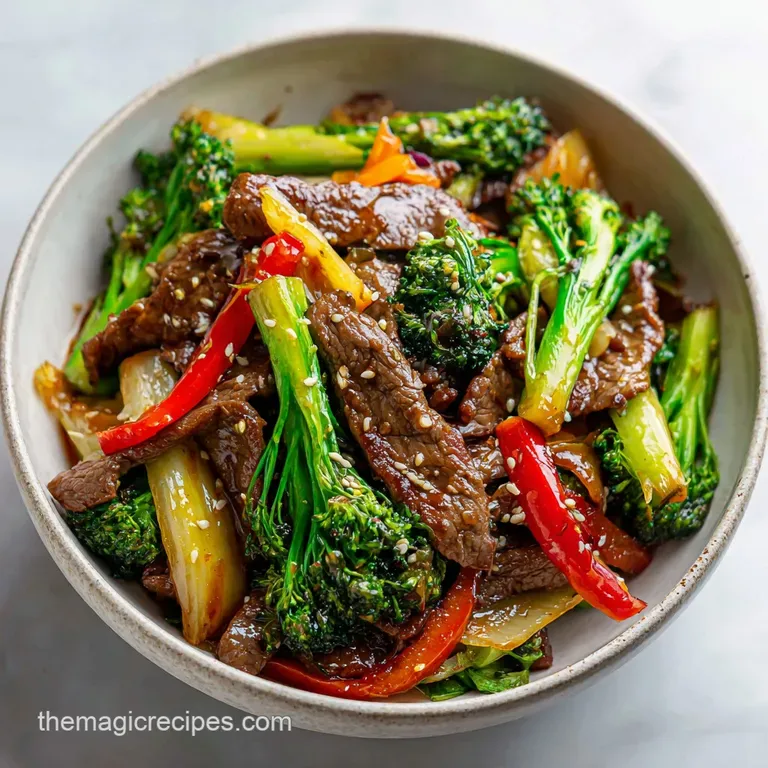
- Time: Active 15 minutes, Passive 5 minutes, Total 20 minutes
- Flavor/Texture Hook: Silky, tender beef with a savory ginger garlic glaze
- Perfect for: Busy weeknight dinners and high protein meal prepping
- Master the Perfect Quick Beef Stir Fry
- Science Behind the Velvety Texture
- Ingredient Role and Science Analysis
- Essential Components for Quick Cooking
- Minimal Tools for Maximum Efficiency
- Actionable Steps for Fast Results
- Fixing Common Cooking Errors
- Smart Recipe Variations and Substitutions
- Storing and Reheating Your Meal
- Finishing Touches and Presentation
- Debunking Traditional Stir Fry Myths
- Very High in Sodium
- Recipe FAQs
- 📝 Recipe Card
Master the Perfect Quick Beef Stir Fry
The sound of thin strips of steak hitting a scorching pan is easily one of my favorite kitchen noises. It is a sharp, aggressive sizzle that tells you dinner is only minutes away. I remember the first time I tried making a Beef Stir Fry at home years ago.
I thought I could just toss everything in a pan and hope for the best. The result was a watery mess with beef so chewy it felt like I was eating a leather belt. It was a total disaster, and I almost gave up on making stir fry forever.
But I realized the secret was not in a fancy stove or a professional wok. It was all about the prep. Once I learned how to treat the meat and the importance of a screaming hot pan, everything changed. Now, this is my go to "I have zero time" meal because it actually works every single time.
We are using minimal tools here - just a solid pan and a sharp knife - to get that restaurant quality finish without the greasy cleanup.
This recipe is designed for those nights when you are staring at the fridge at 6:00 PM and need something healthy on the table by 6:20 PM. We are skipping the complicated steps and focusing on the moves that actually matter for flavor and texture.
You will get those charred edges on the broccoli and that glossy, velvety sauce that clings to every single piece of beef. Let's get into the mechanics of why this method is a winner.
Science Behind the Velvety Texture
- Alkaline Tenderization: The baking soda raises the pH level on the surface of the beef, which prevents the proteins from bonding too tightly when heated. This keeps the meat "velvety" and soft rather than tough and dry.
- Starch Gelatinization: Cornstarch in the marinade creates a protective barrier that locks in moisture, while the cornstarch in the sauce expands when heated to create a thick, glossy coating.
- The Maillard Reaction: over High heat searing creates hundreds of different flavor compounds as the amino acids and sugars in the beef react. This only happens if the pan is hot enough to evaporate moisture instantly.
- Aromatic Volatility: Grating fresh ginger and garlic releases essential oils that are highly volatile. Adding them right before the liquid prevents them from burning while maximizing their scent.
The cooking method you choose depends entirely on your stove's power and your patience level. While a traditional wok is great, most of us are working with a standard flat bottomed skillet. The key is managing the heat so you don't end up steaming your food instead of searing it.
| Method | Cook Time | Texture | Best For |
|---|---|---|---|
| High Heat Skillet | 5 minutes | Crispy edges, tender center | Quick weeknight meals |
| Batch Cooking | 8 minutes | Evenly browned, no steaming | Cooking for 4+ people |
| Traditional Wok | 4 minutes | Maximum "breath of the wok" | Authentic smoky flavor |
The biggest mistake people make is overcrowding the pan. When you put too much cold meat into the pan at once, the temperature drops instantly. Instead of searing, the meat starts to release its juices and you end up "boiling" the beef in its own liquid.
If you are doubling this recipe, you must work in batches to keep that sizzle alive.
Ingredient Role and Science Analysis
Understanding what each component does helps you become a more intuitive cook. You aren't just adding things for flavor; you are building a chemical reaction that results in a cohesive dish. For example, the sugar isn't just for sweetness - it helps the sauce caramelize against the high heat of the pan.
| Ingredient | Science Role | Pro Secret |
|---|---|---|
| Flank Steak | Lean protein source | Always slice against the grain to shorten muscle fibers for tenderness. |
| Baking Soda | pH Alteration | A tiny amount is enough; too much will make the meat taste metallic. |
| Cornstarch | Emulsifier/Protector | It acts as a bridge between the oil and the water based broth. |
| Toasted Sesame Oil | Finishing Fat | This oil has a low smoke point; use it for flavor at the end, not for frying. |
Similar to how we build layers of flavor in a Simple Ground Beef recipe, the order in which you add these ingredients determines the final texture. The beef needs the most heat, while the delicate green onions only need a few seconds of residual warmth to soften.
Essential Components for Quick Cooking
You don't need a pantry full of exotic items to make a world class Beef Stir Fry. The beauty of this dish lies in how humble ingredients like carrots and broccoli transform when hit with high heat and a well balanced sauce.
- 1 lb flank steak: Sliced thin against the grain. Why this? It is lean and absorbs marinades quickly for fast cooking.
- 1 tbsp soy sauce (low sodium): For the marinade.
- 1 tsp baking soda: The key to tenderizing.
- 2 tbsp cornstarch: Divided for the marinade and the sauce.
- 1 tbsp vegetable oil: For the beef marinade.
- 0.5 cup beef broth: The base of your glossy sauce.
- 0.25 cup soy sauce: For the main sauce body.
- 2 tbsp brown sugar: Balances the salty soy notes.
- 1 tbsp toasted sesame oil: Adds a nutty depth.
- 1 tbsp fresh ginger: Grated finely.
- 3 cloves garlic: Minced or pressed.
- 2 cups broccoli florets: Cut into bite sized pieces.
- 1 red bell pepper: Thinly sliced for sweetness.
- 1 large carrot: Julienned for crunch.
- 2 tbsp peanut oil: For the actual frying. Why this? It has a very high smoke point compared to olive oil.
- 2 green onions: Sliced for a fresh finish.
- 1 tsp toasted sesame seeds: For texture and visual appeal.
If you find yourself missing an ingredient, don't panic. Stir fry is incredibly forgiving as long as you maintain the ratio of protein to vegetables and keep the sauce components balanced.
| Original Ingredient | Substitute | Why It Works |
|---|---|---|
| Flank Steak | Sirloin or Chuck | Sirloin is tender but more expensive; Chuck needs thinner slicing. |
| Peanut Oil | Grapeseed or Canola | Both have high smoke points. Note: Avoid extra virgin olive oil. |
| Brown Sugar | Honey or Maple Syrup | Adds sweetness and helps thickening. Note: Honey burns faster. |
| Beef Broth | Chicken or Veggie Broth | Provides the liquid volume. Note: Slightly alters the meaty depth. |
For those who love a bit more heartiness, this sauce works beautifully when you decide to turn this into a Beef and Noodles recipe by tossing in some cooked lo mein or udon at the very end. The cornstarch thickened glaze coats the noodles perfectly without making them soggy.
Minimal Tools for Maximum Efficiency
We are keeping the equipment list short because a busy cook shouldn't be stuck doing dishes for an hour. You really only need three main items to get this done.
First, a large heavy bottomed skillet or wok. If you have cast iron, use it. It retains heat better than thin stainless steel, which is vital when you add the cold vegetables. Second, a sharp chef's knife.
Slicing the beef thin is the most important prep step, and you can't do that with a dull blade.
Chef's Tip: Put your steak in the freezer for 15-20 minutes before slicing. It firms up the fat and muscle, allowing you to get those paper thin, restaurant style strips with ease.
Finally,, grab a small whisk or a fork and a couple of bowls for mixing the sauce and the marinade. Using a jar with a lid to shake the sauce ingredients together is a great shortcut that ensures the cornstarch is fully incorporated with no lumps.
Actionable Steps for Fast Results
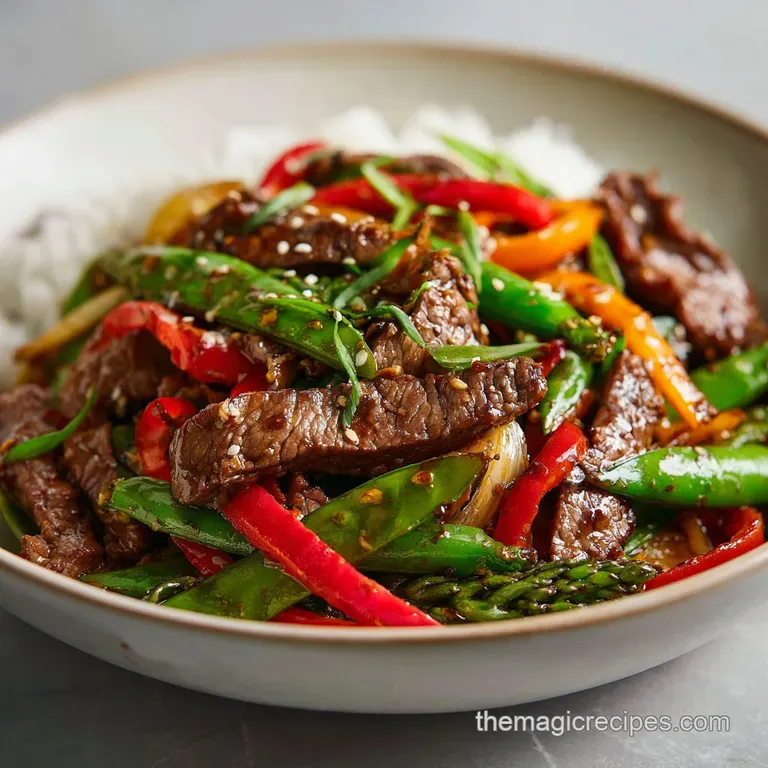
- Prep the beef. Combine the sliced flank steak with 1 tbsp soy sauce, 1 tsp baking soda, 1 tbsp cornstarch, and 1 tbsp vegetable oil. Note: This creates the "velvet" coating.
- Whisk the sauce. In a small bowl, mix 0.5 cup beef broth, 0.25 cup soy sauce, 2 tbsp brown sugar, 1 tbsp toasted sesame oil, and the remaining 1 tbsp cornstarch.
- Prepare the aromatics. Grate the ginger and mince the garlic. Cook until fragrant later, but have them ready now because things move fast.
- Heat the pan. Add 1 tbsp peanut oil to your skillet over high heat until you see a faint wisp of smoke.
- Sear the beef. Add the beef in a single layer. Let it sit for 60 seconds without moving it to get a deep brown crust.
- Finish the meat. Toss the beef for another 60 seconds until the pink edges just disappear, then remove it from the pan.
- Flash fry vegetables. Add the remaining 1 tbsp peanut oil, then toss in the broccoli, carrots, and peppers. Add a splash of water if they look too dry.
- Soften the greens. Sauté for 2-3 minutes until the broccoli is bright green and crisp tender.
- Combine and thicken. Return the beef to the pan. Give the sauce a quick stir and pour it over everything.
- The final glaze. Cook for 1 minute until the sauce bubbles and turns translucent and glossy. Remove from heat immediately and top with green onions and sesame seeds.
Fixing Common Cooking Errors
Even the best cooks run into trouble when the heat is high and the clock is ticking. Most stir fry issues come down to temperature control or moisture management.
The Beef is Tough or Chewy
If your beef feels like rubber, you likely skipped the velveting step or sliced with the grain instead of against it. Slicing against the grain cuts through the tough fibers, making them easier to chew.
If it is already cooked and tough, there isn't much you can do for this batch, but next time, ensure that baking soda marinade sits for at least 10 minutes.
The Stir Fry is Watery
A watery stir fry usually happens because the vegetables were wet when they hit the pan, or the pan wasn't hot enough. The vegetables end up "sweating" their internal moisture rather than searing.
It can also happen if you don't whisk the cornstarch in the sauce right before pouring it in, as it tends to settle at the bottom of the bowl.
| Problem | Root Cause | Solution |
|---|---|---|
| Soggy Vegetables | Overcrowding the pan | Cook in batches or use a larger pan to let steam escape. |
| Bland Sauce | Lack of aromatics | Increase ginger and garlic, or add a splash of rice vinegar for zip. |
| Burnt Garlic | Added too early | Add garlic only in the last 30 seconds of frying the vegetables. |
Common Mistakes Checklist
- ✓ Pat the vegetables completely dry with a paper towel after washing.
- ✓ Do not skip the 15 minute marinade; it is the difference between "okay" and "velvety."
- ✓ Ensure the pan is screaming hot before the first piece of meat touches it.
- ✓ Squeeze the excess liquid out of the ginger if it’s very juicy to avoid splatter.
- ✓ Keep all ingredients within arm's reach; you won't have time to chop once you start.
Smart Recipe Variations and Substitutions
If you want to change things up, this base recipe is a canvas for whatever you have in the pantry. Here are three ways to pivot the flavor profile.
Beef Stir Fry with Noodles
To make this more substantial, boil some egg noodles or rice noodles separately. Add them to the pan at the very end when you add the sauce. You might need to increase the beef broth and soy sauce by 25% to ensure there is enough glaze to cover the extra surface area of the noodles.
Low Carb and Keto Options
For a keto friendly version, swap the brown sugar for a monk fruit sweetener or omit it entirely. Replace the cornstarch with a half teaspoon of xanthan gum (whisked into the oil before adding liquids) to get that same thick consistency without the carbs.
Serve it over cauliflower rice or just enjoy a big bowl of beef and greens.
Spicy Szechuan Twist
If you like heat, add 1 tbsp of chili garlic sauce or 2 tsp of dried red chili flakes to the aromatics step. You can also add a teaspoon of Szechuan peppercorns for that signature "numbing" sensation. This pairs perfectly with the sweetness of the red bell peppers.
Storing and Reheating Your Meal
Beef stir fry is an elite leftovers choice. Store any remaining portions in an airtight container in the fridge for up to 3 days. The flavors actually deepen as they sit. When reheating, I recommend using a skillet over medium heat with a tiny splash of water to loosen the sauce.
Avoid the microwave if possible, as it can turn the beef "rubbery" by overcooking the proteins.
For zero waste, save your broccoli stalks! Peel the tough outer skin, slice the tender inner core into matchsticks, and toss them in with the carrots. They have a wonderful crunch and a sweet flavor that most people throw away.
Also, any leftover sauce can be frozen in an ice cube tray and tossed into a pan for a quick flavor boost for future meals.
Finishing Touches and Presentation
We eat with our eyes first, and a stir fry can sometimes look a bit "brown" if you aren't careful. That is why the red bell pepper and carrots are so important they provide that pop of color. Always save your green onions for the very end.
The bright green contrast against the dark, glossy beef makes the dish look professional.
If you want to take it a step further, serve this in shallow bowls rather than flat plates. It keeps the sauce pooled around the meat and vegetables. A final sprinkle of toasted sesame seeds adds a tiny bit of crunch and makes the dish look like it came straight out of a high end kitchen.
If you're feeling fancy, a squeeze of fresh lime juice right before serving cuts through the richness of the sesame oil and brightens everything up.
Debunking Traditional Stir Fry Myths
One common myth is that you must have a wok to make a "real" stir fry. While a wok's shape helps with tossing, a large, flat bottomed stainless steel or cast iron skillet actually has more surface area in contact with the heat source on a standard home stove.
This means you can often get a better sear in a skillet than in a wok that doesn't fit your burner properly.
Another misconception is that the "juice" in the bottom of the pan is flavor. If you see a pool of liquid while you are frying the meat, that is actually a sign the temperature has dropped too low. You want that liquid to evaporate or be absorbed into the crust of the meat instantly.
If it pools, drain it off, let the pan get hot again, and continue.
Finally,, many people think you shouldn't use baking soda on meat because it will taste like a science experiment. In reality, the small amount used in the velveting process is neutralized and rinsed (or absorbed) so that no flavor remains only the structural change to the protein fibers.
It's a foundational technique used by chefs globally for a reason.
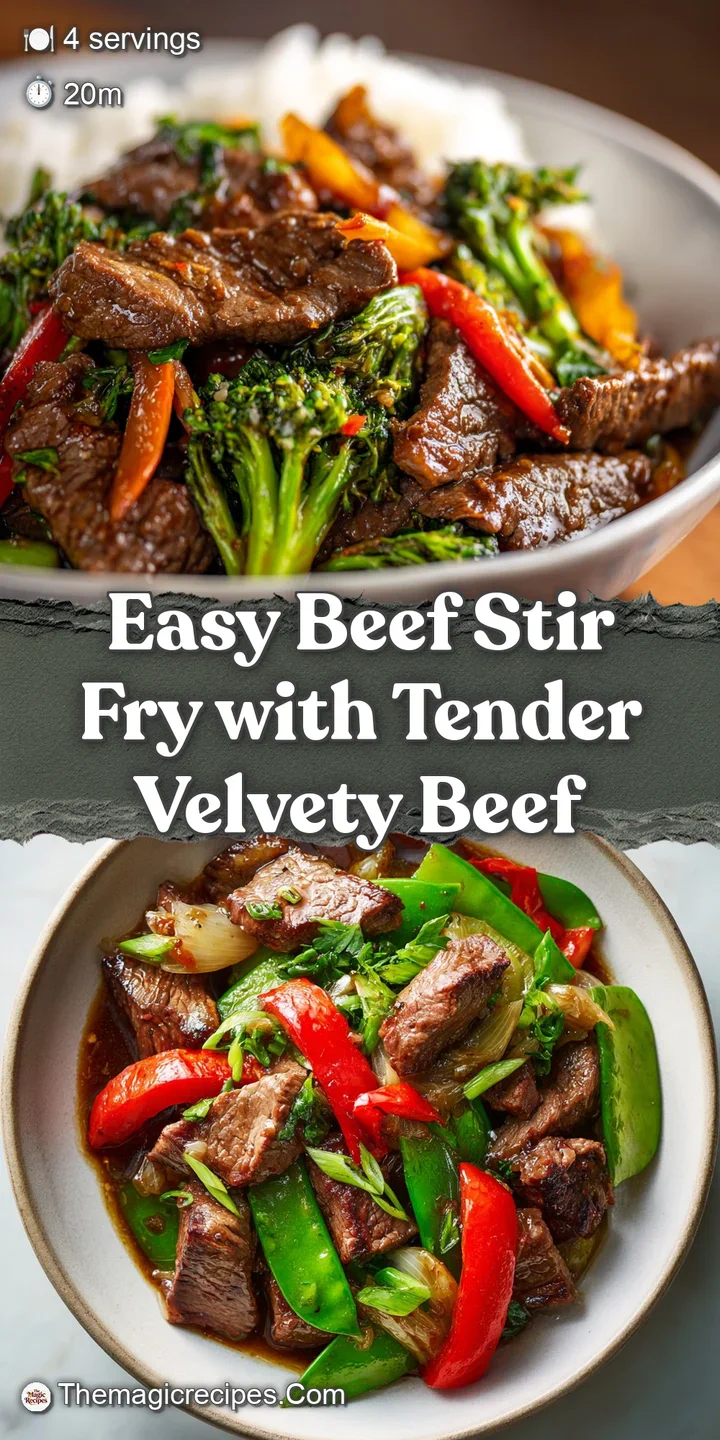
Very High in Sodium
1380 mg mg of sodium per serving (60% of daily value)
The American Heart Association recommends limiting sodium intake to about 2,300mg per day for overall health.
Actionable Tips to Reduce Sodium
-
Broth Swap-30%
Replace regular beef broth with low-sodium or no-sodium added beef broth. This simple swap can significantly cut down the sodium content.
-
Reduce Soy Sauce-20%
Decrease the total amount of soy sauce used in the recipe (both in the marinade and sauce) by half. You can compensate for the lost flavor by increasing other seasonings.
-
Fresh is Best-15%
Omit the 1 tbsp of low-sodium soy sauce when marinating the meat with baking soda, and cornstarch. Use fresh ginger and garlic for flavor instead.
-
Citrus Boost-10%
Enhance the flavor profile with fresh lemon or lime juice. A squeeze of citrus adds brightness and can help mask the need for excessive saltiness.
-
Spice It Up
Experiment with sodium free spices and herbs like black pepper, red pepper flakes, garlic powder (ensure it's sodium free), or onion powder to boost flavor without adding sodium.
Recipe FAQs
How do Chinese restaurants get beef so tender in stir fry?
They use a technique called "velveting." This involves marinating the thinly sliced beef with baking soda and cornstarch, which raises the pH level and protects the meat proteins from tightening up during high heat cooking.
Do I need to marinate beef for stir fry, and for how long?
Yes, marinating is crucial for tenderness and flavor. Aim for at least 15 minutes, but up to an hour if time permits, to allow the baking soda and cornstarch to work their magic before searing.
How do I make my stir fry beef tender when cooking at home?
Always slice the beef thinly against the grain first. Then, employ the velveting technique using baking soda and cornstarch; mastering this texture control principle is key, similar to how you handle fat ratios in baked goods.
What are the essential ingredients that go into a classic beef stir fry?
Flank steak, soy sauce, baking soda, cornstarch, fresh ginger, garlic, and high smoke-point oil are essential. You will need a mix of fresh, sturdy vegetables like broccoli and carrots for texture contrast.
Should I sear the beef and vegetables in the same batch?
No, cook the beef separately in batches first. Sear the beef until just browned, remove it, and then cook the vegetables in the same hot pan to prevent the meat from overcooking and stewing in its own juices.
Is it true that I must use a wok to achieve authentic stir fry results?
No, this is a common misconception. A heavy bottomed, large cast iron or stainless steel skillet works very well, as long as you keep the heat high enough to ensure evaporation rather than steaming.
What oil is best for the high heat searing required for beef stir fry?
Use peanut oil or grapeseed oil due to their high smoke points. Avoid oils like olive oil; you need an oil that won't break down or burn instantly when the pan is screaming hot.
Tender Beef Stir Fry In 20
Ingredients:
Instructions:
Nutrition Facts:
| Calories | 432 kcal |
|---|---|
| Protein | 31.2 g |
| Fat | 24.1 g |
| Carbs | 21.4 g |
| Fiber | 2.8 g |
| Sugar | 8.9 g |
| Sodium | 1380 mg |
