Chicken Meatballs: the Most Tender Lemon-Herb Recipe Youll Ever Make
- Getting Started: The Secret to Perfectly Moist Chicken Meatballs
- The Science of Tenderness: Why This Chicken Meatball Recipe Succeeds
- Essential Ingredients for Lemon-Herb Chicken Meatballs
- Mastering the Technique: Step-by-Step Guide
- Pro Chef's Tips and Troubleshooting Common Meatball Mistakes
- Making Ahead: Storing and Freezing Chicken Meatballs
- Serving Suggestions: Perfect Pairings for Lemon-Herb Morsels
- Recipe FAQs
- 📝 Recipe Card
Getting Started: The Secret to Perfectly Moist Chicken Meatballs
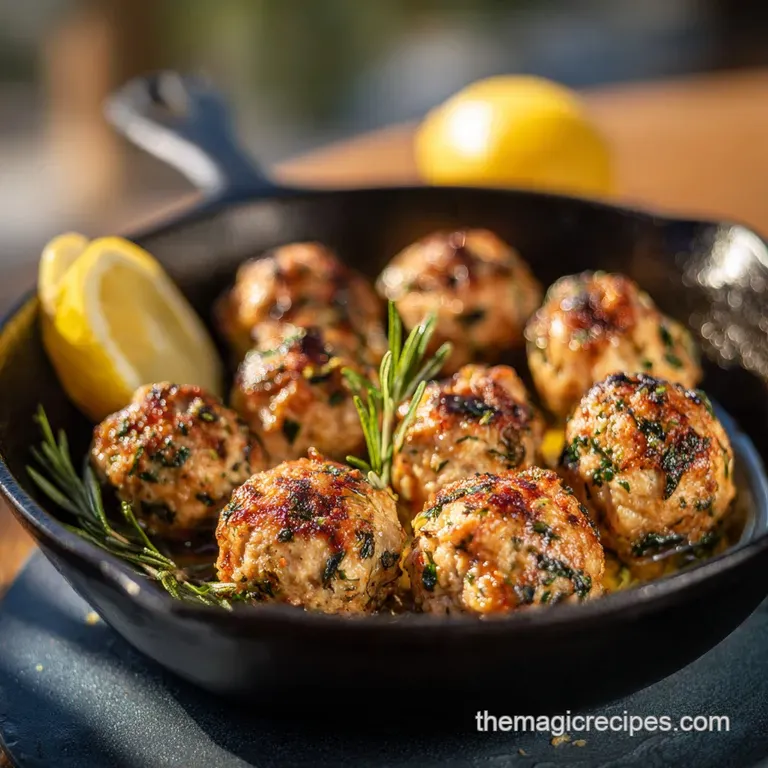
Okay, stop everything. The aroma of these lemon herb chicken meatballs baking is seriously intoxicating. They turn out impossibly tender on the inside with this beautiful golden brown crust, totally defying the sad, dry reputation ground poultry usually gets. You need this recipe in your life.
I get it; weeknights are chaos, and sometimes you just need something fast. This recipe is a genuine lifesaver because the prep takes fifteen minutes, tops. Plus, they freeze like a dream, making meal planning so much less stressful and cheaper than takeout.
Forget everything you thought you knew about cooking ground chicken. We are diving into the specific tricks the secrets, really that guarantee perfectly juicy, flavour packed chicken meatballs every single time. Let's crack on.
The Science of Tenderness: Why This Chicken Meatball Recipe Succeeds
Why Ground Poultry Gets a Bad Rap
Ground poultry, specifically chicken, is notorious for turning out dry and rubbery. This is simply because it has less intramuscular fat compared to beef or pork. Therefore, you have to actively introduce moisture and gently protect the delicate protein structure to achieve tenderness.
This recipe solves that problem completely.
A Look at the Bright Lemon Herb Flavor Profile
This blend of fresh parsley, oregano, and lemon zest is simple yet incredibly bright and clean. It cuts through the richness of the ground chicken beautifully. It makes these chicken meatballs feel light and wonderfully Mediterranean, ready for any sauce you want to throw at them.
What Makes These Meatballs the "Best"
The success of these perfectly formed chicken meatballs is all about structure, temperature, and binding. We aren't just slapping ingredients together; we're using a specific sequence and technique that guarantees they stay soft and juicy while baking. This is truly the ultimate chicken meatballs recipe.
The Panko Milk Soak: The Ultimate Moisture Binder
This is the big secret I learned years ago: the panade . Soaking Panko breadcrumbs in milk creates a spongy, saturated network that holds onto liquid during cooking. It traps moisture right inside the meat, ensuring that amazing tenderness we all want in a perfect protein, much like the careful technique required for a great Chicken Brine: The Chefs Secret for Perfectly Juicy, Never Dry Poultry .
The Importance of Cold Mixing
Keeping the meat super cold is critical before and during mixing. If the fat starts to melt due to the heat of your hands, the finished meatballs will be dense and dry. If the raw mixture starts sticking excessively to your hands while shaping, stop immediately and chill it for 10 minutes.
Zest vs. Juice: Maximizing Bright Citrus Flavor
We use the zest of the lemon, not the juice, in the mixing stage. The zest contains flavourful oils that bloom beautifully when heated. Adding juice directly to the raw mix can sometimes start to "cook" or tighten the proteins too early, potentially ruining the final delicate texture.
Essential Ingredients for Lemon Herb Chicken Meatballs
Choosing the Right Ground Poultry for Moisture
I insist on using a 50/50 blend of ground chicken breast and ground chicken thigh meat. The thigh meat adds necessary fat and flavour that breast meat simply lacks. If you can only find ground chicken breast, you must compensate by adding 1 tablespoon of olive oil or rendered chicken fat (schmaltz) to the mix for moisture.
Fresh Herbs vs. Dried: What to Use and Why
Fresh parsley is non-negotiable here for that vibrant colour and clean, herbaceous taste. Dried oregano works perfectly for that earthy Mediterranean depth, but skip subbing dried parsley; it just doesn't taste right.
Binder Options (If Panko Isn't Available)
What if you're out of Panko? No problem! You still need that binding structure to maintain moisture, especially if you plan to toss these in sauce later. Here are my favorite swaps:
| If you don't have Panko... | Use this instead (with 1/4 cup liquid) | Why it works |
|---|---|---|
| Panko Breadcrumbs | Crushed Saltine Crackers | Absorbs liquid well and adds a necessary hint of saltiness. |
| Standard Breadcrumbs | Use 1/4 cup, reduce milk to 3 Tbsp | They absorb less liquid, so adjust the milk down slightly. |
| gluten-free Swap | Almond Flour (3 Tbsp) + 1 Tbsp Heavy Cream | Low-carb, but maintains critical moisture. |
Sourcing Quality Citrus Zest
Always use organic, unwaxed lemons when zesting for the best flavour. If you can't find organic, scrub the lemon vigorously under hot, running water to remove any waxy residue before using your microplane. We want those bright, clean oils, not lingering chemicals.
Mastering the Technique: step-by-step Guide
Prep Phase: Combining the Wet and Dry Ingredients
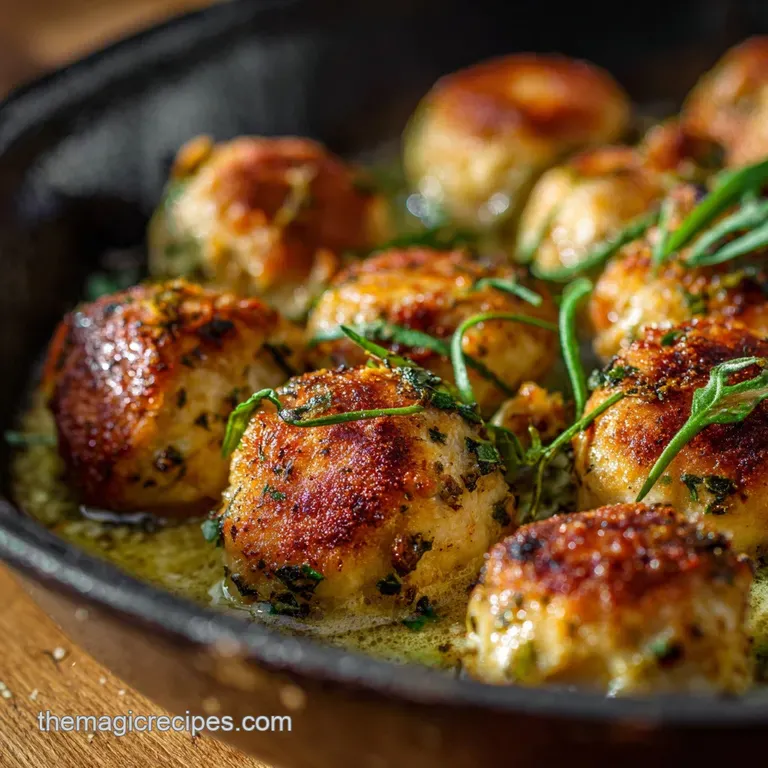
Start by making that Panko panade; seriously, let it soak for the full five minutes until it looks like a thick, mushy paste. Then, mix all the wet ingredients and aromatics (egg, garlic, onion, herbs, seasoning) before adding the cold ground chicken. This minimizes the time you spend working the meat.
Shaping and Sizing for Even Cooking
Consistency is the key to evenly cooked chicken meatballs in oven or skillet. I swear by my 1.5 inch cookie scoop; it’s perfect for consistently sized portions. Roll them gently, just enough to seal the surface, using lightly dampened hands to prevent sticking and rough edges.
Choosing Your Cook Method: Baking, Pan-Searing, or Simmering
Baking is the easiest, most hands off method for juicy results at 400°F (200°C). However, if you have the time, pan-searing them first adds fantastic depth of flavour and a beautiful, golden crust. Crucially, always sear or bake first, and then simmer them in sauce.
If you drop them raw into sauce, they will absolutely fall apart.
Pro Chef's Tips and Troubleshooting Common Meatball Mistakes
The Danger of Overmixing the Base
People think they need to knead meatballs like dough, and that’s a major mistake that leads to tough texture. Overmixing activates the myosin, creating long, tight protein strands. Use a light hand and mix until just combined the second you don't see dry spots, stop.
Checking for Doneness Without Cutting
Cutting open a meatball releases all the precious, hard earned juices, instantly drying it out. Instead, invest in an inexpensive instant read thermometer. Chicken meatballs are safely done and perfect when the internal temperature hits 165°F (74° C).
Temperature Control: Keeping Ingredients Cold
If your kitchen is unusually hot, try keeping your mixing bowl of raw meat resting on a bed of ice cubes while you shape the meatballs. Cold ingredients ensure the fat stays firm, which translates directly into incredibly juicy results.
Making Ahead: Storing and Freezing Chicken Meatballs
Freezing Cooked vs. Uncooked Meatballs
You can freeze these beauties both cooked and raw! For raw, freeze them solid on a parchment lined sheet pan first, which keeps them from clumping. Then, transfer the frozen balls to a heavy duty freezer bag for up to three months.
Safe Refrigeration Guidelines
Once cooked, these chicken meatballs will keep safely in an airtight container in the fridge for up to 4 days. They are fantastic cold in lunchboxes or quickly reheated for a fast supper.
Best Methods for Reheating
The absolute best way to reheat them is gently in simmering sauce (marinara or light broth). If you don't have sauce, pop them into a 300°F (150°C) oven or, even better, an air fryer for 5- 8 minutes until heated through. Microwaving them makes them tough; avoid it if you can.
Serving Suggestions: Perfect Pairings for Lemon Herb Morsels
These lemon herb morsels are surprisingly versatile, making them great for lunchboxes, quick appetizers, or a sophisticated supper.
Chef's Note: Try tossing the finished meatballs in a light, glossy, slightly sweet glaze (honey + soy + ginger) for an incredible quick supper, much like the flavour profile in my favourite recipe for Chicken Lo Mein: The Ultimate 30 Minute Takeout Recipe .
- For a classic pairing, serve them with orzo pasta, a dash of extra lemon juice, and a sprinkle of crumbled feta cheese. The orzo soaks up all the herby pan juices perfectly.
- If you need a complete meal fast, serve these with rice and a quick side of roasted vegetables.
- These are brilliant simmered in a light, creamy sauce and served with crusty bread, which is a fantastic alternative to my Crockpot Chicken Breast Recipes: Creamy Tuscan Dish (Easy Healthy) .

Recipe FAQs
Why are my chicken meatballs dry or rubbery?
The main causes of dry meatballs are overmixing the meatball mixture and overcooking. When mixing, stop as soon as the ingredients are just combined to prevent toughening the proteins.
Ensure you are using a binder (like the Panko/milk solution) to add essential moisture and always rely on a thermometer, cooking only until the internal temperature reaches 165°F (74°C).
Can I use ground turkey or pork instead of chicken?
Yes, you can easily substitute ground turkey, though turkey tends to be leaner, which may require a slight increase in binder or a drizzle of olive oil to maintain moisture.
Ground pork is also an excellent substitute and often results in an even juicier meatball due to its higher fat content, though the final flavor profile will be richer than chicken.
What can I substitute for the Panko breadcrumbs in the recipe?
For a gluten-free option, use finely ground almond meal or certified gluten-free breadcrumbs, making sure to soak them in the milk just as you would the Panko.
Alternatively, you can use quick cooking rolled oats that have been pulverized slightly in a food processor, which work well as a binder when soaked in liquid.
What is the best way to store and freeze these meatballs?
Cooked meatballs can be stored in an airtight container in the refrigerator for up to 4 days.
To freeze, arrange the raw or fully cooked meatballs on a baking sheet to flash freeze for one hour, then transfer them to a heavy duty freezer bag, where they will keep for up to 3 months.
Can I cook these meatballs in an air fryer or slow cooker?
Both methods work wonderfully; air fry the meatballs at 375°F (190°C) for 10 12 minutes for a beautiful golden crust.
If using a slow cooker, it is recommended to sear the meatballs quickly in a pan first to lock in flavor, then simmer them fully submerged in your chosen sauce on Low for 3 4 hours.
How do I ensure the meatballs are fully cooked and safe to eat?
The only reliable method to confirm doneness is using an instant read meat thermometer inserted into the center of several meatballs.
Ground chicken must reach an internal temperature of 165°F (74°C) before it is safe to consume.
What sauces or sides pair best with the Lemon Herb flavor profile?
The bright lemon herb profile is complemented well by a light, fresh marinara, a simple white wine reduction sauce, or a creamy Greek yogurt based sauce like Tzatziki.
For side dishes, serve them over orzo, rice pilaf, or alongside roasted asparagus or broccoli rabe.
Tender Lemon Herb Chicken Meatballs
Ingredients:
Instructions:
Nutrition Facts:
| Calories | 428 kcal |
|---|---|
| Protein | 49.4 g |
| Fat | 21.1 g |
| Carbs | 9.5 g |
