Thai Chicken Salad Peanut Dressing
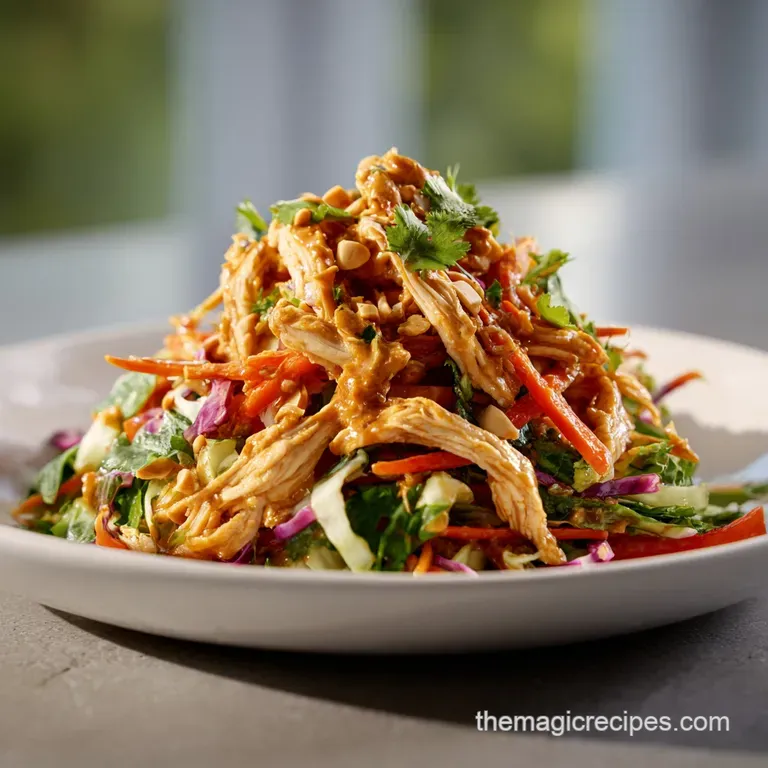
- Time: Active 20 minutes, Passive 10 minutes, Total 30 minutes
- Flavor/Texture Hook: Silky peanut base with a cabbage shatter
- Perfect for: High protein meal prep or a vibrant summer lunch
- The Ultimate Thai Chicken Salad Peanut Dressing
- Secrets of This Global Flavor
- Key Specs for Prep Success
- The Elements of Crunch
- Tools for the Kitchen
- Step-By-Step Assembly Guide
- Fixing Common Prep Blunders
- Creative Flavor Variation Ideas
- Keeping Your Salad Fresh
- Presentation and Serving Techniques
- Myths About Peanut Dressing
- Recipe FAQs
- 📝 Recipe Card
The Ultimate Thai Chicken Salad Peanut Dressing
Imagine the sharp, citrusy sting of fresh lime hitting your senses followed immediately by the warm, roasted scent of peanut butter. The first time I tried to make this, I ended up with a clumpy, oily mess that looked nothing like the glossy sauces you see in a proper Thai kitchen.
I realized I was treating the ingredients like a simple stir together dip rather than an emulsion. Once you understand how the fats and acids play together, it’s a total shift in how you cook.
When you take that first bite, you get this incredible "shatter" from the cold red cabbage followed by the velvety coat of the peanut dressing. It isn't just a salad; it's a texture study. The ginger gives a slow burn heat that doesn't overwhelm, and the honey pulls the salt from the soy sauce into a perfect balance.
We aren't just tossing vegetables in a bowl here; we’re engineering a meal that stays crisp even after sitting in the fridge for an hour.
Secrets of This Global Flavor
The Emulsion Engine: When you whisk warm water into the peanut butter and lime juice, the water molecules surround the fat droplets. This creates a stable suspension that won't break or pool at the bottom of your bowl.
Cellular Osmosis Control: By using a high fat dressing, you coat the cabbage leaves, which creates a hydrophobic barrier. This prevents the salt in the soy sauce from drawing out the water inside the vegetables too quickly, keeping them crunchy.
Aromatic Volatility: Grating fresh ginger and garlic releases essential oils that are fat soluble. These oils infuse directly into the peanut butter, carrying the flavor deeper into the dish than dried spices ever could.
| Method | Time | Texture | Best For |
|---|---|---|---|
| Cold Prep | 5 minutes | Thicker, dip like | Quick snacking or dipping |
| Warm Infusion | 10 minutes | Silky, pourable | Coating large salad batches |
| Blender Method | 2 minutes | Completely aerated | Ultra smooth restaurant finish |
We’ve all been there where the dressing feels too thick, like you're trying to toss salad in a jar of Jif. Using warm water specifically about 45ml is the trick I learned from a street food vendor. It thins the fats just enough to make the sauce fluid without losing that rich mouthfeel. If you’re looking for another protein packed dish with a different flavor profile, you might want to try my Honey Mustard Chicken Thighs recipe.
Key Specs for Prep Success
When we talk about the science of a good salad, we have to look at the individual components. The peanut butter isn't just there for flavor; it’s our primary stabilizer and fat source.
Using a natural, unsweetened version is vital because the added oils and sugars in commercial brands can mess with the emulsion's stability.
| Ingredient | Science Role | Pro Secret |
|---|---|---|
| Peanut Butter | Primary Emulsifier | Use "natural" styles for better viscosity control. |
| Rice Vinegar | Protein Denaturant | Brightens the flavor without the harshness of white vinegar. |
| Lime Juice | Acid Balance | Microwave the lime for 10 seconds to maximize juice yield. |
| Fresh Ginger | Enzyme Activity | Freeze the root before grating to avoid woody fibers. |
The rice vinegar and lime juice work in tandem. The vinegar provides a consistent, sharp acidity, while the lime juice brings those volatile citrus notes that disappear if the salad sits too long. If you want a more traditional dipping experience, my Vietnamese Peanut Sauce recipe follows a similar logic but with a focus on dipping consistency.
The Elements of Crunch
- 1/2 cup (125g) Creamy peanut butter: Natural unsweetened is best. Why this? Provides the fat base for a silky, clinging emulsion. (Substitute: Almond butter for a different nut profile).
- 3 tbsp (45ml) Rice vinegar: Why this? Offers a mild, sweet acidity that doesn't overpower. (Substitute: Apple cider vinegar).
- 2 tbsp (30ml) Fresh lime juice: Why this? Adds essential bright notes and vitamin C. (Substitute: Lemon juice).
- 2 tbsp (30ml) Low sodium soy sauce: Why this? Delivers the salty umami depth. (Substitute: Tamari for gluten-free).
- 2 tbsp (30ml) Honey: Why this? Balances the salt and helps the dressing stick. (Substitute: Agave or maple syrup).
- 1 tbsp (15g) Fresh ginger, grated: Why this? Provides a fresh, zingy heat. (Substitute: 1 tsp ground ginger).
- 2 cloves Garlic, minced: Why this? Adds aromatic complexity. (Substitute: 1/2 tsp garlic powder).
- 1 tsp (5ml) Sriracha: Why this? Provides a gentle, lingering spice. (Substitute: Chili flakes).
- 3 tbsp (45ml) Warm water: Why this? Thins the dressing to a pourable consistency. (Substitute: Coconut milk).
- 2 cups (500g) Cooked chicken breast, shredded: Why this? Lean protein that absorbs the dressing perfectly. (Substitute: Firm tofu cubes).
- 4 cups (300g) Napa cabbage, thinly sliced: Why this? Provides a soft but distinct crunch. (Substitute: Romaine lettuce).
- 2 cups (150g) Red cabbage, shredded: Why this? Adds vibrant color and a sturdy snap. (Substitute: Shredded kale).
- 1 large Carrot, julienned: Why this? Adds sweetness and structural integrity. (Substitute: Sliced radishes).
- 1 Red bell pepper, thinly sliced: Why this? Brings a juicy, sweet contrast. (Substitute: Yellow or orange peppers).
- 1/2 cup (75g) Shelled edamame, steamed: Why this? Adds earthy flavor and extra plant protein. (Substitute: Green peas).
- 1/2 cup (15g) Fresh cilantro, chopped: Why this? Essential for that authentic herb finish. (Substitute: Fresh mint or Thai basil).
- 3 Green onions, thinly sliced: Why this? Provides a mild, fresh onion bite. (Substitute: Chives).
- 1/4 cup (35g) Roasted peanuts, chopped: Why this? Reinforces the peanut flavor with a hard crunch. (Substitute: Toasted cashews).
- 1 tbsp Black sesame seeds: Why this? Visual contrast and a nutty finish. (Substitute: White sesame seeds).
Tools for the Kitchen
You don't need a high tech lab to make this, but a few specific tools make the "shatter" of the vegetables much easier to achieve. I always recommend a very sharp chef's knife or a mandoline for the cabbage. If your slices are too thick, the salad feels clumsy.
A microplane is my absolute favorite for the ginger and garlic because it turns them into a paste that disappears into the dressing.
For the dressing itself, a simple balloon whisk is enough, but a small glass jar with a tight lid is even better. You can shake the ingredients together until they reach that velvety state. If you find yourself making large batches of salad often, a salad spinner is the unsung hero here.
Wet cabbage is the enemy of a good thai chicken salad peanut dressing the water will repel the oil based sauce, leaving you with a soggy bowl.
step-by-step Assembly Guide
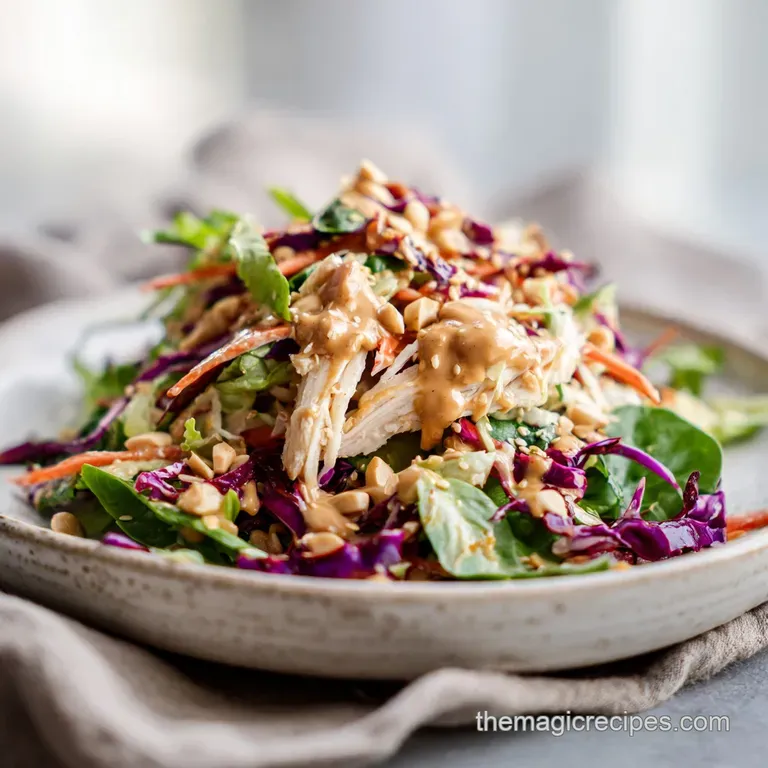
- Whisk the base. Combine the 125g peanut butter, 45ml rice vinegar, 30ml lime juice, 30ml soy sauce, 30ml honey, 15g ginger, garlic, and 5ml sriracha in a bowl. Note: Using a bowl larger than you think you need prevents splashing.
- Emulsify with water. Gradually add the 45ml warm water to the mixture, whisking until the sauce is silky and pourable.
- Prepare the cabbage. Thinly slice the 300g napa cabbage and 150g red cabbage until they resemble fine ribbons.
- Julienne the carrot. Slice the carrot into matchsticks about 5cm long until you have a pile of uniform strips.
- Slice the pepper. Cut the red bell pepper into thin slices until they are roughly the same width as the cabbage.
- Toss the base. Combine the cabbages, carrots, bell pepper, and 75g edamame in a large mixing bowl.
- Add the protein. Fold in the 500g shredded chicken breast until the meat is evenly distributed.
- Apply the dressing. Pour the peanut dressing over the salad and toss until every shred is thoroughly coated.
- Garnish and finish. Sprinkle with 15g cilantro, green onions, 35g chopped peanuts, and black sesame seeds.
- Serve immediately. Plate the salad until the vibrant colors are stacked high.
Fixing Common Prep Blunders
My Dressing Is Too Thick
This usually happens if your peanut butter is cold or if you used a brand with a lot of stabilizers. The fat molecules are bundled too tightly together, resisting the flow of the liquid ingredients.
| Problem | Root Cause | Solution |
|---|---|---|
| Clumping Dressing | Cold ingredients | Use warm water and room temp peanut butter. |
| Soggy Vegetables | Excess moisture | Dry your cabbage thoroughly with a spinner or towel. |
| Bland Finish | Not enough acid | Add an extra squeeze of lime or a splash of vinegar. |
My Salad Is Watery
If you find a puddle at the bottom of your bowl after ten minutes, your vegetables weren't dry enough. Cabbage has a high water content, and as soon as the salt in the dressing hits it, osmosis begins.
Chef's Tip: Grate your ginger while it's still frozen. It prevents those long, stringy fibers from ending up in your dressing, leaving you with a smooth, spicy paste instead.
Common Mistakes Checklist
- ✓ Pat the shredded chicken completely dry before adding to the bowl.
- ✓ Never use "low-fat" peanut butter it lacks the necessary structure.
- ✓ Whisk the dressing in a separate bowl before adding to the vegetables.
- ✓ Add the peanuts and sesame seeds only at the very last second.
Creative Flavor Variation Ideas
If you're feeling adventurous, you can easily pivot this recipe to suit different moods. For a "Spicy Heat Seeker" version, double the Sriracha and add a teaspoon of red chili flakes to the dressing. The capsicum in the chilies will bind to the fat in the peanut butter, giving you a heat that glows rather than burns.
The Tropical Twist
Swap the warm water for full fat coconut milk and add a handful of toasted coconut flakes on top. This leans into the Southeast Asian profile and adds a luxurious creaminess. If you’re into these creamy, globally inspired textures, you should definitely check out my Chicken Paprikash recipe for another way to handle rich sauces.
| Premium | Budget | Flavor Impact | Savings |
|---|---|---|---|
| Fresh Crab Meat | Shredded Chicken | Heartier, more filling | Save $15-20 |
| Macadamia Nuts | Roasted Peanuts | Earthier, less buttery | Save $5-7 |
| Manuka Honey | Standard Honey | Negligible in a salad | Save $10 |
Keeping Your Salad Fresh
Storage: You can keep the undressed salad components in an airtight container for up to 4 days. The thai chicken salad peanut dressing should be kept in a separate jar in the fridge; it will stay fresh for up to 7 days.
If the dressing hardens, simply leave it on the counter for 10 minutes or add a teaspoon of warm water and shake vigorously.
Freezing: Do not freeze the assembled salad, as the cabbage will turn to mush. However, the peanut dressing freezes remarkably well for up to 3 months. Thaw it in the fridge overnight and give it a good whisk before using.
Zero Waste: Don't throw away those cilantro stems! They actually have more flavor than the leaves. Finely mince them and whisk them directly into the dressing. Also, the core of the napa cabbage is incredibly sweet slice it very thin and include it for extra crunch.
Presentation and Serving Techniques
When you're ready to eat, think about the plating levels. For a Simple look, a large wooden bowl works best to highlight the rustic, home cooked feel. For a Polished presentation, use a wide, shallow pasta bowl and stack the salad vertically, finishing with a precise sprinkle of sesame seeds.
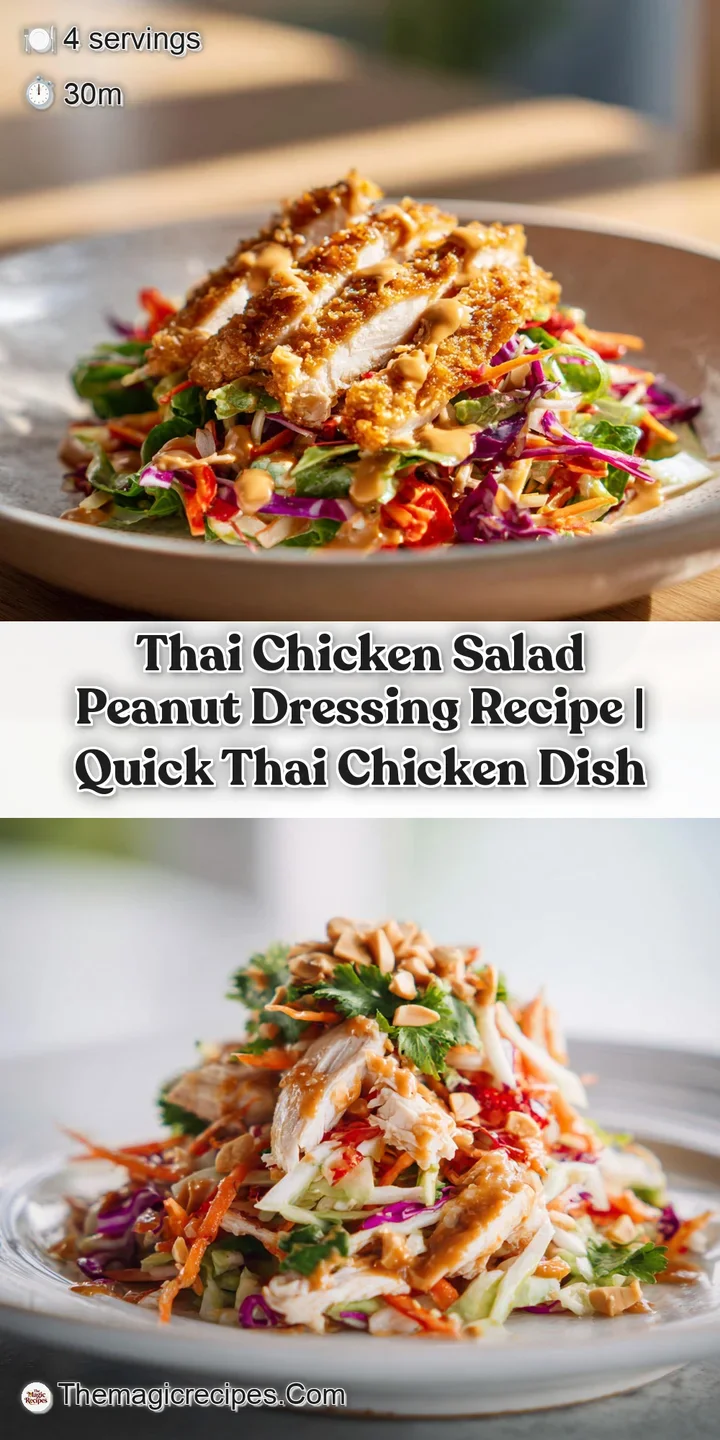
If you want the Restaurant experience, use a ring mold to create a neat cylinder of salad in the center of the plate, then drizzle extra dressing in a zig zag pattern around the edges. Top it with a whole sprig of cilantro and a lime wedge. The contrast of the purple cabbage against the green herbs is what makes this dish look as good as it tastes. For another dish that relies on beautiful textures, my Creamy Chicken Potato Soup recipe is a fantastic example of balancing visual appeal with mouthfeel.
Myths About Peanut Dressing
One common misconception is that you need a blender to make a smooth peanut dressing. While a blender helps, it’s actually the temperature of the water and the order of operations that matter most. Adding the liquid slowly to the fat allows the emulsion to form naturally.
Another myth is that you can't use "regular" peanut butter. You can, but you'll need to reduce the honey in the recipe, as commercial brands like Skippy or Jif contain significant amounts of added sugar. Using natural peanut butter allows you to control the sweetness yourself, which is key for an authentic taste.
Finally, searing the chicken isn't always better; for this specific salad, poached or steamed chicken actually absorbs the dressing better because the fibers are more open.
Recipe FAQs
Can I substitute almond butter for peanut butter in the dressing?
Yes, but adjust the sugar. Almond butter has a different fat composition and can lead to a slightly runnier sauce, so you might need a tiny bit less warm water.
Why does my dressing separate after refrigeration?
No, it shouldn't separate if emulsified correctly. Separation occurs when the fat solids re-clump; gently warming the dressing or whisking in a teaspoon of warm water will usually re-stabilize the emulsion.
How to make this salad crunchy if I prepare it ahead of time?
Store the dressing separately and dress immediately before serving. The salt in the dressing draws water out of the vegetables, causing sogginess; coating them right before eating preserves the texture, similar to preventing sogginess in a Ramen Noodle Salad recipe.
Is it true that I must use low-sodium soy sauce for an authentic taste?
No, this is often misleading. Low-sodium soy sauce gives you better control over the final salt level, especially since peanut butter can be salty; if you use regular soy sauce, omit the extra salt entirely.
How to make the dressing pourable without thinning it too much?
Whisk in warm water gradually, one tablespoon at a time. The warmth helps the peanut butter fats relax into a smooth suspension, creating a pourable consistency without losing the coating quality required for the chicken.
Can I use rotisserie chicken instead of cooking raw chicken breast?
Yes, rotisserie chicken is a great shortcut. Shred the meat and pat it down with paper towels first, as excess skin fat can sometimes make the final salad feel oily rather than coated.
How to ensure the grated ginger fully integrates into the cold dressing?
Use a microplane to grate the ginger directly into the wet ingredients. This breaks the ginger down into fine particles that dissolve into the emulsion, ensuring even flavor distribution without texture issues, unlike chunky pieces found in some Pad Thai Ready recipe variations.
Thai Chicken Salad Peanut
Ingredients:
Instructions:
Nutrition Facts:
| Calories | 553 kcal |
|---|---|
| Protein | 54.3 g |
| Fat | 27.2 g |
| Carbs | 31.4 g |
| Fiber | 8.2 g |
| Sugar | 16.4 g |
| Sodium | 715 mg |
