Traditional Minestrone Soup Recipe
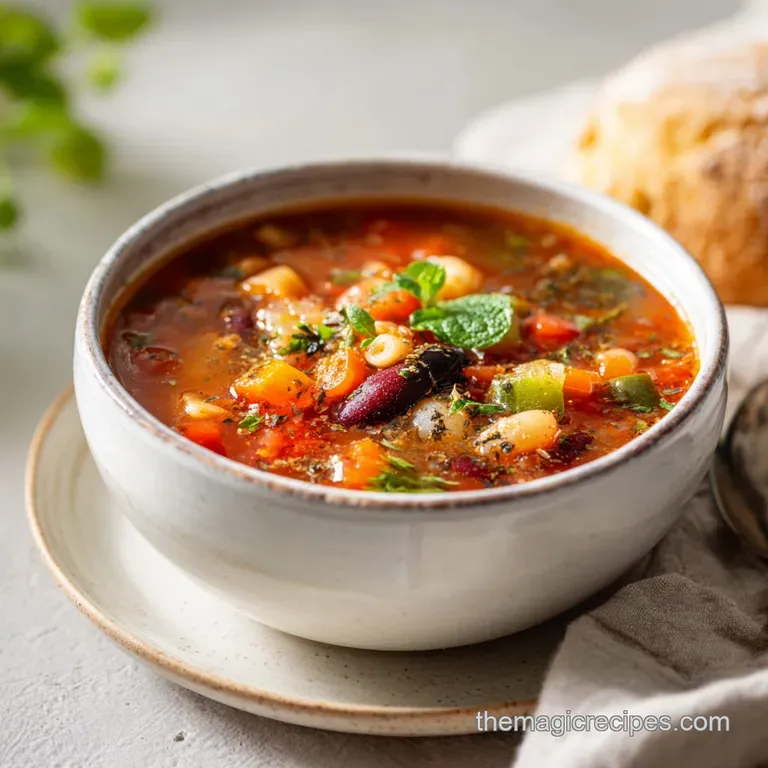
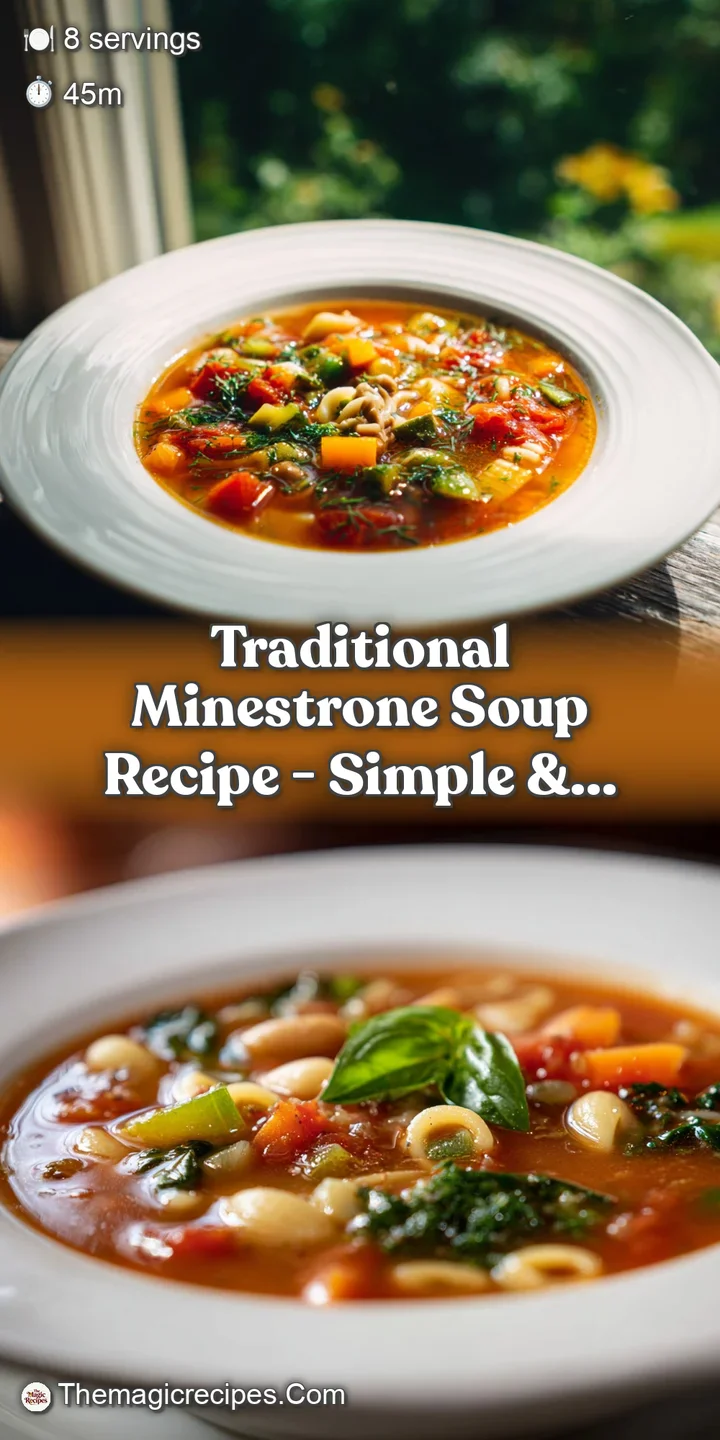
- Time: Active 15 minutes, Passive 30 minutes, Total 45 minutes
- Flavor/Texture Hook: Savory, aromatic broth packed with tender crisp vegetables and velvety beans
- Perfect for: Weeknight meal prep or a healthy, budget-friendly family dinner
- Create a Perfect Minestrone Soup Recipe
- Why the Simmer Succeeds
- Core Components for Flavor
- Essential Tools for Success
- Simple Steps to Success
- Fixing Any Soup Disaster
- Fun Ways to Swap
- Adjusting for Large Crowds
- Myths About Vegetable Soups
- Keeping Your Soup Fresh
- Best Ways to Serve
- High in Sodium
- Recipe FAQs
- 📝 Recipe Card
Create a Perfect Minestrone Soup Recipe
The kitchen smells like a dream right now, and it's all thanks to a pile of chopped onions and celery hitting hot oil. There is something about that specific sizzle when the vegetables start to soften and release their sweetness that makes the whole house feel warmer.
I remember the first time I tried making this, I rushed the sautéing part, and the result was... well, let's just say it tasted like vegetable water. It was a mistake I only made once. Now, I know that the magic happens in those first few minutes when you let the aromatics really do their thing.
This minestrone soup recipe isn't just about throwing things into a pot and hoping for the best. It's about building layers. We're going to start with the "holy trinity" of Italian cooking, then hit it with some tomato paste for depth, and finally let a parmesan rind work its quiet wonders in the background.
It's the kind of meal that feels like a hug in a bowl, especially when you've got a hunk of crusty bread to dip into the broth.
You'll find that this version is thick, hearty, and incredibly colorful. We're using fire roasted tomatoes to skip the hours of simmering normally needed for deep flavor, and we're timing our vegetables so the zucchini stays firm rather than turning into mush.
It's a quick, functional way to get a massive amount of nutrition on the table without spending your entire evening standing over the stove.
Why the Simmer Succeeds
Maillard Reaction: Sautéing the tomato paste until it turns brick red creates new flavor compounds that add a savory depth to the broth.
Umami Extraction: Simmering a parmesan rind releases natural glutamates into the liquid, providing a rich, "meaty" backbone without using actual meat.
Starch Gelatinization: The pasta and beans release small amounts of starch as they cook, which naturally thickens the broth into a velvety consistency.
Acid Brightening: Adding lemon juice at the very end breaks through the heavy starches, making every other flavor in the pot pop.
| Method | Cook Time | Texture | Best For |
|---|---|---|---|
| Stovetop | 30 minutes | Bright, tender crisp veggies | Quick weeknight dinners |
| Dutch Oven | 45 minutes | Richer, more integrated broth | Weekend meal prepping |
| Slow Cooker | 6 hours | Very soft vegetables, deep flavor | Set it and forget it days |
Cooking this on the stovetop is my go to because it keeps the green beans and zucchini from losing their vibrant color. If you have the time, a heavy Dutch oven provides the most even heat distribution, which prevents the beans at the bottom from scorching while you're busy doing other things.
Core Components for Flavor
| Ingredient | Science Role | Pro Secret |
|---|---|---|
| Tomato Paste | Concentrated Umami | Cook until it smells like roasted tomatoes, not raw tin. |
| Parmesan Rind | Flavor Infusion | Keep these in the freezer; they are liquid gold for soups. |
| Vegetable Stock | Liquid Foundation | Use a low sodium version so you can control the final salt level. |
| Ditalini Pasta | Textural Contrast | Cook it directly in the soup to help thicken the broth. |
Using the right ingredients makes a massive difference in how this soup turns out. I always opt for extra virgin olive oil because the peppery notes complement the dried herbs beautifully.
For the beans, I love the combination of cannellini and kidney beans because they offer two different textures: one creamy and one slightly more firm.
For the Aromatic Base
The foundation starts with 2 tbsp extra virgin olive oil. You'll need 1 large yellow onion, finely diced, along with 2 medium carrots that are peeled and sliced into half moons. Add 2 stalks of celery, diced, and 4 cloves of garlic, minced.
Don't skip the 2 tbsp tomato paste it's the secret to that rich, red color. If you're out of fresh garlic, 1 tsp garlic powder works, though the flavor won't be as sharp. For the carrots, you could use parsnips for a sweeter, earthier vibe.
For the Hearty Body
The bulk of the soup comes from 15 oz fire roasted diced tomatoes and two types of beans: 15 oz cannellini beans and 15 oz kidney beans, both rinsed and drained. We're also adding 2 medium zucchini, diced into 1/2 inch cubes, and 1 cup fresh green beans, trimmed and cut into 1 inch pieces.
For the liquid, 6 cups vegetable stock is the standard, but you can use chicken stock if you aren't worried about keeping it vegetarian. If you can't find fire roasted tomatoes, regular diced tomatoes with a pinch of smoked paprika will mimic that charred flavor.
For the Finish
To tie it all together, you'll need 1 parmesan rind and 1 cup small pasta, like ditalini or elbows. Just before serving, stir in 2 cups fresh baby spinach, 1 tsp dried oregano, and 1 tsp dried basil. The final touch is 1 tbsp fresh lemon juice, 0.5 tsp salt, and 0.25 tsp cracked black pepper. Garnish with 2 tbsp grated parmesan cheese. If you don't have ditalini, any small shape like orzo or even broken spaghetti pieces will work. If you want a heartier version, this Italian Meatball Soup recipe uses a similar flavor profile with added protein.
Essential Tools for Success
You don't need a professional kitchen for this, but a large, heavy bottomed pot or a Dutch oven is non negotiable. A thin pot will have "hot spots" that can burn your onions before they actually soften.
You'll also want a sharp chef's knife to get those carrots and celery into uniform pieces so they cook at the same rate.
A sturdy wooden spoon is my favorite tool for scraping the bottom of the pot after adding the tomato paste. That brown film that forms on the bottom is called "fond," and you want to stir it back into the liquid for maximum flavor.
Finally,, a fine mesh strainer is helpful for rinsing the beans to get rid of that metallic tasting canning liquid.
Simple Steps to Success
Heat the 2 tbsp extra virgin olive oil in a large pot over medium heat. Note: This prevents the aromatics from scorching immediately.
Sauté the diced yellow onion, sliced carrots, and diced celery for about 5 minutes until the onions are translucent and fragrant.
Stir in the 4 cloves of minced garlic and 2 tbsp tomato paste, cooking for 2 minutes until the paste turns a deep mahogany color.
Pour in the 15 oz fire roasted tomatoes and 6 cups vegetable stock, scraping the bottom of the pot to release any browned bits.
Add the 15 oz cannellini beans, 15 oz kidney beans, and the parmesan rind. Note: The rind won't melt; it just infuses the liquid.
Season the liquid with 1 tsp dried oregano, 1 tsp dried basil, 0.5 tsp salt, and 0.25 tsp black pepper.
Boil the mixture, then reduce heat to low and simmer for 10 minutes until the flavors begin to meld.
Drop in the 1 cup ditalini pasta, 1 cup green beans, and diced zucchini, cooking for 10 minutes until the pasta is al dente.
Wilt the 2 cups fresh baby spinach into the soup during the last minute of cooking.
Finish by stirring in 1 tbsp fresh lemon juice and removing the parmesan rind before serving.
Fixing Any Soup Disaster
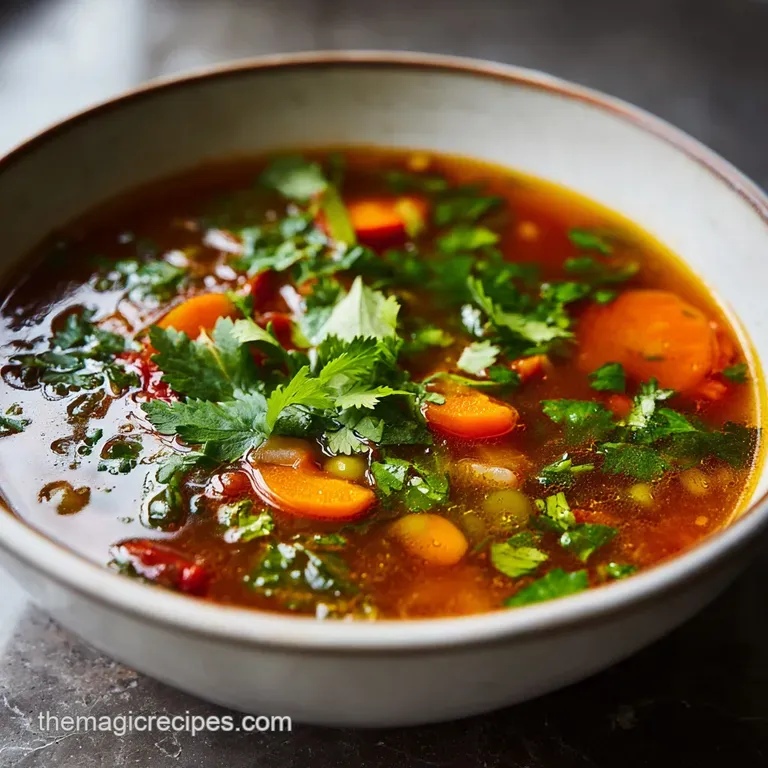
One of the most common issues people run into with a minestrone soup recipe is the pasta soaking up all the liquid. If you're not eating it all at once, the ditalini will continue to hydrate, turning your soup into a thick stew by the next morning. It's still tasty, but the texture changes.
If this happens, just splash in a little extra stock when you reheat it.
Correcting a Bland Broth
If your soup tastes a bit flat, it usually needs one of two things: salt or acid. We've included lemon juice in this recipe to solve that, but sometimes a splash of balsamic vinegar or a pinch more salt is needed. Remember that beans absorb a lot of salt, so you might need to season more than you think.
| Problem | Root Cause | Solution |
|---|---|---|
| Mushy Vegetables | Overcooking or adding too early | Add zucchini and green beans only in the last 10 mins. |
| Bitter Aftertaste | Scorched garlic or tomato paste | Sauté aromatics on medium heat; don't let garlic brown. |
| Thin, Watery Broth | Not enough starch or simmering | Mash a few of the beans against the side of the pot. |
- ✓ Pat your fresh vegetables dry after washing to ensure they sauté rather than steam.
- ✓ Sauté the tomato paste for at least two minutes to remove the raw, metallic flavor.
- ✓ Don't overcrowd the pot when sautéing the base vegetables; work in batches if your pot is small.
- ✓ Remove the parmesan rind before it gets too soft and starts to break apart.
- ✓ Add the spinach at the very last second so it stays bright green rather than turning grey.
Fun Ways to Swap
If you want to change things up, this recipe is incredibly flexible. You can easily create a Cheap Minestrone Soup Recipe by using whatever frozen vegetables you have on hand instead of fresh ones. Frozen peas, corn, or even a bag of mixed stir fry veggies can work in a pinch. If you're looking for a different vibe altogether, you might enjoy this Chicken Taco Soup recipe, which is just as easy but swaps the Italian herbs for cumin and chili.
Crafting a Protein Packed Version
To make this even more filling, you could brown some Italian sausage or ground turkey along with the onions. Just make sure to drain the excess fat before adding the rest of the vegetables.
Adding a cup of cooked quinoa or farro instead of pasta is another great way to boost the protein and fiber content while keeping it vegetarian.
Making it Vegan/Plant Based
This recipe is already mostly plant based, but the parmesan rind and garnish are the holdouts. To keep it strictly vegan, simply omit the parmesan rind and use a tablespoon of nutritional yeast instead. You can also garnish with a drizzle of high-quality olive oil and a sprinkle of sea salt instead of cheese.
Adjusting for Large Crowds
Scaling this recipe is fairly straightforward, but there are a few things to keep in mind. If you're cutting the recipe in half, reduce the cooking time for the vegetables slightly so they don't get too soft in the smaller volume of liquid. For doubling the recipe, don't just double the salt and spices right away.
Start with 1.5 times the amount and taste as you go.
Chef's Note: If you're making a massive batch for a party, cook the pasta separately and add a spoonful to each bowl before pouring the soup over it. This prevents the pasta from getting bloated if the soup sits on the stove for a few hours.
If you are cooking for just one or two people, you can freeze the base of the soup (without the pasta) in individual portions. When you're ready to eat, just boil the frozen soup and drop in a handful of dry pasta. This keeps the noodles fresh and the texture exactly where it should be.
Myths About Vegetable Soups
One common misconception is that you need to cook vegetable soup for hours to get good flavor. In reality, overcooking just destroys the vitamins and turns the vegetables into mush.
With the right aromatics and a few "cheats" like fire roasted tomatoes and parmesan rinds, you can get deep, complex flavor in under 45 minutes.
Another myth is that "fresh is always better." While fresh vegetables are great, high-quality canned beans and fire roasted tomatoes often have more concentrated flavor than their fresh counterparts out of season. Don't feel guilty about using your pantry staples that's what this soup is all about!
Keeping Your Soup Fresh
This soup stays fresh in the fridge for about 4 to 5 days. In fact, many people (myself included) think it tastes better on day two because the spices have had more time to mingle. Just be prepared for the pasta to absorb some of the liquid.
When reheating, I usually add a splash of water or more stock to bring it back to a soup like consistency.
For zero waste, save your vegetable scraps! Onion skins, carrot peels, and celery ends can be kept in a bag in the freezer. When the bag is full, boil them in water for an hour to make your own vegetable stock for the next time you make this minestrone soup recipe.
It's a great way to use every bit of your produce and save a few dollars at the grocery store.
Best Ways to Serve
I love serving this in big, wide bowls with a heavy dusting of parmesan cheese on top. If you want a bit of crunch, serve it with some garlic crostini or a thick slice of sourdough bread.
The soup is quite hearty on its own, but a light side salad with a simple lemon vinaigrette can help balance the richness of the bean heavy broth.
If you have kids who are picky about greens, you can finely chop the spinach so it blends in more, or swap it for frozen peas which are often a hit. Honestly, the best way to enjoy this is right off the stove when the zucchini still has a bit of "snap" and the broth is steaming hot.
It's a simple, honest meal that never fails to satisfy.
High in Sodium
812 mg of sodium per serving (35% of daily value)
American Heart Association recommendation about 2,300mg limit
Tips to Reduce Sodium
-
Low-Sodium Broth-30%
Swap regular vegetable stock for a low-sodium or no-salt added variety. This simple change can significantly reduce the sodium content.
-
Rinse Canned Beans Well-20%
Thoroughly rinse the canned cannellini and kidney beans under running water before adding them to the soup. Rinsing can remove up to 40% of the sodium in canned beans.
-
Reduce Cheese Quantity-15%
Decrease the amount of parmesan cheese used both in the rind added to the soup and as a garnish. Try using only 1 tbsp of grated parmesan for garnish instead of 2 tbsp.
-
Limit Added Salt-25%
Reduce or eliminate the added salt (0.5 tsp) in the recipe. Taste the soup after cooking and only add salt if absolutely necessary. You can likely omit it entirely since parmesan cheese and vegetable stock already add salt.
-
No-Salt Added Tomatoes-10%
Use no-salt added fire roasted diced tomatoes. Regular canned tomatoes often contain added salt; choosing the no-salt added version is a healthier choice.
-
Fresh Herbs & Spices
Enhance the flavor with a variety of fresh or dried herbs and spices like garlic powder, onion powder, or Italian seasoning instead of relying on salt. Taste as you go and adjust accordingly.
Recipe FAQs
What is the secret ingredient in minestrone soup?
The parmesan rind is the most impactful secret ingredient for deep, savory flavor.
Simmering a piece of parmesan rind releases natural glutamates, which add a rich, "meaty" umami backbone to the broth without using any actual meat products.
What ingredients of minestrone soup are essential?
Aromatics, canned tomatoes, and beans are the essential pillars of a hearty minestrone.
You must include the base of onion, carrot, and celery, fire roasted tomatoes for depth, and at least two types of beans for texture and body. If you enjoyed mastering the flavor infusion technique here, see how the same principle of slow building flavor works in our Hot Dog Chili recipe.
What's the secret to a flavorful minestrone?
Sautéing the tomato paste until it darkens is the key to unlocking a deep, non-metallic flavor base.
Cook the paste until it turns a deep mahogany color, which develops new savory compounds through caramelization before adding the liquid. This quick Maillard reaction step is crucial for moving beyond simple vegetable broth.
Does minestrone need celery?
Yes, celery is highly recommended as it forms one-third of the necessary Italian aromatic base.
Celery, paired with onion and carrot (the soffritto), provides the essential sweet and savory foundation that defines the soup’s signature taste profile.
How to prevent pasta from getting soggy in leftover minestrone?
Cook the pasta separately or only add it immediately before serving for immediate consumption.
When storing leftovers, the pasta continues to absorb liquid, leading to a stew like consistency the next day. Simply reheat the broth and add a fresh portion of cooked pasta when serving later.
How to make the broth rich without meat?
Use a parmesan rind and cook down the tomato paste to maximize natural umami content.
Simmering a hard cheese rind releases glutamates, while thoroughly cooking the tomato paste concentrates its savory characteristics. This technique builds robust flavor, much like we use intense simmering for depth in our Corn Chowder Recipe.
How to adjust vegetable textures in minestrone?
Add harder vegetables first and softer vegetables last according to their required cook times.
Carrots should go in early with the broth, while tender items like zucchini and spinach should only enter the pot during the last 10 minutes of simmering to retain their color and bite.
Traditional Minestrone Soup Recipe
Ingredients:
Instructions:
Nutrition Facts:
| Calories | 218 calories |
|---|---|
| Protein | 9.6g |
| Fat | 4.8g |
| Carbs | 34.2g |
| Fiber | 7.4g |
| Sugar | 5.1g |
| Sodium | 812mg |
