Carne Guisada: the Ultimate Recipe for Rich, Slow-Simmered Latin Beef Gravy
- Unlocking the Ultimate Carne Guisada: A Deep Dive into Latin Beef Gravy
- The Science of Tenderness: Achieving Fork-Shredding Meat and Velvety Gravy
- Essential Pantry List for Authentic Carne Guisada Flavor
- Step-by-Step Guide: How to Master the Carne Guisada Simmer
- Troubleshooting Your Stew: Expert Tips for Perfect Carne Guisada Every Time
- Traditional and Modern Pairings for Your Carne Guisada
- Making Ahead and Preservation: Storage and Freezing Guisada
- Recipe FAQs
- 📝 Recipe Card
Unlocking the Ultimate Carne Guisada: A Deep Dive into Latin Beef Gravy
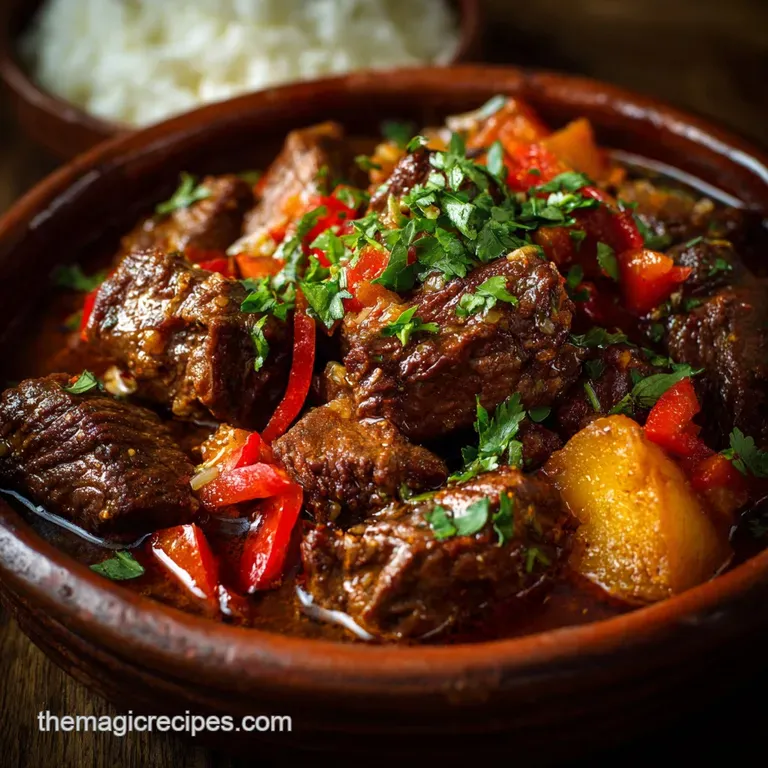
Can we talk about the smell of real comfort food? When you walk into a house where Carne Guisada is bubbling low on the stove, you are hit with this deep, earthy wave of cumin, garlic, and slow cooked meat that just wraps around you like a heavy blanket.
Forget watery, bland stews; this dish delivers fork shredding tenderness suspended in the most velvety, savory Latin beef gravy you will ever experience. It is the epitome of home cooking, seriously.
This recipe is my go-to when I want maximum flavor payoff for minimal active effort. Chuck roast is inexpensive, the steps are shockingly straightforward, and once the simmering starts, you are basically hands off for a couple of hours.
It’s a lifesaver for Sunday meal prep or when you need a crowd pleasing taco filling that doesn't rely on expensive ingredients. Plus, it somehow tastes even better the next day, which is the mark of a truly great dish.
I spent years making sad, thin versions of this incredible classic before I figured out the few non-negotiable steps that guarantee success every single time. We are going to nail the searing, perfect the spice blooming, and learn the secret to that impossibly silky, rich gravy.
Let’s crack on and master this slow simmered Latin beef gravy.
The Science of Tenderness: Achieving Fork Shredding Meat and Velvety Gravy
What Exactly is Carne Guisada?
Carne Guisada literally translates to "stewed meat." It is a traditional preparation found across Latin America and the Tex-Mex regions, focused entirely on transforming tough cuts of meat into something luxuriously tender.
While different countries have slight variations (some add potatoes, others use different liquids), the core focus remains a deeply flavored, rich gravy that envelops the cooked meat.
The Difference Between Stew and Guisada (Flavor Profile Distinction)
Think of standard beef stew as a chunky, brothy affair often loaded with carrots and celery. Carne Guisada is different; the liquid reduction is intense, creating a concentrated, velvety gravy rather than a thin broth.
Our flavor profile relies heavily on earthy, warm spices like cumin, Mexican oregano, and chili powder, giving it that characteristic Tex-Mex or Spanish depth. It’s not just a stew; it’s a gravy dish.
The Medium Difficulty Breakdown (Setting Expectations)
You might think 3 hours is excessive, but trust me, that time is mostly passive. I call this recipe medium difficulty because you need attention to detail in the first 20 minutes, especially during the searing. If you rush the sear, the final flavor suffers immensely.
Once the lid is on, however, your job is mostly done.
The Maillard Reaction: Searing for Maximum Depth
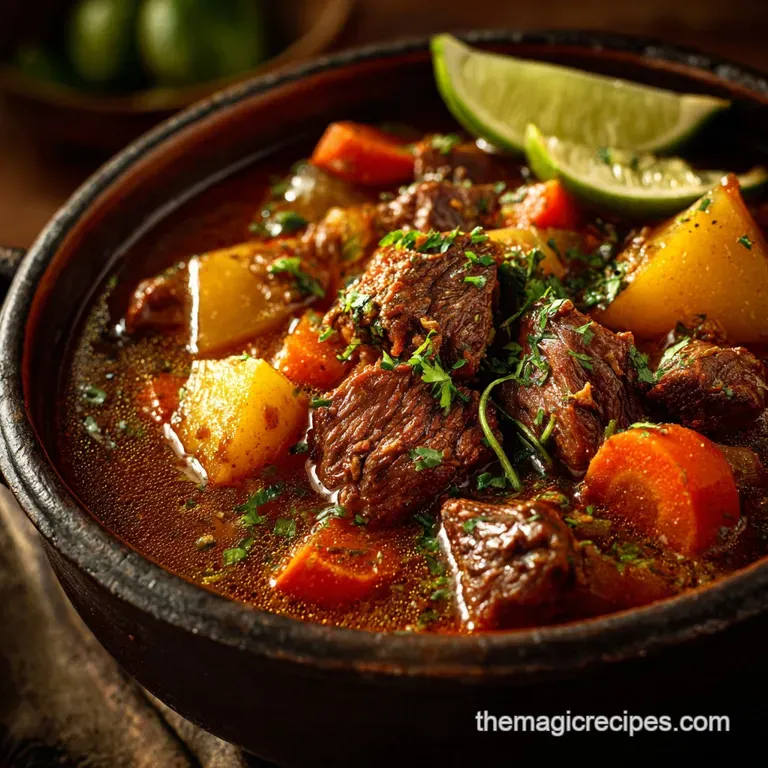
If you take only one thing away from this recipe, let it be this: Do not skip or rush the searing phase. The Maillard Reaction is the culinary magic that gives browned meat its complex, nutty, savory flavor.
When you sear the beef chuck in small batches, you create a deep, caramelized crust, and those brown bits (the fond) left on the bottom of the pot become the foundation of our entire gravy flavor.
Low and Slow: Transforming Chuck Roast into Butter
Chuck roast is tough because it’s packed with connective tissue called collagen. Collagen doesn't break down quickly; it needs low, consistent heat over a long period. When you simmer the meat gently for 2 to 3 hours, that collagen melts, releasing gelatin into the gravy and moisturizing the muscle fibers.
This process is what transforms that tough cut into the silky, buttery meat you can shred with a fork.
The Secret to a Silky, Non-Mushy Gravy
The key to avoiding a grainy or watery gravy is incorporating the thickener correctly. We use the fat rendered from the initial sear and a little added oil to cook the flour briefly. This simple roux cooks out the raw flour flavor and ensures the gravy thickens smoothly when the broth is added.
Vigorously whisking in the broth prevents lumps.
Chef's Note: Adding a splash of white vinegar or fresh lime juice right at the end is non-negotiable. After hours of slow cooking, the rich, heavy flavors need a sharp acidic lift to brighten the whole dish and make it truly sing.
Essential Pantry List for Authentic Carne Guisada Flavor
Choosing the Best Cut: Why Chuck Roast Reigns Supreme
Chuck roast is your champion here. It has the perfect balance of intramuscular fat and collagen necessary for long, slow cooking. Other cuts might dry out or won't provide the same richness that ultimately fortifies the gravy.
| Ingredient | Why We Use It | Substitution Idea |
|---|---|---|
| Chuck Roast | High collagen content, crucial for tenderness and gravy body. | Pork Shoulder (Boston Butt) works well, though the flavor will be slightly sweeter. |
| All-Purpose Flour | Creates the initial roux thickener for the gravy. | Masa Harina (corn flour). Use the same amount for an authentic, gluten-free thickener. |
| Beef Broth | The primary cooking liquid. Choose low-sodium. | Beef Stock (provides more gelatin/body) or Water + Beef Bouillon paste/cubes. |
| Mexican Oregano | Distinct flavor; earthier and less sweet than Mediterranean oregano. | Regular Oregano works fine, but use slightly less. |
Aromatics and Spices: Building the Earthy Flavor Base
The flavor base, or sofrito , is built on chopped yellow onion, green bell pepper, and minced garlic. Do not skip the tomato paste! A tablespoon of tomato paste adds a necessary depth and slight tanginess (umami) when bloomed with the spices.
Blooming the chili powder, cumin, and oregano in the hot fat for one minute before adding liquid is crucial for releasing their full aromatic potential.
Managing Acidity and Salt: Balancing the Gravy
Because this dish cooks down for so long, the salt concentration will increase dramatically. Always season the meat lightly at the start and save the final heavy salting for the end. Once the gravy is fully reduced and the meat is tender, taste it.
That's when you add the finishing salt and that crucial teaspoon of white vinegar or lime juice to hit the perfect balance.
step-by-step Guide: How to Master the Carne Guisada Simmer
Phase 1: Searing and Establishing the Fond
- Prep and Dry: Cut your chuck roast into roughly 1 inch cubes. Pat them aggressively dry with paper towels. Season the dry beef generously with salt, pepper, and a bit of garlic powder.
- Heat the Pot: Heat your Dutch oven with oil over medium high heat until it shimmers.
- Sear in Batches: Add only enough beef to cover the bottom of the pot without touching (about one-third of the meat). Sear for 2– 3 minutes per side until you have a deep, mahogany brown crust. Remove and set aside. Repeat until all the meat is seared. Don't drain the pot yet!
Phase 2: Building the Gravy Base and Deglazing
- Softening Aromatics: Reduce the heat to medium. Add the chopped onion and bell pepper to the pot, scraping up all those beautiful brown bits (the fond) left from the meat. Sauté them for about 5– 7 minutes until they are soft and translucent.
- Bloom the Spices: Stir in the minced garlic, tomato paste, chili powder, cumin, and oregano. Cook for 60 seconds, stirring constantly. You should smell a rich, toasted aroma as the spices wake up. Do not let the garlic burn.
Phase 3: The Long Simmer and Checking for Doneness
- Make the Roux: Sprinkle the flour (or masa) over the aromatics. Stir and cook for another minute to coat everything and cook out the raw flour taste.
- Add Liquid: Slowly pour in the beef broth, whisking constantly as you pour to ensure a smooth, lump free start to the gravy. Add the bay leaf.
- The Simmer: Return the seared beef (and any accumulated meat juices!) to the pot. Bring the mixture just up to a light simmer we are talking small, slow bubbles. Cover the pot tightly and reduce the heat to the lowest possible setting. Simmer for a total of 2 to 3 hours.
- Check and Stir: Check every 45 minutes to stir the bottom and ensure it isn't sticking. If the gravy seems too thick, add a small splash of water or broth.
Phase 4: Final Gravy Thickening and Adjustment
- Test for Tenderness: After 2 hours, test the meat. It should yield absolutely no resistance when pressed with a fork. If it resists, give it another 15– 30 minutes, covered.
- Finish Strong: Remove the bay leaf. Stir in the white vinegar or lime juice. Taste and adjust the salt and pepper until the flavors are perfectly balanced. The gravy should be thick and glossy.
Troubleshooting Your Stew: Expert Tips for Perfect Carne Guisada Every Time
The Gravy is Too Thin (Fixing Consistency)
If you pull the lid off and the gravy looks watery, don't panic. Remove the lid and increase the heat slightly to a vigorous simmer (not a full boil). Let it cook uncovered for 10– 20 minutes. As the liquid evaporates, the gravy will naturally reduce and thicken.
For a faster fix, mix 1 tablespoon of flour or masa with 2 tablespoons of cold water to make a slurry, then stir it into the stew and simmer for 5 minutes.
Why Is My Meat Still Tough? (Addressing Cooking Time)
You probably haven't cooked it long enough, plain and simple. Tough meat means the collagen hasn't melted yet. The meat determines the cook time, not the clock. If my recipe says 2 hours and your meat is still tough, keep simmering it, covered, until it gives way easily.
This can take up to 3. 5 hours depending on your pot, heat consistency, and the exact cut of chuck roast you used.
How to Adjust Spices After Simmering (Flavor Rescue)
Adding dry spices directly to the fully cooked gravy can result in a chalky texture. If you need more depth, mix the desired dry spice (e.g., cumin, chili powder) with a teaspoon of hot oil in a separate small pan and cook for 30 seconds to bloom it. Stir this spiced oil back into the gravy.
This trick fixes blandness instantly.
Traditional and Modern Pairings for Your Carne Guisada
The Classic Delivery: Tacos and Tortilla Fillings
This is the quintessential way to serve Carne Guisada. Grab warm, fresh flour tortillas, scoop the tender meat and gravy inside, and top with pickled red onions or fresh cilantro. The rich, savory stew needs the clean crunch of a simple garnish to cut through the richness.
Starchy Sides: Serving Over Rice, Polenta, or Potatoes
For a hearty dinner, serve the guisada ladled generously over fluffy white rice or Mexican rice (arroz rojo). The rice acts like a sponge, soaking up all that incredible Latin beef gravy. For a truly decadent Southern comfort spin, try serving it over creamy, sharp cheddar grits or polenta.
Garnishes That Brighten the Dish
Do not skip the fresh elements. The perfect Carne Guisada needs a counterpoint.
- Fresh chopped cilantro (coriander).
- Thinly sliced spring onions (scallions).
- A dollop of sour cream or Mexican crema .
- A squeeze of fresh lime juice .
Making Ahead and Preservation: Storage and Freezing Guisada
Carne Guisada is an excellent candidate for batch cooking. It truly develops deeper flavor as it rests overnight.
Refrigeration: Store leftovers in an airtight container for up to 4 days . The gravy will thicken considerably once chilled.
Freezing: This dish freezes beautifully. Let the guisada cool completely, then transfer it to freezer safe containers or heavy duty freezer bags (squeezing out excess air). It keeps perfectly for up to 3 months .
Reheating: Thaw the guisada overnight in the fridge. To reheat, transfer it to a pot and add a splash of water or broth. Heat gently over medium low heat, stirring frequently. If it’s too thick, add a bit more liquid until it reaches the desired gravy consistency.
Slow reheating ensures the meat stays tender.

Recipe FAQs
Why is my beef still tough after several hours of simmering?
Tough meat usually means it hasn't simmered long enough to break down the tough connective tissues inherent in chuck roast. Carne Guisada is meant to be cooked low and slow, so if it's tough, simply continue simmering, covered, for another hour or two until the beef easily shreds with a fork.
Ensure the heat is truly low, maintaining just a gentle bubble, not a rolling boil.
My gravy is too thin. How can I thicken it without changing the flavor?
The simplest way to thicken the gravy is by creating a cornstarch slurry mix one tablespoon of cornstarch with two tablespoons of cold water, then whisk it into the simmering liquid.
Alternatively, remove the lid for the last 30 to 45 minutes of cooking to allow excess moisture to evaporate, concentrating the sauce naturally.
Is searing the beef before stewing really necessary?
While technically optional, searing the beef is highly recommended as it initiates the Maillard reaction, which develops deep, complex, savory notes essential to the final flavor profile. Searing also creates fond (brown bits) at the bottom of the pot, which, when deglazed, enrich the base of the gravy significantly.
Skipping this step results in a paler, less intensely flavored sauce.
What is the best cut of beef to substitute for chuck roast?
The best substitutes are other high collagen cuts that benefit from long, moist cooking, such as beef short ribs (boneless) or bottom round. Avoid very lean cuts like sirloin or tenderloin, as they tend to dry out and become chewy during the required long simmering time.
Ensure the beef is cut into even 1.5 inch chunks.
Can I make Carne Guisada in a pressure cooker or Instant Pot?
Yes, using a pressure cooker is an excellent way to achieve tenderness in a fraction of the time. Use the Sauté function to sear the beef and cook the aromatics, then cook the stew on High Pressure for 35 to 45 minutes, followed by a natural pressure release.
This method drastically reduces the cooking time while maintaining the rich flavor and texture.
How should I store leftover Carne Guisada, and does it freeze well?
Carne Guisada is ideal for meal prep and stores exceptionally well, often tasting better the next day. Refrigerate leftovers in an airtight container for up to 4 days. For long term storage, freeze the cooled stew in a freezer safe container for up to three months; the rich, thickened gravy handles the freeze thaw process perfectly.
How can I adjust the heat level if I prefer a spicier stew?
To increase the heat, add one or two diced jalapeño or serrano peppers when you sauté the onions and bell peppers at the beginning of the recipe. For controlled heat at the end, stir in a pinch of cayenne pepper or a teaspoon of hot chili flakes after the beef is tender.
Always taste as you go to avoid overpowering the dish.
Ultimate Slow Simmered Carne Guisada Recipe
Ingredients:
Instructions:
Nutrition Facts:
| Calories | 461 kcal |
|---|---|
| Protein | 32.0 g |
| Fat | 29.0 g |
| Carbs | 21.0 g |
