Cinnamon Rolls: the Ultimate Soft Sticky Version
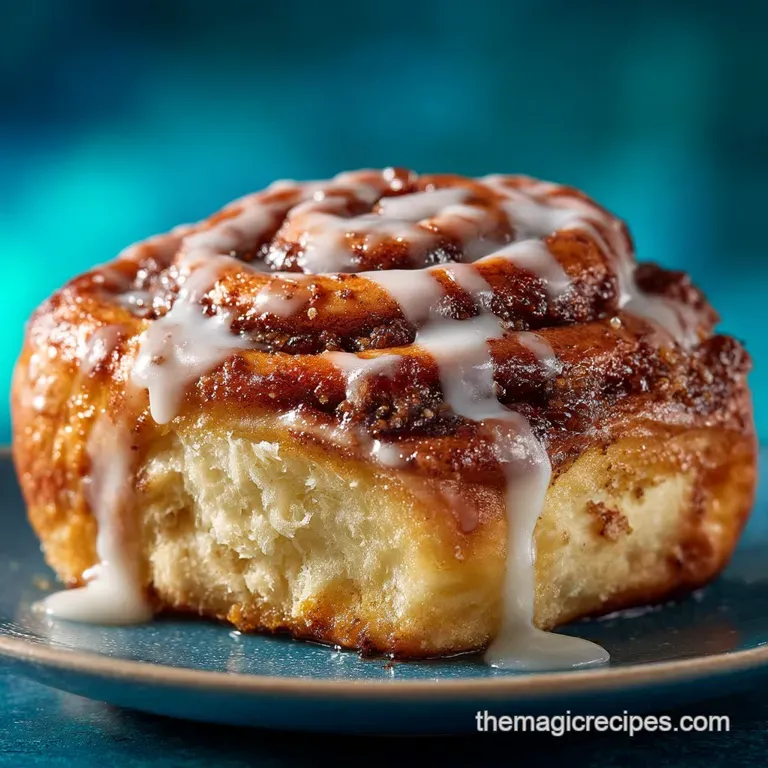
- Proper Weekend Indulgence: The Ultimate Soft and Sticky Cinnamon Rolls with Cream Cheese Glaze
- The Pursuit of the Perfect Sticky Bun: An Overview
- Essential Ingredients for Bakery-Quality Rolls
- Smart Ingredient Swaps and Dietary Notes
- The Method: Preparing the Ultimate Cinnamon Roll Dough
- Assembling and Baking Your Sweet Rolls
- Whisking Up the Tangy Cream Cheese Glaze
- Troubleshooting Common Baking Mistakes
- Storage and Meal Prep Solutions
- The Perfect Pairing: Serving Suggestions
- Recipe FAQs
- 📝 Recipe Card
Proper Weekend Indulgence: The Ultimate Soft and Sticky Cinnamon Rolls with Cream Cheese Glaze
There is no smell on earth that compares to the deep, spicy, buttery warmth of truly great Cinnamon Rolls baking in your oven. It's instantly comforting, deeply nostalgic, and frankly, completely addictive.
Forget the dry, sad, store-bought approximations; we are going for sticky, rich, and utterly luxurious results here.
I know what you are thinking: yeast, kneading, proofing that sounds like a whole day’s commitment. And while these do require some time, the active prep work is surprisingly fast, and the total cost is definitely cheaper than hitting up a fancy bakery.
Trust me, the sheer joy you get from serving a pan of homemade, gooey Cinnamon Rolls makes every minute worth it.
So grab your apron, dust off that stand mixer, and let’s dive into the recipe I have perfected over years of trials (and several disastrous batches that resulted in hockey pucks). This is the guide to creating the best sticky, soft, bakery quality Cinnamon Rolls you will ever make at home.
Let’s crack on!
The Pursuit of the Perfect Sticky Bun: An Overview
This recipe is built on an enriched dough foundation, which is the secret weapon for avoiding tough, dry pastry. Unlike standard bread dough, enriched dough uses fats (butter), sugar, and eggs, resulting in a tender crumb that stays soft for days.
This approach separates our Cinnamon Rolls from the dry breakfast pastries you might be used to.
Mastering the Science of Soft, Tender Dough
What Makes This Recipe Truly Ultimate (Beyond the Glaze)
The secret is controlling the fat content and temperature. We use high fat butter, incorporating it softened not melted which creates layers and traps moisture brilliantly.
Most quick recipes skip the enriched dough step, but that extra effort is what gives these Cinnamon Rolls their signature pillow soft texture. It’s what keeps them soft inside even when you reheat them the next day, which is essential for any high ranking, homemade Cinnamon Rolls recipe.
The Importance of a Double Rise for Maximum Fluffiness
I used to think one proof was enough, but that was a rookie mistake. The first rise develops the deep, complex flavors and strength in the dough structure. The critical second rise, done after shaping the Cinnamon Rolls , relaxes the gluten and ensures the rolls expand upward in the pan instead of being dense.
This is non-negotiable for fluffy results.
Time Commitment: Planning Your Weekend Bake Schedule
Yes, the total time looks long (over three hours), but most of that is passive waiting while the yeast does its magic. I suggest mixing the dough Friday evening, letting it do its first, slow rise in the fridge overnight, then shaping and baking Saturday morning.
This is how you achieve the best flavour profile for Ultimate Soft Cinnamon Rolls .
The Role of High Butterfat and Egg Yolks in Brioche Dough
We aren't making true brioche, but we are using brioche principles. Eggs add richness and help emulsify the dough, creating a stronger structure capable of holding a substantial amount of butter.
The high butterfat content is what makes the final baked product taste so luxurious; it’s basically guaranteed flavour. I only use unsalted butter here because you want to control the salt content precisely.
Achieving the Signature "Sticky" Texture in the Filling
If your filling runs out, you’ve used too much melted butter. If it’s dry, you didn’t use enough brown sugar. The perfect sticky texture comes from using very soft butter, not liquid butter, mixed with dark brown sugar.
When that sugar/butter/cinnamon blend melts during baking, it caramelizes just slightly, creating that glorious, dark, sticky bottom layer we all crave in perfect Cinnamon Rolls .
Why Temperature Control is Crucial for Yeast Activation
Yeast is a living organism, and it is picky. If your milk is too cold, the yeast sleeps; too hot (above 130°F), and it dies instantly. I aim for bathwater temperature, right around 105°F (40°C).
This optimal warmth ensures rapid activation and a vigorous first rise, leading directly to successful, fluffy Cinnamon Rolls .
Essential Ingredients for Bakery Quality Rolls
We keep the ingredient list simple, but the quality truly matters, especially when dealing with baked goods. High protein flour gives better structure, and don't skimp on the cinnamon it's half the name! For the best result, use full fat dairy products, because fat equals flavour in baking.
Smart Ingredient Swaps and Dietary Notes
Even if you’re missing an item or have dietary restrictions, you can still produce amazing Soft and Sticky Cinnamon Rolls . Here are my trusted back pocket substitutions.
| Ingredient | Viable Substitute | Notes |
|---|---|---|
| Active Dry Yeast | Instant Yeast | Skip the proofing step; mix directly into dry ingredients. |
| Whole Milk | Full Fat Oat Milk | Works beautifully for dairy-free dough. |
| All-Purpose Flour | Bread Flour (up to 75%) | Provides more chew, great for a sturdier roll structure. |
| Unsalted Butter | high-quality Vegan Butter | Ensure it has at least 80% fat content for best results. |
| Cream Cheese | Vegan Cream Cheese | Essential for making truly homemade Cinnamon Rolls easy for everyone. |
| Dark Brown Sugar | Muscovado Sugar | Offers an even deeper, more complex molasses flavour in the filling. |
The Best Cinnamon Blends for Intense Flavor
I’m an absolute snob about cinnamon. If you’re using that dusty jar that’s been in the cupboard since 2018, throw it out! I prefer Ceylon or Korintje cinnamon they have a brighter, more intense aroma that stands up well to the richness of the dough.
Using two full tablespoons of ground cinnamon might seem like a lot, but that is the secret to getting a robust flavor that makes these the best Cinnamon Rolls .
Selecting High Protein Flour for Optimal Structure
While I specify All-Purpose flour because it’s easily accessible, if you want that amazing, robust chew, use bread flour for at least half the mix. Bread flour has higher protein content (gluten), which holds the gas produced by the yeast better, resulting in loftier, more uniform Cinnamon Rolls .
Guide to Dairy and Yeast Choices
If you only have skim milk, you can enrich it by adding a tablespoon of melted butter to the warmed liquid. For yeast, always check the date! I once wasted an entire afternoon trying to bake because I was using yeast from the Mesozoic Era.
If your milk doesn’t foam in 10 minutes, your yeast is dead. Start over.
dairy-free Alternatives for Dough and Glaze
dairy-free versions of this recipe are excellent, but you need to be strategic. Use solid vegan butter sticks (not tub spreads) for the dough and filling. For the glaze, combine vegan cream cheese with a little almond milk; it works perfectly for that tangy, sweet topping on your Quick Cinnamon Rolls Recipe .
Sugar Substitutions in the Filling
Can you use granulated white sugar? Yes, but it will lose some of that gooey, sticky texture because it lacks the molasses found in brown sugar. If you must use white sugar, try adding a teaspoon of molasses to the melted butter/cinnamon mixture for a similar caramelization boost.
Tips for Making Smaller, Individual Servings
If you want smaller, more manageable Cinnamon Rolls , slice the log into 16 or 18 pieces instead of 12. Reduce the baking time by about 5- 8 minutes and keep a close eye on them to prevent drying out.
The Method: Preparing the Ultimate Cinnamon Roll Dough
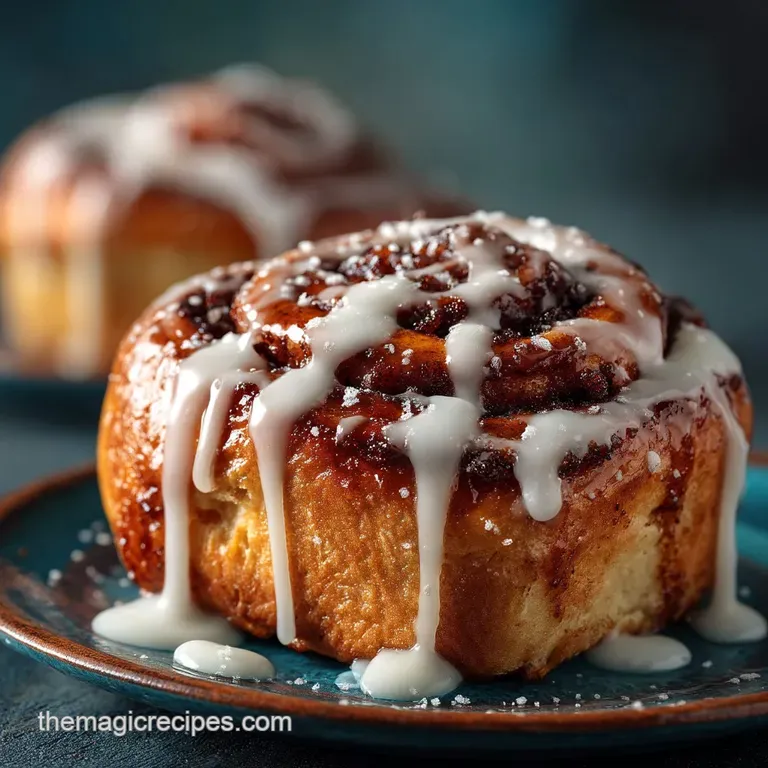
Activating the Yeast and Preparing the Wet Ingredients
Start by warming your milk. Seriously, get it just right, or nothing happens. Once the milk is warm, dissolve the sugar and sprinkle the yeast over the top. Let it bloom until frothy that foam is proof that your yeast is alive and ready to make magic.
Whisk in your room temperature eggs and the softened, but not fully melted, butter next.
Kneading and the First Proofing Stage
Gradually incorporate your flour and salt. If you have a stand mixer, you’ll knead this for about eight minutes on low speed. The dough should eventually clear the sides of the bowl. It will look like a soft, silky baby bottom when it’s done.
If kneading by hand, prepare for a nice arm workout; aim for 10- 12 minutes until it passes the windowpane test (you can stretch a small piece thin enough to see light through it).
Chef's Note: Don’t be tempted to add all the flour listed. The humidity in your kitchen changes how much flour the dough needs. Stop adding flour the second the dough is elastic and only slightly tacky.
Rolling Out the Dough to the Ideal Thickness
Once the dough has doubled (the first proof), gently punch it down it's so satisfying! Turn it out and roll it into a large rectangle, aiming for 12 by 18 inches. That thin, even thickness, about ¼ inch, is vital for getting beautiful, tight spirals.
If the dough snaps back, let it rest for five minutes, then continue rolling.
Assembling and Baking Your Sweet Rolls
Spreading the Filling Evenly and Tightly Rolling the Log
The filling must be spreadable , like soft peanut butter. Use an offset spatula to push the cinnamon sugar mix right up to the edges, leaving just one long edge clean. When you roll the log, start at the long, filled edge and roll tightly, squeezing the air out as you go.
This prevents gaps in your finished Cinnamon Rolls . Pinch that clean seam closed tightly to ensure the roll holds its shape.
The Critical Second Proof: When to Stop
Slice your log using dental floss it’s the best way to keep your spirals round! Place them snugly in the prepared baking dish. The second proof is shorter, only about 30 minutes, but it's crucial. The rolls should puff up and fill the gaps, becoming visibly larger.
The test: poke a roll gently; if the indentation slowly springs back, you're ready to bake. If it springs back immediately, proof for another 10 minutes.
Achieving a Golden Brown Crust Without Drying Out the Interior
Bake these Ultimate Soft Cinnamon Rolls at 375°F (190°C). This slightly higher temperature helps the edges brown before the interior dries out. If the tops are getting too dark but the centers aren't done, cover the pan lightly with foil for the last 5- 10 minutes.
Look for a light golden colour on the crust and that tell tale bubbling, sticky filling around the edges.
Whisking Up the Tangy Cream Cheese Glaze
The perfect glaze is the tangy counterpoint to the sweet, rich roll. It needs to be thick enough to coat, but thin enough to drip beautifully. Beat the cream cheese and butter until they are lump free before adding the powdered sugar. Adjust the consistency with a tiny splash of milk or cream until it flows slowly off a spoon. If you want to try my Fluffy Rolls with Tangy Glaze, you can find the recipe here: cinnamon roll Recipe: Fluffy Rolls with Tangy Glaze . That glaze recipe is equally stellar!
Troubleshooting Common Baking Mistakes
Preventing the Filling from Leaking Out During Baking
There are two major culprits here. First, if your butter was too melted when you mixed the filling, it will liquidate faster in the oven and ooze out immediately. Solution: Use soft, room temp butter. Second, if you didn't roll the log tightly enough, the filling has too much room to escape.
Roll that puppy like you mean it!
Why Your Dough Didn't Rise (Yeast Check)
This is the number one reason people struggle with Homemade Cinnamon Rolls Easy . Usually, the water/milk was too hot and killed the yeast, or the yeast was old. The second major reason is a cold kitchen.
If you're struggling, use the oven and boiled water trick to create a warm proofing chamber, ensuring your dough for Cinnamon Rolls rises perfectly.
What to Do If Your Rolls Are Dry or Tough
If your Cinnamon Rolls are dry, you either added too much flour during kneading or you overbaked them. To fix dry rolls after baking, warm them gently and immediately douse them in extra glaze or a simple powdered sugar/milk icing. The excess moisture helps mask the dryness.
Next time, use a kitchen scale to measure the flour accurately!
Storage and Meal Prep Solutions
These incredible treats are best eaten within the hour, but let’s be real, sometimes you need to plan ahead.
Overnight Preparation: The Cold Proof Method
This is my preferred method for making Cinnamon Rolls a morning treat. Follow the recipe right up until the second proofing stage (Step 10). Arrange the sliced rolls in the pan, cover them tightly with plastic wrap, and refrigerate them for 8– 16 hours.
The cold temperature significantly slows the yeast action. In the morning, pull the pan out and let it warm up on the counter for 45– 60 minutes before baking as directed.
Freezing Unbaked and Baked Sticky Buns
Yes, you can freeze both!
- Unbaked: After slicing (Step 9), place the unbaked Cinnamon Rolls on a sheet pan and freeze until solid. Transfer them to a freezer safe bag. To bake, place them frozen into the baking dish, cover, and let them thaw and complete their second rise (about 4– 6 hours) before baking. This makes for a great Quick Cinnamon Rolls Recipe .
- Baked: Cool completely, then wrap individually and freeze. They keep well for about two months.
Reheating Rolls for Day-One Freshness
The best way to reheat these Soft and Sticky Cinnamon Rolls is loosely wrapped in foil in a 300°F (150°C) oven for about 10– 15 minutes. The foil traps the steam and moisture, preventing them from drying out.
Never use the microwave, unless you enjoy chewing on rubber.
The Perfect Pairing: Serving Suggestions
These are rich, so a sharp, palate cleansing drink is ideal. Serve these warm, with a robust cup of dark roast coffee or a strong builder’s tea. The bitterness cuts through the sweetness beautifully.
For a special brunch, consider serving the Cinnamon Rolls alongside a bright, tart bowl of fresh grapefruit segments or a simple homemade applesauce. This Best Cinnamon Roll Recipe deserves to be shared with those you love. Enjoy!

Recipe FAQs
Why are my cinnamon rolls tough or dry after baking?
This is usually caused by incorporating too much flour during the initial kneading or the rolling stage, or by overbaking the rolls. To prevent this, always measure flour by weight if possible, and check for doneness at the lower end of the baking time the internal temperature should register around 200°F.
Can I prepare the cinnamon rolls the night before for baking in the morning?
Yes, the overnight cold proof method works wonderfully for enriched doughs. Assemble the rolls in the baking dish, cover tightly with plastic wrap, and refrigerate for up to 12 hours. The next morning, allow the rolls to sit at room temperature for 60 to 90 minutes before baking to complete the second rise.
My dough isn't rising; what might be the problem?
The most frequent issue is inactive yeast, typically caused by liquid that is too hot or too cold. Ensure your milk is comfortably warm (105°F to 115°F) and check the yeast's expiration date.
If your kitchen is very cold, you can place the dough in a proofing drawer or an oven turned off with the light on for gentle warmth.
How do I prevent the sticky brown sugar filling from oozing out during baking?
Oozing often occurs when the butter used in the filling is melted rather than just softened, which causes the sugar mixture to dissolve and run out. Ensure the filling mixture is uniform and paste like, and always roll the dough log as tightly as possible before slicing to create a proper seal.
Can I make these cinnamon rolls dairy-free or vegan?
Yes, you can substitute the whole milk with full fat oat or soy milk, and replace the butter with a high-quality plant based butter alternative. For the glaze, use vegan cream cheese and plant based butter, ensuring all substitutions maintain the necessary fat content for a rich final result.
What is the best way to store and reheat leftover cinnamon rolls?
Store cooled leftovers tightly covered at room temperature for up to two days, or refrigerate for up to five days. To reheat, wrap the rolls loosely in foil and warm them in a 300°F (150°C) oven for 10-15 minutes; this method rehydrates the dough and restores its tender texture.
Ultimate Soft Cinnamon Rolls
Ingredients:
Instructions:
Nutrition Facts:
| Calories | 410 kcal |
|---|---|
| Protein | 3.0 g |
| Fat | 21.7 g |
| Carbs | 51.1 g |
