15 Minute Vegan Thai Green Curry Soup
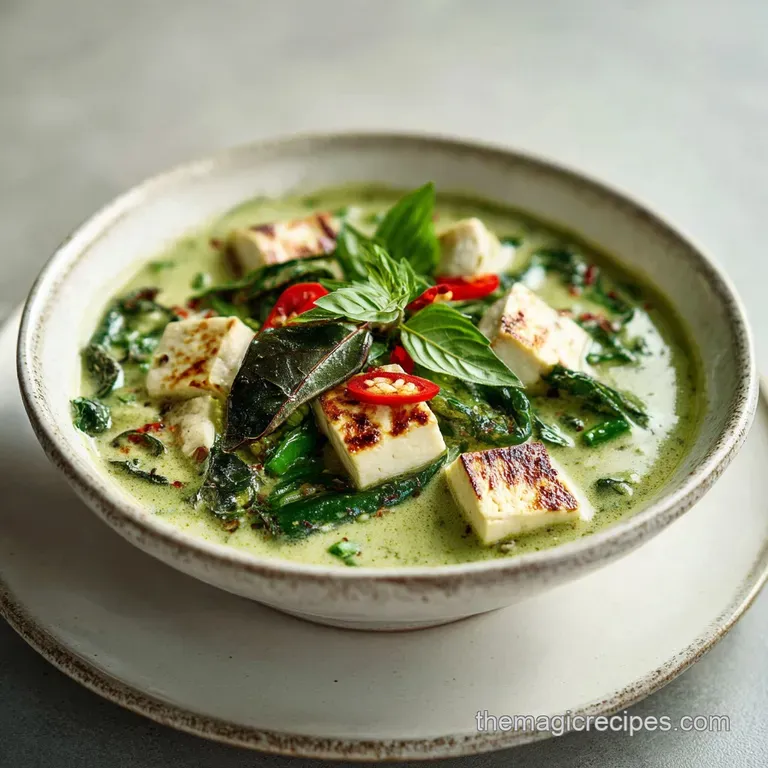
- Time: Active 5 minutes, Passive 10 minutes, Total 15 minutes
- Flavor/Texture Hook: Silky smooth broth with a bright, zingy citrus punch
- Perfect for: Busy evenings when you need big flavor without the wait
- Master the Easiest 15 Minute Vegan Thai Green Curry
- Essential Principles for Achieving Bold Flavor in Minutes
- Component Analysis for the Best Results
- The Alchemy of Selecting Your Elements
- Necessary Tools for Efficient Cooking
- Systematic Approach from Prep to Plate
- Strategies for Rescuing Your Curry Broth
- Precision Scaling for Different Groups
- Debunking Common Green Curry Myths
- Storage Techniques and Zero Waste Tips
- Professional Presentation and Plating Styles
- High in Sodium
- Recipe FAQs
- 📝 Recipe Card
Master the Easiest 15 Minute Vegan Thai Green Curry
The kitchen was cold, the rain was lashing against the window, and I had exactly twenty minutes before my next meeting. I didn't want a sad sandwich or a bowl of cereal. I wanted that specific, sinus clearing heat and the creamy comfort of a bowl from my favorite Thai spot.
Whip up this "15 Minute Vegan Thai Green Curry Soup with Tofu" for a quick and flavorful weeknight meal. It's the kind of dish that feels like a warm hug for your brain after a chaotic day.
Honestly, the first time I tried making this in a rush, I dumped everything into the pot at once. It was... fine. But it wasn't that flavor. The second time, I remembered a trick a chef friend told me about "cracking" the cream.
By frying the paste in a little oil first, the kitchen immediately filled with the scent of lemongrass and galangal. That 60 second step changed everything. You'll get a vibrant, layered broth that tastes like it simmered for hours, not minutes.
Essential Principles for Achieving Bold Flavor in Minutes
Cooking at speed doesn't mean sacrificing depth. When we work with such a tight timeline, we have to lean on the chemistry of the ingredients to do the heavy lifting for us. This isn't just about heating things up - it's about a strategic sequence of events that builds layers of taste.
- Fat Soluble Extraction: Many flavor compounds in green curry paste, like capsaicin and gingerol, are fat soluble. Frying the paste in neutral oil at the start ensures these flavors disperse throughout the entire dish rather than staying trapped in clumps.
- Emulsion Stability: Using full fat coconut milk provides the necessary lipids to carry the spice. If you use "lite" versions, the broth will feel thin and watery because it lacks the mouthfeel required to balance the sharp acidity of the lime.
- Aromatic Infusion: Bruising the lemongrass before adding it to the liquid breaks the cell walls. This allows the essential oils to escape into the broth almost instantly, providing that signature floral note without hours of steeping.
- Residual Heat Cooking: Adding delicate vegetables like snap peas and spinach at the very end prevents them from turning into mush. The residual heat of the soup is enough to soften them while keeping their vibrant color and snap.
If you are looking to expand your menu with other global flavors, this recipe pairs beautifully with a side of Vietnamese Peanut Sauce recipe for dipping fresh spring rolls.
Quick Method Comparison for Busy Cooks
| Method | Time | Texture | Best For |
|---|---|---|---|
| Stovetop (This Recipe) | 15 minutes | Vibrant and snappy | Maximum freshness and speed |
| Oven Braise | 35 minutes | Denser, concentrated sauce | Deeply infused protein (extra firm tofu) |
| Slow Cooker | 4 hours | Very soft veggies | Prep in the morning, eat at night |
The stovetop method wins every time for this specific dish because green curry is all about brightness. Long cooking times can dull the green color of the paste and turn the basil gray. We want high definition flavor that pops the moment it hits your tongue.
Component Analysis for the Best Results
Understanding why we use specific items helps you become a more intuitive cook. You aren't just following a list - you are building a balanced profile of sweet, salty, sour, and spicy.
| Ingredient | Science Role | Pro Secret |
|---|---|---|
| Vegan Green Curry Paste | Flavor base and thickener | Fry it until it smells "toasty" to remove the raw, metallic taste of canned pastes. |
| Full fat Coconut Milk | Lipid carrier for spices | Don't shake the can - use the thick cream at the top to fry your paste for extra richness. |
| Firm Tofu | Protein and texture absorber | Press it well. The less water in the tofu, the more curry broth it can soak up like a sponge. |
If you have extra tofu in the fridge after making this, you might enjoy experimenting with Recetas Veganas with recipe for a different take on crispy plant based proteins.
The Alchemy of Selecting Your Elements
Here is everything you need to grab from your pantry and the local market. For the best experience, try to find an authentic Thai brand for the curry paste, as they usually have a more complex chili profile.
- 1 tbsp neutral oil (grapeseed or coconut): Why this? High smoke point allows the paste to bloom without burning the solids.
- 3 tbsp vegan green curry paste: Why this? Provides the concentrated foundation of chili, garlic, and aromatics.
- 1 stalk lemongrass, bruised: Why this? Adds a high frequency citrus note that lightens the heavy coconut cream.
- 1 tsp fresh ginger, grated: Why this? Adds a sharp, fresh heat that cuts through the fat.
- 28 oz full fat coconut milk (2 cans): Why this? Creates the velvety body of the soup; essential for the mouthfeel.
- 1 cup low sodium vegetable broth: Why this? thins the coconut milk slightly to make it a true soup consistency.
- 1 tbsp coconut sugar: Why this? Balances the salt and heat; rounds out the flavor profile.
- 14 oz firm tofu, pressed and cubed: Why this? A neutral protein that provides structure and satisfaction.
- 1 cup snap peas, trimmed: Why this? Adds essential crunch and a sweet, green flavor.
- 1 red bell pepper, thinly sliced: Why this? Visual contrast and a mild, earthy sweetness.
- 2 cups fresh baby spinach: Why this? Wilts instantly and adds a boost of nutrients.
- 2 tbsp lime juice: Why this? The "acid" component that wakes up every other flavor.
- 1/2 cup fresh Thai basil leaves: Why this? Anise like notes that are non negotiable for authentic taste.
- 1/4 cup fresh cilantro, chopped: Why this? Adds a refreshing, cooling finish.
- 1/2 tsp sea salt: Why this? Enhances the natural sweetness of the coconut and veggies.
Chef Tip: If you can't find Thai basil, don't use regular Italian basil - they are totally different. Instead, use a mix of extra cilantro and a tiny pinch of ground star anise to mimic that peppery, licorice scent.
Necessary Tools for Efficient Cooking
You don't need a professional kitchen, but a few specific tools make this 15 minute window much easier to hit.
- A Heavy Bottomed Pot or Dutch Oven: This helps distribute heat evenly so your curry paste doesn't scorch in one spot.
- A Microplane: Perfect for grating the ginger directly into the pot, saving you the hassle of fine chopping.
- A Meat Press or Heavy Skillet: Essential for pressing the tofu. Getting that excess water out is the secret to a better texture.
- A Sharp Chef's Knife: You want clean, thin slices for the bell peppers so they cook at the same rate as the snap peas.
Systematic Approach from Prep to Plate
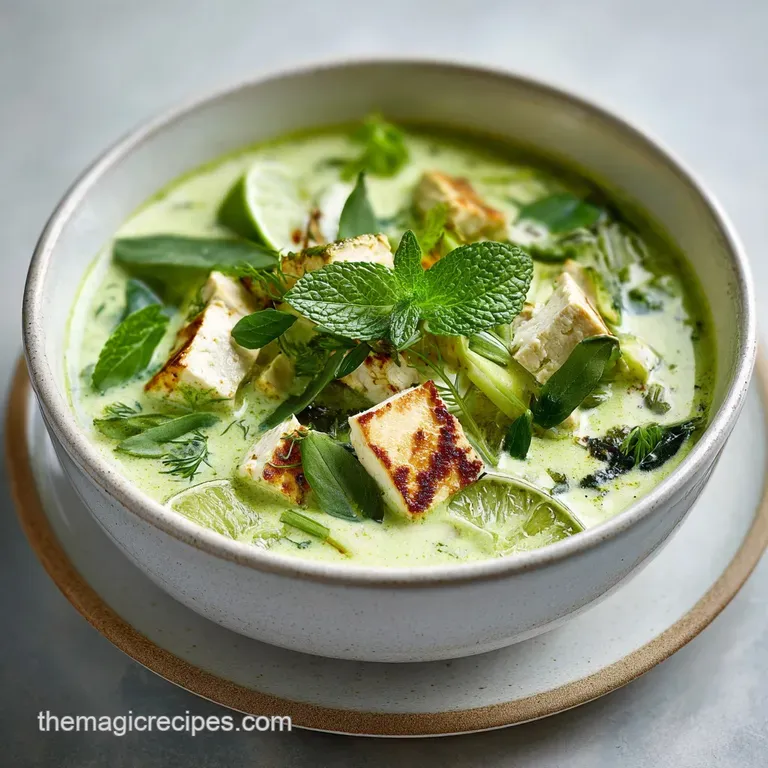
The key here is speed. Get all your chopping done before you turn on the stove. Once that oil is hot, things move fast.
- Press the tofu. Wrap the 14 oz firm tofu in a clean towel and place a heavy pan on top for 5 minutes. Note: This ensures the tofu is dense and ready to absorb the broth.
- Heat the oil. Add 1 tbsp neutral oil to your pot over medium heat until it shimmers slightly.
- Bloom the paste. Stir in 3 tbsp green curry paste, the bruised lemongrass, and 1 tsp grated ginger. Sauté for 2 minutes until the air smells intensely aromatic.
- Build the base. Pour in 28 oz full fat coconut milk and 1 cup vegetable broth. Stir well to combine.
- Season the liquid. Add 1 tbsp coconut sugar and 1/2 tsp sea salt. Bring the mixture to a gentle simmer until small bubbles break the surface.
- Add the protein. Gently slide in the cubed tofu. Let it simmer for 3 minutes to warm through.
- Flash cook the veggies. Toss in 1 cup snap peas and the sliced red bell pepper. Cook for 2 minutes until the peppers are slightly softened but still bright.
- Finish with greens. Stir in 2 cups baby spinach. It will wilt almost immediately.
- Balance the profile. Remove from heat and stir in 2 tbsp lime juice. Note: Boiling lime juice can make it taste bitter, so always add it at the end.
- Garnish and serve. Fold in the 1/2 cup Thai basil and 1/4 cup cilantro. Serve immediately over rice or on its own.
Strategies for Rescuing Your Curry Broth
Even with a simple recipe, things can go sideways. The good news is that Thai flavors are very forgiving if you know how to adjust the balance.
Why Your Broth Looks Separated
Sometimes the coconut milk can appear "broken" or oily on top. This usually happens if the heat was too high or the milk was old. It doesn't affect the taste, but it looks a bit messy.
| Problem | Root Cause | Solution |
|---|---|---|
| Broth is too thin | Too much vegetable broth | Simmer uncovered for 3 mins or add a tbsp of peanut butter. |
| Way too spicy | Excessive curry paste | Add another splash of coconut milk or a teaspoon of sugar. |
| Broth tastes flat | Lack of acidity or salt | Add an extra squeeze of lime or a dash of soy sauce. |
Common Mistakes Checklist
- ✓ Don't skip the sugar: You need that tiny bit of sweetness to balance the salty paste and sour lime.
- ✓ Avoid "lite" coconut milk: The texture will be thin and won't cling to the vegetables properly.
- ✓ Bruise the lemongrass: If you don't hit it with the back of your knife first, it won't release its flavor.
- ✓ Check your paste label: Some "green curry" pastes contain shrimp paste - verify it's vegan if that's your goal.
- ✓ Dry the tofu: If the tofu is dripping wet, it will dilute your sauce and have a spongy, unpleasant texture.
Precision Scaling for Different Groups
Whether you are cooking for one or hosting a small dinner party, this recipe scales quite well as long as you watch the liquid ratios.
- Scaling Down (1-2 servings): Cut all ingredients in half. Use a smaller saucepan so the liquid doesn't evaporate too quickly. Reduce the simmering time by about 2 minutes since a smaller volume heats up faster.
- Scaling Up (8 servings): Double everything except the curry paste and salt. Start with 1.5x the paste and taste it first. Spices often intensify in larger batches. Use a large Dutch oven to ensure you have enough surface area for the veggies to cook evenly.
- Precision Checkpoints:
- Paste Bloom: 2 minutes exactly over medium heat.
- Vibrant Veggies: 2 minutes for snap peas; they should still "snap."
- Internal Temp: The tofu should reach 165°F (74°C) if you want it piping hot.
Debunking Common Green Curry Myths
Many people think you need to spend an hour making the paste from scratch for it to be "real." While homemade is great, many high-quality canned pastes are used in Thai households for their consistency and speed.
Another misconception is that the "oil splash" on top of a curry is a mistake. In traditional Thai cooking, seeing a bit of oil separate from the coconut cream is a sign of a well cooked curry where the aromatics have been properly fried. Don't stir it away frantically - it's flavor!
Finally, don't believe that you can't freeze coconut based soups. While the texture might change slightly, a quick whisk during reheating usually brings that creamy emulsion right back to life.
Storage Techniques and Zero Waste Tips
This soup actually tastes better the next day as the tofu continues to marinate in the spicy broth.
- Fridge: Store in an airtight container for up to 4 days. The veggies will lose some of their crunch, but the flavor will deepen significantly.
- Freezer: You can freeze this for up to 2 months. Note that the bell peppers might become quite soft upon thawing. Reheat gently on the stovetop rather than the microwave for the best texture.
- Zero Waste Tip: Don't throw away those cilantro stems! They have even more flavor than the leaves. Finely mince them and fry them along with the ginger and curry paste at the beginning of the recipe.
- Leftover Veggies: If you have the ends of a zucchini or a few stray mushrooms, toss them in. This broth is the ultimate "clean out the crisper drawer" vehicle.
Professional Presentation and Plating Styles
The way you present this "15 Minute Vegan Thai Green Curry" can turn a quick Tuesday meal into something that feels like a treat.
Three Levels of Plating
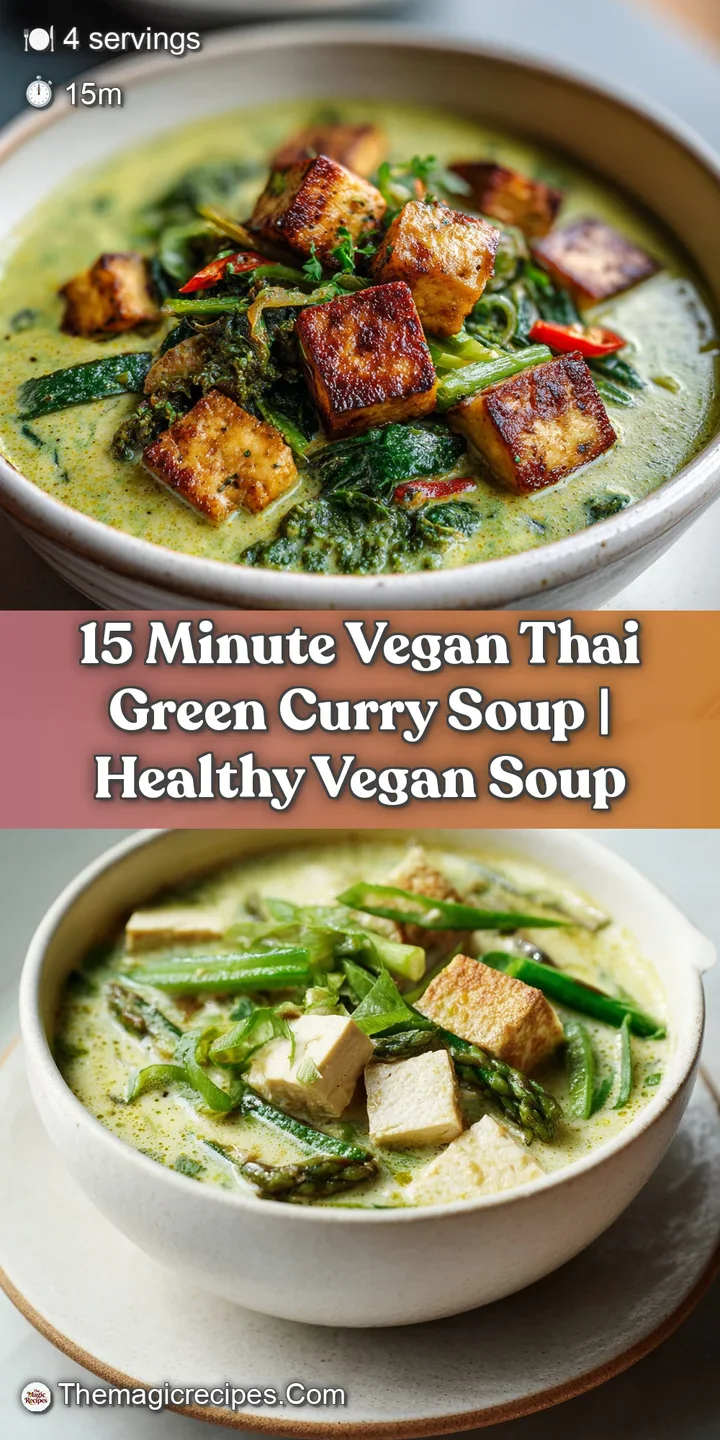
- The Simple Bowl: Ladle the soup into a deep bowl. Ensure a few cubes of tofu and some red pepper are visible on top. Simple, cozy, and ready to eat.
- The Polished Home Look: Serve over a neat mound of jasmine rice. Arrange the snap peas so they are pointing in the same direction. Top with a generous handful of fresh herbs and a lime wedge on the side.
- The Restaurant Style: Use a wide, shallow bowl. Place the tofu and vegetables in the center first, then pour the broth around them. Drizzle a few drops of coconut cream or chili oil in a circle. Top with micro cilantro and a few torn Thai basil leaves for height.
Visual Enhancement Guide
| Level | Elements | Vibe |
|---|---|---|
| Simple | Soup + Spoon | Comforting & fast |
| Polished | Rice + Fresh Herbs | Thoughtful & balanced |
| Restaurant | Oil Drizzle + Layers | Impressive & artistic |
If you're feeling particularly inspired by these presentation tips, try serving the curry alongside a beautifully plated Creamy Cajun Chicken recipe if you're hosting a fusion themed dinner party with friends who eat meat.
The secret to a great curry is that it should look as vibrant as it tastes. Keep those greens bright, don't overcook the peppers, and always, always add those fresh herbs at the very last second. Enjoy your 15 minute masterpiece!
High in Sodium
950 mg of sodium per serving (41% of daily value)
The American Heart Association recommends limiting sodium intake to about 2,300mg per day for overall cardiovascular health.
Tips to Reduce Sodium in Your Green Curry:
-
Broth Swap-30%
Replace the 1 cup of low-sodium vegetable broth with 1 cup of water. This will significantly reduce sodium without drastically altering the flavor. Flavor can be adjusted at the end with spices.
-
Reduce Salt-25%
Halve the amount of sea salt used from 1/2 tsp to 1/4 tsp, or eliminate it completely and adjust to taste after cooking. The curry paste and other ingredients already contribute sodium.
-
DIY Curry Paste-20%
Consider making your own green curry paste from scratch. This allows you to control the sodium content by omitting or reducing the amount of salt added. Pre-made pastes are often high in sodium.
-
Coconut Milk Choice-10%
While coconut milk isn't exceptionally high in sodium, check the label and opt for an unsweetened variety with the lowest sodium content available. Differences can exist between brands.
-
Acid Boost
Enhance the existing lime juice with an extra squeeze to brighten the flavor profile. Acidity can help balance the taste when sodium is reduced.
-
Spice It Up
Experiment with fresh herbs and spices like galangal, kaffir lime leaves, or chili peppers to boost flavor without adding sodium. These additions can enhance the dish naturally.
Recipe FAQs
Can I substitute full fat coconut milk with a light version to reduce calories?
No, this will significantly affect the texture. Full fat coconut milk contains the necessary lipids to properly carry the flavor compounds from the curry paste. Using "lite" versions results in a watery broth that lacks the desired velvety mouthfeel.
How to maximize the flavor of store-bought green curry paste in only 15 minutes?
Fry the paste in hot oil for two minutes until intensely aromatic. This process, called blooming, releases fat-soluble flavor compounds locked in the spices, immediately deepening the flavor profile.
Is it true that I must press tofu for at least 30 minutes before adding it to curry?
No, 5 to 10 minutes is sufficient for this quick recipe. You only need to press long enough to remove surface water so the tofu absorbs the broth instead of watering down your sauce.
Why does my curry taste too spicy even after adding sugar and coconut milk?
False. If it's too spicy, you likely need more acid. Thai flavors rely on the four pillars: sweet, salty, sour, and spicy. Add another tablespoon of fresh lime juice, as the acidity cuts through the heat and brightens the overall profile.
How to ensure the vegetables retain their vibrant color and crunch?
Add hardier vegetables like snap peas and peppers only 2 minutes before serving. Remove the pot from the heat completely before stirring in delicate ingredients like spinach and fresh basil, relying only on residual heat to wilt them.
Can I use different vegetables if I don't have snap peas or bell peppers?
Yes, but adjust the cooking time according to density. Root vegetables take longer; quick cooking items like zucchini or mushrooms work well; if you are using something denser, consider slicing it very thinly, similar to how we handle the vegetables in the Recetas Vegetarianas Faciles recipe.
What is the best way to reheat leftover curry to preserve the broth texture?
Gently reheat on the stovetop over low to medium heat. Avoid aggressive boiling; if the sauce appears slightly separated upon reheating, whisk vigorously for 30 seconds this technique re-emulsifies the fat and liquid beautifully.
Vegan Thai Green Curry In 15
Ingredients:
Instructions:
Nutrition Facts:
| Calories | 561 kcal |
|---|---|
| Protein | 14 g |
| Fat | 51 g |
| Carbs | 17 g |
| Fiber | 4 g |
| Sugar | 5 g |
| Sodium | 950 mg |
