Lemon Tahini Dressing: Velvety and Zippy
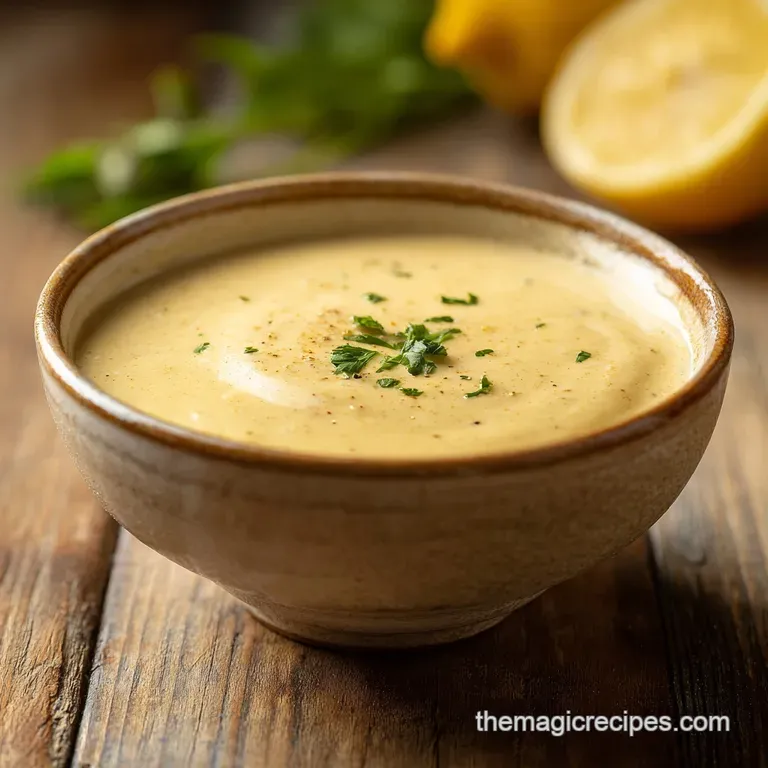
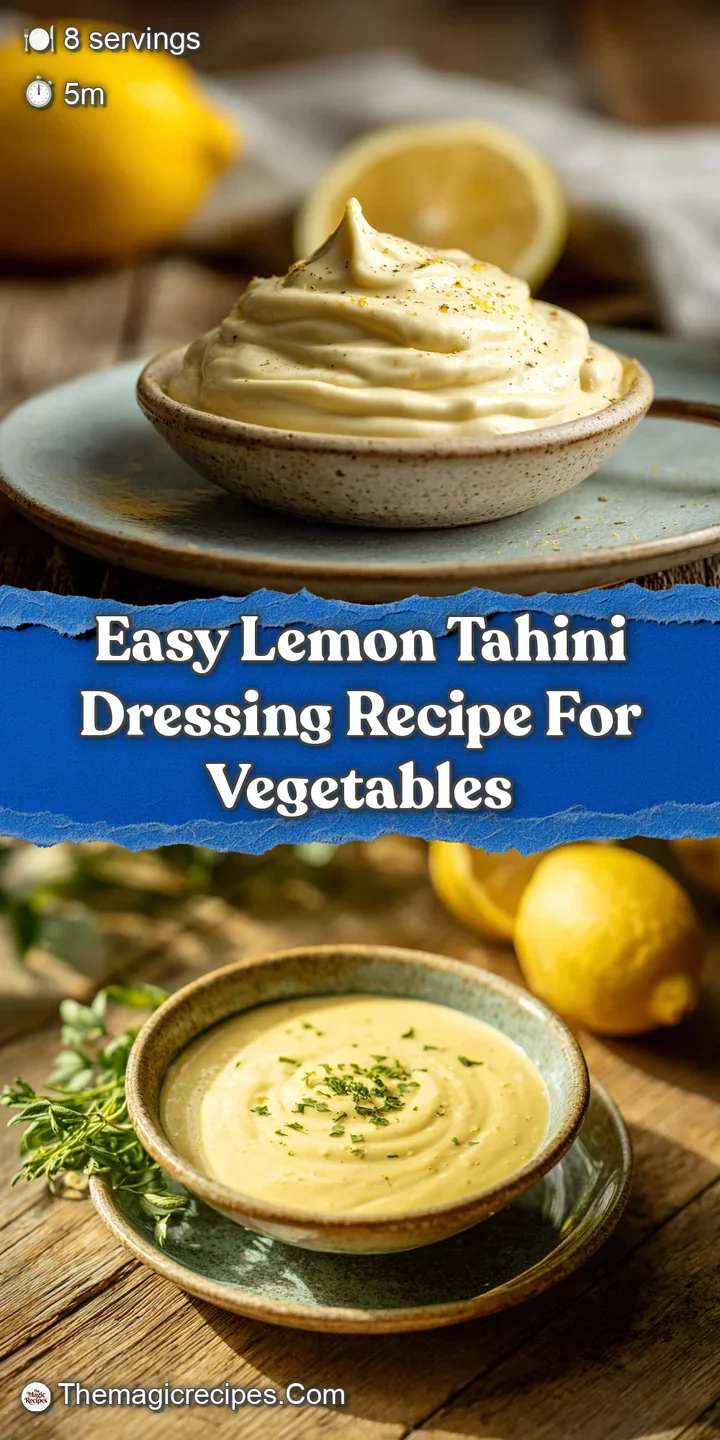
- Time: Active 5 minutes, Passive 0 minutes, Total 5 minutes
- Flavor/Texture Hook: Zippy, nutty, and incredibly velvety
- Perfect for: Roasted cauliflower, massaged kale, or meal prep grain bowls
- The Most Vibrant Lemon Tahini Dressing
- Why This Emulsion Is Brilliant
- The Essential Vibrant Flavor Elements
- Tools for Silky Smooth Sauce
- From Prep to Liquid Gold
- Fixing Common Dressing Texture Flaws
- Scaling for Large Gatherings
- Flavor Swaps and Nutty Twists
- Keeping Your Dressing Fresh Longer
- Perfect Pairings for Every Meal
- Tahini Myths Debunked
- Recipe FAQs
- 📝 Recipe Card
The Most Vibrant Lemon Tahini Dressing
You know those nights when the fridge is looking a bit tragic, just a lonely head of broccoli and some wilted greens? That was me last Tuesday. I was about to give up and order a pizza, but then I remembered the half empty jar of tahini in the back of the pantry.
I started whisking, and honestly, the smell of that zesty lemon hitting the earthy sesame paste just woke up my whole kitchen. It's funny how such basic ingredients can turn a "nothing" dinner into something that feels intentional and bright.
This specific Lemon Tahini Dressing is my absolute ride or-die. I’ve gone through dozens of versions some too bitter, some that broke into an oily mess but I finally cracked the code. The secret isn't just in the ratios; it's in the temperature of the water and the way you layer the flavors.
Once you see that magic moment where the paste transforms from a thick, muddy sludge into a pale, creamy cloud, you’ll never go back to the bottled stuff. It’s nourishing, zippy, and adds a certain "heft" to vegetables without feeling heavy.
Why This Emulsion Is Brilliant
Molecular Seizing: When you first add lemon juice to tahini, the carbohydrates in the sesame paste grab the moisture and clump together into a stiff paste. The Ice Water Fix: Adding ice cold water slowly forces the fats and solids to reorganize into a stable, silky emulsion rather than a gritty clump.
| Prep Method | Total Time | Texture Outcome | Best For |
|---|---|---|---|
| Hand Whisk | 5 minutes | Slightly rustic, thick | Small batches for salads |
| High Speed Blender | 2 minutes | Ultra aerated, fluffy | Large batches or dips |
| Mason Jar Shake | 4 minutes | Thinner, more fluid | Quick desk side lunches |
Choosing your method depends entirely on how you plan to use it. A whisk gives you total control over the thickness, which I love for drizzling over roasted carrots, while the blender creates a "mousse like" vibe that is incredible as a dip. If you're looking for a different profile for your greens, you might even consider how this compares to a classic Fresh Spring Salad recipe which relies more on oil based suspension than seed paste emulsification.
The Essential Vibrant Flavor Elements
| Ingredient | Science Role | Pro Secret |
|---|---|---|
| Premium Tahini | Primary Emulsifier | Use "runny" tahini that pours like heavy cream for the smoothest results. |
| Fresh Lemon Juice | Acidic Denaturant | Grate the garlic into the juice first to neutralize the harsh sulfur "burn." |
| Ice Cold Water | Consistency Regulator | The colder the water, the whiter and fluffier the final dressing becomes. |
To get the most out of this Lemon Tahini Dressing, start with high-quality sesame paste. If your tahini has a thick layer of oil on top and a solid "brick" at the bottom, spend three minutes stirring it back into a homogenous liquid before you measure. It makes a world of difference.
- 1/2 cup (120g) Premium Tahini: Why this? It provides the creamy, fat rich base that carries all other flavors.
- Substitute: Sunflower seed butter (unsweetened) for a nuttier, slightly more bitter profile.
- 1/4 cup (60ml) Freshly squeezed lemon juice: Why this? The citric acid cuts through the richness of the sesame seeds.
- Substitute: Apple cider vinegar, though it lacks the bright citrus aroma.
- 1 medium Garlic clove, finely grated: Why this? Microplaning ensures the garlic disappears into the sauce for even flavor.
- Substitute: 1/2 tsp garlic powder if you want a more subtle, less spicy kick.
- 1/2 tsp (3g) Fine sea salt: Why this? It amplifies the nuttiness and balances the lemon’s sourness.
- Substitute: 1 tsp Tamari for an umami rich, deeper saltiness.
- 1/4 tsp (1g) Cracked black pepper: Why this? Adds a tiny bit of floral heat to the back of the palate.
- Substitute: A pinch of white pepper for a cleaner look and sharper bite.
- 1 tsp (7g) Maple syrup: Why this? Just enough sugar to round off the bitter edges of the tahini.
- Substitute: Honey or agave nectar (honey adds a floral note, agave is neutral).
- 1/4 tsp (1g) Cumin: Why this? Provides an earthy, warm undertone that anchors the bright lemon.
- Substitute: Smoked paprika if you want a slightly charred, campfire vibe.
- 1/4 cup (60ml) Ice cold water: Why this? It’s the magic ingredient that turns the paste into a pourable sauce.
- Substitute: Room temp water works, but the texture will be less "fluffy."
Tools for Silky Smooth Sauce
You don't need fancy equipment to make a great dressing, but a few specific tools make the process much more enjoyable. A small stainless steel whisk is better than a fork because it incorporates air, which helps the tahini lighten in color.
If you’re making a double or triple batch, a small food processor or a personal blender (like a NutriBullet) will give you that "liquid gold" texture with zero arm workout.
I personally love using a Microplane for the garlic. It turns the clove into a fine paste that melts into the lemon juice. If you just mince it with a knife, you’ll end up with little spicy chunks of raw garlic, which can be a bit aggressive when you’re just trying to enjoy a salad.
Also, keep a small glass jar handy it’s the best way to store any leftovers and makes re emulsifying a breeze with a quick shake.
From Prep to Liquid Gold
- Grate the garlic. Use a Microplane to turn your clove into a fine paste directly into a medium mixing bowl. Note: This allows the garlic to mellow slightly in the next step.
- Macerate with lemon. Pour the 1/4 cup of lemon juice over the garlic and let it sit for 2 minutes. Until the sharp garlic aroma softens.
- Add the base. Pour in the 1/2 cup of tahini. Note: It might look a bit separated at first, but don't worry.
- Season the mix. Add the 1/2 tsp salt, 1/4 tsp black pepper, 1 tsp maple syrup, and 1/4 tsp cumin.
- Start the whisk. Begin whisking the tahini and lemon mixture together. Until it turns into a thick, grainy paste.
- Slow drip water. Add the ice cold water one tablespoon at a time while whisking vigorously.
- Observe the change. Continue whisking until the sauce turns from beige to a pale, creamy white.
- Check the flow. Lift your whisk; the dressing should fall in a steady, velvety ribbon.
- Taste and adjust. Dip a leaf of lettuce or a finger in to check the balance. Until the zing of lemon and salt is clear.
- Final smooth. Give it one last hard whisk for 30 seconds to ensure total aeration.
Chef's Tip: If you find your tahini is naturally very bitter, add an extra half teaspoon of maple syrup. The sweetness doesn't make it a "dessert" sauce; it just acts as a chemical foil to the tannins in the sesame skins.
Fixing Common Dressing Texture Flaws
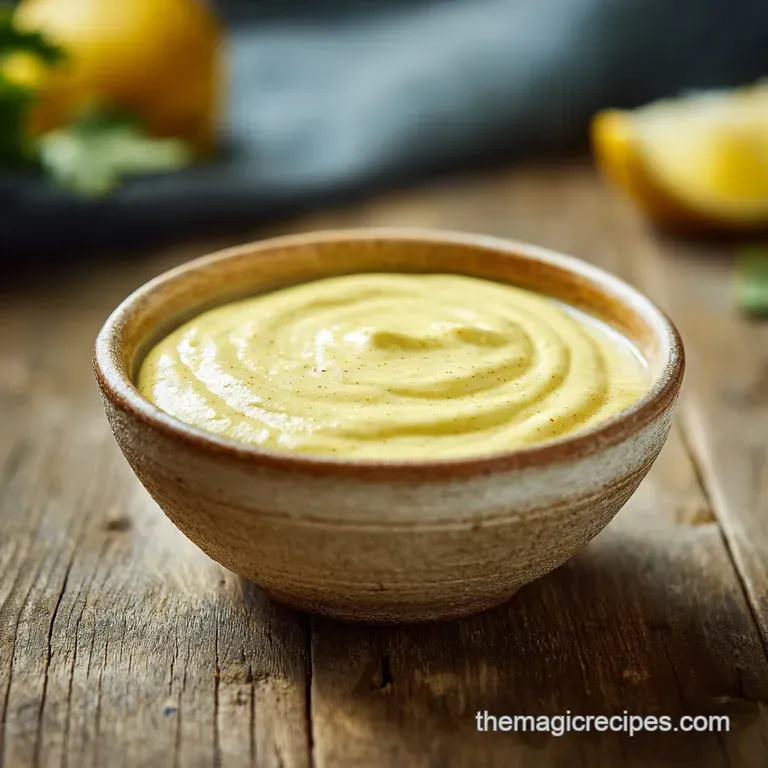
Why Your Dressing Is Gritty
Sometimes tahini can feel a bit sandy on the tongue. This usually happens if the sesame seeds weren't ground finely enough during manufacturing or if the jar has sat for so long that the solids have dehydrated.
It can also happen if you add the water too fast, preventing the fats from properly encapsulating the water molecules.
| Problem | Root Cause | Solution |
|---|---|---|
| Sauce is "Broken" | Water was added too fast | Add a tsp of plain tahini and whisk hard to re bind. |
| Tastes Too Bitter | Low quality or old tahini | Increase the maple syrup and add a pinch more salt. |
| Too Thick to Pour | Not enough hydration | Add more ice water, one teaspoon at a time. |
For those looking for a similarly creamy vibe but with a different flavor profile, you might enjoy the structure of a Coleslaw Recipe, which uses mayo to achieve a similar clinginess. However, the tahini version is much more nutrient dense and plant forward.
Common Mistakes Checklist
- ✓ Using "old" lemon juice from a plastic bottle (it lacks the essential oils of fresh fruit)
- ✓ Skipping the "macerating" step for the garlic, leading to a harsh aftertaste
- ✓ Using room temperature water instead of ice cold (you lose the fluffy texture)
- ✓ Not stirring the tahini jar thoroughly before measuring out your 1/2 cup
- ✓ Adding all the water at once rather than incrementally whisking it in
Scaling for Large Gatherings
Scaling Down (1-2 People): If you only need a little bit, use 1/4 cup of tahini and halve everything else. Use a very small bowl so the whisk can actually reach the ingredients. Since you're using half a garlic clove, just grate half and save the rest for dinner.
Reduce the whisking time by about 2 minutes.
Scaling Up (Parties or Meal Prep): For a double batch (1 cup tahini), keep the salt and cumin at about 1.5x the original amount first, then taste. Sometimes spices can become overwhelming when doubled perfectly.
You can use a blender for this to save your arm, but reduce the water by about 10% initially, as blenders are more efficient at thinning out sauces than hand whisking.
| Servings | Tahini Amount | Lemon Juice | Water | Use Case |
|---|---|---|---|---|
| 4 people | 1/4 cup (60g) | 2 tbsp (30ml) | 2 tbsp (30ml) | Side salad for two |
| 8 people | 1/2 cup (120g) | 1/4 cup (60ml) | 1/4 cup (60ml) | Standard family dinner |
| 16 people | 1 cup (240g) | 1/2 cup (120ml) | ~1/2 cup (120ml) | Sunday meal prep / BBQ |
Flavor Swaps and Nutty Twists
If you want to take this base and move it in a different direction, it's incredibly easy. For a Mediterranean Herb version, whisk in 2 tablespoons of finely minced fresh parsley and a teaspoon of dried oregano. The herbs add a garden fresh aroma that pairs beautifully with grilled chicken or chickpeas.
It changes the color to a soft green, which looks stunning on the plate.
For a spicy version, I love adding a teaspoon of Harissa paste or a squeeze of Sriracha. The heat plays incredibly well with the cooling, creamy sesame. If you’re looking for a completely different salad experience, you could even use the creamy elements of this logic to topping a Big Mac Salad recipe, though tahini offers a much more "earthy" vibe than a traditional thousand island.
Keeping Your Dressing Fresh Longer
Storage: Keep your dressing in an airtight glass jar in the fridge. It will stay vibrant and safe to eat for up to 7 days. Note that the dressing will thicken significantly as it chills because the fats in the tahini solidify.
When you're ready to use it again, don't just pour it; add a teaspoon of warm water and give it a vigorous shake to bring back that pourable consistency.
Zero Waste Tips: Don't throw away that "empty" tahini jar! If there's a tablespoon or two stuck to the sides, build your dressing right inside the jar. Add the lemon, garlic, and spices, then shake it like a cocktail. You’ll get every last bit of that expensive sesame paste.
Also, if you have leftover lemon halves, toss them into a container of water in the fridge to make lemon infused water for the next day.
Perfect Pairings for Every Meal
This dressing is basically the "little black dress" of the culinary world it goes with everything. My favorite way to serve it is over a tray of "rainbow" roasted vegetables (carrots, red onion, and Brussels sprouts). The way the creamy sauce settles into the charred crevices of the veggies is just...
chef's kiss. It’s also a powerhouse as a sauce for falafel or as a dip for raw snap peas and cucumbers.
If you want a more substantial meal, use it as the "glue" for a grain bowl. Start with a base of quinoa, add some massaged kale, roasted sweet potatoes, and a big dollop of this dressing. The cumin in the recipe bridges the gap between the sweet potato and the grains perfectly.
It's also a great way to add fat and flavor to a simple bean salad without using heavy oils.
Tahini Myths Debunked
Myth: Tahini is a nut butter. Actually, tahini is made entirely from ground sesame seeds, which are seeds, not nuts. This makes it a fantastic option for school lunches or households with nut allergies. However, it still has that rich, buttery mouthfeel we associate with almonds or cashews.
Myth: If the dressing separates, it's ruined. Not at all! Separation is just physics. If the oil rises to the top or the water settles, it just needs more energy. A few seconds of hard whisking or a vigorous shake in a jar will re establish the emulsion.
It doesn't mean the ingredients have "gone bad," it just means they've stopped holding hands for a minute.
Myth: You should use olive oil in tahini dressing. While you can, you really don't need to. Good tahini is already about 50-60% fat. Adding olive oil can actually make the dressing feel greasy and heavy on the tongue.
Using water as the thinning agent keeps the flavors clean and allows the lemon and sesame to be the stars of the show.
This dressing has saved my weeknight dinners more times than I can count. It’s simple, it’s reliable, and once you get that ice water trick down, you’ll feel like a total pro. Give it a whisk and let me know how it transforms your next bowl of greens!
Recipe FAQs
What's in lemon tahini dressing?
The core components are tahini, fresh lemon juice, ice cold water, garlic, salt, pepper, and a sweetener like maple syrup. Tahini is the sesame paste that provides the fat and body, while the lemon and water emulsify it into a creamy sauce.
What the heck is tahini?
Tahini is a paste made from hulled and toasted sesame seeds ground into a smooth butter. It is the primary emulsifier in this dressing, providing deep, nutty flavor and a velvety texture.
What are common tahini mistakes?
The most common mistake is adding the water too fast, which creates a thick, gritty paste instead of a smooth dressing. You must add ice cold water slowly while whisking vigorously to achieve the pale, fluffy emulsion.
Does lemon juice make tahini curdle?
Yes, initially it causes a stiff clumping, but this is normal, not curdling. The acid forces the paste to seize up, but you overcome this reaction by slowly incorporating the cold water to force a stable emulsion.
How to make the dressing extra smooth and light?
Use ice cold water and whisk rapidly until the color lightens to pale white. The cold temperature shocks the fats, making the dressing much fluffier than using room temperature water, similar to techniques used in our Hot Sauce recipe when controlling vinegar reactions.
Can I substitute the maple syrup with something else?
Yes, honey or agave nectar are excellent substitutes for the maple syrup. The sweetener is crucial for balancing the bitterness of the sesame, so try to include some form of sugar, even if you are aiming for a savory final product.
How long will this dressing last in the refrigerator?
It keeps well for up to 7 days when stored in an airtight container. The dressing will thicken when chilled due to the fats solidifying; simply whisk in a teaspoon of warm water before serving to restore its pourable texture.
Velvety Lemon Tahini Dressing
Ingredients:
Instructions:
Nutrition Facts:
| Calories | 93 kcal |
|---|---|
| Protein | 2.6 g |
| Fat | 8.1 g |
| Carbs | 4.3 g |
| Fiber | 1.4 g |
| Sugar | 1.0 g |
| Sodium | 163 mg |
