Velvety Shrimp Risotto: Quick Italian Dinner
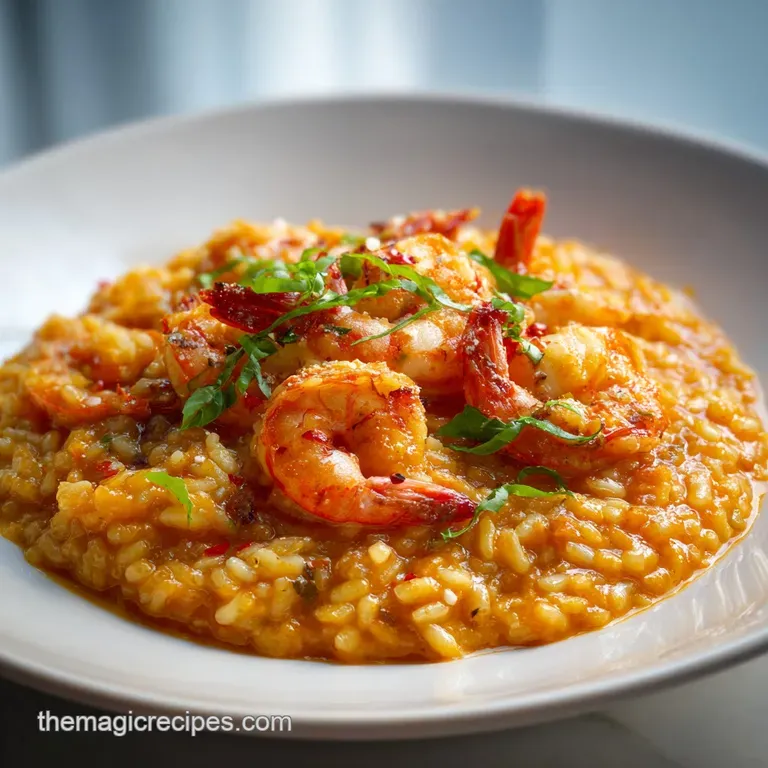
- Time: Active 25 minutes, Passive 15 minutes, Total 40 minutes
- Flavor/Texture Hook: Velvety rice with snappy, garlic infused shrimp
- Perfect for: Weeknight date nights or family-friendly healthy dinners
- Reasons to Love This Healthy Recipe
- Essential Stats for Your Planning
- Selecting the Best Fresh Ingredients
- Tools Needed for the Best Result
- Step-by-Step Guide to Success
- Fix Common Cooking Mistakes Fast
- Customizing Your Quick Rice Dish
- Storing and Refreshing Your Leftovers
- Serving Ideas for Your Family
- High in Sodium
- Recipe FAQs
- 📝 Recipe Card
Reasons to Love This Healthy Recipe
- Amylopectin Release: Stirring the Arborio rice causes the grains to rub together, physically knocking off the starch molecules into the liquid to create a natural sauce.
- Shell Infusion: Simmering the shrimp skins in the seafood stock extracts glucosamine and savory compounds that provide a deeper flavor profile than plain broth.
- Sequential Cooking: Adding the shrimp at the very end prevents the protein from over denaturing, which is why they stay tender instead of becoming rubbery.
- Acid Balance: The white wine and lemon juice break down the complex starches on the palate, making the rich butter and cheese feel lighter and more balanced.
| Cooking Method | Active Time | Texture Outcome | Best For |
|---|---|---|---|
| Traditional Stovetop | 25 minutes | Velvety and flowing | Achieving the classic texture |
| Oven Baked | 5 minutes | Uniform and fluffy | Hands off family dinners |
| Pressure Cooker | 10 minutes | Dense and creamy | Maximum speed on work nights |
Choosing the stovetop method gives you the most control over the "wave" of the rice. If you've ever seen an Italian chef shake the pan and watch the rice ripple like water, that’s exactly what we are aiming for here.
The oven method is great for multitasking, but you'll miss out on that specific friction based creaminess that only comes from the spoon hitting the pan.
Essential Stats for Your Planning
Before you start, make sure your seafood stock is at a low simmer in a separate pot. Adding cold liquid to the rice shocks the starches and stops the cooking process, which leads to rice that's mushy on the outside but hard in the middle.
I've learned the hard way that a warm stock is the only way to keep the internal temperature of the pan consistent.
We are aiming for a specific consistency called all'onda, which means "at the wave." When you pull your wooden spoon through the pan, the rice should slowly flow back to fill the gap. If it stays put, it's too dry; if it splashes back instantly, it's too wet.
It takes about 18 to 20 minutes of gradual liquid addition to reach this state.
| Servings | Rice Quantity | Shrimp Amount | Stock Volume |
|---|---|---|---|
| 2 People | 0.75 cups | 0.5 lbs | 2.5 cups |
| 4 People | 1.5 cups | 1 lb | 5 cups |
| 8 People | 3 cups | 2 lbs | 10 cups |
Selecting the Best Fresh Ingredients
This dish relies on a few key components working together. For the rice, don't try to use long grain white rice or jasmine; they don't have enough starch to create the sauce. Stick with Arborio or Carnaroli. I prefer 1 lb large shrimp with the shells on because those shells are basically free flavor for our stock.
- 1 lb large shrimp: Raw and peel on is vital for the quick stock.
- 5 cups seafood stock: Low sodium lets you control the final seasoning.
- 1.5 cups Arborio rice: The high starch content is non negotiable for texture.
- 0.5 cup dry white wine: Pinot Grigio or Sauvignon Blanc works best here.
- 1 cup frozen sweet peas: These add a pop of color and sweetness.
- 3 tbsp unsalted butter: Must be cold to properly emulsify at the end.
- 0.5 cup Parmesan cheese: Freshly grated melts much smoother than the bagged stuff.
| Component | Science Role | Pro Secret |
|---|---|---|
| Arborio Rice | High amylopectin starch | Do not wash it; you'll lose the creamy coating |
| White Wine | Tartaric acid | Deglaze until the pan is nearly dry to concentrate flavor |
| Cold Butter | Fat emulsification | Whisk it in vigorously at the end for a glossy finish |
| Shrimp Shells | Flavor extraction | Toast them in the pan until they turn bright pink before boiling |
The secret to why this works is in the rice itself. Unlike other grains, Arborio has a hard center and a soft exterior. When we toast it in the olive oil, we are actually creating a "shell" that allows the grain to absorb liquid slowly without falling apart.
Tools Needed for the Best Result
You don't need a pantry full of gadgets, but a wide, heavy bottomed pan like a Dutch oven or a large sauté pan is helpful. The wider surface area allows for more even evaporation and gives the rice plenty of room to move around.
A wooden spoon is also the traditional choice because it’s gentle on the grains, preventing them from breaking and turning into paste.
I also highly recommend using a fine mesh strainer. When we make the quick stock with the shells, you’ll want to strain out every bit of shell and thyme so the final dish is silky and smooth.
A microplane is another workhorse here for the garlic and the lemon zest, ensuring they melt into the sauce rather than leaving chunky bits.
step-by-step Guide to Success
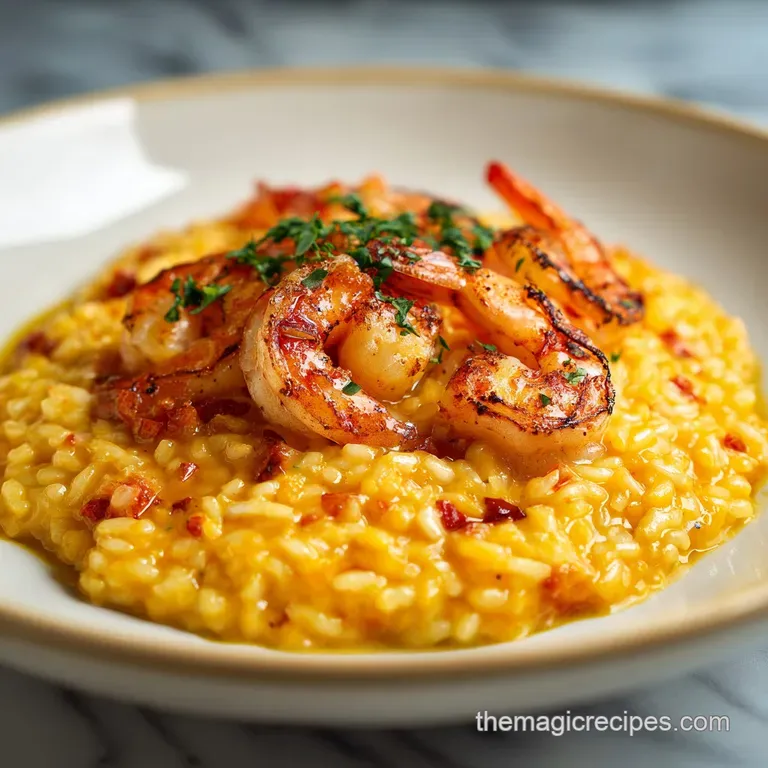
Prep the Shell Stock
Peel the 1 lb large shrimp and save all the shells. In a medium pot, heat 1 tsp of oil and toss in the shells, cooking for 2 minutes until they turn pink and fragrant. Pour in the 5 cups seafood stock, add the 1 sprig fresh thyme and the piece of lemon peel.
Bring to a simmer for 10 minutes, then strain and keep warm on the lowest heat setting.
Searing the Shrimp Right
Pat the peeled shrimp completely dry with paper towels. Season with a pinch of salt and pepper. In your main wide pan, heat 1 tbsp of olive oil over medium high heat. Add the shrimp in a single layer and sear for 1 minute per side until just opaque.
Remove them to a plate immediately; they will finish cooking in the heat of the rice later.
Toasting the Rice Grains
Lower the heat to medium and add the remaining 1 tbsp of olive oil. Sauté the 2 minced shallots for 2 minutes until soft. Add the 1.5 cups Arborio rice and the 3 grated cloves of garlic.
Stir constantly for 2 minutes until the edges of the rice grains look translucent but the center is still white. This toasting step is crucial for flavor.
Deglazing the Pan
Pour in the 0.5 cup dry white wine. Stir continuously and scrape any brown bits from the bottom of the pan. Cook for about 2 minutes until the liquid has been almost entirely absorbed and the smell of raw alcohol has vanished.
The Hydration Phase
Add the warm stock one ladle at a time (about 0.5 cup). Stir frequently, but you don't need to be manic about it. Wait until the liquid is mostly absorbed before adding the next ladle. Continue this for 18 to 20 minutes until the rice is tender but still has a slight bite (al dente).
You might not need all 5 cups of stock.
Adding the Finishing Touches
When the rice is nearly done, stir in the 1 cup frozen sweet peas. They only need 2 minutes to warm through. Return the seared shrimp and any juices from the plate back into the pan. Stir gently to combine and ensure the shrimp are heated through but not overcooked.
The Final Creamy Emulsion
Turn off the heat. This is the mantecatura phase. Add the 3 tbsp cold cubed butter, 0.5 cup Parmesan cheese, 1 tbsp lemon juice, and 0.5 tsp lemon zest. Vigorously stir everything together for 1 minute. The cold fat hitting the hot starch creates a velvety, glossy sauce that defines a great Shrimp Risotto.
Final Garnish Suggestions
Fold in the 0.25 cup chopped fresh parsley and season with the 0.5 tsp salt and 0.25 tsp black pepper. Taste it before serving! The Parmesan adds saltiness, so you may need less salt than you think. Serve immediately in warm bowls.
Fix Common Cooking Mistakes Fast
Fixing Crunchy Underdone Rice
If you’ve run out of stock and the rice is still too hard, don't panic. You can use warm water or even a splash of chicken broth. The key is to keep adding liquid 1/4 cup at a time and keep the heat at a steady medium low. Usually, another 5 minutes of cooking fixes this issue.
Repairing Soupy Rice Consistency
If it looks more like a soup than a creamy rice dish, you likely added too much liquid at the end. Turn the heat up slightly and stir constantly for 2 minutes to cook off the excess moisture.
The cheese and butter will also help thicken it, so wait until you've added those before deciding if it's truly too wet.
Preventing Tough Rubbery Shrimp
Shrimp cook incredibly fast. If yours turned out chewy, they were likely in the pan too long. Next time, sear them for only 60 seconds per side and take them out while they still have a tiny bit of translucency in the center.
They will reach the internal temp of 145°F just by sitting in the hot rice for those final two minutes.
| Problem | Root Cause | Solution |
|---|---|---|
| Gummy Texture | Rinsing the rice or over stirring | Don't wash rice; stir gently but consistently |
| Rice is mushy | Heat too low / Stock too cold | Use simmering stock; maintain medium heat |
| Bland Flavor | Skipping the toasting or deglazing | Toast rice until fragrant; use wine for acidity |
Common Mistakes Checklist:
- ✓ Always use simmering stock to maintain the cooking rhythm.
- ✓ Don't walk away; the rice needs the friction of stirring to become creamy.
- ✓ Add the shrimp at the very last moment to keep them tender.
- ✓ Use cold butter for the final stir to create a better emulsion.
- ✓ Use a wide pan so the rice cooks evenly without stacking too deep.
Customizing Your Quick Rice Dish
If you want to change things up, this base is very forgiving. If you're looking for something with a bit more crunch and spice, you could serve the rice as a base for my Bang Bang Shrimp recipe. It changes the texture entirely but keeps that comforting rice foundation.
Alcohol Free Liquid Substitutes
If you don't want to use wine, simply replace that half cup with more seafood stock and an extra teaspoon of lemon juice. The acidity is what matters most for balancing the fats, so don't skip the lemon. Verjuice or even a light white wine vinegar (used sparingly) can also provide that necessary brightness.
Pressure Cooker Variation Tips
For an Instant Pot version, sauté the shallots and toast the rice as usual. Add 4 cups of stock (reduce the liquid by 1 cup since there is no evaporation), seal, and cook on high pressure for 5 minutes. Do a quick pressure release, then stir in the butter, cheese, and pre seared shrimp.
It’s faster, though the texture is slightly more uniform and less "wavy."
Adding Extra Green Vegetables
Asparagus is a classic swap for peas. Cut them into 1 inch pieces and add them during the last 5 minutes of rice cooking. Sautéed spinach or even roasted cherry tomatoes can be stirred in at the end for a different flavor profile.
Just make sure any extra veggies are relatively dry so they don't water down your sauce.
Decision Shortcut: If you want a deeper color, add a pinch of saffron to the warm stock. If you want it extra healthy, swap half the butter for a high-quality extra virgin olive oil. If you want a more rustic feel, use brown Arborio rice (note: this will take 40+ minutes).
Storing and Refreshing Your Leftovers
Risotto is notorious for thickening up as it cools because the starches continue to set. In the fridge, it will last for up to 3 days in an airtight container. I don't recommend freezing it; the rice grains tend to shatter and become grainy once thawed, which ruins that velvety feel we worked so hard to achieve.
To reheat, put the leftovers in a small pan with a splash of water or stock. Heat it over medium low, stirring gently to break up the clumps. As it warms, the starches will loosen up again. If you have a lot left over, consider making Arancini.
Roll the cold rice into balls, stuff them with a bit of mozzarella, bread them, and fry them until golden. It’s a brilliant way to use up "day old" rice.
For zero waste, make sure you use those shrimp shells. If you have extra stock left over, freeze it in ice cube trays. These little flavor bombs are great for dropping into a pan when you're making a quick pan sauce for fish or sautéing greens later in the week.
Serving Ideas for Your Family
Serving this dish is all about the presentation. Use wide, shallow bowls rather than deep ones. Tap the bottom of the bowl with your palm once you've plated the rice; it should flatten out and spread to the edges. This is the sign of a perfectly textured dish.
Top with a few extra cracks of black pepper and a sprinkle of fresh parsley.
If you're planning a bigger meal, this is a fantastic New Years Eve recipe component. You can serve the risotto in smaller portions as a first course before a main protein, or keep it as the star of the show with a light arugula salad on the side. The peppery greens provide a sharp contrast to the creamy, buttery rice.
Perfect Side Dish Pairings
- Arugula Salad: A simple dressing of lemon and olive oil cuts through the richness.
- Roasted Asparagus: Adds an earthy, charred element to the meal.
- Focaccia: Perfect for scooping up every last bit of that starchy sauce.
- Dry White Wine: Serve the same wine you used for cooking to tie the flavors together.
Why do we add the stock in small increments?
Adding liquid slowly is what creates the creamy texture. If you dump all the stock in at once, the rice simply boils. By adding it slowly, the grains stay in contact with each other, creating the friction necessary to rub the starch off the outside of the grain and into the sauce.
Velvety Texture Secret
The cold butter at the end is the real hero. When cold fat hits the hot, starchy liquid, it creates a stable emulsion that stays creamy even as it cools slightly on the plate. If the butter is warm, it might just melt into oil, making the dish greasy instead of velvety.
Cold Butter Finish
Always take the pan off the heat before adding the butter and cheese. Residual heat is plenty to melt them, and it prevents the cheese from becoming stringy or the butter from separating. This technique, the mantecatura, is the hallmark of professional level rice cookery.
High in Sodium
845 mg mg of sodium per serving (37% % of daily value)
The American Heart Association recommends limiting sodium intake to about 2,300mg per day for overall health.
Sodium Reduction Tips for Your Shrimp Risotto
-
Broth Boost-30%
Ensure your 'low-sodium' seafood stock is truly low in sodium. Look for options with less than 140mg of sodium per cup, or make your own from scratch to significantly reduce sodium. Consider using a no-sodium broth if possible.
-
Cheese Check-15%
Parmesan cheese is naturally high in sodium. Reduce the amount used or substitute with a lower sodium cheese option like mozzarella. Try using just 1/4 cup of parmesan and taste before adding more.
-
Salt Swap-25%
Eliminate the added salt (0.5 tsp) entirely. You can always add a pinch at the end if needed, but often the flavors from other ingredients will be sufficient. Be sure to taste before adding ANY additional salt.
-
Lemon Lift-10%
Enhance the lemon flavor with more lemon zest or a splash of extra lemon juice instead of relying on salt for flavor. Acidity can help balance flavors and reduce the need for sodium.
-
Herb Power
Experiment with other fresh herbs like dill, chives, or tarragon in addition to parsley and thyme to boost flavor without adding sodium. These herbs complement seafood well and add aromatic complexity.
Recipe FAQs
What exactly is a risotto?
It is a Northern Italian rice dish cooked with broth until it reaches a creamy consistency. The goal is to release the amylopectin starch from starchy, short grain rice like Arborio through slow, constant stirring. This process creates a natural, flowing sauce, described as all'onda (wavelike).
How to make risotto with shrimp?
Sear the shrimp briefly first and remove them from the pan before toasting the rice. Toast the Arborio rice with aromatics, then slowly add warm seafood stock one ladle at a time, stirring constantly for about 20 minutes.
Fold the seared shrimp back in during the final minute of cooking along with the cold butter and Parmesan.
What are some common mistakes to avoid when making risotto?
Yes, avoiding washing the rice and never adding cold liquid are critical errors. Washing the rice removes the surface starch needed for creaminess, and cold stock shocks the grains, leading to a gummy exterior and hard center. If you master the starch release technique here, you will avoid gummier results in similar rice preparations, like our chicken fried rice recipe.
What is Gordon Ramsay's recipe for risotto?
Ramsay emphasizes using high-quality stock and finishing off the heat. His method typically involves toasting the rice, deglazing with wine, and adding warm stock incrementally, but his key step is adding cold butter and Parmesan off the heat during the mantecatura to ensure maximum gloss and
creaminess.
Can I skip simmering the shrimp shells for the stock?
No, skipping the shell infusion significantly sacrifices depth of flavor. The shells release savory compounds and natural gelatin when simmered, which forms the flavorful backbone of the dish that plain broth cannot replicate. For a more complex savory base in another application, review how we build flavor layers in the quick stock for the Oyster Stew Recipe.
Is it true that I must use a heavy, wide pan for success?
Yes, using a wide, heavy bottomed pan is necessary for proper evaporation and rice movement. A wide surface area allows the liquid to evaporate evenly and gives you room to stir without smashing the grains against each other, which controls the texture.
What wine should I use if I prefer a lighter flavor profile?
Choose a crisp, dry white wine like Pinot Grigio or Sauvignon Blanc. Avoid oaked or sweet varieties, as they will overpower the delicate shrimp flavor. The acidity from the wine is vital for cutting through the richness of the butter and cheese at the end.
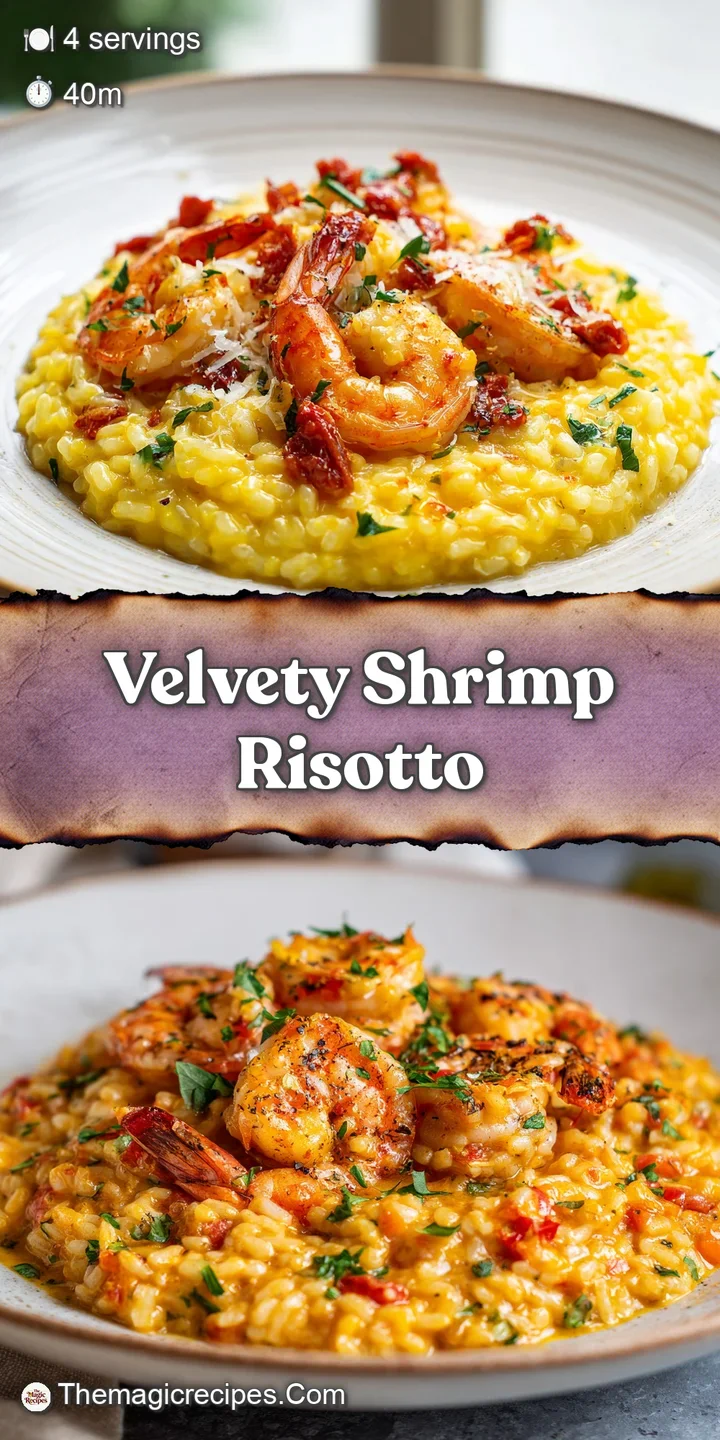
Velvety Shrimp Risotto Ready Fast
Ingredients:
Instructions:
Nutrition Facts:
| Calories | 631 kcal |
|---|---|
| Protein | 34.5 g |
| Fat | 19.9 g |
| Carbs | 66.5 g |
| Fiber | 3.2 g |
| Sugar | 2.1 g |
| Sodium | 845 mg |
