Whole30 Real Food Recipe with Roasted Chicken
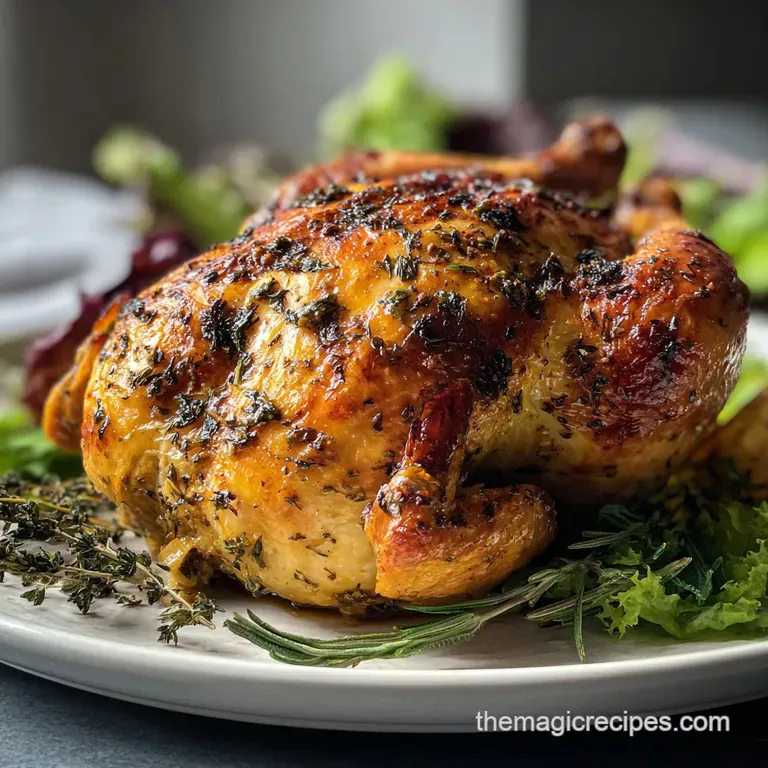
- Time: Active 20 minutes, Passive 1 hour 15 minutes, Total 1 hour 35 minutes
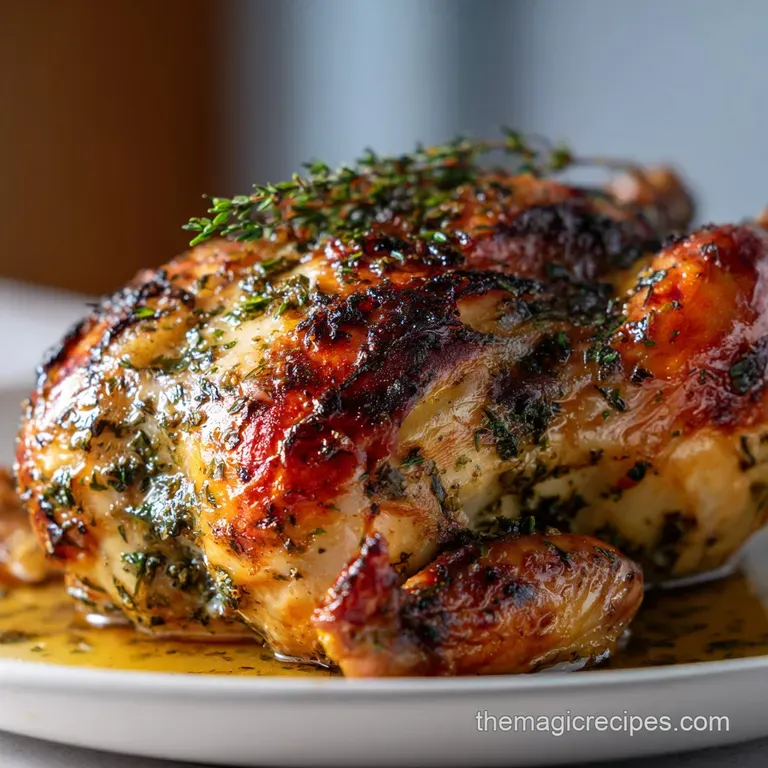
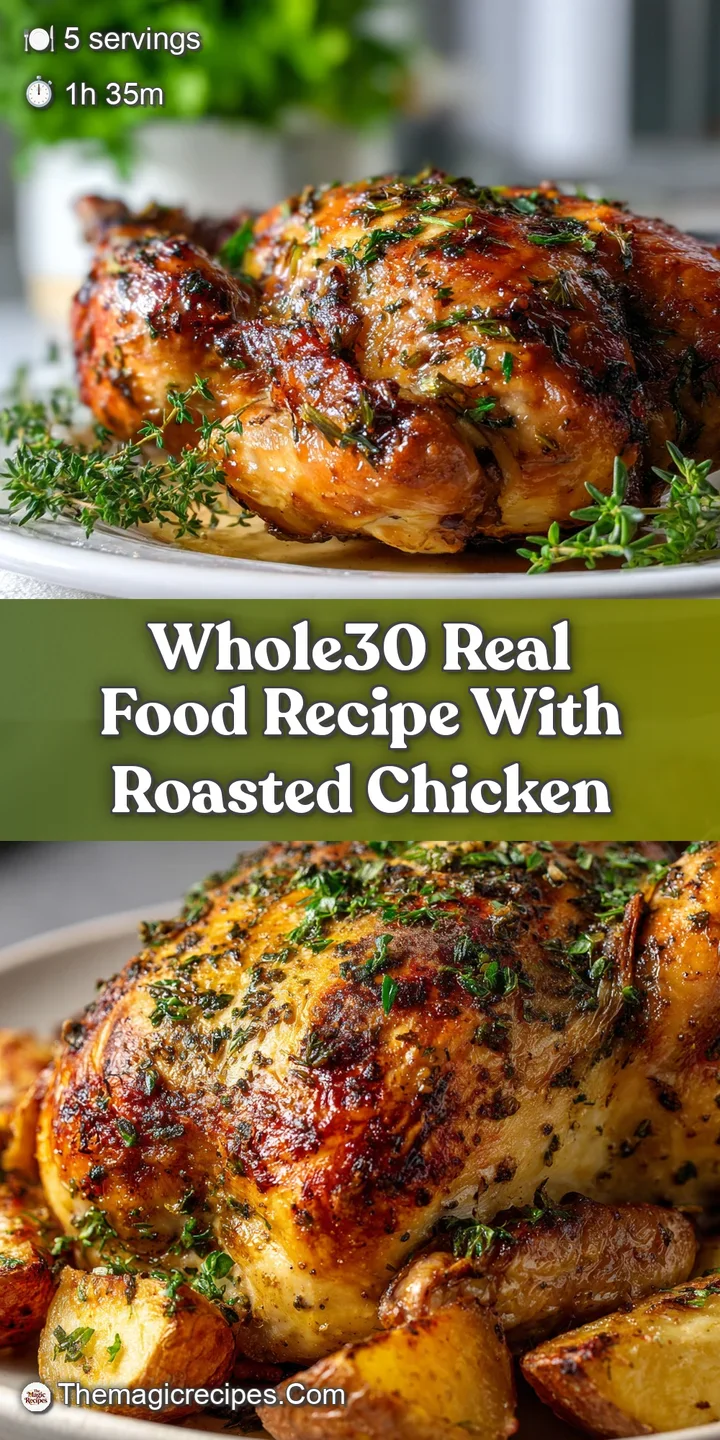
- Flavor/Texture Hook: Shatter crisp golden skin over succulent, herb infused meat
- Perfect for: Sunday family dinners or nutritious weekday meal prep
- Creating a Whole30 Real Food Recipe with Roasted Chicken Success
- Component Analysis for Optimal Flavor Extraction
- The Essential Elements and Smart Substitutions
- Necessary Kitchen Tools for Success
- Master the Technique for This Roasted Chicken
- Managing Potential Kitchen Roadblocks
- Adjusting the Recipe Size for Your Needs
- Debunking Common Roasting Misconceptions
- Creative Dietary Adaptations
- Preservation Secrets and Zero Waste Tips
- Vibrant Complements for Your Feast
- Recipe FAQs
- 📝 Recipe Card
Close your eyes and imagine the scent of rosemary and garlic hitting a hot pan, that sharp, woody aroma mingling with the savory smell of rendering chicken fat. There is something deeply primal and comforting about a bird roasting in the oven, especially when the skin turns that specific shade of mahogany.
I remember the first time I tried a Whole30 month, I was terrified I would just be eating bland steamed broccoli forever, but then I found this method.
This simple, satisfying roasted chicken recipe is a delicious Whole30 meal that will leave you feeling full and happy. It is a one pan wonder that proves you do not need grains or dairy to feel completely satisfied at the end of a long day.
We are talking about buttery baby potatoes that have soaked up all the chicken juices and carrots that become candy sweet in the high heat of the oven.
When we compare a classic slow roast to the faster, over high heat method we are using here, the difference is all about the texture. While a slow roast gives you that fall off-the bone softness, this technique focuses on creating a vibrant contrast between the crackling skin and the lush, moist interior.
It is the kind of meal that makes your kitchen feel like the heart of the home, nourishing everyone who walks through the door.
Creating a Whole30 Real Food Recipe with Roasted Chicken Success
The secret to why this specific Recipe with Roasted Chicken That Keeps You Full & Happy works so well is found in the way we build layers of flavor before the bird even touches the heat.
By using grass fed ghee instead of oil, we are introducing a fat that can handle high temperatures without burning, while providing a nutty, rich backdrop for the herbs.
- Lipid Barrier Creation: The ghee acts as a thermal shield, allowing the skin to dehydrate and crisp up while locking the internal moisture inside the muscle fibers.
- Aromatic Infusion: Placing aromatics like lemon and garlic inside the cavity creates a scented steam that flavors the meat from the inside out as it cooks.
- Maillard Reaction Acceleration: The combination of salt and high heat triggers a chemical reaction between amino acids and reducing sugars, resulting in that deep brown color and complex savory flavor.
- Root Vegetable Confit: As the chicken roasts, the rendered fat drips down onto the potatoes and carrots, essentially slow cooking them in liquid gold.
This Whole30 Real Food Recipe with Roasted Chicken That Keeps You Full & Happy isn't just about eating; it's about the chemistry of satisfaction. When we eat high-quality proteins and healthy fats together, our bodies release satiety hormones that tell our brains we are truly nourished.
Component Analysis for Optimal Flavor Extraction
Understanding your ingredients is the first step toward becoming a more intuitive cook. When you know what each element brings to the tray, you can start to make adjustments based on what you have in your pantry.
This Recipe with Roasted Chicken That Keeps You Full & Happy relies on the harmony between the salt, the fat, and the aromatics.
| Ingredient | Science Role | Pro Secret |
|---|---|---|
| Whole Chicken (4 lbs) | Primary Protein | Pat the skin bone dry with paper towels for a better crunch. |
| Grass Fed Ghee | High Smoke Point Fat | Mix with herbs 30 minutes early to let the flavors bloom. |
| Coarse Kosher Salt | Moisture Regulator | Salt the bird early to deeply season the meat through osmosis. |
| Fresh Rosemary | Volatile Oil Source | Bruise the leaves slightly before chopping to release more scent. |
Using fresh herbs instead of dried ones is a non negotiable for me here. The water content in fresh thyme and rosemary prevents them from burning into bitter little sticks in the high heat. If you are looking for a side that offers a different texture, this bird pairs beautifully with my Prime Rib Side recipe for those not strictly following Whole30, or simply enjoy the roasted potatoes included here.
The Essential Elements and Smart Substitutions
To make this Whole30 Real Food Recipe with Roasted Chicken That Keeps You Full & Happy, you will need a handful of fresh, whole food ingredients. I always suggest buying the best quality chicken you can find, as the flavor of the fat is much cleaner in pasture raised birds.
- 1 whole chicken (approx. 4 lbs): The star of the show. Why this? Provides the perfect ratio of skin to meat for five servings.
- Substitute: 4 lbs of bone in, skin on chicken thighs. (Reduces cook time by 30 mins).
- 2 tsp coarse kosher salt: For seasoning and skin dehydration.
- Substitute: Sea salt, but use 1.5 tsp as it is finer.
- 1 tsp cracked black pepper: Provides a subtle floral heat.
- Substitute: White pepper for a more earthy, less visual punch.
- 4 tbsp grass fed ghee: The fat medium. Why this? High smoke point ensures the skin crisps without the fat smoking.
- Substitute: Clarified butter or duck fat for even richer flavor.
- 3 cloves garlic, minced: For the herb rub.
- Substitute: 1 tsp garlic powder in a pinch, but fresh is better.
- 1 tbsp fresh rosemary: For a woody, pine like aroma.
- Substitute: Fresh sage for a warmer, autumnal vibe.
- 1 tbsp fresh thyme: Adds a subtle minty, lemony note.
- Substitute: Dried thyme (use only 1 tsp).
- 1 tsp lemon zest: Brightens the heavy fats.
- Substitute: Lime zest for a tropical twist.
- 2 large carrots: Adds sweetness and color. Why this? They hold their shape well during long roasting times.
- Substitute: Parsnips for a spicier, peppery root flavor.
- 1 lb baby potatoes: Becomes creamy on the inside and crispy outside.
- Substitute: Sweet potatoes (cut into 2 inch chunks).
- 1 large yellow onion: Adds savory depth to the pan juices.
- Substitute: Red onion for a milder, sweeter result.
- 1 whole lemon: To steam inside the cavity.
- Substitute: An orange for a sweeter aromatic profile.
- 1 head of garlic: For roasted garlic cloves to smear on the meat.
- Substitute: Shallots cut in half.
Building a Recipe with Roasted Chicken That Keeps You Full & Happy is about balancing these elements. The acid from the lemon cuts through the richness of the ghee, while the root vegetables provide the necessary carbohydrates to keep you energized.
Necessary Kitchen Tools for Success
You do not need a professional kitchen to pull off a stunning roast, but a few specific pieces of equipment make the process much smoother. I personally love using a heavy cast iron skillet for this because it retains heat so well, but a standard roasting pan works just as well.
- Large Roasting Pan or 12 inch Cast Iron Skillet: You need enough room for the vegetables to sit in a single layer around the bird. If they are crowded, they will steam instead of roast.
- Kitchen Twine: Essential for trussing the legs. This ensures the chicken cooks evenly and the breast meat doesn't dry out before the legs are done.
- Instant Read Digital Thermometer: This is the only way to know for sure that your chicken is safe and juicy. No more cutting into the meat and losing all those precious juices.
- Small Mixing Bowl: For creating your herb infused ghee rub.
- Chef's Knife and Cutting Board: For prepping the pile of vibrant vegetables.
Chef's Tip: Freeze your ghee for 10 minutes before mixing with the herbs if your kitchen is very warm. This helps it stay in a paste like consistency, making it much easier to smear under the skin without it melting away immediately.
Master the Technique for This Roasted Chicken
Success with this Recipe with Roasted Chicken That Keeps You Full & Happy comes down to the prep work. If you take the time to dry the skin and apply the ghee properly, the oven does the rest of the hard work for you. Let's walk through the stages of building those flavor layers.
Prepping the Foundation
Start by preheating your oven to 425°F. Remove the chicken from the fridge about 30 minutes before you plan to cook it to take the chill off. Use paper towels to pat the entire bird dry, including the cavity.
Note: Moisture is the enemy of crispy skin; any water left on the surface will turn to steam.
Crafting the Herb Rub
In your small bowl, mash the 4 tbsp of ghee with the minced garlic, chopped rosemary, thyme, lemon zest, salt, and pepper. Use a fork to whip it until it is a smooth, fragrant paste. This is the "flavor bomb" that will transform the bird.
Applying the Ghee
Carefully loosen the skin over the breast meat using your fingers, being careful not to tear it. Shove about half of the ghee mixture under the skin, spreading it as evenly as you can. Rub the remaining ghee all over the outside of the chicken.
Note: Putting fat directly on the meat protects it from the high heat.
Stuffing the Cavity
Place the halved lemon and the halved head of garlic inside the chicken's cavity. Use your kitchen twine to tie the legs together and tuck the wing tips under the body. This creates a compact shape that roasts more uniformly.
Setting the Vegetable Bed
Toss your carrots, potatoes, and onion chunks directly into the roasting pan. Drizzle them with a tiny bit of extra ghee or olive oil and a pinch of salt. Nestle the chicken right in the middle, pushing the vegetables to the sides.
The over High heat Roast
Slide the pan into the oven. Roast for 1 hour 15 minutes. About halfway through, give the vegetables a little toss to ensure they are getting coated in the rendering chicken fat.
Cook until the internal temperature of the thigh reaches 165°F and the skin is a deep, crackling brown.
The Essential Rest
Once out of the oven, move the chicken to a carving board. Let it rest for at least 15 minutes before cutting. Note: This allows the juices to redistribute; if you cut it too soon, all the moisture will run out on the board, leaving the meat dry.
For a faster alternative on busy nights, you might enjoy my Sheet Pan Chicken recipe, which uses a similar flavor profile but cooks in half the time by using smaller pieces.
Managing Potential Kitchen Roadblocks
Even the most experienced cooks run into trouble sometimes. The key is knowing how to pivot when things don't go exactly as planned. Most issues with roasting a whole bird stem from temperature control or moisture management.
Handling Soggy Skin
If your chicken looks pale and the skin feels soft rather than crunchy, it's usually due to overcrowding or lingering moisture. Ensure your vegetables aren't piled on top of each other. You can also turn on the broiler for the last 2 to 3 minutes of cooking, but watch it like a hawk so it doesn't burn.
Preventing Dry Breast Meat
The breast meat often reaches its target temperature before the dark meat in the thighs. To combat this, you can start the chicken roasting breast side down for the first 20 minutes, then carefully flip it over for the remainder of the time. This allows the fat from the back to baste the breasts.
| Problem | Root Cause | Solution |
|---|---|---|
| Burnt Herbs | Herbs were too dry or exposed | Tuck larger herb sprigs under the bird or mix into the ghee. |
| Smoke in Kitchen | Ghee or fat hitting a dry hot pan | Add a splash of water or broth to the bottom of the pan if it's smoking. |
| Hard Vegetables | Cut too large for the cook time | Ensure carrots and potatoes are no larger than 2 inch chunks. |
If you find your pan drippings are burning, simply add a half cup of chicken bone broth to the bottom of the pan. This creates a bit of steam, which might soften the skin slightly, but it saves the vegetables and the flavor of the juices.
Adjusting the Recipe Size for Your Needs
Whether you are cooking for a crowd or just for yourself, this Recipe with Roasted Chicken That Keeps You Full & Happy is quite flexible. However, you can't just double the time if you double the chicken.
Downsizing (Cooking for 1-2) If you are using a smaller bird (around 2-3 lbs), reduce the initial roasting time to 50 minutes before checking the temperature. You will still want to use the same amount of herbs and ghee to ensure the flavor remains vibrant.
For the vegetables, you can cut the amount in half, but keep the onion size the same to prevent them from dissolving.
Upsizing (Cooking for 8+) If you need to feed a larger group, I recommend roasting two 4 lb chickens in separate pans rather than one massive turkey sized bird. This ensures you still get that high skin to meat ratio and crispy texture.
When roasting two birds, rotate your pans halfway through the cooking time to account for any hot spots in your oven.
Baking Adjustments If you are using a convection oven, reduce the temperature to 400°F. The fan circulation will speed up the browning process, and at 425°F, you might find the skin burns before the legs are fully cooked.
Debunking Common Roasting Misconceptions
There are a lot of old wives' tales when it comes to roasting chicken. Let's clear some of those up so you can cook with confidence.
- Rinsing the chicken: Many people still believe you should wash your chicken in the sink. This actually spreads bacteria around your kitchen and makes the skin soggy. Just pat it dry with paper towels.
- Searing seals in juices: Searing the meat does not "seal" anything. Moisture is lost regardless of a sear. The reason we want high heat is for the Maillard reaction, which creates those complex, savory flavor compounds on the skin.
- Checking doneness by leg movement: Wiggling the leg to see if it's "loose" is an unreliable way to check for safety. A chicken can feel loose but still be undercooked near the bone. Always use a thermometer.
Creative Dietary Adaptations
This Whole30 Real Food Recipe with Roasted Chicken That Keeps You Full & Happy is already naturally gluten-free and dairy-free, but you might need to tweak it for other sensitivities.
The Nightshade Free Twist
If you cannot eat potatoes or peppers, swap the baby potatoes for 1 lb of cubed butternut squash or extra carrots. The squash will caramelize beautifully and provide that satisfying, starchy texture without the nightshades.
The Zesty Mediterranean Flip
For a different flavor profile, replace the rosemary and thyme with 1 tbsp of dried oregano and add 1/2 cup of pitted Kalamata olives to the vegetable tray for the last 20 minutes of roasting. This adds a briny, salty punch that is incredibly vibrant.
| Original Ingredient | Substitute | Why It Works |
|---|---|---|
| Baby Potatoes | Cubed Rutabaga | Lower carb count while keeping a similar roasted texture. |
| Yellow Onion | Leeks (white parts) | Provides a more delicate, buttery onion flavor. |
| Carrots | Parsnips | Adds an earthy, spicy sweetness that pairs well with chicken. |
Making these small changes allows you to keep the core of the recipe while keeping your gut happy. That Keeps You Full & Happy is the goal, so don't be afraid to experiment with the vegetables you love most.
Preservation Secrets and Zero Waste Tips
The beauty of a whole roast chicken is that it keeps giving long after the first dinner is over. This is the ultimate meal prep foundation.
Storage Guidelines Store any leftover meat and vegetables in an airtight container in the fridge for up to 4 days. To keep the meat moist, I like to pour a little of the leftover pan juices over the chicken before sealing the container.
Freezing Methods You can freeze the cooked meat for up to 3 months. I recommend shredding it first; it's perfect for quickly adding to soups or salads later. The roasted vegetables don't freeze quite as well, as they tend to get mushy upon thawing, so try to eat those fresh.
Zero Waste: The Liquid Gold Never, ever throw away the carcass or the scrap ends of your carrots and onions. Put them all in a large pot, cover with water, add a splash of apple cider vinegar, and simmer for 12-24 hours.
You will end up with a rich, collagen packed bone broth that puts the store-bought stuff to shame.
Reheating Tips To keep the skin from getting flabby, reheat your leftovers in a 350°F oven or an air fryer for about 10 minutes. Avoid the microwave if you can, as it will make the chicken rubbery and the skin soft.
Vibrant Complements for Your Feast
While this is a complete meal on its own, sometimes you want a little something extra to round out the plate. Since this is a Whole30 Real Food Recipe with Roasted, we want to stick to side dishes that emphasize freshness.
The Crispy Green Side
A simple arugula salad with a squeeze of lemon and a drizzle of extra virgin olive oil provides a sharp, peppery contrast to the rich ghee and roasted potatoes. It cleanses the palate between bites of succulent chicken.
The Liquid Gold
If you have some extra ghee and herbs, you can make a quick "pan sauce" by deglazing the roasting pan with a little chicken broth after you've removed the bird and veggies. Scrape up all those browned bits (the fond) and simmer until reduced by half.
It’s a concentrated burst of flavor that you can pour over the sliced breast meat.
This Whole30 Real Food Recipe with Roasted Chicken That Keeps You Full & Happy is more than just a set of instructions; it's a way to bring a sense of abundance and health into your home. Right then, let's crack on and get that bird in the oven!
Trust me, once you smell those herbs roasting, you'll know exactly why this is a staple in my kitchen. Enjoy the process of building those layers, and even more, enjoy the silence at the table as everyone digs in. It really is that good.
Recipe FAQs
Can I use pre-minced garlic in this roasted chicken recipe?
No, fresh is best here. Pre-minced garlic often contains preservatives and can lack the pungent flavor needed to stand up to the high heat. Freshly minced garlic will infuse the ghee and the chicken with a much richer aroma.
How do I ensure the chicken skin gets super crispy?
Pat the chicken thoroughly dry before applying the ghee. Moisture is the enemy of crispiness, and any water left on the skin will turn to steam. Using grass fed ghee also helps as its higher smoke point allows for more intense crisping.
What can I substitute for grass fed ghee if I don't have it?
Duck fat or clarified butter are excellent substitutes. Both have high smoke points and will provide a rich flavor that complements the roasted chicken and vegetables beautifully. If you're looking for a different poultry preparation, you might enjoy our Chicken and Broccoli Casserole: Creamy & Crisp.
How long should I rest the chicken after roasting?
Rest for at least 15 minutes. This crucial step allows the juices to redistribute throughout the meat, ensuring a succulent and tender bird. Cutting too early will result in those precious juices running out onto the carving board.
Can I roast the vegetables directly on the oven rack?
No, it's best to roast them in the pan. Placing the vegetables in the roasting pan allows them to soak up the flavorful rendered chicken fat, essentially confiting them. Roasting on the rack would likely result in them drying out or burning.
Is it possible to make this recipe without fresh herbs?
Yes, but the flavor will be less vibrant. If you must use dried herbs, use about one-third the amount of fresh herbs called for, as dried herbs are more concentrated. For a similar aromatic experience without fresh herbs, consider a recipe like our NYE Food Idea with Garlic Shrimp which relies on potent garlic and other spices.
How can I prevent the breast meat from drying out?
Apply the ghee liberally under the skin of the breast. This creates a protective layer that bastes the meat as it cooks. You can also try roasting the chicken breast side down for the first 20 minutes before flipping it.
Whole30 Roasted Chicken
Ingredients:
Instructions:
Nutrition Facts:
| Calories | 677 kcal |
|---|---|
| Protein | 56 g |
| Fat | 40 g |
| Carbs | 21 g |
| Fiber | 3 g |
| Sugar | 4 g |
| Sodium | 962 mg |
