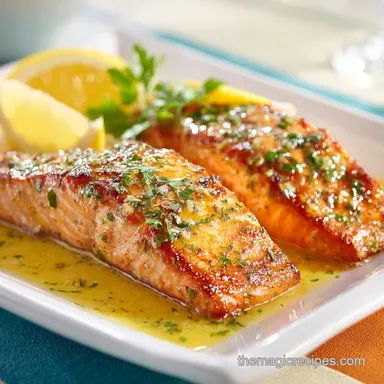
Baked Salmon with Lemon Butter Cream: Restaurant-Style

- Time:10 minutes prep + 20 minutes cook = Total 30 minutes
- Flavor/Texture Hook: Velvety lemon sauce over flaky, tender fillets
- Perfect for: Quick weeknight dinners or a budget-friendly date night
Perfect Baked Salmon with Lemon Butter Cream
The scent of searing butter and fresh lemon is something that instantly reminds me of the coastal towns in the Pacific Northwest. In those regions, salmon isn't just a meal, it's a tradition.
They've spent generations learning that you don't need to overcomplicate a good piece of fish; you just need to balance the natural richness of the oils with something bright and sharp. This is the ultimate recipe for Baked Salmon with Lemon Butter Cream Sauce.
I remember the first time I tried to make a cream sauce for fish. I was so worried about overcooking the salmon that I rushed the sauce, and it ended up as a thin, watery mess that tasted like warm milk. Now, I treat the fish and the sauce as two separate missions.
You get the salmon perfectly flaky in the oven, and you build that velvety, concentrated flavor in the pan. It's a simple shift in workflow that makes the whole meal feel like it came from a bistro rather than a home kitchen.
Trust me on this, the key is all in the temperature. We're going for a over high heat roast to get those edges just right, followed by a precise internal temp. You'll end up with a dish that looks expensive but actually fits a tight grocery budget if you're smart about your cuts. Let's crack on.
Logic Behind the Results
Getting this dish right isn't about magic, it's about a few basic rules of heat and fat. If you understand what's happening in the pan, you can fix any mistake on the fly.
High Heat Searing: Baking at 400°F ensures the exterior gets a slight golden tint without drying out the center. This creates a structural contrast between the firm outside and the tender middle.
Fat Stabilization: Using heavy cream provides a high fat content that prevents the lemon juice from curdling the sauce. The fat acts as a buffer, keeping the texture silky and smooth.
Acidity Balance: Lemon zest provides the aromatic oils, while the juice provides the tartness. Using both means you get a deep lemon flavor without making the sauce too thin or overly sour.
Resting Period: Letting the fish sit for a few minutes allows the juices to redistribute. This ensures the first bite is moist and the flakes separate naturally. For those who enjoy a bit of a crunch with their meal, this pairs brilliantly with some Butter Swim Biscuits to soak up every drop of that sauce.
| Thickness | Internal Temp | Rest Time | Visual Cue |
|---|---|---|---|
| 1 inch | 135°F | 5 mins | Pale pink, flakes easily |
| 1.5 inches | 135°F | 7 mins | Opaque center, resists pressure |
| 2 inches | 135°F | 10 mins | Firm edges, soft center |
The table above is my go to for ensuring the fish never hits that "chalky" stage. Most people wait until the fish looks fully cooked, but by then, the carryover heat has already pushed it past the point of tenderness.
Choosing the Right Ingredients
The beauty of this recipe is that it works with various salmon types, though your budget will dictate the choice. I usually go for Atlantic salmon for its higher fat content, which makes it harder to overcook. If you're using Wild Sockeye, keep a close eye on the clock because it's leaner and can dry out in a flash.
| Ingredient | Science Role | Pro Secret |
|---|---|---|
| Salmon Fillets | Primary Protein | Pat completely dry to prevent steaming |
| Heavy Cream | Emulsifier | Room temperature cream blends faster |
| Unsalted Butter | Flavor Carrier | Brown it slightly for a nuttier profile |
| Lemon Juice | pH Balancer | Add at the very end to keep brightness |
For the sauce, don't even bother with low-fat milk or half and half. You need the viscosity of heavy cream to hold the butter and lemon in a stable bond. If you're looking for a more affordable version, you can use a mix of whole milk and a teaspoon of cornstarch, but you'll lose that velvety mouthfeel.
For the Salmon
- 4 salmon fillets, approx 6 oz (170g) each Why this? Standard size for even cooking
- 2 tbsp olive oil Why this? High smoke point for 400°F oven
- 1 tsp salt Why this? Draws out moisture for better searing
- ½ tsp cracked black pepper Why this? Coarse grind adds texture
- 1 tsp garlic powder Why this? Even coating without burning bits
For the Lemon Butter Cream Sauce
- 4 tbsp unsalted butter Why this? Adds richness and gloss
- 3 cloves garlic, minced Why this? Fresh punch vs powder
- 1 cup heavy cream Why this? Stabilizes the citrus acidity
- 2 tbsp fresh lemon juice Why this? Cuts through the fat
- 1 tbsp lemon zest Why this? Concentrated lemon aroma
- ¼ tsp salt Why this? Enhances the creaminess
- ¼ tsp black pepper Why this? Subtle heat
- 1 tbsp fresh parsley, chopped Why this? Fresh color and herbal note
Essential Kitchen Gear
You don't need a professional kitchen to make this happen, but a few specific tools make the process much smoother. I always use a rimmed baking sheet because salmon can sometimes release a bit of oil, and you don't want that sliding off the edge of your oven.
Parchment paper is a non negotiable for me. It prevents the fish from sticking and makes cleanup a breeze. If you're using a meat thermometer, a digital instant read version is your best friend here. Guessing the internal temp of salmon is a gamble I'm no longer willing to take.
A heavy bottomed saucepan is ideal for the sauce. Thin pans create hot spots that can cause the cream to scorch or the butter to separate. If you have a whisk, use it to keep the sauce moving, but a simple wooden spoon works just as well for this volume of liquid.
Steps for the Perfect Bake

Right then, let's get into the actual cooking. The goal here is precision. We want the fish tender and the sauce thick enough to coat the back of a spoon without being like glue.
Phase 1: Prepping for the Oven
Preheat your oven to 400°F (200°C) and line a large rimmed baking sheet with parchment paper. This ensures the heat distributes evenly across the bottom of the fillets.
Pat the salmon fillets completely dry with paper towels. This is the most skipped step, but it's critical. If the fish is wet, it will steam instead of roast, and you'll lose that golden exterior. Rub each fillet with olive oil and season evenly with salt, pepper, and garlic powder.
Phase 2: The Precision Bake
Arrange the fillets on the baking sheet, ensuring they are not touching. If they're too crowded, they'll release moisture into each other, and you'll get a soggy result. Bake for 12–15 minutes, removing them when the thickest part reaches an internal temperature of 135°F (57°C).
The salmon will look slightly translucent in the very center, but that's okay. Carryover cooking will bring it up to the ideal temp while it rests.
Phase 3: Crafting the Velvety Sauce
While the salmon rests, melt the butter in a saucepan over medium heat. Add the minced garlic and sauté for 1 minute until fragrant. Don't let the garlic turn brown, or it will taste bitter.
Stir in the heavy cream and simmer for 3–5 minutes until the sauce thickens slightly and coats the back of a spoon. You'll see the bubbles get larger and slower as the water evaporates and the cream concentrates.
Phase 4: The Final Assembly
Remove the pan from heat and stir in the lemon juice, lemon zest, salt, and pepper. Adding the lemon at the end prevents the acid from breaking the emulsion of the cream.
Place the rested salmon fillets on serving plates, spoon the lemon butter cream sauce over each fillet, and garnish with fresh parsley.
Fixing Common Errors
Even the best of us hit a snag now and then. Usually, when this dish goes wrong, it's either a temperature issue with the fish or a stability issue with the sauce.
The Cause of Curdling
If your sauce looks grainy or the oil has separated from the cream, it's usually because the heat was too high or the lemon juice was added while the sauce was boiling. To fix this, whisk in a teaspoon of warm water or a tiny bit more cream over very low heat to bring it back together.
The Cause of Dryness
Overcooked salmon happens when you wait for it to "look" done. Salmon continues to cook for several minutes after it leaves the oven. If your fish is chalky, you likely pulled it at 145°F instead of 135°F.
| Problem | Root Cause | Solution |
|---|---|---|
| Sauce is too thin | Not simmered long enough | Simmer for 2 more mins on medium |
| Salmon is sticking | Not enough oil or no parchment | Use parchment paper and pat fish dry |
| Sauce tastes bitter | Garlic was burnt | Sauté garlic on medium low heat |
Common Mistakes Checklist
- ✓ Pat chicken completely dry before searing (prevents steaming)
- ✓ Use a meat thermometer to hit exactly 135°F internal
- ✓ Add lemon juice only after removing sauce from heat
- ✓ Avoid crowding the baking sheet to ensure proper roasting
- ✓ Use full fat heavy cream for maximum sauce stability
Scaling the Recipe
When you're cooking for a crowd, you can't just multiply everything and hope for the best. The physics of the pan change when you add more volume.
For a smaller batch (2 servings), cut the ingredients in half. However, keep the oven temperature the same. You might find the fish cooks 1–2 minutes faster because there's more airflow around the fillets.
When doubling or tripling the recipe, work in batches. If you crowd 8 or 12 fillets onto one sheet, the oven temperature will drop significantly, and the fish will steam. Use two separate baking sheets and rotate them halfway through the cook time.
For the sauce, increase the cream and butter linearly, but only increase the salt and pepper to 1.5x. You can always add more seasoning at the end, but you can't take it out.
Fast vs Classic Method
| Feature | Fast (Oven Bake) | Classic (Sear + Bake) |
|---|---|---|
| Total Time | 30 minutes | 45 minutes |
| Texture | Uniformly tender | Crispy skin, tender center |
| Effort | Low (hands off) | Medium (active monitoring) |
Truths About Fish Cooking
There are a few things people tell you about cooking salmon that just aren't true. Let's set the record straight so you don't waste your time.
Searing meat or fish does not "seal in the juices." This is a common myth. In reality, searing actually causes more moisture loss through evaporation. However, we do it because the browning adds a depth of flavor that you just can't get from baking alone.
Another misconception is that lemon juice "cooks" the fish instantly (like in ceviche). While acid does denature proteins, the amount of lemon in this sauce is far too low and added too late to change the texture of the fish. It's there for flavor, not for cooking.
Storage and Zero Waste
If you have leftovers, store the salmon and the sauce in separate airtight containers in the fridge. They'll stay good for about 3 days. When reheating, avoid the microwave if possible, as it will make the salmon rubbery.
Instead, gently warm the sauce in a pan and place the salmon on top for a few minutes until just warmed through.
This dish doesn't freeze well because the cream sauce tends to separate and the salmon loses its texture. I'd recommend eating this fresh.
To keep things zero waste, don't toss your lemon scraps. You can freeze the leftover zest or juice in ice cube trays for future recipes. The parsley stems, which we usually throw away, are actually packed with flavor. Throw them into your next vegetable stock or soup base to add a hit of freshness.
Best Pairing Options
Since this is a rich, buttery dish, you want sides that provide a bit of a crunch or a sharp contrast. Steamed asparagus or roasted Brussels sprouts are great because their slight bitterness cuts through the cream.
For a heartier meal, a bed of wild rice or quinoa works beautifully. If you're in the mood for something truly comforting, those Butter Swim Biscuits I mentioned earlier are the way to go. Just tear one open and swipe it through the lemon cream sauce.
And if you've got a sweet tooth, follow this meal with something equally zesty. A slice of Lemon Pound Cake is the perfect dessert to mirror the lemon notes in the main course without feeling too heavy. It rounds out the dinner with a bright, clean finish.
Recipe FAQs
How to tell when the salmon is perfectly cooked?
Use a meat thermometer to reach an internal temperature of 135°F (57°C). Remove the fillets from the oven immediately at this point to ensure they remain tender.
Is it true I should add lemon juice while the sauce is simmering?
No, this is a common misconception. Stir in the lemon juice and zest only after removing the sauce from the heat to keep the flavor bright and prevent curdling.
How to prevent the salmon from steaming on the pan?
Pat the fillets completely dry with paper towels before adding oil. Removing surface moisture allows the fish to roast properly at 400°F rather than steaming.
Can I freeze the salmon and cream sauce for later?
No, this dish does not freeze well. The cream sauce tends to separate and the salmon loses its texture during the freezing and thawing process.
How to thicken the lemon butter cream sauce if it's too thin?
Simmer the heavy cream for an additional 1-2 minutes. Continue cooking over medium heat until the sauce is thick enough to coat the back of a spoon.
What is the best way to reheat leftovers without making the fish rubbery?
Gently warm the sauce in a pan and place the salmon on top for a few minutes. Avoid the microwave, as it overcooks the fish quickly and ruins the texture.
Can I serve this with a pasta dish for a more filling meal?
Yes, it pairs excellently with noodles. If you enjoy this flavor profile, you can use a similar combination in a lemon dill salmon pasta.
Baked Salmon with Lemon Butter Cream for 4 Servings: Creamy