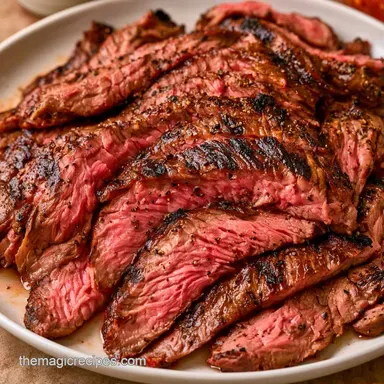
Blackstone Flank Steak: Mahogany Char
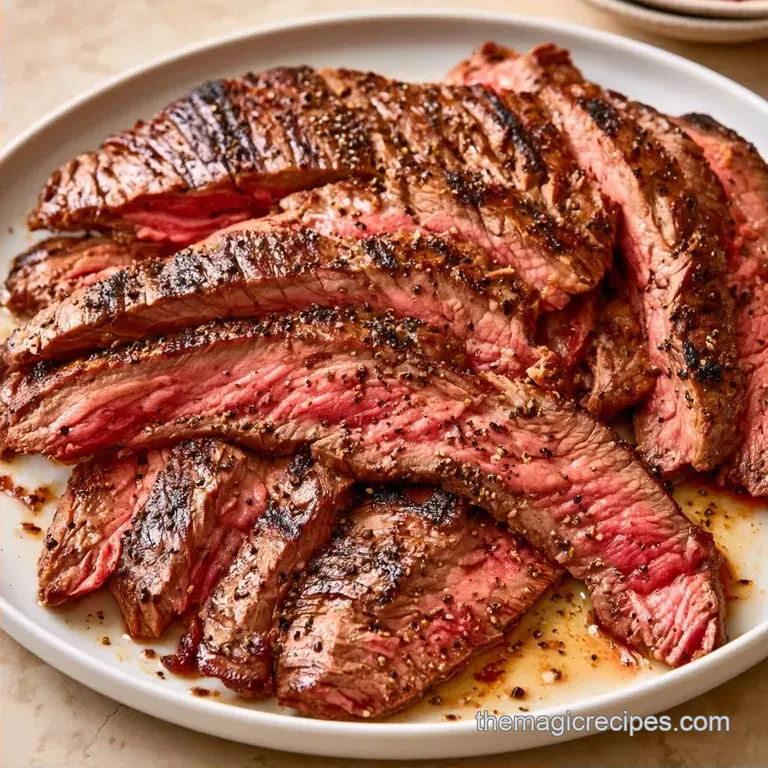
- Time: 10 min active + 10 min resting
- Flavor/Texture Hook: Mahogany char with a juicy middle
- Perfect for: Weeknight family dinner
The sizzle of fat on a hot griddle is a sound that takes me back to family cookouts. Flank steak has always been the "working man's cut," traditionally used in Latin American asado or sliced thin for fajitas because it's lean and hearty. It isn't a luxury ribeye, but when handled right, it's a powerhouse of flavor that feeds a crowd without breaking the bank.
I used to treat it like a thicker steak, which was a mistake. I'd leave it on too long and end up with something resembling a leather shoe. The trick is treating it as a fast sear protein. You want it hitting the heat and leaving it quickly.
Once you get the timing down, you'll see that Flank Steak is actually the most versatile cut in the freezer. It takes on seasonings beautifully , if you slice it against the grain, it's surprisingly tender.
Getting Flank Steak Texture Right
High heat is non negotiable here. You need a surface temperature around 450°F to trigger a fast sear, which keeps the inside from drying out. This is why a griddle works so well compared to a crowded pan.
The Rest Period: Letting the meat sit for 10 minutes allows the fibers to relax and the juices to redistribute. If you cut it immediately, the juice runs out on the board and the meat gets tough. This makes it a great partner for a horseradish cream sauce to add some moisture back in.
Quick Recipe Specs
| Method | Heat Control | Crust Quality |
|---|---|---|
| Blackstone | High/Even | Deep Mahogany |
| Stovetop | Variable | Moderate |
| Oven | Steady | Low/Uneven |
The griddle is the clear winner for Flank Steak because you can move the meat to different zones if the heat gets too aggressive.
Ingredient Deep Dive
| Component | Purpose | Substitute Notes |
|---|---|---|
| Flank Steak | Main Protein | Skirt steak works but is fattier |
| Olive Oil | Heat Conduction | Avocado oil is better for higher heat |
| Unsalted Butter | Flavor Finish | Ghee works for dairy-free (clarified) |
| Garlic/Onion Powder | Base Seasoning | Fresh garlic can burn at 450°F |
Gathering Your Essentials
- 1 lb flank steak Why this? Lean cut that sears quickly
- 2 tbsp olive oil Why this? Prevents sticking
- 1 tsp kosher salt Why this? Coarse grains season better
- 1 tsp coarse black pepper Why this? Adds a woody bite
- 1 tsp garlic powder Why this? Even coating without burning
- 1 tsp onion powder Why this? Adds savory depth
- 2 tbsp unsalted butter Why this? For the final baste
- 1 sprig fresh rosemary Why this? Aromatic finish
Equipment Needed
You'll need a Blackstone griddle or a similar flat top. A digital meat thermometer is a must because the window between medium rare and medium is very small for this cut. I also suggest a heavy spatula or meat press to ensure the meat stays in contact with the steel.
Key Steps
- Pat the flank steak completely dry with paper towels. Note: Moisture creates steam, which prevents a crust.
- Rub the steak with olive oil.
- Apply salt, pepper, garlic powder, and onion powder to all surfaces of the Flank Steak.
- Preheat the Blackstone griddle to high, roughly 450°F.
- Lay the Flank Steak down and press firmly for the first 30 seconds.
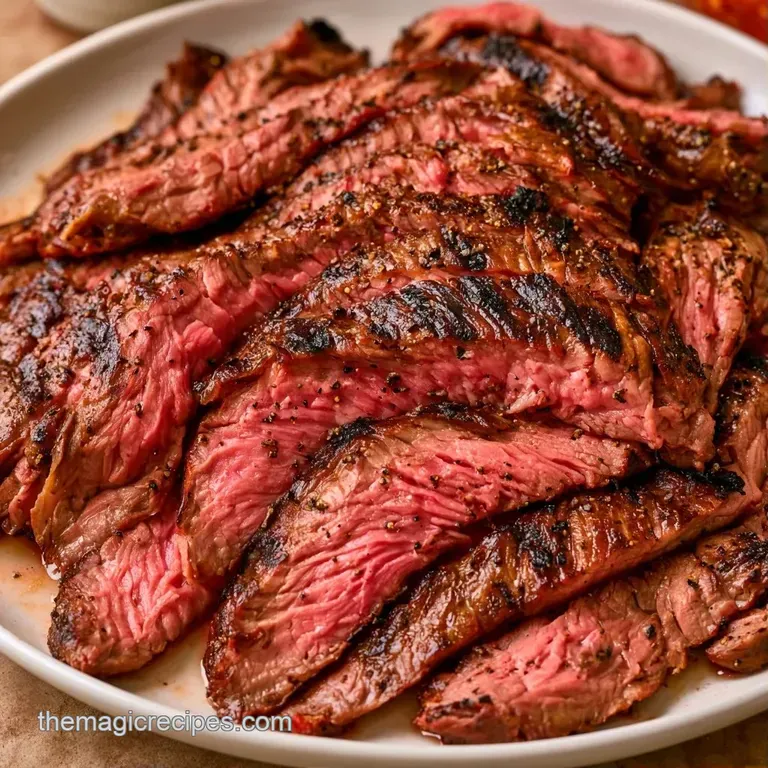
- Cook for 4–5 minutes per side until a deep mahogany char develops.
- Add butter and rosemary to the griddle during the last 60 seconds.
- Spoon the foaming butter over the Flank Steak.
- Pull the meat when the internal temperature reaches 125-130°F. Note: USDA guidance suggests higher for some, but this is the sweet spot for medium rare.
- Transfer to a plate and tent with foil for 10 minutes before slicing thinly across the grain.
Avoiding Kitchen Disasters
The most common issue is the meat feeling "chewy." This almost always happens because the steak was sliced with the grain rather than across it. Look for the lines running through the meat and cut perpendicular to them.
Another hurdle is the steak sticking to the griddle. This usually means the oil wasn't distributed well or the steel wasn't hot enough. If it's sticking, leave it alone for a minute. The meat will naturally release once the sear is established.
Fixing a Tough Texture
If the meat feels rubbery, check your slice angle. Slicing across the grain breaks the long muscle fibers.
Managing Griddle Stick
Ensure your oil is shimmering before the meat hits the surface.
| Problem | Fix |
|---|---|
| Flank Steak is chewy | Slice thinner and strictly against the grain |
| Meat sticks to steel | Increase heat and use more olive oil |
| Gray, steamed meat | Pat the meat drier before seasoning |
Serving Suggestions
I love serving this with some garlic parmesan baked steak fries for a full pub style meal. If you want something lighter, a chimichurri sauce with fresh parsley and vinegar cuts through the richness of the butter baste.
For a family style meal, slice the meat into thin strips and pile them on a platter with grilled asparagus. Since this is a lean cut, it's great for those watching their fat intake but still wanting a hearty meal.
Make-ahead and Leftover Tips
Keep any leftover Flank Steak in a glass container for up to 3 days. To prevent it from becoming rubbery during reheating, I suggest slicing it while cold and searing it in a hot pan for 60 seconds, or simply adding it to a salad.
If you have small end pieces or trimmings, don't throw them out. Store those scraps in the freezer to use for a future pot of beef stock. It provides a richness that store-bought cubes simply can't match.
Dietary Adaptations
If you're avoiding dairy, skip the butter and use a tablespoon of ghee or more olive oil for the baste. The rosemary still adds plenty of aroma. For a low sodium version, swap the kosher salt for a squeeze of fresh lime juice after the steak rests.
When scaling the Flank Steak for a bigger crowd, work in batches. Overcrowding the griddle drops the temperature, which leads to steaming instead of searing.
| Goal | What to change |
|---|---|
| Medium well | Pull Flank Steak at 145°F |
| Extra crust | Press meat harder for 60 seconds |
| Faster cook | Slice steak into thinner strips before searing |
If you're doubling the recipe, increase the spices to only 1.5x. Too much garlic and onion powder can become overpowering when scaled linearly.
Recipe FAQs
How long does it take to cook a flank steak on a Blackstone?
Cook for 4 5 minutes per side at 450°F.
Tip: pull the meat when a thermometer reads 125-130°F for medium rare.
What method creates the most tender result?
Slice the rested steak thinly across the grain.
Tip: always let the meat rest for 10 minutes before cutting to preserve juices.
Is it true flank steak is always tough?
No, and here's why. Proper high heat searing and precise slicing eliminate the chewiness.
Tip: rub the meat with olive oil before seasoning to prevent sticking.
Can this cut be cooked on a flat top grill?
Flat top grills are ideal for achieving the required mahogany char.
Tip: these steak slices work perfectly in street tacos for a crowd.
Blackstone Flank Steak