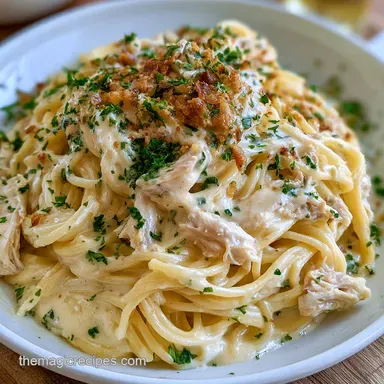
Chicken Spaghetti: Creamy and Cheesy
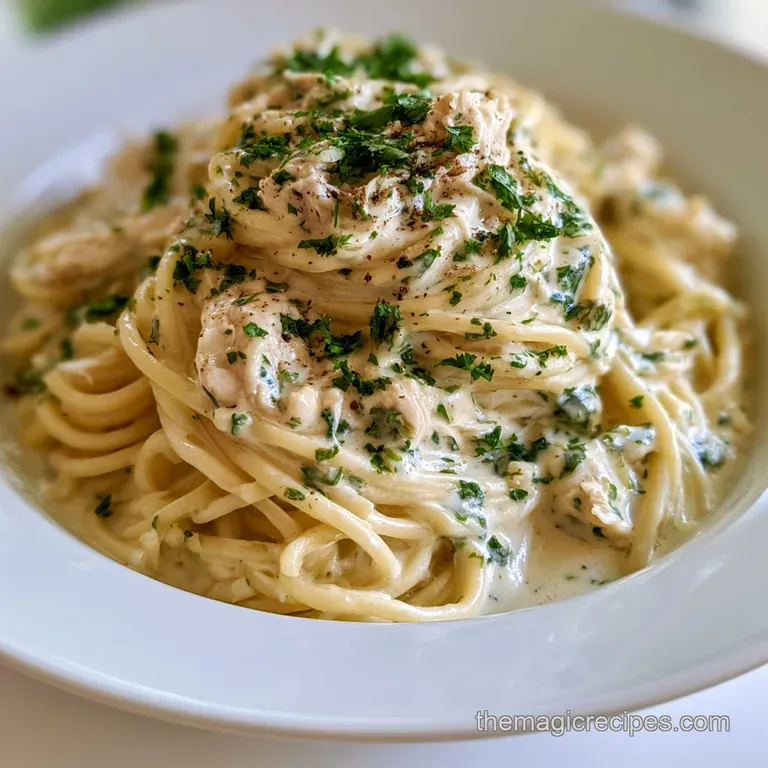
- Time: 10 min active + 30 min cook = Total 40 min
- Flavor/Texture Hook: Velvety cheese sauce with a golden, bubbling crust
- Perfect for: Weeknight family dinners or easy meal prep
- Chicken Spaghetti
- Stopping the Soggy Pasta Problem
- Essential Ingredients for the Pan
- Tools for a Faster Workflow
- Step by Step Cooking Flow
- Fixing Common Texture Issues
- Troubleshooting Common Issues
- Adding Some Extra Zest
- Adjusting the Batch Size
- Debunking Casserole Myths
- Saving Leftovers for Later
- Best Side Dish Pairings
- High in Sodium
- Recipe FAQs
- 📝 Recipe Card
Chicken Spaghetti
The smell of bubbling cheese and toasted garlic hits you the second you open the oven door. It's that specific, cozy aroma that tells you dinner is actually going to be a hit tonight. I remember the first time I tried to make this for a crowd, and I made the classic mistake of boiling the pasta until it was soft.
By the time it came out of the oven, the noodles had basically dissolved into the sauce, turning the whole thing into a thick, gluey porridge.
It was a disaster, but it taught me everything I need to know about the timing of a baked pasta. To get that velvety texture where the noodles still have a bit of a bite, you have to fight the urge to cook the pasta fully at the start.
This Chicken Spaghetti is my targeted fix for that problem. We're focusing on a fast, plan based execution that gets you from the fridge to the table in 40 minutes. It's designed to be a family friendly win that doesn't require any fancy techniques, just a few smart shortcuts.
Stopping the Soggy Pasta Problem
If you've ever had a casserole that felt more like a mushy stew, it's usually because of too much hydration in the noodles. In this recipe, we use a specific "undercook" strategy to ensure the pasta finishes cooking inside the sauce, absorbing the flavors without losing its shape.
Starch Control: Cooking the pasta for 2 minutes less than the box says prevents it from over expanding. This leaves room for the noodles to soak up the cheese sauce during the bake.
Fat Barrier: Tossing the drained noodles in olive oil creates a thin layer of protection. This stops the strands from clumping together before the sauce is added.
Thickener Balance: The combination of a flour roux and cream of chicken soup creates a stable base. It prevents the sauce from breaking or becoming oily when the cheese melts in.
Moisture Absorption: Draining the diced tomatoes with green chilies is a non negotiable step. If you leave the liquid in, it thins out the sauce and leads to that soggy bottom we're trying to avoid.
If you're looking for something even creamier, you might enjoy my easy alfredo sauce recipe as a base for other pasta dishes, but for this specific bake, the soup and roux combo is what keeps it stable.
| Feature | Fast Method (This Recipe) | Classic Method |
|---|---|---|
| Prep Time | 10 minutes | 30-45 minutes |
| Pasta State | Under boiled | Fully boiled |
| Sauce Base | Roux + Canned Soup | Homemade Béchamel |
| Result | Velvety & Consistent | Richer but Heavier |
The fast method is a lifesaver for weeknights. It gives you about 90% of the flavor of a long simmered version but saves you nearly an hour of active work.
Essential Ingredients for the Pan
When it comes to Chicken Spaghetti, the quality of your cheese makes a huge difference. I always go for a sharp cheddar because the bold flavor doesn't get lost in the milk and flour.
Honestly, don't even bother with pre shredded cheese if you have an extra 2 minutes; grating your own prevents those anti clumping agents from stopping the cheese from melting smoothly.
Component Analysis
| Ingredient | Science Role | Pro Secret |
|---|---|---|
| All purpose Flour | Thickening Agent | Cook for 60 seconds to remove raw taste |
| Sharp Cheddar | Flavor & Binding | Use a block and grate it for a silky melt |
| Cream of Chicken Soup | Stabilizer | Adds a salty, savory depth that milk alone lacks |
| Diced Tomatoes w/ Chilies | Acid Balance | Drain well to keep the sauce thick |
The Shopping List
- 1 lb (450g) spaghetti noodles Why this? Standard thickness holds up best during baking
- 3 cups (425g) shredded cooked chicken Why this? Rotisserie chicken is the fastest way to prep
- 1 tbsp (15ml) olive oil Why this? Stops noodles from sticking together
- 4 tbsp (56g) unsalted butter Why this? Creates the base for the roux
- 1/4 cup (30g) all purpose flour Why this? Thickens the milk into a sauce
- 2 cups (480ml) whole milk Why this? Provides the velvety fat content
- 1 can (10.5 oz / 298g) cream of chicken soup Why this? Adds consistency and savory flavor
- 2 cups (225g) sharp cheddar cheese, shredded Why this? High flavor profile that cuts through the cream
- 1 can (10 oz / 285g) diced tomatoes with green chilies, drained Why this? Adds tang and a hint of heat
- 1 tsp (5g) garlic powder Why this? Even distribution of flavor
- 1/2 tsp (2.5g) onion powder Why this? Adds a subtle aromatic base
- 1/2 tsp (2.5g) smoked paprika Why this? Gives a hint of wood fired depth
- salt to taste
- black pepper to taste
| Original Ingredient | Substitute | Why It Works |
|---|---|---|
| Whole Milk (2 cups) | Half and Half (2 cups) | More fat content. Note: Makes it richer but heavier |
| Sharp Cheddar (2 cups) | Monterey Jack (2 cups) | Melts more easily. Note: Much milder flavor |
| Cream of Chicken Soup | Homemade Béchamel | Pure butter/flour/milk. Note: Less salt, more work |
| Diced Tomatoes w/ Chilies | Diced Tomatoes + 1 tsp Cumin | Similar acidity. Note: Lacks the green chili zip |
Between choosing your ingredients and getting the pan ready, make sure your chicken is shredded small. Big chunks of meat create air pockets in the casserole, which can lead to uneven heating.
Tools for a Faster Workflow
You don't need a professional kitchen to nail this Chicken Spaghetti, but a few specific tools make the flow much smoother. I always use a wide 9x13 inch baking dish because it allows the cheese to brown more evenly across the top. If the dish is too deep and narrow, the center stays mushy while the edges overcook.
A heavy bottomed saucepan is key for the roux. If you use a thin pan, the butter and flour can hotspot and burn, which leaves a bitter taste in your cheese sauce. I also recommend a whisk over a spoon; it's the only way to ensure you don't end up with flour lumps in your milk.
If you're really in a rush, use a rotisserie chicken from the store. It's already seasoned and tender, which means you can skip the protein prep entirely and dive straight into the sauce.
Step by step Cooking Flow
Right then, let's get into the actual process. The trick here is the "phase" approach: handle your pasta first, then your sauce, then combine. This prevents the noodles from sitting in the pot and getting gummy while you're messing with the butter.
Phase 1: The Pasta Foundation
- Bring a large pot of salted water to a rolling boil.
- Add spaghetti and cook for 2 minutes less than the package instructions. Note: This is the secret to avoiding mushy Chicken Spaghetti. Drain and toss with 1 tbsp of olive oil to prevent sticking.
Phase 2: Creating the Liquid Gold
- Melt butter in a saucepan over medium heat. Whisk in flour and cook for 1 minute until it smells nutty and looks slightly toasted.
- Slowly pour in milk while whisking constantly. Note: Add it in a slow stream to keep it smooth.
- Stir in the cream of chicken soup, garlic powder, onion powder, and smoked paprika. Simmer for 3-5 minutes until the sauce thickens and becomes glossy.
- Remove sauce from heat and stir in 1.5 cups (170g) of the shredded cheddar until completely melted.
Phase 3: The Final Assembly & Bake
- In a 9x13 inch baking dish, combine the undercooked spaghetti, shredded chicken, and drained diced tomatoes with green chilies.
- Pour the cheese sauce over the mixture, folding gently until every strand is coated.
- Smooth the top with a spatula and sprinkle the remaining 1/2 cup (55g) of cheddar cheese over the top.
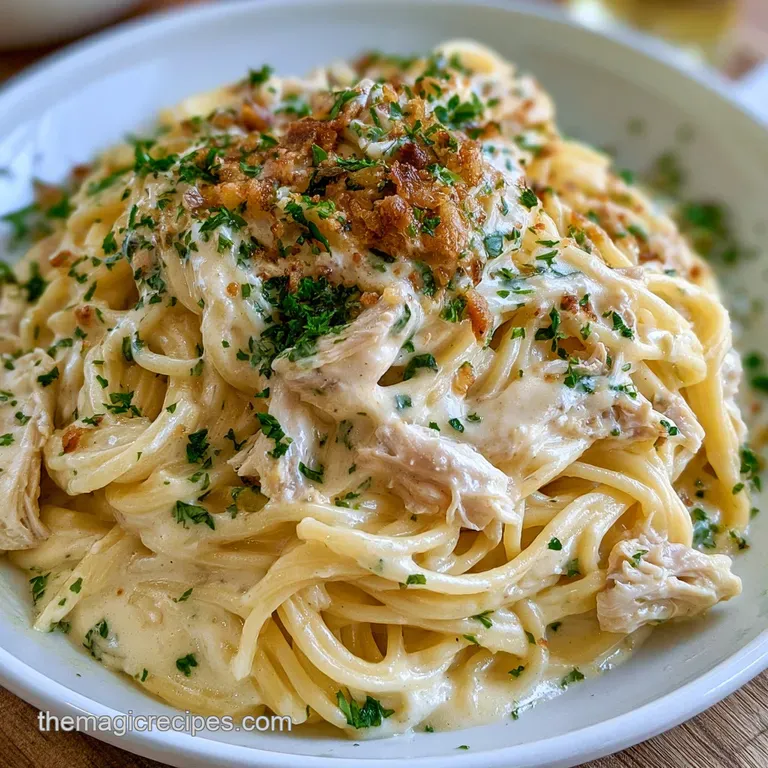
- Bake at 350°F (175°C) for 20-25 minutes, until the edges are bubbling and the cheese is golden brown.
Chef's Tip: If you want a shatter crisp top, sprinkle a handful of Panko breadcrumbs mixed with a pinch of paprika over the final layer of cheese before baking.
Fixing Common Texture Issues
Even with a solid plan, things can go sideways. The most common complaint with Chicken Spaghetti is usually related to the sauce consistency or the noodle texture. Most of these issues happen during the roux phase or the boiling phase.
Troubleshooting Common Issues
| Issue | Solution |
|---|---|
| Why Your Pasta is Mushy | This happens when the noodles are overcooked in the pot. Remember, they continue to cook in the oven as they absorb the sauce. If they start soft, they end up as paste. Stick to that 2 minute reductio |
| Why Your Sauce is Grainy | Graininess is usually a sign that the cheese was added to boiling sauce. High heat can cause the proteins in the cheese to clump and the fats to separate. Always remove the pan from the heat before st |
| Why the Dish is Too Dry | If the casserole looks dry coming out of the oven, it's likely because the pasta absorbed more liquid than expected. This often happens if the noodles were boiled for too long or if the oven temperatu |
Common Mistakes Checklist:
- ✓ Did you drain the tomatoes fully? (Prevents sogginess)
- ✓ Did you undercook the pasta by 2 mins? (Prevents mush)
- ✓ Did you whisk the flour into the butter for a full minute? (Removes raw taste)
- ✓ Did you remove the sauce from the heat before adding cheese? (Prevents graininess)
Adding Some Extra Zest
Once you've nailed the basic Chicken Spaghetti, you can start playing with the flavors. This recipe is a great canvas for different regional twists. If you want to lean into the "Southwest" vibe, you can double the green chilies or add a chopped jalapeño to the mix.
For those who want a more traditional Italian feel, try swapping the smoked paprika for a pinch of nutmeg and adding a handful of freshly chopped parsley at the end. If you're looking for other cozy bakes, you might like a Cheesy Chicken Casserole for a different noodle texture.
2 Zesty Twists: - The Spicy Kick: Add 1/2 tsp of cayenne pepper to the roux and use "Hot" Rotel tomatoes. - The Garlic Bomb: Sauté 3 cloves of minced fresh garlic in the butter before adding the flour.
2 Diet Swaps: - Low Carb: Use palmini or zucchini noodles. Note: Skip the bake time or reduce to 10 mins to avoid water release. - Lighter Version: Use 2% milk and reduced fat sharp cheddar.
Note: The sauce will be slightly less velvety.
Adjusting the Batch Size
Scaling Chicken Spaghetti is pretty straightforward, but you can't just multiply everything and hope for the best. Liquids and spices behave differently when you move to massive pots.
Scaling Down (1/2 Batch): Use an 8x8 inch square pan. Reduce the baking time by about 20%, as a smaller mass heats through faster. If the recipe calls for an egg (not in this one, but for others), beat one egg and use half.
Scaling Up (2x-4x Batch): Don't multiply the salt and smoked paprika by 4; start at 1.5x and taste as you go. Over salting is easy when you're using canned soup in large quantities. Work in batches for the roux to ensure the flour cooks evenly without burning.
For large scale bakes, lower the oven temp to 325°F (160°C) and extend the time. This ensures the center of the giant pan gets hot without burning the cheese on top.
Debunking Casserole Myths
There's a lot of bad advice out there about baked pastas. One common myth is that you should use fresh pasta for a "better" result. In reality, fresh pasta is too porous and often turns into mush in a bake. Dried spaghetti is actually the superior choice here because it holds its structure.
Another misconception is that you need to sear the chicken first to "lock in juices." Since we're using shredded chicken (often pre cooked), searing doesn't add much. The flavor comes from the cheese sauce, not the protein's crust.
Some people think using low-fat milk is a "healthy" swap that doesn't change the dish. Trust me, the fat in whole milk is what keeps the sauce from separating. Using skim milk often results in a watery sauce that doesn't cling to the noodles.
Saving Leftovers for Later
Chicken Spaghetti is one of those rare dishes that actually tastes better the next day. The flavors have more time to meld, and the sauce sets into a more cohesive structure.
Storage Guidelines: Store leftovers in an airtight container in the fridge for up to 3 days. For the freezer, I recommend freezing the dish unbaked. Assemble everything except the final cheese topping, wrap it tightly in foil, and freeze for up to 2 months.
When you're ready, bake it from frozen at 350°F (175°C), adding about 15-20 minutes to the cook time.
Reheating Tips: Avoid the microwave if you can; it often makes the noodles rubbery. Instead, put a slice in a small oven safe dish, add a splash of milk to loosen the sauce, cover with foil, and heat at 325°F (160°C) for 15 minutes.
Zero Waste Tips: If you're cooking your own chicken for this, don't throw away the carcass. Toss the bones and vegetable scraps into a pot with water and a bay leaf to make a quick stock. You can use that stock to cook the spaghetti noodles, adding an extra layer of flavor to the dish.
Best Side Dish Pairings
Since this Chicken Spaghetti is so rich and creamy, you need something to cut through that heaviness. A bright, acidic side dish is the way to go. A simple arugula salad with a lemon vinaigrette works wonders here. The bitterness of the greens and the zing of the lemon refresh your palate between bites of cheesy pasta.
Garlic bread is a classic, but if you want something healthier, roasted broccoli or sautéed spinach provides a great color contrast and a nutritional boost. If you have leftover chicken from a different meal, you could even whip up some Garlic Chicken as a side protein for a truly meat heavy feast.
Keep the sides simple. The bake is the star of the show, so don't overcomplicate the rest of the plate. A slice of fresh sourdough or a crisp apple salad is all you really need to round out the meal.
Right then, you're all set. This Chicken Spaghetti is a reliable, fast, and velvety meal that solves the "what's for dinner" panic. Just remember: undercook that pasta, whisk your roux well, and don't overheat your cheese. You've got this!
High in Sodium
980 mg 980 mg of sodium per serving (43% 43% of daily value)
The American Heart Association recommends a daily limit of 2,300 mg of sodium to maintain heart health and reduce the risk of hypertension.
Tips to Reduce Sodium
-
Swap Canned Soup-30%
Replace the cream of chicken soup with a homemade version using low-sodium chicken broth, milk, and a flour roux.
-
Omit Added Salt-25%
Eliminate the 'salt to taste' entirely; the cheese and canned ingredients already provide significant sodium.
-
Use No-Salt Added Tomatoes-20%
Switch to no-salt added diced tomatoes and add fresh diced green chilies for the same flavor without the extra salt.
-
Reduce Cheese Volume-15%
Decrease the sharp cheddar cheese by one-third or use a reduced sodium variety of shredded cheese.
-
Boost Natural Flavors
Add freshly cracked black pepper, lemon juice, or fresh parsley to enhance the taste without adding any sodium.
Recipe FAQs
What are some common mistakes to avoid when making chicken spaghetti?
Avoid overcooking the pasta and overheating the cheese. Undercooking the noodles prevents a mushy texture, while adding cheese off-heat prevents the sauce from becoming grainy.
What all go in chicken spaghetti?
Spaghetti, cooked chicken, sharp cheddar, and a creamy base. The sauce is made from butter, flour, milk, cream of chicken soup, garlic powder, onion powder, and smoked paprika, mixed with diced tomatoes and green chilies.
What is the one ingredient that makes spaghetti sauce so much better?
Smoked paprika. This ingredient provides a subtle, earthy depth that balances the richness of the cream of chicken soup and cheddar cheese.
What is the best cheese to use in chicken spaghetti?
Sharp cheddar. Its bold, tangy profile cuts through the creamy sauce more effectively than mild or medium varieties.
How to prevent the pasta from becoming mushy?
Cook the spaghetti for 2 minutes less than the package instructions. This ensures the noodles maintain their structure as they finish cooking and absorb the sauce in the oven.
Is it true that I should bake this at 400°F for a better crust?
No, this is a common misconception. Bake at 350°F (175°C) for 20 25 minutes to ensure the interior is heated through without burning the cheese topping.
How to keep the cheese sauce from becoming grainy?
Remove the saucepan from the heat before stirring in the cheddar. High heat causes cheese proteins to clump; if you enjoyed mastering this smooth texture, see how we balance bold flavors in our chimichurri sauce.
Creamy Chicken Spaghetti