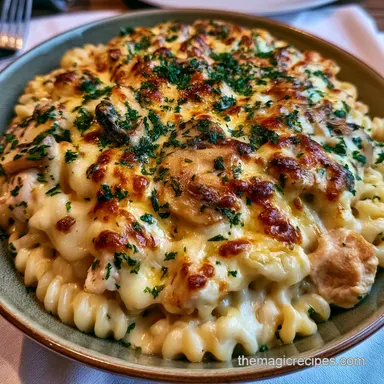
Chicken Tetrazzini: Creamy and Baked
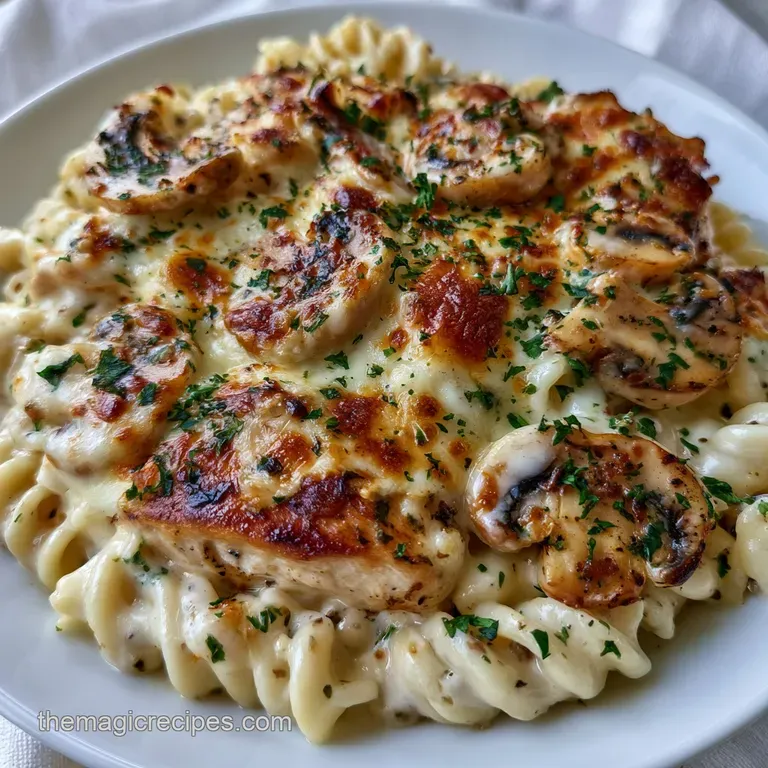
- Time:15 minutes active + 25 minutes baking = 40 minutes total
- Flavor/Texture Hook: Velvety cream sauce with a shatter crisp Panko topping
- Perfect for: Busy weeknight dinners, family gatherings, or using up leftover rotisserie chicken
Nothing ruins a dinner like "pasta porridge." I've seen it happen a dozen times where the noodles absorb every drop of sauce during the bake, leaving you with a gummy, overcooked mass that's more like a thick paste than a casserole.
It's a frustrating mistake that happens because most people cook the pasta fully before it even hits the oven.
The trick to a great chicken tetrazzini recipe is treating the oven time as the final stage of the pasta's cooking process. By pulling the spaghetti out of the water while it's still slightly too firm, you create a bridge that allows the noodles to soak up the cream sauce without losing their structure.
This version focuses on a homemade roux and a hit of cream cheese to ensure the sauce stays velvety and doesn't break or separate. You'll get a dish that's rich and comforting, topped with a golden crust that actually has some crunch to it.
The Best Chicken Tetrazzini Recipe
Right then, let's get into how we actually make this work without spending three hours in the kitchen. Most people overcomplicate this, but if you have a skillet and a baking dish, you're already halfway there.
Trust me on this, skipping the canned "cream of" soups is the first step to making this taste like real food instead of a 1970s cafeteria meal.
The real magic happens when the butter, flour, and chicken broth come together. Instead of a thin gravy, we're building a stable base that can handle the heat of the oven. When you stir in the cream cheese, it acts as a stabilizer, giving the sauce a thickness that clings to the spaghetti rather than pooling at the bottom of the pan.
If you're looking for a way to feed a crowd without losing your mind, this is the way to do it. It's a one dish wonder that feels like a lot of effort but actually uses a few smart shortcuts to keep the active work under 20 minutes.
Why This Works
To get that specific texture, there are a few things happening under the hood. It's not about magic, just a few simple rules of heat and starch.
- Starch Management: Undercooking the spaghetti prevents it from releasing too much starch into the sauce, which is what usually causes that gummy, gluey texture.
- Fat Stability: The combination of butter and cream cheese creates a high fat emulsion that resists breaking, according to [Serious Eats](https://www.seriouseats.com) techniques for stable sauces.
- Moisture Balance: Using a mixture of broth and heavy cream ensures the dish is moist but not runny, as the pasta absorbs the liquid during the bake.
- Textural Contrast: Panko breadcrumbs have a larger surface area than traditional crumbs, allowing them to shatter when you bite into them rather than becoming soft.
Since some people prefer a more traditional approach while others want speed, here is how this version stacks up against the classic method.
| Feature | This Fast Version | Classic Traditional | Impact |
|---|---|---|---|
| Sauce Base | Roux + Cream Cheese | Long simmered Bechamel | Faster prep, more stability |
| Pasta State | 2 mins under boiled | Fully cooked | Better texture after baking |
| Topping | Panko & Parmesan | Plain Breadcrumbs | Much crispier finish |
This approach saves about 30 minutes of simmering time without sacrificing the depth of flavor you expect from a baked pasta.
Component Analysis
Before we start tossing things in the pan, it helps to know why these specific ingredients are in the mix. It's not just about taste, it's about how they behave under heat.
| Ingredient | Science Role | Pro Secret |
|---|---|---|
| Cream Cheese | Emulsifier | Prevents the sauce from "splitting" in the oven |
| Nutmeg | Flavor Bridge | A tiny pinch cuts through the heavy fat of the cream |
| Panko | Aeration | Creates a lighter, crispier crust than standard crumbs |
| Chicken Broth | Hydration | Provides the liquid for the pasta to finish cooking |
Between these components, the sauce becomes a cohesive unit. The nutmeg is the unsung hero here, as it brings out the nuttiness of the Parmesan and the richness of the butter.
The Building Blocks
Here is everything you'll need. I've kept the tools minimal because nobody wants to wash ten pots for one meal.
- 12 oz (340g) spaghetti, broken in half Why this? Fits better in the baking dish for even sauce coating
- 3 cups (450g) cooked chicken breast, shredded or cubed Why this? Pre cooked chicken prevents overcooking during the bake
- 1 cup (150g) sliced white mushrooms Why this? Adds umami and a meaty texture
- 1/2 cup (60g) finely diced yellow onion Why this? Provides a sweet, aromatic base
- 4 tbsp (56g) unsalted butter Why this? Essential for the roux and flavor
- 1/4 cup (30g) all purpose flour Why this? Thickens the sauce without lumps
- 2 cups (480ml) low sodium chicken broth Why this? Depth of flavor and necessary hydration
- 1 cup (240ml) heavy cream Why this? Creates the velvety mouthfeel
- 4 oz (113g) cream cheese, softened Why this? Adds tang and prevents sauce separation
- 1/2 tsp (2.5g) garlic powder
- 1/2 tsp (2.5g) salt
- 1/4 tsp (1.2g) black pepper
- 1 pinch ground nutmeg
- 1/2 cup (50g) Panko breadcrumbs
- 2 tbsp (28g) melted butter
- 1 cup (113g) grated Parmesan cheese
If you don't have everything on hand, don't panic. Most of these can be swapped without ruining the dish.
| Original Ingredient | Substitute | Why It Works |
|---|---|---|
| Spaghetti (12 oz) | Penne or Rigatoni | Similar starch. Note: May need 5 extra mins of bake time |
| Heavy Cream (1 cup) | Half and Half | Lower fat, still creamy. Note: Sauce will be slightly thinner |
| White Mushrooms | Baby Bella/Cremini | More intense earthy flavor. Note: Great for a deeper taste |
| Panko (1/2 cup) | Standard Breadcrumbs | Still adds crunch. Note: Texture is denser, less "shatter" |
It's always better to use a full fat cream cheese here. low-fat versions tend to release water when heated, which can make your chicken tetrazzini recipe a bit too soupy.
Equipment Needed
You don't need a professional kitchen for this. A few basic tools will do the job.
- Large pot (for the spaghetti)
- Large skillet or sauté pan (for the sauce)
- 9x13-inch baking dish
- Whisk (crucial for a lump free sauce)
- Tongs or a large fork
- Measuring cups and spoons
Using a whisk instead of a spoon when adding the broth is a huge help. It keeps the flour particles separated, so you don't end up with little "flour balls" in your sauce.
The Cooking Process
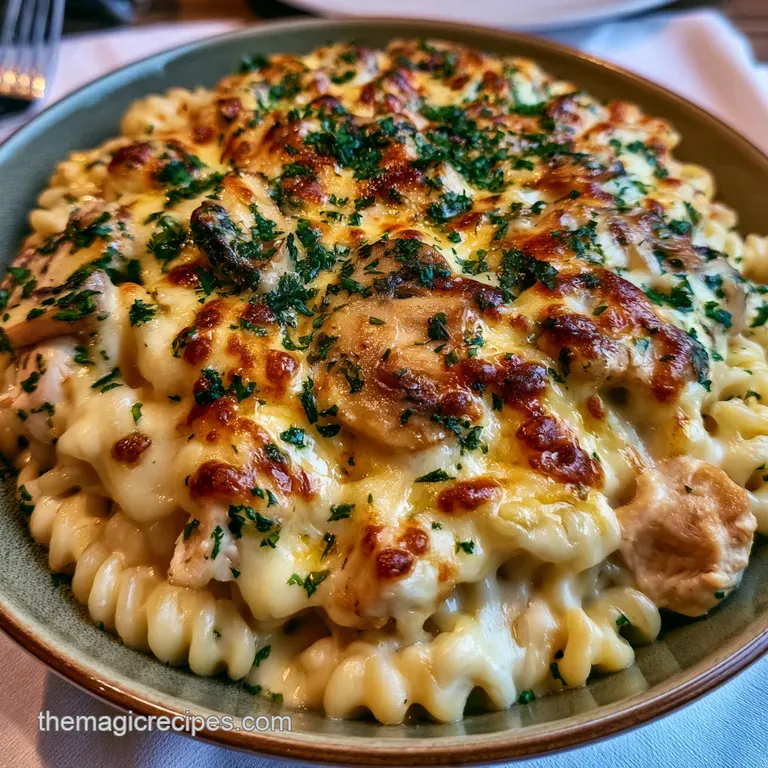
Let's crack on. Follow these steps closely, especially the timing on the pasta.
Phase 1: The Pasta Foundation
- Bring a large pot of salted water to a boil. Add the spaghetti and cook for 2 minutes less than the package directions. Wait until the noodles are still slightly firm in the center. Drain and set aside. Note: This ensures the pasta doesn't overcook in the oven.
Phase 2: Crafting the Creamy Base
Melt 4 tbsp of butter in a skillet over medium heat. Sauté the onions and mushrooms until the onions are translucent and mushrooms have released their moisture and browned.
Whisk in the flour and cook for 1 minute until the raw flour smell disappears and it looks like a golden paste. Note: Cooking the flour removes the "pasty" taste from the final dish.
Slowly whisk in the chicken broth and heavy cream, simmering until the liquid thickens enough to coat the back of a spoon.
Stir in the cream cheese, garlic powder, salt, pepper, and nutmeg until the sauce is smooth and velvety.
Phase 3: The Assembly and Bake
Preheat the oven to 375°F (190°C).
In a 9x13-inch baking dish, toss the under cooked spaghetti with the shredded chicken and the cream sauce until every noodle is completely coated.
In a small bowl, combine Panko breadcrumbs, 2 tbsp melted butter, and Parmesan cheese. Sprinkle the mixture evenly over the top of the pasta.
Bake for 20–25 minutes until the edges are bubbling and the topping is a deep golden brown.
Chef's Note: If you want a more intense crust, pop the broiler on for the last 2 minutes, but watch it like a hawk so it doesn't burn.
What Can Go Wrong (and How to Fix It)
Even the best chicken tetrazzini recipe can hit a snag if the heat isn't quite right or the proportions are off. Here is how to handle the most common issues.
The Sauce is Too Thick
If your sauce turns into a thick paste before you even add the pasta, it's usually because the heat was too high or the broth reduced too much. This happens easily in wide skillets where evaporation is faster.
To fix this, simply whisk in a tablespoon of milk or chicken broth at a time until it reaches a pourable consistency.
The Topping is Browning Too Fast
Panko and Parmesan can burn quickly if your oven runs hot. If you notice the top is getting dark but the edges aren't bubbling yet, simply slide a piece of aluminum foil loosely over the top of the dish. This shields the crust while allowing the heat to penetrate the center of the casserole.
The Dish is Too Dry
A dry casserole is usually the result of overcooking the pasta in the first step. If the noodles were already fully cooked, they'll suck all the moisture out of the sauce during the 25 minute bake.
If you realize it's too dry after baking, you can't really "fix" it, but you can prevent it by sticking to that "2 minutes less" rule for the pasta.
| Problem | Root Cause | Solution |
|---|---|---|
| Gummy Pasta | Overcooked during boil | Pull pasta 2 mins early next time |
| Lumpy Sauce | Flour added too fast | Whisk broth in slowly; use a whisk |
| Bland Taste | Under seasoned base | Add a pinch more salt or a squeeze of lemon |
Common Mistakes Checklist
- ✓ Did you undercook the pasta? (Should be Al Dente)
- ✓ Is the roux cooked for a full minute? (No raw flour taste)
- ✓ Did you use softened cream cheese? (Easier to blend into sauce)
- ✓ Is the oven preheated to 375°F? (Consistent heat)
- ✓ Did you coat every noodle in sauce? (Prevents dry patches)
Adjusting the Batch Size
If you're not cooking for six, you'll need to tweak the logistics.
Scaling Down (Half Batch) For a smaller meal, use an 8x8-inch square baking dish. Reduce the baking time by about 20%, checking at the 15 minute mark. Since you're using half an egg or small amounts of butter, just be careful with the roux timing, as smaller amounts of flour can burn faster in a large pan.
Scaling Up (Double Batch) When doubling this chicken tetrazzini recipe, avoid simply doubling the salt and spices - start with 1.5x and taste before adding more. Use two 9x13-inch dishes rather than one giant deep pan. If you crowd the pan too much, the center won't heat through before the edges burn.
For a double batch, lower the oven temp to 350°F (175°C) and extend the bake time by 10-15 minutes to ensure the middle is bubbling.
If you find yourself making this often, you might also enjoy my Garlic Chicken recipe for a different way to use chicken breast during the week.
Truths About This Dish
There are a few common beliefs about baked pastas that just aren't true. Let's set the record straight.
The "Canned Soup" Requirement Many people think you need "Cream of Mushroom" or "Cream of Chicken" soup to get the right texture. The truth is, a homemade roux with cream cheese actually provides a more stable, velvety texture and a much cleaner flavor.
Canned soups often add an artificial saltiness and a metallic aftertaste.
The "Overnight Chill" Myth Some old school recipes say you must let the casserole sit in the fridge overnight to "set." While this can help flavors meld, it's not necessary for the structure. As long as your sauce is properly thickened with a roux, it will hold its shape perfectly when baked fresh.
Storage Guidelines
This dish keeps surprisingly well, provided you don't overcook it initially.
In the Fridge Store leftovers in an airtight container for up to 3-4 days. The sauce may thicken as it cools, which is normal.
Freezing Instructions You can freeze the assembled (unbaked) casserole for up to 2 months. Wrap it tightly in plastic wrap and then foil. To bake from frozen, thaw it in the fridge overnight and then follow the standard baking instructions, adding about 5-10 minutes to the timer.
Zero Waste Tips If you have leftover chicken bones from prepping the breast, don't toss them. Simmer them with a carrot and an onion to make a quick homemade broth for your next chicken tetrazzini recipe.
Also, any leftover Panko Parmesan mixture can be stored in a jar and used as a breading for fish or chicken cutlets.
What to Serve This With
Since the chicken tetrazzini recipe is quite rich and creamy, you want sides that provide a sharp contrast.
A crisp green salad with a lemon vinaigrette is the gold standard here. The acidity of the lemon cuts through the fat of the cream cheese and butter, refreshing your palate between bites.
Steamed broccoli or roasted asparagus also work well, as the slight bitterness of the greens balances the savory umami of the mushrooms.
For dessert, something light and airy is best. A Classic Tiramisu provides a great balance of coffee and cream without being as heavy as a cake, making it the perfect end to a comforting meal.
Right then, you've got everything you need to nail this. Just remember the golden rule: don't overcook that pasta, and don't be afraid to let the topping get a deep, golden brown. It's the best way to ensure every bite is a mix of velvety sauce and shatter crisp crunch. Enjoy!
High in Sodium
845 mg 845 mg of sodium per serving (37% 37% of daily value)
The American Heart Association recommends a limit of 2,300mg of sodium per day for most adults to maintain heart health.
Tips to Reduce Sodium
-
Swap the Broth-30%
Replace the low-sodium chicken broth with no-salt added chicken broth or water to significantly lower the base sodium level.
-
Omit Added Salt-25%
Remove the 1/2 tsp of salt from the recipe entirely. The Parmesan and cream cheese already contribute plenty of saltiness.
-
Reduce Parmesan Cheese-15%
Use half the amount of grated Parmesan or substitute it with a sprinkle of nutritional yeast for a similar nutty, salty flavor.
-
Modify Cream Cheese-10%
Use a reduced sodium cream cheese or substitute part of the cream cheese with a dollop of plain Greek yogurt.
-
Boost Flavor with Aromatics
Add fresh parsley, lemon zest, or extra black pepper to enhance the taste without adding any sodium.
Recipe FAQs
What is the secret to great tetrazzini?
Under cooking the pasta. Boil the spaghetti for 2 minutes less than the package directions so the noodles absorb the sauce while baking without becoming mushy.
What makes a tetrazzini a tetrazzini?
The combination of a creamy sauce, mushrooms, and a baked breadcrumb topping. Unlike simple pasta dishes, this is a baked casserole that utilizes a roux based sauce for a rich, comforting texture.
What is the difference between chicken alfredo and chicken tetrazzini?
The cooking method and ingredients. Alfredo is a stovetop dish focused on butter and parmesan, while tetrazzini is a baked casserole featuring mushrooms and a Panko crust. If you enjoy this baked style, you will love the similar approach used in our baked tortellini casserole.
What is the sauce in tetrazzini?
A creamy roux based sauce. It is created by sautéing onions and mushrooms in butter, whisking in flour, and simmering with chicken broth, heavy cream, and cream cheese for a velvety finish.
How to store and reheat leftovers?
Place in an airtight container and refrigerate for up to 3-4 days. Reheat in the oven or microwave, adding a small amount of chicken broth if the sauce has thickened during cooling.
Is it true I must overcook the pasta before baking to ensure it is soft?
No, this is a common misconception. Overcooking the pasta before it hits the oven leads to a mushy consistency; under cooking is essential for the perfect bite.
Can I freeze this dish for later?
Yes, but freeze it before baking. Wrap the assembled casserole tightly in plastic wrap and foil for up to 2 months, then thaw it in the fridge overnight before following the standard baking instructions.
Creamy Chicken Tetrazzini