Dairy Free French Toast: Silky and Caramelized
- Time:10 minutes prep + 10 minutes cook = 20 minutes total
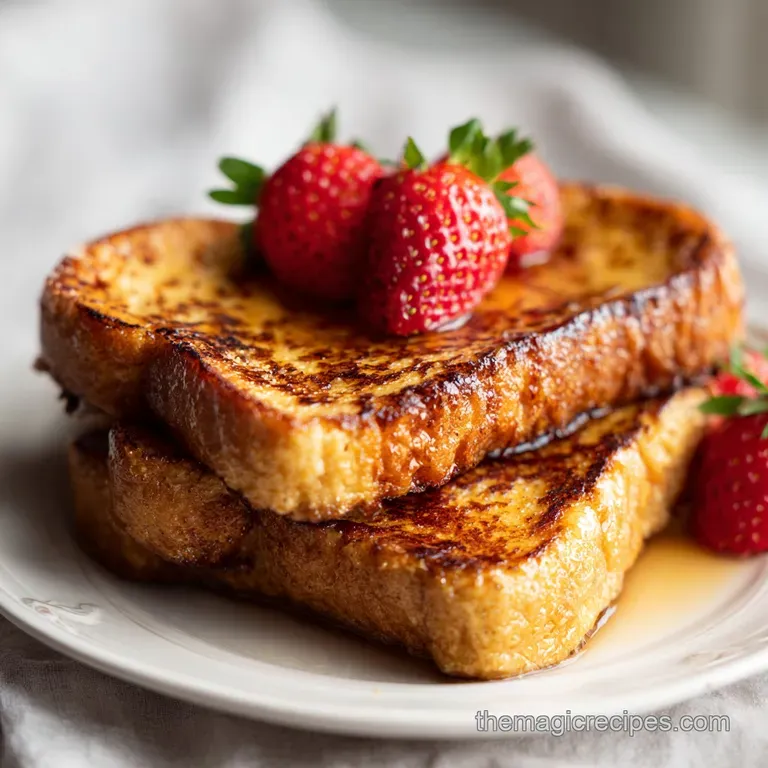
- Flavor/Texture Hook: Silky custard with a shattering, caramelized crust
- Perfect for: Slow Sunday mornings or nourishing family breakfasts
- Creating the Golden Crust on Dairy Free French Toast
- Key Techniques Explained
- Recipe Specs
- Gathering Your Essentials
- Equipment Needed
- How to Make It
- Troubleshooting Guide
- Scaling the Recipe
- Variations & Substitutions
- Myths About French Toast
- Storage & Zero Waste Guide
- Serving Suggestions
- Recipe FAQs
- 📝 Recipe Card
Creating the Golden Crust on dairy-free French Toast
The kitchen on a Sunday morning is usually a chaotic blend of coffee steam and radio chatter, but nothing settles the room quite like the first sizzle of bread hitting a hot pan. I remember the first time I had to pivot away from the classic heavy cream version.
My younger brother had recently gone dairy-free, and I was terrified that his favorite breakfast would turn into a soggy, flavorless mess. I stood there with a carton of oat milk and a prayer, worrying the bread wouldn't get that classic "snap" on the edges.
It turns out that removing the dairy wasn't a sacrifice; it was an upgrade. The way the sugars in the oat milk and maple syrup react with the coconut oil creates a crust that is more vibrant and brown than anything I ever made with whole milk.
It’s that specific aroma warm cinnamon and toasted coconut that now defines our family mornings. You don't need a professional kitchen to get this right; you just need to understand how the bread interacts with the liquid.
We aren't just dipping bread in a bowl here. We are creating a structured emulsion that hydrates the crumb of the bread while sealing the outside. If you’ve ever felt like your breakfast was missing that "oomph" because you skipped the butter, this method will change your mind.
It’s about the contrast between the velvety interior and the crispy, browned surface that makes every bite feel like a treat rather than a dietary restriction.
Key Techniques Explained
Getting that restaurant quality finish requires a bit of focus on how the ingredients behave when they meet heat. This isn't just about mixing things in a bowl; it's about managing moisture and fat to ensure the bread doesn't turn into a sponge.
- Cornstarch Binding: Cornstarch acts as a structural bridge, replacing the heavy proteins found in dairy to prevent the custard from seeping out.
- Fat Emulsification: Whisking the eggs thoroughly breaks down the chalazae, allowing the fats to bond with the plant milk for a smooth finish.
- Controlled Hydration: Limiting the soak time to 20-30 seconds ensures the center is moist but the bread retains enough integrity to flip easily.
- Sugar Caramelization: The maple syrup doesn't just sweeten; it lowers the browning temperature of the crust, creating that iconic golden color.
| Attribute | Fresh Prep Method | The Shortcut Version |
|---|---|---|
| Texture | Shattering exterior, soft core | Soft throughout, lacks snap |
| Flavor | Deep cinnamon and toasted nut | Primarily sweet with less depth |
| Cook Time | 10 minutes (Total) | 6 minutes (High heat) |
When you choose the fresh method, you are prioritizing the "snap" of the crust. The shortcut version often involving high heat and less soak time usually results in a piece of bread that is burnt on the outside and raw in the middle.
Taking those extra few minutes at medium low heat allows the eggs to set all the way through, giving you a texture that feels substantial and nourishing.
The Starch Fat Hybrid
Most people think cornstarch is only for thickening gravy, but in this recipe, it’s the secret to a non soggy center. Without the casein and whey from cow's milk, plant based custards can be a little thin. Adding just a teaspoon of cornstarch creates a "gel" that grips the bread fibers.
This prevents the liquid from pooling in the middle of the slice, which is usually what causes that unappealing, mushy texture.
The Bread Hydration Rule
Bread choice is 90% of the battle. If you use fresh, soft sandwich bread, it will dissolve the second it touches the oat milk. You want bread that feels a little stale or "stiff" to the touch. This allows the liquid to migrate into the air pockets of the bread without collapsing the gluten structure.
Thick cut slices are essential aim for about 1 inch so there is a clear distinction between the crispy outside and the soft, custard like interior.
Recipe Specs
Knowing the numbers helps you plan the perfect morning without any surprises. This recipe is designed for a standard family of four, but it's easily adaptable.
| Component | Science Role | Pro Secret |
|---|---|---|
| Large Eggs | Protein structure | Use room temp for better whisking |
| Oat Milk | Liquid hydration | Choose "Full Fat" or "Barista" versions |
| Cornstarch | Texture stabilizer | Whisk until no white clumps remain |
| Coconut Oil | Heat transfer | Provides a higher smoke point than butter |
Using room temperature eggs is one of those small changes that yields huge results. Cold eggs can cause the melted coconut oil to seize up if you aren't careful, leading to little greasy clumps in your custard. If you're looking for a different breakfast vibe, you might also enjoy the texture of an Overnight French Toast Casserole which uses a similar dairy-free base but bakes it into a rich, pudding like consistency.
Gathering Your Essentials
Each ingredient plays a specific role in ensuring this dish tastes vibrant and feels satisfying. Don't be tempted to swap the oat milk for a thin rice milk, as you'll lose the creamy mouthfeel that makes French toast so iconic.
- 3 large eggs: These provide the "lift" and the structural integrity of the custard. Why this? They act as the primary binder for the entire recipe.
- 1 cup oat milk: I prefer oat because of its natural sweetness and thick consistency. Why this? It mimics the fat content of whole milk better than almond or soy.
- 1 tbsp maple syrup: This provides a rustic sweetness that sugar can't match. Why this? The liquid sugar helps the bread caramelize without burning too quickly.
- 1 tsp vanilla extract: Adds that essential bakery aroma.
- 1 tsp ground cinnamon: For warmth and a classic breakfast flavor profile.
- 1 tsp cornstarch: The "glue" that keeps the crust crisp. Why this? Prevents the "weeping" of liquid from the bread during cooking.
- 8 thick slices dairy-free bread: Challah or a thick brioche style dairy-free loaf works best.
- 2 tbsp coconut oil: Used for searing the bread to a perfect golden brown.
| Original Ingredient | Substitute | Why It Works |
|---|---|---|
| Oat Milk | Coconut Milk (canned) | Similar fat content. Note: Adds a strong coconut flavor to the dish. |
| Maple Syrup | Agave Nectar | Similar viscosity. Note: Sweeter than maple, so use slightly less. |
| Coconut Oil | Avocado Oil | High smoke point. Note: Very neutral flavor; lacks the "buttery" aroma. |
If you are out of maple syrup, you can use honey, though it tends to brown much faster, so you’ll need to watch your pan temperature like a hawk. The bread is the most important variable here.
If you use a thin, pre sliced loaf, reduce your soak time to just 5 seconds per side, or you'll be scraping bread mush off your skillet.
Equipment Needed
You don't need a pantry full of gadgets, but two specific items will make your life much easier. First, a large non stick skillet. A cast iron pan is great for heat retention, but if it isn't perfectly seasoned, the maple syrup in the custard will stick and tear your beautiful crust.
A high-quality non stick pan ensures a clean flip every time.
Second, a shallow wide bowl or a pie plate is better than a deep mixing bowl. You need enough surface area to lay the bread flat so it soaks evenly. If you use a deep bowl, the edges of the bread will get soggy while the middle stays dry.
Finally, a wire cooling rack is a "pro move." Placing the finished slices on a rack for 30 seconds before plating prevents steam from trapped underneath, which would otherwise turn your crispy crust soft.
How to Make It
- In a shallow wide bowl, whisk the 3 large eggs thoroughly until no streaks remain.
- Slowly stream in the oat milk, maple syrup, vanilla extract, ground cinnamon, and cornstarch. Whisk vigorously until the cornstarch is fully dissolved into the emulsion.
- Place two slices of thick cut bread into the mixture. Allow them to soak for 20-30 seconds per side until heavy but not falling apart.
- Heat a large non stick skillet over medium low heat with 1 tablespoon of coconut oil. Note: Medium low is the sweet spot for sugar caramelization.
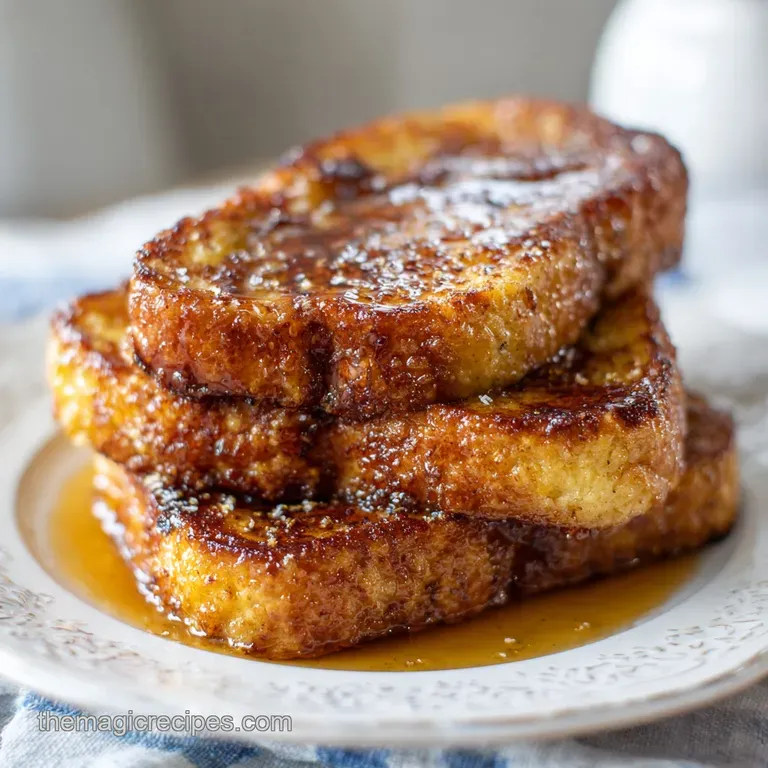
- Place the soaked bread in the pan and cook for 3-4 minutes per side. Maintain medium low heat until the exterior develops a deep, golden brown crust.
- Flip the slices carefully and cook for another 3-4 minutes until the center feels firm and bouncy when pressed.
- Transfer the cooked slices to a wire cooling rack briefly to prevent steaming and maintain the crunch.
- Repeat with the remaining slices, adding the second tablespoon of coconut oil for the second batch.
Chef's Tip: If you are making a large batch, keep the finished slices in a 200°F (95°C) oven on a wire rack. This keeps them warm and actually helps the crust stay even crispier while you finish the rest of the bread.
Troubleshooting Guide
Even the most seasoned cooks hit a snag now and then. The most common issue with this specific dish is managing the heat. Because we are using maple syrup and oat milk, both of which have a fair amount of sugar, the bread can go from "perfect" to "burnt" in about thirty seconds.
Solving the Dreaded Soggy Center
If your French toast looks beautiful on the outside but tastes like raw dough in the middle, your pan was too hot. The outside scorched before the heat could penetrate the center to cook the egg proteins. To fix this, lower the flame and cover the pan with a lid for 60 seconds.
This traps heat and helps "steam bake" the center without burning the crust.
Fixing a Thin or Broken Custard
Sometimes you’ll see the cinnamon and cornstarch floating in clumps on top of the liquid. This happens if the liquids are too cold or if the cornstarch wasn't whisked into the syrup first. If this happens, don't worry. Just pour the mixture through a fine mesh strainer and whisk it again.
Ensuring a smooth emulsion is the only way to get an even coat on the bread.
| Problem | Root Cause | Solution |
|---|---|---|
| Bread Falling Apart | Over soaking or too soft bread | Reduce soak to 10 seconds; use stale bread. |
| Bitter/Burnt Taste | Pan temperature too high | Wipe pan, lower heat, add fresh oil. |
| Cinnamon Clumping | Uneven whisking | Whisk cinnamon with syrup before adding milk. |
Common Mistakes Checklist
- ✓ Always use bread that is at least a day old to prevent it from turning into mush.
- ✓ Whisk the cornstarch into the maple syrup first to create a slurry before adding the milk.
- ✓ Preheat your pan for at least 3 minutes; a cold pan will lead to "greasy" bread.
- ✓ Don't crowd the pan - only cook two slices at a time so the temperature stays consistent.
- ✓ Resist the urge to press down on the bread with your spatula; it squeezes out the custard.
Scaling the Recipe
If you are cooking for a crowd, you can easily double this recipe. However, don't just double everything blindly. When doubling the spices like cinnamon and vanilla, I usually only go to 1.5x the original amount. Spices can become overpowering in large volumes. For the liquids and eggs, a 2x scale works perfectly.
If you are cooking for just one or two, you can halve the recipe easily. Use 2 small eggs or one extra large egg. Since you're working with smaller quantities, use a smaller skillet to prevent the oil from spreading too thin and burning. If you find yourself with extra custard, don't throw it out! It makes a fantastic base for a quick bread pudding or can even be used to make a French Toast Casserole the next morning.
Variations & Substitutions
The beauty of this base is that it's a blank canvas for different dietary needs and flavor profiles. You can transform the entire vibe of the meal just by changing the bread or adding a few pantry staples to the custard.
Vegan French Toast Recipe (Egg Free)
To make this entirely vegan, replace the 3 eggs with a "flax egg" (3 tbsp ground flax mixed with 9 tbsp water) or 1/2 cup of unsweetened applesauce. Note: The texture will be softer and less "bouncy" than the egg version, so you’ll want to cook it slightly longer on a lower heat to ensure it sets.
gluten-free dairy-free French Toast
This is a double win for many of my friends. Use a sturdy gluten-free bread, like a seeded loaf or a GF brioche. gluten-free bread is often quite dry, which is actually an advantage here. It can handle a longer soak (up to 45 seconds per side) without falling apart.
Just make sure your cornstarch is certified gluten-free.
Healthy dairy-free Breakfast Recipes Twist
For a more nutrient dense version, swap the white bread for a thick cut sprouted grain bread. You can also replace the maple syrup in the custard with a mashed ripe banana. This adds natural sweetness and potassium, though it will give the French toast a slightly "pancake like" aroma. If you love a savory contrast, try serving this with a side of Country Gravy made with almond milk for a unique "biscuits and gravy" inspired breakfast.
| Variation | Ingredient Change | Resulting Texture |
|---|---|---|
| Nutty | Add 1 tbsp Almond Butter | Richer, denser custard with a toasted flavor. |
| Zesty | Add 1 tsp Orange Zest | Bright, floral notes that cut through the fat. |
| Chocolate | Add 1 tbsp Cocoa Powder | Deep, earthy flavor; best served with berries. |
Myths About French Toast
One common misconception is that "the longer you soak the bread, the better." This is actually a recipe for disaster. Over soaking breaks down the starches in the bread to the point where they can no longer hold the weight of the liquid. 20-30 seconds is the "sweet spot" for thick bread.
If you go longer, you're making bread soup, not French toast.
Another myth is that you must use butter for flavor. While butter is classic, coconut oil actually provides a much better "crunch" because it has a higher smoke point and contains medium chain triglycerides that crisp up beautifully.
The flavor isn't "missing" anything; the coconut oil simply highlights the cinnamon and vanilla rather than masking them with dairy fat.
Storage & Zero Waste Guide
If you have leftovers, they actually store surprisingly well. Wrap the cooled slices in parchment paper and keep them in an airtight container in the fridge for up to 3 days. To reheat, avoid the microwave it will make the bread rubbery.
Instead, pop them in a toaster or a 350°F (180°C) oven for 5 minutes until the edges are crispy again.
For long term storage, you can freeze the cooked slices for up to 2 months. Freeze them in a single layer on a baking sheet first, then transfer to a freezer bag. This prevents them from sticking together. You can even reheat them directly from frozen in a standard toaster!
To minimize waste, save the crusts if you trimmed them off. You can toss them in a little cinnamon sugar and fry them up as "French toast fries." Any leftover custard can be whisked with a little more flour to make a few quick crepes. Never let those delicious ingredients go to waste!
Serving Suggestions
Presentation is where the "vibrant and nourishing" theme really comes to life. I love topping these golden slices with a mountain of fresh raspberries and a dusting of powdered sugar. The tartness of the berries cuts through the richness of the coconut oil perfectly.
If you want to go the extra mile, a drizzle of warm maple syrup and a sprinkle of toasted pecans adds a satisfying crunch. For a more filling meal, serve it alongside some sliced avocado or a dollop of coconut yogurt.
The contrast between the warm, spiced bread and the cool, creamy yogurt is exactly what a slow morning needs. It’s a meal that feels like a celebration, even if the only "occasion" is that you made it to the weekend.

Recipe FAQs
What can I use instead of milk for French toast?
Oat milk is the best dairy-free alternative. It provides a neutral flavor and a creamy texture that mimics traditional dairy perfectly.
Is there a dairy-free French toast?
Yes, it is simple to make dairy-free. By substituting oat milk for dairy milk and using coconut oil instead of butter, you achieve the same flavor and texture profile.
What can I use instead of butter for French toast?
Use coconut oil for frying. It handles the medium low heat requirements well and helps create a Crispy Exterior recipe without dairy.
What can I use instead of cream in French toast?
Stick with the oat milk and cornstarch blend. The cornstarch acts as a thickener, creating a rich custard consistency that replaces the need for heavy cream.
Why is my French toast burning on the outside before the center is done?
Your heat is likely too high. Maintain a consistent medium low heat throughout the 3-4 minute cook time per side to ensure the custard sets through to the center before the sugars in the maple syrup and oat milk darken.
How to keep the bread from becoming soggy?
Soak the bread for exactly 20-30 seconds per side. Anything longer can lead to a mushy texture; after cooking, transfer the slices to a wire cooling rack to prevent residual steam from softening the crust.
How to reheat leftover French toast?
Use a toaster or an oven set to 350°F. Avoid the microwave, as it will make the bread rubbery instead of crisping the edges back up during the 5-minute reheating process.
dairy-free French Toast
Ingredients:
Instructions:
Nutrition Facts:
| Calories | 218 kcal |
|---|---|
| Protein | 8.6 g |
| Fat | 8.9 g |
| Carbs | 27.4 g |
| Fiber | 2.1 g |
| Sugar | 7.2 g |
| Sodium | 285 mg |
