Dessert Bread for Breakfast with Cinnamon: Velvety

- Time: 10 min active + 55 min baking = Total 1 hour 15 mins
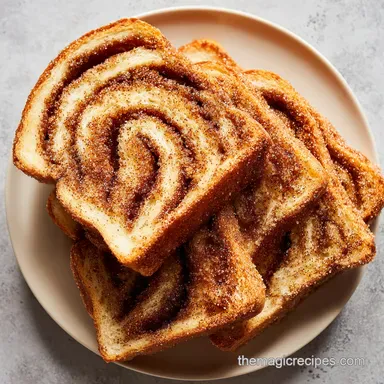
- Flavor/Texture Hook: Fragrant cinnamon ripples with a pillowy, moist center
- Perfect for: Lazy Sunday brunches or a decadent treat for guests
- Dessert Bread Recipe for Breakfast with Cinnamon
- Why This Loaf Hits Different
- Your Pantry Essentials
- Tools for the Job
- Step by Step Baking
- Common Mistakes and Fixes
- Troubleshooting Common Issues
- Swaps for Different Tastes
- Scaling Your Loaf
- Bread Myths Debunked
- Storage and Waste Tips
- Serving Your Cinnamon Loaf
- Recipe FAQs
- 📝 Recipe Card
Dessert Bread Recipe for Breakfast with Cinnamon
The air in the kitchen transforms the second that cinnamon hits the oven heat. It's that warm, woody scent that feels like a hug for your brain, reminding me of those slow Saturday mornings at my grandma's place in the Midwest.
She had this way of making a simple loaf feel like a grand event, where the whole house smelled like a bakery before the sun was even fully up. It wasn't just about the food, but the way the aroma woke everyone up, drawing us into the kitchen with promises of something sweet and warm.
This is the perfect Dessert Bread Recipe for Breakfast with Cinnamon. I remember the first time I tried to recreate it, I accidentally mixed the batter too much and ended up with a loaf that felt more like a rubber ball than a breakfast treat.
I learned the hard way that the beauty of a quick bread is in the "rough" mix. You want those little lumps of flour to remain until the very last second, which is what gives the final product that light, airy texture.
When you bake this, you're not just making a snack, you're creating a centerpiece. The contrast between the golden, slightly crisp exterior and the soft, cinnamon streaked interior is what makes it special.
It's designed to be indulgent, something that feels like a splurge but comes together without needing a stand mixer or hours of kneading. Trust me on this, the smell alone is half the experience.
Why This Loaf Hits Different
I've always wondered why some cinnamon breads feel like bricks while others feel like clouds. After a lot of trial and error in my own kitchen, I realized it all comes down to how the ingredients interact. It's not magic, just a few clever tricks that keep the bread from becoming too dense.
The Buttermilk Lift: The lactic acid in buttermilk reacts with the baking soda to create immediate carbon dioxide bubbles. This is what makes the loaf rise quickly and gives it that tender, velvety crumb.
Oil for Moisture: Unlike butter, which can make a bread feel firm once it cools, vegetable oil stays liquid. This ensures every slice feels moist and decadent, even the next day.
Sugar's Role: The granulated sugar doesn't just sweeten the bread, it actually interferes with gluten development. This prevents the bread from getting too chewy, keeping it in that sweet spot between a cake and a traditional loaf.
Cinnamon Suspension: By layering the cinnamon sugar mixture in the middle rather than mixing it in, we prevent the cinnamon from absorbing all the moisture from the batter. This keeps the swirl distinct and prevents the "muddy" look.
Since this is a quick bread, you don't have to worry about yeast or proofing. If you're curious about how different flours affect the structure, King Arthur Baking has some great deep dives on protein content.
| Method | Texture | Time | Best For |
|---|---|---|---|
| Quick Bread (This) | Pillowy & Moist | 1 hour 15 mins | Easy mornings |
| Yeast Bread | Chewy & Airy | 4+ hours | Traditional toast |
| Cake style | Dense & Crumbly | 2 hours | Dessert parties |
You'll notice that the quick bread method is significantly faster, making it the go to for when you want that bakery quality feel without the overnight commitment.
Your Pantry Essentials
When gathering your ingredients, the most important thing is temperature. I can't stress this enough: get your eggs and buttermilk to room temperature before you start. If you pour cold buttermilk into your oil and eggs, the fat can seize, and you'll end up with a broken batter that doesn't rise evenly.
For the Cinnamon Swirl
- 1/2 cup (100g) granulated sugar Why this? Provides the grit for the swirl texture
- 1 tbsp (8g) ground cinnamon Why this? high-quality cinnamon adds that woody warmth
- 1 pinch (1g) salt Why this? Balances the sugar so it's not cloying
For the Quick Bread Batter
- 2 cups (250g) all purpose flour Why this? Standard protein level for a soft crumb
- 3/4 cup (150g) granulated sugar Why this? Sweetens the base and keeps it moist
- 1 tbsp (12g) baking powder Why this? Primary lift for the loaf
- 1/2 tsp (3g) baking soda Why this? Works with buttermilk for extra fluff
- 1/2 tsp (3g) salt Why this? Enhances all the other flavors
- 1 cup (240ml) buttermilk, room temperature Why this? Adds tang and tenderizes the gluten
- 2 large eggs, room temperature Why this? Provides structure and richness
- 1/2 cup (120ml) vegetable oil Why this? Ensures a long lasting moist texture
- 1 tsp (5ml) vanilla extract Why this? Adds a floral depth to the cinnamon
For the Finishing Glaze
- 1 cup (120g) powdered sugar Why this? Dissolves quickly for a smooth finish
- 2 tbsp (30ml) milk Why this? Thins the glaze to a drizzle consistency
- 1/2 tsp (2.5ml) vanilla extract Why this? Ties the glaze to the bread flavor
Tools for the Job
You don't need a fancy kitchen to pull this off, but a few specific tools make the process a lot smoother. I usually use a standard 9x5 inch loaf pan. If you have a glass one, just be careful with the oven temperature, as glass can sometimes hold heat longer and brown the bottom too quickly.
Parchment paper is a non negotiable for me. I've had too many loaves stick to the pan, and there's nothing more heartbreaking than a cinnamon swirl that stays behind in the pan. Lining the pan gives you a "sling" to lift the bread out easily.
For mixing, a large bowl and a silicone spatula are your best friends. Avoid using an electric mixer for the final combining stage. Over beating the batter develops too much gluten, which turns your pillowy bread into something resembling a bagel.
Step by step Baking
Right then, let's get into the actual making. Follow these steps closely, and pay attention to the smell. The aroma is your best indicator of when the bread is transitioning from "raw" to "perfect."
- Preheat your oven to 350°F (175°C). Grease your 9x5 inch loaf pan and line it with parchment paper, leaving a bit of overhang on the sides.
- In a small bowl, whisk together the 100g sugar, ground cinnamon, and 1g salt. Whisk until the color is uniform and no lumps of cinnamon remain.
- In a large bowl, whisk together the flour, 150g sugar, baking powder, baking soda, and 3g salt. Note: This ensures the leavening agents are evenly distributed so you don't get weird holes in your bread.
- In a medium bowl, beat together the eggs, buttermilk, vegetable oil, and 5ml vanilla extract. Beat until the mixture is a pale, consistent yellow.
- Pour the wet ingredients into the dry ingredients. Use a spatula to stir until just combined. Stop the moment you see no more streaks of dry flour.Note: If you overmix here, the bread will be tough.
- Pour half of the batter into the prepared pan. Sprinkle the cinnamon sugar mixture evenly over the top. Pour the remaining batter over the sugar layer, covering it completely.
- Use a butter knife or a skewer to gently swirl the batter in a figure eight motion. Do not over swirl, or you'll just mix the cinnamon into the batter instead of creating ripples.
- Bake for 50–55 minutes. Wait for the aroma to fill the room, then insert a toothpick into the center. It should come out clean or with just a few moist crumbs.
- Let the loaf cool in the pan for 10 minutes. This lets the structure set so it doesn't crumble when you lift it. Transfer it to a wire rack.
- Whisk the powdered sugar, milk, and 2.5ml vanilla extract until smooth. Drizzle it over the loaf while it's still slightly warm. The glaze should run down the sides in thick, velvety ribbons.
| Original Ingredient | Substitute | Why It Works |
|---|---|---|
| Buttermilk (1 cup) | Plain Yogurt + 1 tbsp Lemon Juice | Similar acidity and thickness. Note: Slightly tangier than buttermilk |
| Vegetable Oil (1/2 cup) | Melted Unsalted Butter | Adds a richer, nuttier flavor. Note: Results in a denser crumb |
| All Purpose Flour | White Whole Wheat Flour | Adds a nutty taste. Note: Use 10% more liquid to prevent dryness |
| Powdered Sugar | Maple Syrup (for glaze) | Natural sweetener. Note: Glaze will be thinner and more translucent |
Common Mistakes and Fixes

Even the best of us mess up. I once made this and forgot the baking soda, and the result was a very sweet, very flat cinnamon pancake. The key is to be mindful of the "sink" and the "sear."
Troubleshooting Common Issues
| Issue | Solution |
|---|---|
| Why Your Bread Sank | If the center of your loaf dipped in the middle, it's usually because of over mixing or too much sugar. Over mixing creates air bubbles that grow too fast and then collapse. Also, if the cinnamon suga |
| Why the Edges Burnt | This usually happens if your oven runs hot or if the pan is too close to the heating element. If you see the edges getting dark brown but the center is still jiggly, tent the top with aluminum foil fo |
| Why the Swirl Disappeared | This is the result of "over swirling." If you move the knife too many times, the cinnamon sugar blends into the batter. The figure eight motion should be done quickly, just 3 or 4 passes is plenty to c |
Common Mistakes Checklist:
- ✓ Did you use room temperature buttermilk? (Cold liquid prevents proper rising)
- ✓ Did you stop stirring the moment the flour vanished? (Avoids toughness)
- ✓ Did you use a figure eight motion for the swirl? (Prevents blending)
- ✓ Did you let the bread cool for 10 mins before moving it? (Prevents crumbling)
- ✓ Did you line the pan with parchment? (Ensures a clean release)
Swaps for Different Tastes
While the classic version is a hit, I love playing around with the flavor profile. If you're feeling a bit more adventurous, you can easily pivot this into something different. For instance, if you want a more autumnal vibe, adding a pinch of nutmeg or ground cloves to the cinnamon swirl adds a professional depth.
If you're looking for a more indulgent experience, you can replace the simple glaze with something richer. I've found that drizzling brown butter salted caramel sauce over a warm slice turns this from a breakfast bread into a full blown dessert.
For those who want a slightly different texture, you can fold in half a cup of chopped pecans or walnuts into the batter. This adds a salty crunch that cuts through the sweetness. If you're avoiding dairy, you can use an almond milk-based buttermilk substitute (soy milk with a splash of apple cider vinegar works well).
Making it a Healthy Dessert Bread
To make a slightly lighter version, you can swap the vegetable oil for unsweetened applesauce. Just be aware that the texture will be more "cake like" and less "velvety." You can also replace half of the all purpose flour with oat flour for added fiber, though the loaf will be denser.
Adding Maple Notes
Substitute the vanilla extract in the glaze with real maple syrup. This pairs beautifully with the cinnamon and gives the bread a cozy, woodland flavor. I usually add a tiny pinch of salt to the glaze in this version to balance the maple sweetness.
Scaling Your Loaf
Sometimes a single loaf isn't enough, especially if you're hosting a brunch. But scaling baking isn't always as simple as doubling the numbers.
Scaling Down (1/2 Batch): If you're baking for just yourself, use a smaller 6 inch pan. You'll need to beat one egg and use exactly half of it by weight or volume. Reduce the baking time by about 20%, but start checking the center at 40 minutes.
Scaling Up (2x Batch): When doubling the recipe, don't just double the baking powder and soda, increase them by only 1.5x to avoid a metallic taste. Use two separate 9x5 inch pans rather than one giant pan.
If you must use a larger pan, lower the oven temperature by 25°F (to 325°F) and extend the baking time by 10-15 minutes to ensure the center cooks through without burning the outside.
Wait a few minutes between mixing your batches if you're working in a hot kitchen. If the batter sits too long while the oven preheats, the baking soda will lose its potency, and your lift will be diminished.
Bread Myths Debunked
There are a lot of old wives' tales in baking that I used to believe. Let's clear a few of them up so you can bake with confidence.
Myth: Sifting flour is mandatory for quick breads. Truth: While sifting is great for sponge cakes, for a cinnamon loaf, it's not necessary. A good whisking of the dry ingredients is enough to break up clumps and incorporate the baking powder.
Myth: You must use a stand mixer for a smooth batter. Truth: Actually, a stand mixer is often the enemy of quick bread. It's too easy to overwork the gluten. A simple spatula and a bowl are the best tools for maintaining that pillowy texture.
Myth: Adding more sugar makes the bread rise higher. Truth: Too much sugar can actually weigh down the batter and cause the center to collapse. Stick to the measured amounts to ensure the structural integrity of the loaf.
Storage and Waste Tips
Once your loaf is cooled and glazed, you want to keep that moisture locked in. I recommend storing the bread in an airtight container or wrapping it tightly in plastic wrap. It will stay fresh at room temperature for about 2 days, but for the best experience, keep it in the fridge for up to 5 days.
Reheating for that "Fresh" Feel: When you take a slice from the fridge, don't eat it cold. Pop it in the toaster for 1-2 minutes or microwave it for 15 seconds. This softens the fats and reactivates the cinnamon aroma, making it feel like it just came out of the oven.
Freezing for Later: This bread freezes beautifully. Slice the loaf first, then place parchment paper between each slice. Store them in a freezer safe bag for up to 3 months. You can toast the slices directly from the freezer.
Zero Waste Tips: If you have the "ends" of the loaf that no one wants, don't toss them. Cube them up and sauté them in a pan with a bit of butter until they're crispy. They make an incredible topping for yogurt or can be used in a cinnamon apple bread pudding.
Serving Your Cinnamon Loaf
The way you serve this bread can change the whole vibe of the meal. For a casual breakfast, a thick slice toasted with a pat of salted butter is unbeatable. The butter melts into the cinnamon swirls, creating a rich, salty sweet combination.
For a more formal brunch, serve the slices alongside fresh berries and a dollop of whipped cream. The acidity of the berries cuts through the decadence of the bread. If you're looking for another comforting treat to serve alongside it, my homemade cinnamon rolls are a great companion for a full on cinnamon feast.
The Brunch Pairing: Pair this bread with a strong, dark roast coffee or a spicy chai tea. The bitterness of the coffee complements the sweetness of the glaze, while the spices in the chai echo the warmth of the cinnamon.
The Dessert Twist: Turn a slice into a dessert by searing it in a pan with butter and topping it with a scoop of vanilla bean ice cream. The heat from the bread slightly melts the ice cream, creating a creamy sauce that seeps into the cinnamon ripples.
Right then, you've got everything you need to bring that bakery quality aroma into your own home. This Dessert Bread Recipe for Breakfast with Cinnamon is all about the simple joys, the scent of the oven, the swirl of the sugar, and the first warm bite of a pillowy slice. Happy baking!
Recipe FAQs
Can I make my own powdered sugar for the glaze?
Yes, you can easily make it at home. If you have run out, you can create a velvety dust in minutes using a blender and granulated sugar.
How to get a perfect cinnamon swirl?
Pour half the batter into the pan, sprinkle the cinnamon-sugar, and add the remaining batter. Gently drag a butter knife or skewer through the layers in a figure-eight motion to create the pattern.
Why did my dessert bread not rise and come out flat?
You likely forgot the baking soda or used expired leavening agents. Baking soda is critical for the lift; without it, the result is a dense, flat loaf.
Is it true that mixing the batter until completely smooth produces a better texture?
No, this is a common misconception. Overmixing develops too much gluten, which makes the bread tough instead of tender.
How to know if the loaf is finished baking?
Insert a toothpick into the center of the bread. It is ready when the toothpick comes out clean after baking at 350°F for 50–55 minutes.
Can I keep this bread on the counter?
Yes, for up to 2 days. Store it in an airtight container or wrap it tightly in plastic wrap to prevent the moisture from escaping.
Should the buttermilk and eggs be room temperature?
Yes, this ensures a stable emulsion. Room temperature ingredients combine more effectively, preventing the batter from curdling or separating.
Cinnamon Dessert Bread for 8 Slices