Christmas Eve Dinner Idea with Herb-Roasted Beef
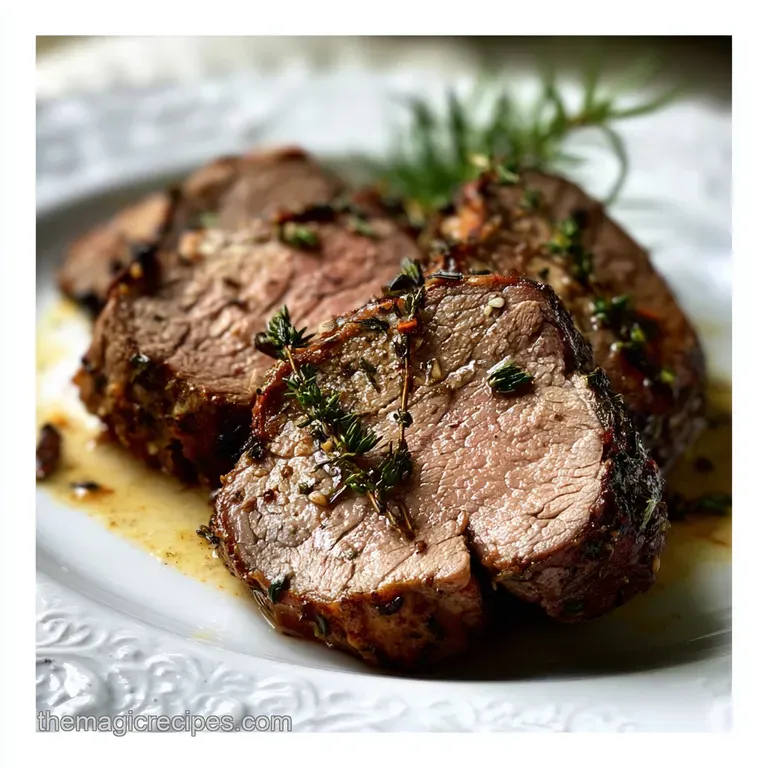
- Time: Active 20 mins, Passive 45 mins, Total 1 hour 5 mins
- Flavor/Texture Hook: Velvety herb butter meets a salty, crackling crust.
- Perfect for: Stress free holiday hosting or a high impact family meal.
- Christmas Eve Dinner Idea with Herb Roasted Beef
- Proven Science Behind the Sear
- Critical Preparation and Timing Metrics
- Ingredient Selection and Budget Swaps
- Necessary Gear for Success
- Mastering the Roasting Process
- Solving Common Beef Texture Issues
- Customizing Your Flavor Profile
- Maximizing Leftovers and Freshness
- Perfect Pairings and Presentation
- Very High in Sodium
- Recipe FAQs
- 📝 Recipe Card
Christmas Eve Dinner Idea with Herb Roasted Beef
Imagine the kitchen filling with the scent of rosemary and toasted garlic while a heavy cast iron pan lets out a rhythmic hiss on the stove. This Christmas Eve dinner idea features a standout herb roasted beef recipe for a memorable holiday meal.
I've spent years over complicating holiday roasts, trying to find that "secret" method, but I finally realized that simplicity and temperature control win every single time.
You don't need fancy equipment or a professional culinary degree to get this right. We are going to treat this 2.04 kg (4.5 lb) center cut tenderloin with the respect it deserves, using a hard sear to lock in the savory notes and a low moisture herb rub to build a crust that actually has some "shatter" to it.
It is functional, fast, and honestly, it works better than any 4 hour slow roast I've ever attempted.
Right then, let's talk about the reality of cooking a big piece of meat when you have guests arriving. We want a recipe that allows us to actually talk to people, not one that keeps us chained to the oven door with a flashlight.
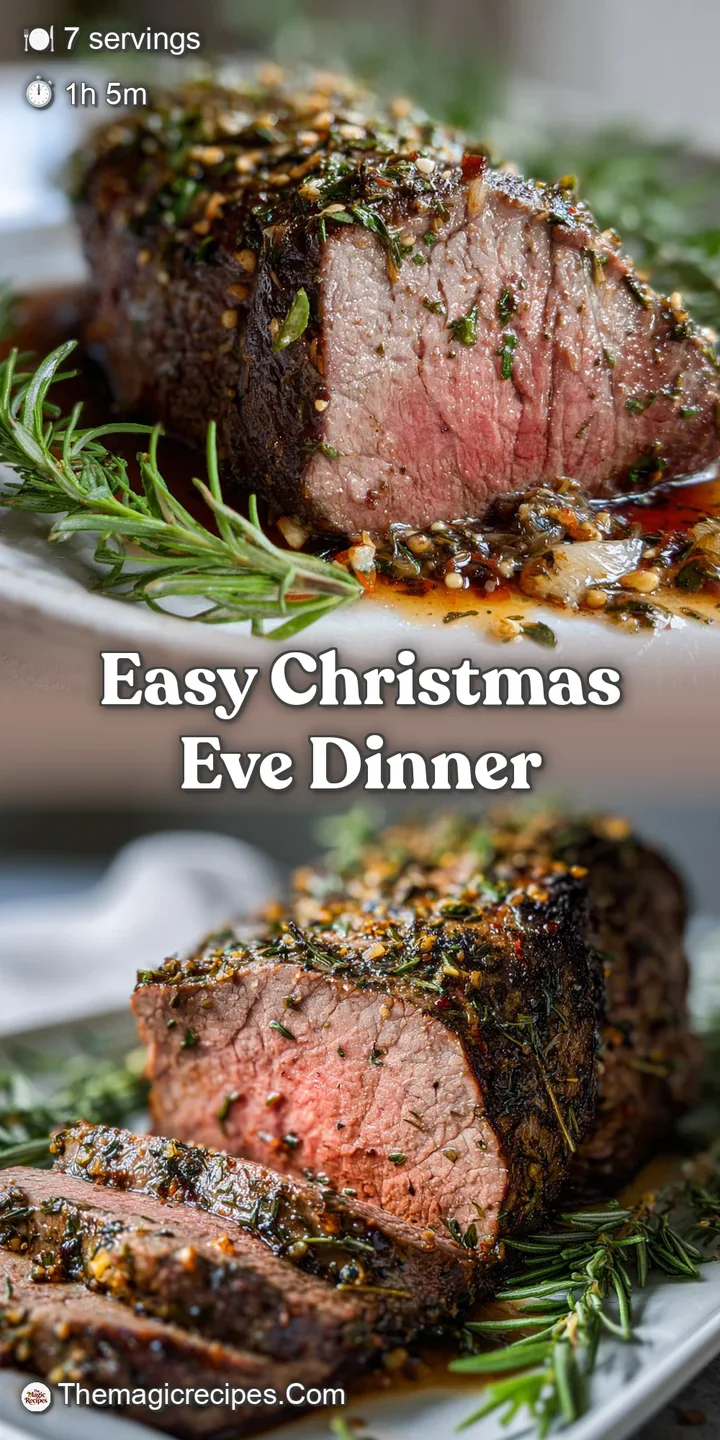
This method is all about building flavor in layers, starting with a heavy seasoning and ending with a rested, silky slice of beef that practically melts. Trust me on this, once you see how that herb butter forms a mahogany colored crust, you'll never go back to the old ways.
Proven Science Behind the Sear
To get that deep, savory crust, we rely on a few fundamental principles of thermodynamics that make the beef taste better than just "cooked meat."
- Maillard Reaction: High heat triggers a chemical reaction between amino acids and reducing sugars, creating hundreds of new flavor compounds.
- Protein Denaturation: Gradual heating uncoils the protein strands, allowing them to gently firm up without squeezing out all the moisture.
- Carryover Cooking: Internal energy continues to move toward the center of the meat even after it leaves the oven, raising the temperature by about 5°C.
- Surface Dehydration: Salting early draws moisture out and then reabsorbs it, creating a dry surface that browns faster and more deeply.
| Method | Total Time | Crust Texture | Best For |
|---|---|---|---|
| Traditional Slow Roast | 3 hours + | Soft / Herbaceous | Large, tough cuts like brisket |
| Reverse Sear | 2 hours 30 mins | Uniform / Thin | Thick cut ribeyes |
| Fast Sear & Roast (This) | 1 hour 5 mins | Shatter crisp / Bold | Tenderloin and busy evenings |
This specific approach is all about efficiency without sacrificing the sensory experience. While some purists argue for the slow and low approach, the tenderloin is already naturally soft. We don't need to break down tough connective tissue, so we can focus entirely on developing that outer crust and hitting a precise medium rare finish. If you find yourself planning a bigger celebration later in the week, this same logic applies to a New Years Dinner recipe where timing is everything.
Critical Preparation and Timing Metrics
For a roast of this size, you can't just "eye it" and hope for the best. Precision is what separates a dry roast from a velvety one, so keep these three numeric checkpoints in mind as you work through the steps.
| Ingredient | Science Role | Pro Secret |
|---|---|---|
| Beef Tenderloin | Primary Protein | Pat it bone dry with paper towels to ensure the sear doesn't steam the meat. |
| Unsalted Butter | Fat & Emulsifier | Soften it just enough to hold the herbs, but don't melt it, or it will run off. |
| Kosher Salt | Moisture Control | Use a coarse grain; it provides better coverage and a crunchy texture in the crust. |
Setting yourself up for success means checking your weight and temperatures. For a 2.04 kg roast, we are looking for a weight to heat ratio that allows the middle to stay cool while the outside gets that dark, roasted color.
I once made the mistake of using a roast that was still slightly frozen in the center, and let me tell you, the outside was burnt before the inside even hit 40°C. Ensure your meat is at room temperature for at least 45 minutes before you even think about turning on the burner.
Ingredient Selection and Budget Swaps
Since we are working with a 2.04 kg (4.5 lb) center cut beef tenderloin, we want to maximize every gram. This is a premium cut, but we can balance the budget with smart choices on the supporting cast of ingredients.
- 2.04 kg Beef Tenderloin: Center cut is best for even cooking. Why this? It has the least waste and zero tough silver skin.
- 34 g Kosher Salt: This provides the essential mineral punch. Why this? Coarse flakes stick better to the meat surface than table salt.
- 1 tbsp Cracked Black Peppercorns: Coarsely cracked is vital for texture.
- 115 g Unsalted Butter: Use high-quality butter if you can.
- 6 Garlic Cloves: Smashed into a paste for the rub.
- Fresh Rosemary, Thyme, Parsley: Minced fine (see Schema for specific amounts).
- 2 Large Shallots: Halved to aromatically steam the pan.
- 15 ml Neutral Oil: Something with a high smoke point like grapeseed or avocado.
| Original Ingredient | Substitute | Why It Works |
|---|---|---|
| Beef Tenderloin | Eye of Round | Much cheaper. Note: Leaner and tougher; must be sliced paper thin. |
| Fresh Herbs | Dried Herbs (1:3 ratio) | Saves money. Note: Less vibrant green, use 1 tsp dried for every 1 tbsp fresh. |
| Unsalted Butter | Ghee / Clarified Butter | High smoke point. Note: Richer flavor, doesn't burn as easily during the sear. |
I've found that using a mix of fresh and dried herbs can actually be a smart budget move if your local store is charging a fortune for fresh bundles. Just remember that dried herbs are more concentrated, so don't overdo it. If you have leftover herbs, they go brilliantly in a Christmas Vegetable Side recipe to tie the whole meal together. It's all about making those ingredients work double duty.
Necessary Gear for Success
You don't need a kitchen full of gadgets, but two things are non negotiable: a heavy bottomed pan and a reliable meat thermometer. I prefer a large cast iron skillet because it holds heat like a beast, which is exactly what we need for that initial sear.
Chef Tip: If you don't have a roasting rack, use the halved shallots and extra rosemary sprigs to create a "natural" rack at the bottom of the pan. This keeps the beef from sitting in its own juices and getting a soggy bottom.
A heavy roasting pan or a large oven safe skillet (30 cm) is functional for both the stovetop and the oven. You will also need kitchen twine. Tying the roast every 3-4 cm ensures it stays in a uniform cylinder shape. Without the twine, the thinner ends will overcook before the middle is even warm.
It's a 2 minute task that makes a massive difference in the final result.
Mastering the Roasting Process
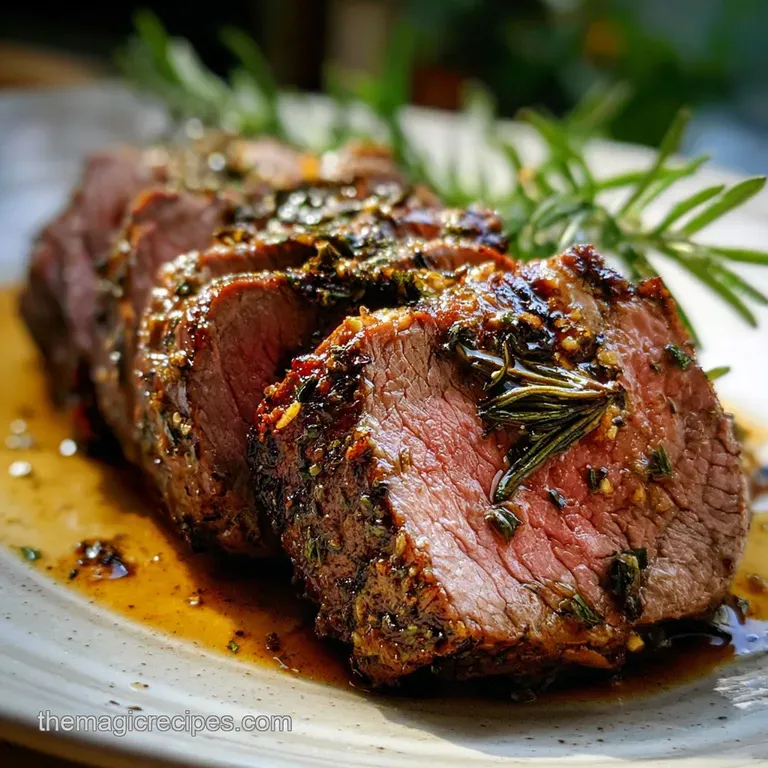
- Prep the beef. Remove the 2.04 kg tenderloin from the fridge and pat it completely dry with paper towels. Note: Moisture is the enemy of a good sear.
- Season heavily. Rub the 34 g of salt and the peppercorns all over the meat, pressing them into the flesh.
- Truss the meat. Tie the tenderloin with kitchen twine at 3 cm intervals until it looks like a uniform cylinder.
- Make the herb butter. Mix the 115 g of softened butter with the garlic paste, minced rosemary, thyme, and parsley.
- Sear the exterior. Heat 15 ml of oil in a skillet over high heat until the oil is shimmering and just starting to smoke.
- Brown all sides. Sear the beef for about 2-3 minutes per side until a dark, mahogany crust forms.
- Apply the rub. Remove the pan from heat and carefully slather the herb butter all over the top of the seared beef.
- Add aromatics. Throw the halved shallots and rosemary sprigs into the pan around the meat.
- Roast the beef. Place the pan in a 200°C oven for 25-30 mins until the internal temperature hits 52°C for medium rare.
- Rest the meat. Move the beef to a carving board and let it sit for 15 minutes until the juices settle and the temp rises to 57°C.
The resting phase is arguably the most important step. If you cut into that beef immediately, the juices will flood the board and leave you with a gray, dry dinner. Give it time to relax.
While the meat rests, you can use the pan drippings and those roasted shallots to make a quick pan sauce or just spoon them over your sides. The smell of the butter browning in the oven alongside the garlic is honestly one of the best parts of the whole process.
Solving Common Beef Texture Issues
Beef tenderloin is an expensive investment, so the pressure to get the texture right is real. Most issues stem from temperature control rather than the meat itself.
The "Cold Center" Issue
If your roast is perfectly browned on the outside but basically raw in the middle, you likely didn't let the meat temper before cooking. Cold muscle fibers resist heat. Always pull the beef out of the fridge at least 45-60 minutes before it hits the pan.
A Soggy Bottom
If the underside of your roast is gray and wet, it's been sitting in the rendered fat and juices. Using a rack or a bed of aromatics (the "natural rack" mentioned earlier) lifts the meat and allows hot air to circulate underneath, keeping that crust intact all the way around.
| Problem | Root Cause | Solution |
|---|---|---|
| Tough/Chewy Meat | Overcooked | Pull the meat at 52°C; carryover heat does the rest of the work. |
| Burned Herbs | Herbs added too early | Sear the beef before applying the butter herb rub to prevent charring. |
| Juices Leaking | No resting time | Wait at least 15 mins before slicing to allow fibers to reabsorb liquid. |
Common Mistakes Checklist: ✓ Forgot to pat the beef dry (leads to steaming instead of searing). ✓ Used a cold pan (the meat won't brown, it will just stick). ✓ Didn't use kitchen twine (the roast will cook unevenly).
✓ Cut the meat against the grain too thickly (aim for 1.5 cm slices). ✓ Used a blunt knife (you'll tear the beautiful crust we worked so hard on).
Customizing Your Flavor Profile
Once you have the base technique down, you can swap out the herbs to fit whatever else you are serving. If you want something with more of a kick, adding 1 tbsp of horseradish to the butter rub provides a sharp contrast to the rich fat.
The Horseradish Twist
Fold 15 g of prepared horseradish into your herb butter. The heat of the horseradish mellows out in the oven, leaving a savory, zingy depth that pairs perfectly with the beef. It is a functional way to add "gourmet" flavor without extra steps.
The dairy-free Swap
If you are avoiding butter, you can use a high-quality olive oil or avocado oil instead. The crust won't be as "velvety," but it will be incredibly crispy. Mix the garlic and herbs directly into the oil and brush it on after the sear. It still creates a beautiful mahogany finish.
Decision Shortcut:If you want a classic French vibe, use only thyme and add a splash of red wine to the pan while roasting. If you want a rustic feel, use a lot of cracked peppercorns and extra garlic.
If you want a lighter finish, serve with a squeeze of fresh lemon juice right before eating.
Maximizing Leftovers and Freshness
Storage is simple. Wrap any leftover roast tightly in foil or place it in an airtight container. It will stay fresh in the fridge for up to 3 days. For the best texture, don't microwave it! Reheat slices gently in a pan with a little butter or beef broth on low heat just until warmed through.
For zero waste cooking, save those shallots and rosemary sprigs from the pan! You can blend the roasted shallots into a compound butter for toast the next morning, or toss the rosemary sprigs into a stock pot.
If you have beef scraps or "tails" that are too small to serve, they make the absolute best steak sandwiches the next day. Thinly slice the cold beef, pile it onto a baguette with some of that leftover herb butter, and you have a lunch that's arguably as good as the Christmas dinner itself.
Perfect Pairings and Presentation
When it comes to serving, this beef is the star, so keep the sides functional. I love serving this with a big bowl of mashed potatoes or crispy roasted roots. The herbs in the beef rub will naturally complement almost any winter vegetable.
- Classic Roast Beef Tenderloin Sides: Think creamy polenta, honey glazed carrots, or a simple arugula salad with a sharp lemon vinaigrette to cut through the richness.
- The Wine Pairing: A bold Cabernet Sauvignon or a peppery Syrah works wonders here. The tannins in the wine "scrub" the palate between bites of the rich, buttery beef.
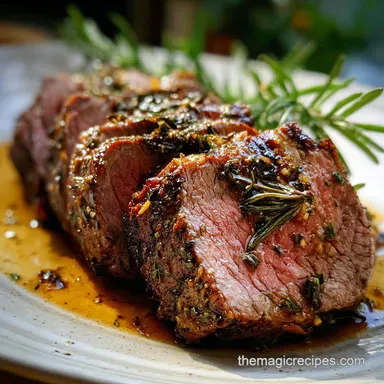
Slicing the beef is the final hurdle. Use a very sharp carving knife and aim for slices about 1.5 cm to 2 cm thick. This thickness feels substantial on the plate but stays tender on the fork. Arrange the slices on a platter and pour any accumulated juices from the resting board right back over the top.
It adds a final glistening sheen that makes the whole dish look incredible. Enjoy the process, don't stress the timing too much, and remember that even if it's a few degrees over, that herb butter is going to save the day regardless!
Very High in Sodium
1240 mg mg of sodium per serving (54% % of daily value)
The American Heart Association recommends limiting sodium intake to about 2,300mg per day for overall health.
Sodium Reduction Tips for Beef Tenderloin
-
Reduce Salt-25%
The recipe uses 34g of Kosher salt which is a major source of sodium. Try reducing the amount by 25% to 25.5g (approximately 4.5 tsp). You can always add more at the end if needed.
-
Unsalted Butter
Good choice using unsalted butter. Stick to unsalted to avoid additional sodium.
-
Fresh Herbs Power
Continue using a generous amount of fresh herbs like rosemary, thyme and parsley. They are naturally low in sodium and add great flavor.
-
Garlic Paste Substitute
Make sure you're using fresh garlic. Avoid using garlic salt or any pre-made garlic paste with added salt.
-
Beef Quality-5%
Ensure you are using high-quality beef that does not require excessive seasoning to taste good. A better quality tenderloin allows for less salt.
-
Spice it up!
Experiment with sodium free spice blends to enhance the flavor of the tenderloin without adding sodium. Consider a blend of smoked paprika, garlic powder (not garlic salt!), onion powder, and a touch of cayenne.
Recipe FAQs
Can I prepare the herb butter ahead of time?
Yes, absolutely. You can mix the herb butter up to two days in advance and store it in the refrigerator. Let it soften at room temperature for about 30 minutes before you plan to use it so it's spreadable.
What's the best way to ensure a crispy crust?
Pat the beef thoroughly dry before seasoning. Moisture is the enemy of crispiness; it steams the surface instead of searing it. A hot pan and sufficient searing time are also key.
How do I know when the beef is cooked to medium rare?
Use an instant read thermometer. Aim for an internal temperature of 52°C (125°F) before resting for medium rare. The temperature will rise to about 57°C (135°F) during the resting period.
My roast came out dry. What might I have done wrong?
Likely overcooked or didn't rest long enough. Pull the beef off the heat a few degrees before your target temperature, as carryover cooking will continue. Always let the roast rest for at least 15 minutes before slicing to allow juices to redistribute.
Can I use dried herbs instead of fresh?
Yes, but adjust the quantity. Use about one-third the amount of dried herbs as fresh, as they are more concentrated. The flavor will be less vibrant, but still delicious.
What sides pair well with herb roasted beef?
Hearty, comforting dishes work best. Consider creamy mashed potatoes, roasted root vegetables, or a simple green salad with a sharp vinaigrette. If you're looking for a more substantial meal, explore options like our Stuffed Pepper Soup Recipe with Ground Beef for a different texture.
Is it okay to cut the beef tenderloin into smaller portions before roasting?
No, it's best to roast the whole piece. Cutting it into smaller portions before roasting will lead to uneven cooking, with the edges drying out before the center is done. You can explore recipes like Stuffed Acorn Squash: Savory Beef, Pear Parmesan for ideas on individual beef preparations.
Herb Roasted Beef Christmas Eve
Ingredients:
Instructions:
Nutrition Facts:
| Calories | 638 kcal |
|---|---|
| Protein | 64 g |
| Fat | 38 g |
| Carbs | 3 g |
| Fiber | 1 g |
| Sugar | 1 g |
| Sodium | 1240 mg |
