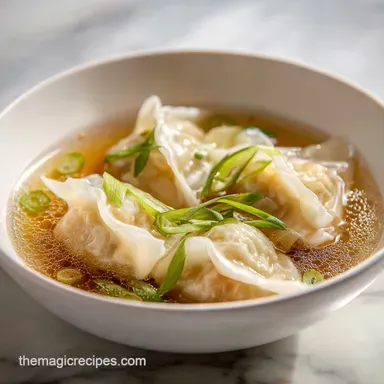
Ultimate Homemade Wonton Soup: Silky and Savory
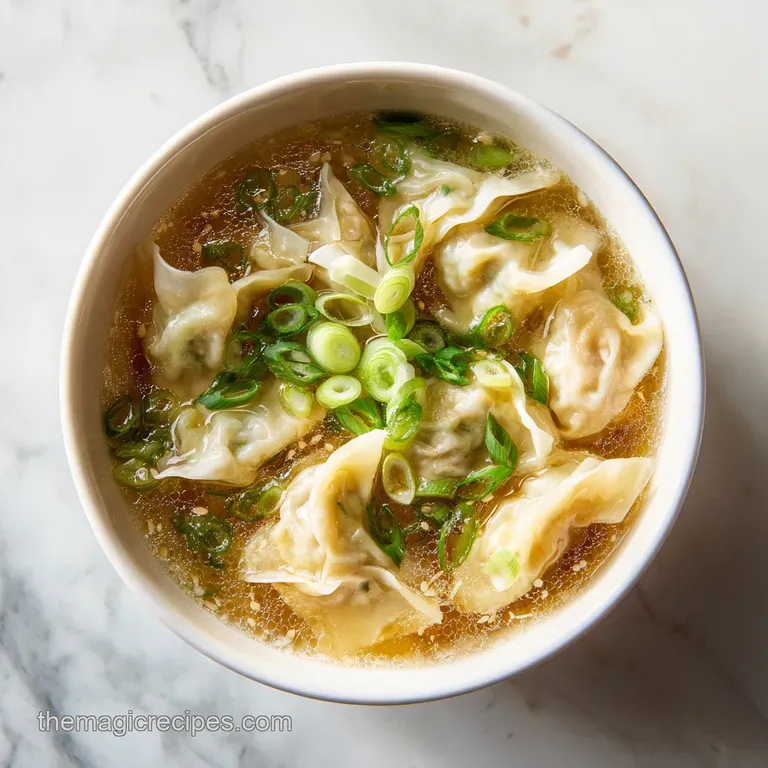
- Time:15 minutes active + 15 minutes cook = Total 30 minutes
- Flavor/Texture Hook: Bouncy shrimp pork filling in a velvety, aromatic broth
- Perfect for: A comforting rainy day dinner or a quick, high protein lunch
- Crafting the Ultimate Comfort in Wonton Soup
- Secrets Behind the Bouncy Texture and Clear Broth
- Quick Look at Timing and Serving Sizes
- The Essential Components for an Authentic Taste
- Tools to Make Folding and Simmering Easier
- Step-by-Step Guide to Assembling the Dish
- Solving Common Folding and Simmering Hiccups
- Creative Twists for Different Dietary Needs
- Debunking Common Kitchen Myths
- Storing Your Wontons for Future Cravings
- Visual Accents and Final Plating Strategies
- High in Sodium
- Recipe FAQs
- 📝 Recipe Card
Crafting the Ultimate Comfort in Wonton Soup
That first hit of steam when you lift the lid is everything. It's the sharp, clean scent of sliced ginger and the salty punch of soy sauce hitting you all at once. I remember the first time I tried making this at home; I was so worried about the wrappers splitting that I almost didn't add enough filling.
But once I saw those little parcels floating to the surface, translucent and plump, I knew I had it.
There is something about the way the silky wrappers slip against the velvety broth that just feels like a hug in a bowl. It isn't just a meal; it's a mood. Whether you're fighting a cold or just need a break from a chaotic day, this Wonton Soup delivers that specific kind of warmth that settles right in your chest.
We're going for an authentic vibe here, which means we aren't cutting corners on the filling. We want that specific "snap" when you bite into the pork and shrimp. Trust me on this: the prep is quick, but the payoff is a dish that tastes like it simmered for hours in a bustling kitchen in Hong Kong.
Secrets Behind the Bouncy Texture and Clear Broth
To get this right, we have to play with a few basic kitchen tricks. It isn't about fancy gear; it's about how we handle the proteins and the heat.
- Protein Binding: Stirring the meat mixture vigorously in one direction creates a tacky paste. This ensures the filling doesn't crumble and instead feels bouncy.
- Starch Stability: A touch of cornstarch acts as a moisture magnet, keeping the juices inside the meat so they don't leak into the broth.
- Gentle Simmering: Keeping the stock at a low simmer rather than a rolling boil prevents the wrappers from tearing and keeps the broth clear.
- Residual Heat: Adding the bok choy at the very end uses the hot liquid to wilt the greens without losing that vibrant, grassy color.
Quick Look at Timing and Serving Sizes
Before we dive into the prep, let's figure out how much you actually need. If you're feeding a crowd or just yourself, the ratios stay the same, but the pot size changes.
| Servings | Ingredient Adjustments | Pot Size | Cook Time |
|---|---|---|---|
| 2 people | 0.25 lb pork, 0.25 lb shrimp | 2 quart pot | 12 minutes |
| 4 people | 0.5 lb pork, 0.5 lb shrimp | 4 quart pot | 15 minutes |
| 8 people | 1 lb pork, 1 lb shrimp | 6 quart pot | 20 minutes |
Right then, now that we've got the scale sorted, we can talk about what actually goes into the pot. This is where the flavor is built, and skipping even one small item can change the whole profile of your Wonton Soup.
The Essential Components for an Authentic Taste
Selecting the right ingredients is half the battle. You want a lean pork to prevent the soup from becoming too greasy, and the shrimp needs to be fresh to provide that sweet, oceanic contrast.
Component Analysis
| Ingredient | Science Role | Pro Secret |
|---|---|---|
| Ground Pork | Base Protein | Use lean pork to avoid an oil slick on top |
| Cornstarch | Moisture Lock | Prevents filling from shrinking during cooking |
| Sesame Oil | Aromatic Fat | Add at the end for the most potent scent |
| Ginger Coins | Flavor Infusion | Slicing into coins makes them easy to remove |
Ingredients and Substitutions
- Substitute
- Ground turkey (lean). Note: Less savory, slightly drier texture.
- Substitute
- Firm tofu (finely diced). Note: Changes texture to soft; lose the shrimp snap.
- Substitute
- Tamari (gluten-free). Note: Very similar, slightly richer flavor.
- Substitute
- Peanut oil. Note: Lacks the toasted aroma.
- Substitute
- 0.5 tsp ground ginger. Note: Less zingy, more muted.
- Substitute
- Garlic powder (0.5 tsp). Note: Less depth than fresh.
- Substitute
- Black pepper. Note: More aggressive, less floral.
- Substitute
- Arrowroot powder. Note: Works similarly; slightly different sheen.
- Substitute
- Gyoza skins. Note: Thicker, better for frying than boiling.
- Substitute
- Vegetable broth. Note: Lighter flavor; may need more soy sauce.
- Substitute
- Liquid aminos. Note: Slightly saltier.
- Substitute
- Rice bran oil. Note: Neutral flavor, no aroma.
- Substitute
- Grated ginger. Note: Makes the broth cloudier.
- Substitute
- Chives. Note: More subtle onion flavor.
- Substitute
- Spinach. Note: Wilts much faster; add in the last 10 seconds.
If you're looking for other ways to warm up with a bowl of something savory, my Easy Black Bean Soup recipe is another great option for those nights when you want something hearty but fast.
Tools to Make Folding and Simmering Easier
You don't need a professional kitchen to nail this, but a few specific tools make the process a lot less stressful. I've spent too many minutes fighting with sticky wrappers to not share these.
First, a large mixing bowl is non negotiable. You need enough room to stir the filling vigorously without it splashing all over your counter. A potato masher is my secret weapon here; it's the fastest way to break down the shrimp into the pork without turning it into a paste.
If you want that authentic texture, you need small chunks, not a puree.
For the folding, a clean, flat surface is key. I usually lay down a damp kitchen towel or a piece of parchment paper so the wrappers don't stick to the granite. A small bowl of water is essential for moistening the edges.
Finally, use a medium pot with a heavy bottom. This ensures the chicken stock heats evenly, preventing "hot spots" that could boil your wontons too violently and rip the skins. If you have a slotted spoon, keep it handy for gently lifting the wontons out if you prefer to plate them before pouring the broth over the top.
Step-by-step Guide to Assembling the Dish
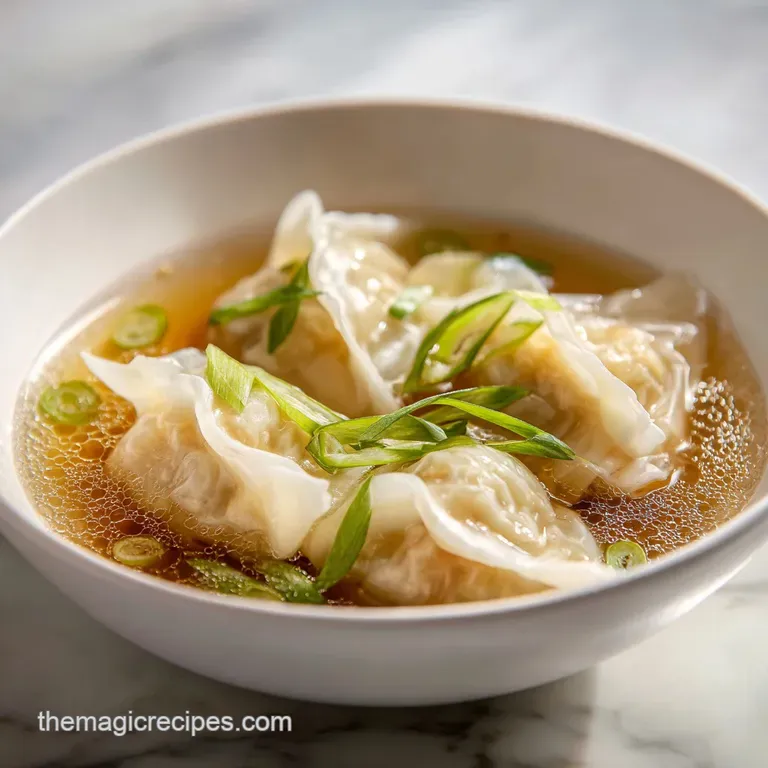
Let's crack on with the actual cooking. Remember, the goal is a clear broth and plump, intact wontons.
- Combine the ground pork, shrimp, soy sauce, sesame oil, ginger, garlic, white pepper, and cornstarch in a large mixing bowl.
- Press the shrimp into the pork using a potato masher until the mixture is cohesive but still has visible seafood chunks. Stir in one direction vigorously for 1 minute to develop the proteins. Note: This stirring is what gives the filling that signature bounce.
- Lay a wonton wrapper on a flat surface and place 1 teaspoon of filling in the center. Moisten the edges of the wrapper with a dab of water.
- Fold the wrapper into a triangle, pressing out any air bubbles, then fold the side corners toward the center and pinch them together to seal. Note: Air bubbles are the enemy; they can cause the wrapper to burst in the pot.
- In a medium pot, bring the chicken stock, soy sauce, ginger coins, and green onion whites to a gentle simmer.
- Carefully drop the wontons into the simmering broth one by one. Cook for 3 to 5 minutes until they float to the surface and look translucent.
- Stir in the chopped baby bok choy during the last 60 seconds of cooking until the leaves are vibrant green.
- Remove the ginger coins with a spoon before serving to keep the flavor balanced.
For those who love a protein heavy meal, this is a great alternative to my Hearty Beef Soup, which uses a slower simmer to get that deep, beefy richness.
Solving Common Folding and Simmering Hiccups
Even for experienced cooks, these little dumplings can be finicky. Usually, it comes down to moisture levels or heat management.
Wontons Falling Apart
This usually happens if the broth is boiling too aggressively or if the wrappers weren't sealed properly. If you see the filling leaking, your heat is likely too high. The broth should barely bubble, not churn.
Cloudiness in Broth
If your broth looks milky, it's often because the wontons released too much starch or you boiled the stock too hard. To avoid this, avoid overcrowding the pot and keep the temperature just below a boil.
Filling Too Wet
If the meat mixture feels like a slurry, the wrappers will get soggy and tear. This happens if the shrimp weren't patted dry before mixing. You can fix this by adding a pinch more cornstarch.
| Problem | Root Cause | Solution |
|---|---|---|
| Wrappers Tearing | Boiling too hard | Lower heat to a gentle simmer |
| Filling Crumbling | Not stirred enough | Stir vigorously in one direction for 1 min |
| Bland Broth | Lack of aromatics | Add an extra soy sauce splash or ginger slice |
Preventive Checklist:
- ✓ Pat shrimp completely dry with paper towels before mixing
- ✓ Seal wrappers tightly, ensuring no air is trapped inside
- ✓ Drop wontons one by one to prevent them from sticking
- ✓ Wait for the broth to simmer, not boil, before adding dumplings
- ✓ Add greens at the very last second to maintain color
Creative Twists for Different Dietary Needs
Once you've nailed the basic Wonton Soup, you can start playing with the flavors. I love experimenting with the filling to match whatever is in my fridge.
For a vegetarian version, swap the pork and shrimp for a mix of finely chopped shiitake mushrooms and crumbled extra firm tofu. Use a high-quality vegetable stock and add a dash of mushroom powder to keep that umami depth. It's surprisingly satisfying and just as silky.
If you want a spicy kick, stir in a teaspoon of chili crisp or Szechuan peppercorn oil right before serving. The heat cuts through the richness of the pork and adds a layer of complexity. For a heartier meal, you can add sliced bamboo shoots or snap peas along with the bok choy.
Adjusting the Batch Size
If you're making a smaller or larger portion, follow these guidelines to keep the flavors balanced:
- Downscaling (½ batch): Use a smaller pot to prevent the broth from evaporating too quickly. Reduce the cooking time by about 2 minutes.
- Upscaling (2x batch): Don't double the salt or soy sauce immediately; start with 1.5x and taste. Work in batches when adding wontons so the broth temperature doesn't drop too sharply.
- Large Groups: If making 4x or more, cook the wontons in a separate pot of boiling water, then drop them into the pre heated broth bowls. This keeps the broth crystal clear.
Debunking Common Kitchen Myths
There are a few things people tell you about dumplings that just aren't true. Let's set the record straight.
One common myth is that you should sear the filling in a pan before wrapping it. In reality, this ruins the texture. The beauty of this dish is the steamed, juicy interior; searing it makes the meat tough and the wrapper harder to seal.
Another misconception is that you need a specialized bamboo steamer for everything. While great for some dishes, boiling the wontons directly in the broth is the gold standard for soup. It allows the wrapper to absorb the savory flavors of the stock, creating a more cohesive bite.
Storing Your Wontons for Future Cravings
You can absolutely prep this ahead of time, and honestly, it's the way to go if you want a "fast food" version of this at home.
In the Fridge Store raw, folded wontons on a tray lined with parchment paper, making sure they don't touch. Once they've frozen slightly (about 30 mins), you can toss them into a freezer bag. They'll stay fresh in the fridge for about 2 days, but they can get sticky.
In the Freezer This is the pro method. Freeze them in a single layer first, then transfer to a bag. They'll last for 2-3 months. When you're ready, don't thaw them! Drop the frozen wontons directly into the simmering broth. They'll just need an extra 2 minutes of cooking time.
Reheating If you have leftover soup, reheat it gently on the stove. Avoid the microwave if possible, as it can make the wrappers rubbery. If you must use a microwave, use low power and stir every 60 seconds.
Zero Waste Tips Don't throw away the green onion tops or the shrimp shells. You can simmer the shrimp shells with a bit of oil and ginger to make a shrimp infused oil for garnish. The onion scraps can be tossed into your next batch of veggie stock.
Visual Accents and Final Plating Strategies
Since we're focusing on color balance, the presentation is where this dish really shines. A monochromatic bowl looks boring, so we use a three color strategy to make it pop.
First, the deep gold of the translucent wrappers provides the warmth. Second, the vibrant green of the bok choy and chopped green onion tops adds a fresh, garden like contrast.
Finally, the bright white of the onion stalks or a few slices of scallion creates a clean, professional look.
Add the greens at the very last second so they don't dull in the heat. For a professional touch, drizzle a few drops of toasted sesame oil on the surface right before the bowl hits the table. According to Serious Eats, the aromatic compounds in sesame oil are volatile, meaning they evaporate quickly; adding it at the end ensures the scent is at its peak.
For the best experience, serve this in a deep ceramic bowl that holds heat well. If you're feeling fancy, pair it with a side of chili oil and a splash of black vinegar for dipping. It's a simple dish, but when the colors are balanced and the temperature is piping hot, it's a total showstopper.
High in Sodium
1120 mg 1120 mg of sodium per serving (49% 49% of daily value)
The American Heart Association recommends a daily sodium limit of 2,300mg to reduce the risk of high blood pressure and heart disease.
Tips to Reduce Sodium
-
Swap for Unsalted Stock-30%
Replace the low sodium chicken stock with homemade unsalted broth or water infused with aromatics to significantly cut salt.
-
Use Low-Sodium Soy Sauce-20%
Substitute regular soy sauce with low-sodium soy sauce or coconut aminos in both the filling and the soup base.
-
Check Wrapper Sodium-10%
Store-bought wonton wrappers often contain salt; look for low-sodium brands or make your own dough from scratch.
-
Enhance with Aromatics
Increase the amount of fresh ginger, garlic, and green onions to provide a punch of flavor without adding any sodium.
Recipe FAQs
What is wonton soup made of?
A savory chicken stock broth with pork and shrimp dumplings. The filling consists of ground pork, shrimp, soy sauce, sesame oil, ginger, garlic, white pepper, and cornstarch wrapped in square wonton wrappers.
What soup is good for gastritis?
Clear, mild broths like this wonton soup are often recommended. The simple chicken stock and steamed baby bok choy are typically easier on the digestive system than creamy or spicy options.
Is wontons low fodmap?
No, this recipe is not low FODMAP. It contains garlic and ginger, which are common triggers for those following a FODMAP-restricted diet.
Is wonton good for high cholesterol?
Yes, provided you use lean ground pork. Selecting lean cuts and using low-sodium chicken stock helps keep saturated fat and sodium levels manageable.
How to stop wontons from sticking together in the pot?
Drop them into the simmering broth one by one. Give each wonton space to float before adding the next to prevent them from clumping together.
How to store wontons for later?
Freeze them in a single layer on a parchment-lined tray. Once frozen, transfer them to a freezer bag to prevent sticking for up to 3 months.
Can I use a different protein for the filling?
Yes, ground turkey or chicken are great alternatives. If you enjoy light, protein-forward broths, you might also like our lemon chicken soup.
Wonton Soup in 30 Minutes