Korean Beef Bowls Recipe
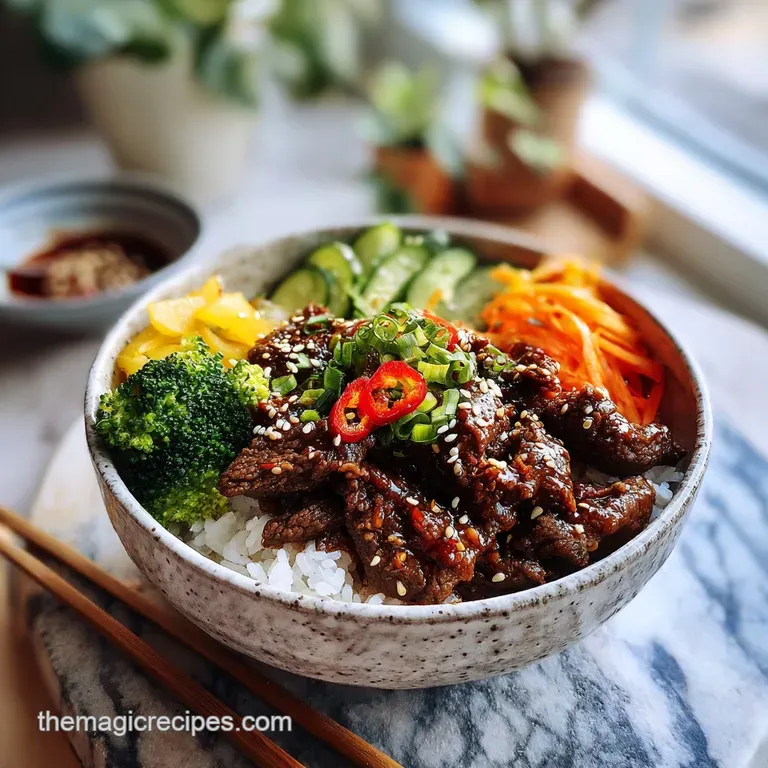
- Time: Active 10 minutes, Passive 10 minutes, Total 20 minutes
- Flavor/Texture Hook: Sticky, charred beef with a vibrant, crunch heavy garnish
- Perfect for: Bold weeknight dinners or high protein meal prep
- Bold and Authentic Korean Beef Bowls Recipe
- The Science Behind Deep Umami
- High Impact Ingredient Deep Dive
- Essential Elements and Clever Swaps
- Sizzling the Beef to Perfection
- Solving Common Kitchen Hurdles
- Adjusting Portions for Every Crowd
- Debunking Popular Kitchen Myths
- Storage and Sustainable Cooking Tips
- Pairing Your Bowls with Sides
- Critical High in Sodium
- Recipe FAQs
- 📝 Recipe Card
Bold and Authentic Korean Beef Bowls Recipe
The first time I stood in the middle of a Gwangjang Market alley, the air was thick with the scent of toasted sesame oil and the aggressive sizzle of red hot cast iron. I watched a vendor toss handfuls of aromatics into a pan, the garlic hitting the oil with a sharp pop that immediately perfumed the entire block.
That specific aroma garlic, ginger, and fermented chili is something I’ve spent years trying to replicate in my own kitchen without needing a commercial grade burner.
This version of a korean beef bowls recipe isn't about simmering something for hours until it loses its soul. It's about high velocity cooking and the beautiful contrast between hot, glazed protein and cold, snappy vegetables.
We're looking for those charred, crispy edges on the beef that shatter slightly when you bite into them, countered by the velvety richness of a honey soy reduction. It’s an approachable way to explore global flavors without a pantry full of obscure tools.
Right then, let's get into the mechanics of why this works. You aren't just frying meat; you're building layers of umami that hit different parts of your palate. We’ll use a lean grind to ensure the sauce clings to the protein rather than sliding off into a pool of grease.
Trust me on this: once you see how the gochujang transforms from a thick paste into a glossy lacquer, you’ll never look at ground beef the same way again.
The Science Behind Deep Umami
Understanding the "how" helps you control the "wow" in your kitchen. This isn't just a stir fry; it's a series of chemical reactions that turn basic ingredients into a complex meal.
- The Maillard Reaction: High heat creates new flavor compounds as proteins and sugars react, turning the beef from grey to a deep, savory brown.
- Capsaicin Solubility: Frying the gochujang paste in the sesame oil allows the heat carrying compounds to dissolve into the fat, distributing spice evenly throughout the dish.
- Hygroscopic Glazing: The raw honey acts as a humectant, pulling moisture into a thick glaze that coats the meat instead of evaporating away.
- Aromatic Infusion: Grating fresh ginger breaks down cellular walls, releasing volatile oils that would otherwise stay trapped in the fibrous root.
| Cook Status | Internal Temp | Rest Time | Visual/Sensory Cue |
|---|---|---|---|
| Searing | N/A | 0 mins | Meat is pink; heavy steam rising from the pan |
| Browning | 145°F | 0 mins | Pink disappears; liquid begins to evaporate |
| Glazing | 160°F | 2 mins | Sauce bubbles thickly; beef edges look dark and "lacquered" |
This quick decision table helps you identify exactly when to move from one stage to the next. The most common mistake is moving too fast before the moisture has fully evaporated, which prevents that signature crunch we’re after.
High Impact Ingredient Deep Dive
Before we start tossing things into the pan, let's look at the heavy hitters in our lineup. Each component serves a structural purpose in the final flavor profile.
| Component | Science Role | Pro Secret |
|---|---|---|
| Ground Beef (90/10) | Protein structure | Use lean beef to prevent the sauce from breaking and becoming oily. |
| Gochujang Paste | Fermented depth | Sautéing this "wakes up" the fermented notes and mellows the raw funk. |
| Low Sodium Soy | Salinity & Color | Low sodium allows you to reduce the sauce without it becoming a salt bomb. |
| Toasted Sesame Oil | Lipid based aroma | Added at the start for heat stability and at the end for fresh fragrance. |
Much like the technique used in our Korean Short Ribs recipe, the balance of sugar and salt here is what creates that addictive quality. The soy provides the backbone, while the honey ensures every crumbles of beef is encased in a shiny, flavorful coating.
Essential Elements and Clever Swaps
Gather your ingredients before you turn on the stove. This dish moves fast, and you don't want to be peeling ginger while your garlic is burning.
- 1 lb lean ground beef (90/10): Why this? Provides enough fat for flavor without needing to drain excess liquid mid cook.
- Substitute: Ground turkey or chicken (Note: Will be slightly drier; add 1 tsp extra oil).
- 1 tbsp toasted sesame oil: Why this? Provides the foundational nutty aroma essential to Korean inspired profiles.
- Substitute: Perilla oil or a neutral oil with a drop of toasted sesame seeds.
- 3 cloves garlic, minced: Why this? Adds sharp, pungent notes that cut through the richness of the beef.
- Substitute: 1 tsp garlic powder (added to the sauce, not the pan).
- 1 tbsp fresh ginger, grated: Why this? The citrusy heat balances the heavy fermentation of the gochujang.
- Substitute: 1/2 tsp ground ginger (Note: Lacks the bright "zing" of fresh).
- 1/2 cup low sodium soy sauce: Why this? Adds liquid for the reduction and a deep, savory saltiness.
- Substitute: Tamari (for gluten-free) or Coconut Aminos (Note: Slightly sweeter).
- 1/4 cup raw honey: Why this? Provides the sticky texture and balances the chili heat.
- Substitute: Brown sugar or maple syrup (Note: Maple adds a woody undertone).
- 2 tbsp gochujang Korean chili paste: Why this? The soul of the dish; provides heat, sweet, and funk.
- Substitute: Sriracha mixed with a pinch of miso paste.
- 1/2 tsp crushed red pepper flakes: Why this? Adds a secondary level of "clean" heat to the back of the palate.
- Substitute: Alepo pepper or omit for a milder bowl.
- 2 cups cooked jasmine rice
- Why this? The floral aroma and soft texture absorb the extra glaze perfectly.
- 1 large cucumber, thinly sliced
- Provides the essential cooling crunch.
- 2 medium carrots, shredded
- Adds sweetness and a vibrant orange pop.
- 3 green onions, thinly sliced
- Freshness to finish.
- 1 tbsp toasted sesame seeds
- For texture and visual appeal.
| Original Ingredient | Substitute | Why It Works |
|---|---|---|
| Raw Honey | Brown Sugar | Adds a deep molasses flavor. Note: Dissolves faster but is less "sticky" than honey. |
| Gochujang | Sriracha + Miso | Sriracha provides heat, Miso adds the fermented depth gochujang is known for. |
| Ground Beef | Ground Pork | Same fat content. Note: Adds a slightly sweeter, richer flavor profile to the bowl. |
Using the right beef is just as important as the technique you'd use for a High Protein Slow recipe. While that recipe relies on time, this one relies on the quality of the sear.
Sizzling the Beef to Perfection
- Prep the base. Place your large skillet over medium high heat. Add 1 tbsp toasted sesame oil and let it shimmer. Note: If the oil smokes, the pan is too hot; pull it off for 20 seconds.
- Sear the beef. Add the 1 lb ground beef to the pan. Use a wooden spoon to break it into large chunks initially. Cook for 3 minutes until the bottom side is browned and crispy.
- Break it down. Continue cooking and breaking the meat into smaller crumbles. Sauté until no pink remains and the liquid has mostly evaporated.
- Aromatic infusion. Move the beef to the edges of the pan, creating a well in the center. Drop in 3 cloves minced garlic and 1 tbsp grated ginger. Sizzle for 45 seconds until the aroma fills the room.
- Fry the paste. Add 2 tbsp gochujang directly onto the garlic and ginger. Stir it into the aromatics for 1 minute. Note: This step is vital to remove the "raw" taste of the paste.
- Build the sauce. Pour in 1/2 cup low sodium soy sauce, 1/4 cup raw honey, and 1/2 tsp crushed red pepper flakes. Stir vigorously to combine with the beef.
- The reduction. Let the mixture bubble for 2-3 minutes. Watch for the sauce to thicken into a glossy, dark glaze that coats every piece of meat.
- Prepare the bowls. Divide 2 cups cooked jasmine rice into four bowls. Top with the glazed beef mixture.
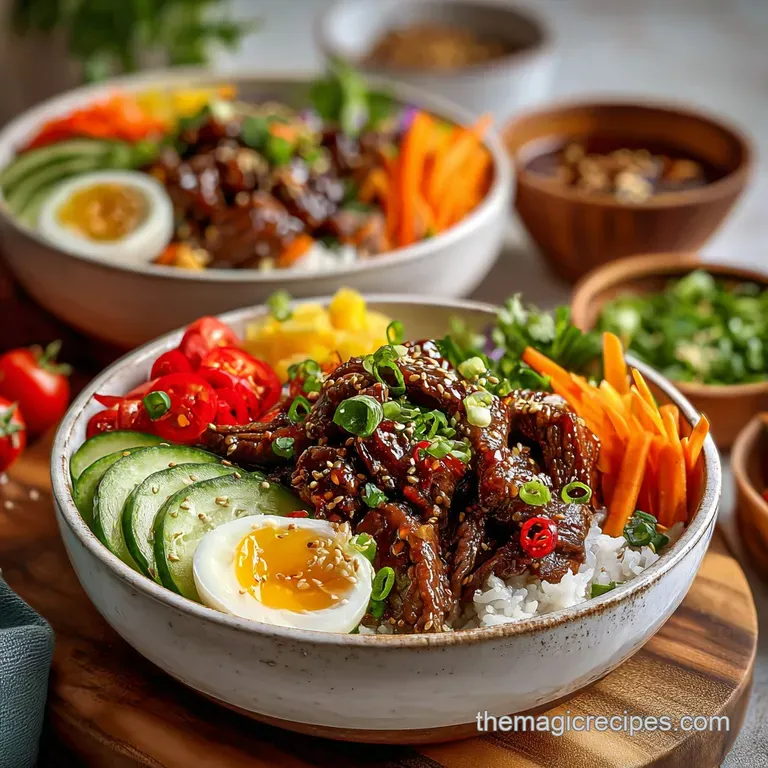
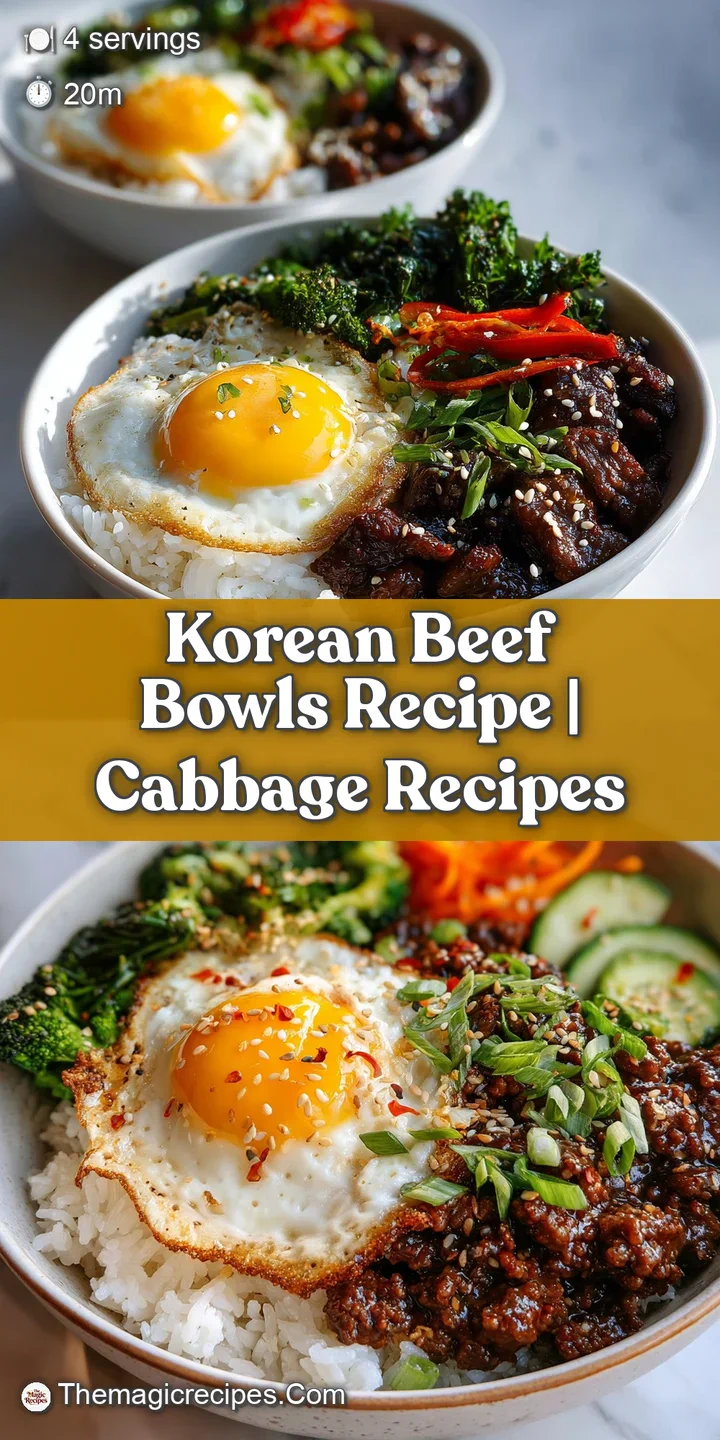
- Add the crunch. Arrange the sliced cucumber and shredded carrots around the beef. Ensure the colors are balanced for a professional presentation.
- Final flourish. Garnish with sliced green onions and toasted sesame seeds. Serve immediately while the beef is hot and the veggies are cold.
Solving Common Kitchen Hurdles
Even simple recipes can hit a snag. The key to this korean beef bowls recipe is controlling the moisture and the sugar content so you don't end up with a burnt mess.
Why Your Beef Is Steaming
If you see a lot of grey liquid in your pan, you've overcrowded it or didn't let the pan get hot enough. This "boils" the meat instead of searing it, resulting in a rubbery texture rather than those crispy, addictive edges.
Why the Sauce Is Bitter
Garlic burns in a heartbeat. If you toss the garlic into a dry, scorching pan without enough oil or move too slowly, it turns acrid. Always have your liquid ingredients (soy and honey) ready to pour in to "quench" the pan and stop the aromatics from burning.
| Problem | Root Cause | Solution |
|---|---|---|
| Sauce is too thin | Not enough reduction time | Simmer for another 2 minutes until it coats the back of a spoon. |
| Dish is too salty | Regular soy sauce used | Add a splash of water and an extra teaspoon of honey to balance it. |
| Meat is tough | Overcooked before saucing | Add the sauce as soon as the pink disappears to keep the beef supple. |
Common Mistakes Checklist: ✓ Pat the beef dry with a paper towel if it looks wet before hitting the pan. ✓ Don't stir the beef constantly; let it sit for 2 minutes initially to develop a crust.
✓ Grate the ginger finely; nobody wants to bite into a woody chunk of root. ✓ Use a wide skillet (12 inch) to allow moisture to evaporate quickly. ✓ Keep the vegetables separate until serving to maintain their distinct textures.
Adjusting Portions for Every Crowd
Whether you're cooking for one or hosting a casual dinner party, these adjustments ensure the flavors remain bold and the textures stay on point.
- Scaling Down (1-2 people): Half the ingredients, but keep the pan size the same. This allows for even faster evaporation and better browning. Use a small egg if adding a fried topper, or just skip it.
- Scaling Up (8 people): Do not just double everything in one pan. Work in two batches for the beef searing. If you crowd 2 lbs of beef into one skillet, it will steam.
- Flavor Adjustments: When doubling the recipe, only increase the crushed red pepper by 1.5x. Spices can become overwhelming when scaled linearly.
- Liquid Ratios: If doubling, reduce the total soy sauce by about 10% to prevent the dish from becoming overly liquid, as larger volumes of meat release more moisture.
| Method | Prep Time | Clean Up | Best For |
|---|---|---|---|
| One Pan Stovetop | 10 mins | 1 Skillet | Maximum flavor and crispy beef edges. |
| Instant Pot | 5 mins | 1 Pot | Tender beef, but lacks the caramelized "crunch." |
| Sheet Pan | 12 mins | 1 Pan | Large batches; meat becomes more "roasted" than fried. |
Choosing the stovetop method is usually my go to because the control over the reduction is superior. It allows you to see the glaze thicken in real time, which is half the fun of this recipe.
Debunking Popular Kitchen Myths
There’s a lot of noise about how to handle ground beef and Asian aromatics. Let's clear up a few things so you can cook with confidence.
Myth: You must drain the fat from the beef completely. Truth: While you don't want a soup of grease, leaving about a tablespoon of fat in the pan is essential. That fat carries the flavor of the garlic and ginger and helps "fry" the gochujang, creating a much richer sauce.
Myth: Fresh ginger and jarred ginger paste are the same. Truth: Jarred pastes often contain vinegar or citric acid as a preservative, which changes the pH of your sauce. For that authentic, zingy heat, fresh grated ginger is non negotiable.
Myth: High heat will burn the honey immediately. Truth: As long as you have the soy sauce in the pan, the honey is protected by the liquid. The sugars will only start to dangerously burn once the water in the soy sauce has evaporated, which is your cue that the glaze is finished.
Storage and Sustainable Cooking Tips
This is one of those rare dishes that actually tastes better the next day as the ginger and garlic settle into the beef crumbles.
- Fridge: Store the beef and rice in separate airtight containers for up to 4 days. Keep the fresh vegetables (cucumber/carrots) in a separate bag with a paper towel to absorb moisture.
- Freezer: The cooked beef freezes beautifully for up to 3 months. Thaw overnight in the fridge before reheating. Do not freeze the fresh vegetable toppings.
- Reheating: Use a skillet over medium heat with a splash of water to loosen the glaze. Avoid the microwave if possible, as it can make the beef feel "rubbery."
- Zero Waste Tip: Don't throw away those green onion roots! Place them in a jar of water on your windowsill, and they’ll regrow in a week. Also, the fibrous ends of the ginger can be frozen and tossed into a Beef Soup recipe later for extra depth.
Pairing Your Bowls with Sides
While this is a complete meal on its own, adding a few specific sides can turn it into a full spread feast. The goal is to balance the "heavy" glazed beef with something light or fermented.
- Classic Kimchi: The acidity and fermentation are the perfect foil for the sweet honey glaze.
- Quick Pickled Onions: If you don't have kimchi, thin sliced red onions soaked in rice vinegar for 10 minutes provide a similar brightness.
- Soft Boiled Egg: A 6 minute egg with a jammy yolk adds a luxurious, velvety fat that binds the rice and beef together.
- Steamed Bok Choy: Briefly sautéed with a little garlic, this adds a juicy, earthy element to the bowl.
- 1. Vibrant Green
- The scallions should be added at the very end so they don't wilt.
- 2. Bright Orange
- The raw shredded carrots provide a visual and textural "snap."
- 3. Deep Red
- A final tiny dot of extra gochujang or a sprinkle of red pepper flakes makes the dish pop against the white rice.
If you find yourself with extra ground beef and want something with a bit more of a "soul food" vibe, you could easily adapt these flavors into a Stuffed Pepper Soup recipe by swapping the Italian herbs for ginger and soy. It’s all about the versatility of the ingredients!
Critical High in Sodium
1340 mg mg of sodium per serving (58% % of daily value)
The American Heart Association recommends limiting sodium intake to no more than 2,300mg per day for overall cardiovascular health.
Tips to Reduce Sodium in This Recipe
-
Low-Sodium Soy Sauce-30%
Replace regular soy sauce with a low-sodium or reduced sodium version. This can significantly reduce the sodium content without drastically altering the flavor.
-
Reduce Gochujang-20%
Gochujang can be high in sodium. Try using half the amount and supplementing with additional ginger, garlic, or a touch more honey to maintain the flavor profile.
-
Rinse Ground Beef-15%
After browning the ground beef, rinse it thoroughly with hot water to remove excess fat and some of the sodium. Drain well before proceeding with the recipe.
-
Unsalted Rice-10%
Ensure the jasmine rice is cooked without added salt. Cooking rice in unsalted water prevents adding more sodium before it is even combined with other ingredients.
-
Fresh Herbs & Spices
Enhance the flavor with a variety of fresh herbs and spices, such as extra ginger, garlic, or a squeeze of lemon juice. This can create more complex and satisfying flavors without needing extra salt.
Recipe FAQs
Can I use a different cut of beef for Korean beef bowls?
Yes, but it's best with ground beef. While you could technically use thinly sliced steak like sirloin or ribeye, ground beef allows the sauce to coat every morsel and achieve that signature sticky texture. For a more tender experience with a different cut, consider our New Years Dinner: Slow Roasted Perfection for inspiration on slow cooking techniques.
How do I make the beef crispy and not just mushy?
Cook the beef in batches and don't overcrowd the pan. This is crucial to allow moisture to evaporate, promoting browning and crisping rather than steaming. Aim for high heat and let the beef develop a good sear before stirring too much.
What is gochujang and where can I buy it?
Gochujang is a Korean fermented chili paste. It's the key to the sweet, savory, and spicy flavor profile of this dish. You can find it in most Asian markets, specialty grocery stores, and often in the international aisle of larger supermarkets.
How can I make this recipe spicier or milder?
Adjust the gochujang and red pepper flakes to your preference. For more heat, increase the amount of gochujang or add more red pepper flakes. To make it milder, use less gochujang and omit the red pepper flakes entirely.
Can I prepare the beef mixture ahead of time?
Yes, the beef and sauce can be made up to 3 days in advance. Store it in an airtight container in the refrigerator. Reheat it gently in a skillet or microwave before assembling your bowls with fresh toppings.
What are the best vegetables to serve with Korean beef bowls?
Cucumber, carrots, and green onions are classic. Thinly sliced cucumber and shredded carrots add a refreshing crunch and sweetness, while green onions provide a fresh, sharp bite. Other great additions include pickled radishes or a simple side salad.
How do I achieve a thick, glossy sauce?
Simmer the sauce until it reduces and coats the back of a spoon. Ensure you're cooking over medium heat and allowing enough time for the liquids to evaporate, leaving behind that sticky, delicious glaze.
Korean Beef Bowls
Ingredients:
Instructions:
Nutrition Facts:
| Calories | 508 kcal |
|---|---|
| Protein | 27.2 g |
| Fat | 13.8 g |
| Carbs | 68.4 g |
| Fiber | 2.8 g |
| Sugar | 22.5 g |
| Sodium | 1340 mg |
