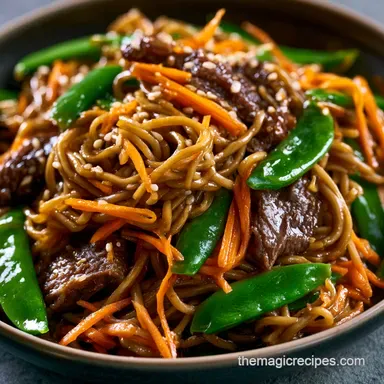
Mongolian Ground Beef Noodles: Crispy Beef
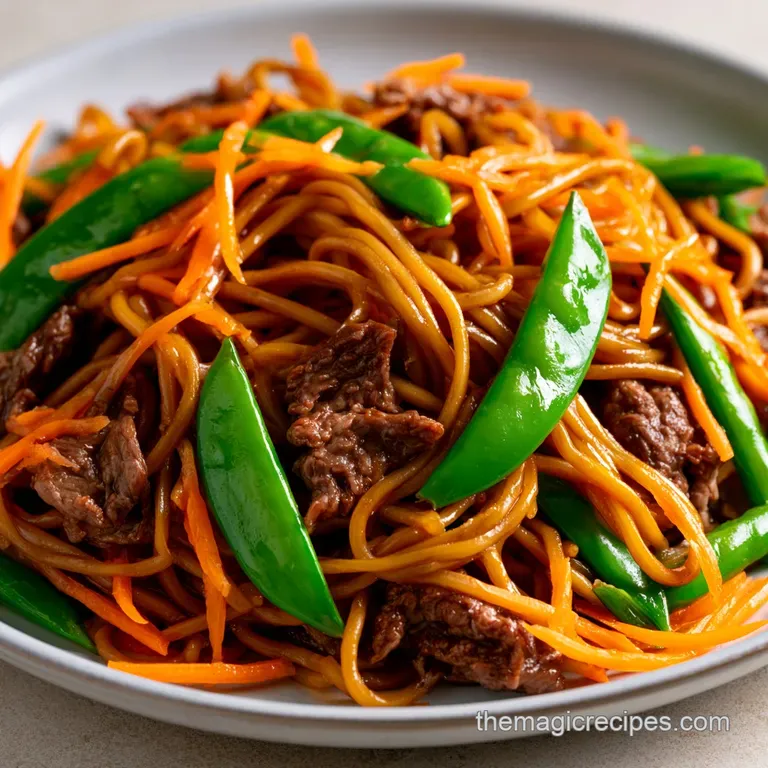
- Time: 10 min prep + 20 min cook = Total 30 mins
- Flavor/Texture Hook: Crispy beef edges with a velvety, glossy sauce
- Perfect for: High protein weeknight dinner or fast meal prep
Easy Mongolian Ground Beef Noodles Guide
That aggressive sizzle when the beef hits the smoking hot oil is where the magic happens. I remember the first time I tried to swap expensive flank steak for ground beef in a Mongolian style dish. I was worried it would just feel like a sloppy joe with soy sauce, but the opposite happened.
Because ground beef has so much more surface area, you get these tiny, charred, crispy bits of meat that cling to the noodles in a way that steak slices just can't.
The real hero here is the hoisin sauce. It provides a deep, fermented sweetness that anchors the whole dish. When I first started making this, I tried substituting it with a mix of honey and soy, but it lacked that specific "dark" flavor, that authentic fermented funk that makes it taste like global street food.
Once I committed to the hoisin, the mongolian ground beef noodles went from "okay" to "I need this every single week."
You can expect a dish that is salty, slightly sweet, and packed with a punch of ginger and garlic. The snap peas add a necessary brightness and a loud crunch that cuts through the richness of the beef. It's the kind of meal that feels fancy but takes less time than ordering takeout.
Let's get into how to actually make this work in your kitchen.
Why This Recipe Works
- The over High heat Sear: Letting the beef sit undisturbed creates a dark crust. This adds a massive amount of savory depth through browning.
- Cornstarch Slurry: Mixing the starch into the cold sauce prevents lumps. It creates a velvety coating that sticks to the noodles instead of pooling at the bottom.
- Noodle Under cooking: Pulling the linguine 1 minute early allows them to absorb the sauce. This ensures the flavor is inside the noodle, not just on the surface.
- Aromatic Timing: Adding garlic and ginger after the beef is browned prevents them from burning. Burnt garlic turns bitter, which would ruin the balance.
| Method | Time | Texture | Best For |
|---|---|---|---|
| Stovetop (Wok) | 30 mins | Crispy meat, glossy sauce | Fast, authentic feel |
| Oven (Sheet Pan) | 45 mins | Roasted veg, softer meat | Hands off cooking |
Component Analysis
| Ingredient | Science Role | Pro Secret |
|---|---|---|
| Lean Beef | Protein Base | 90% lean prevents the sauce from becoming greasy |
| Hoisin Sauce | Umami/Thickener | Adds a fermented depth that mimics slow cooked sauces |
| Cornstarch | Binding Agent | Ensures the glaze clings to the noodles perfectly |
| Ginger/Garlic | Flavor Catalyst | Fresh is non negotiable for that sharp, ethnic bite |
Shopping List Breakdown
For this recipe, you'll want to grab a few specific things. Don't bother with the low-fat versions of the sauces, as the fat is what carries the flavor.
- 1 lb lean ground beef (90% lean) Why this? Less grease means the sauce thickens better
- 12 oz linguine noodles Why this? Flat shape mimics traditional lo mein noodles
- 1/2 cup low sodium soy sauce Why this? Prevents the dish from being overly salty
- 1/4 cup beef broth (low sodium) Why this? Adds body and depth to the glaze
- 2 tbsp hoisin sauce Why this? The essential "secret ingredient" for Mongolian flavor
- 1 tbsp brown sugar Why this? Balances the salt and helps the beef caramelize
- 1 tsp sesame oil Why this? Toasted aroma that defines Asian inspired dishes
- 1 tbsp cornstarch Why this? Creates that glossy, restaurant style thickness
- 1/2 tsp red pepper flakes Why this? A subtle back end heat to wake up the palate
- 3 cloves garlic, minced Why this? Fresh garlic has a punchy, aromatic quality
- 1 tbsp fresh ginger, grated Why this? Adds a zesty, spicy brightness
- 2 cups shredded carrots Why this? Adds sweetness and a pop of color
- 2 cups sliced snap peas Why this? Provides a refreshing, watery crunch
- 2 tbsp vegetable oil Why this? High smoke point for searing the beef
- 2 stalks green onions, sliced Why this? Freshness and a sharp finish
- 1 tsp toasted sesame seeds Why this? Tiny bursts of nuttiness and visual appeal
Ingredient Swaps
| Original Ingredient | Substitute | Why It Works |
|---|---|---|
| Linguine | Spaghetti or Udon | Similar shape. Note: Udon makes it chewier and thicker |
| Snap Peas | Broccoli Florets | Same crunch. Note: Requires 2 more mins of sautéing |
| Lean Ground Beef | Ground Turkey | Same texture. Note: Lacks beefy depth, add extra soy sauce |
| Brown Sugar | Maple Syrup | Same sweetness. Note: Adds a slight woody, autumnal flavor |
Cooking Process Steps
Right then, let's get to the actual cooking. Make sure you have your sauce whisked and your veg chopped before you turn on the heat. Things move fast once the beef starts searing.
- Whisk the soy sauce, beef broth, hoisin sauce, brown sugar, sesame oil, red pepper flakes, and cornstarch in a small bowl. Note: Make sure the cornstarch is completely dissolved so you don't get white clumps in your sauce.
- Boil the linguine in salted water. Remove them 1 minute before the package says they are al dente. until they are slightly firm to the bite.
- Heat vegetable oil in a large wok or cast iron skillet over medium high heat. Add the ground beef and let it sit undisturbed for 3-4 minutes. until a dark, crispy crust forms on the bottom.
- Break the beef apart using a spatula. Stir in the minced garlic and grated ginger. Sauté for 1-2 minutes until the aromatics smell fragrant and pungent.
- Toss in the shredded carrots and snap peas. Sauté for 3 minutes until the vegetables are vibrant green and orange but still have a snap.
- Pour in the cooked noodles and the whisked glaze. Toss everything together over medium high heat. until the sauce thickens into a glossy coating and clings to every noodle.
- Turn off the heat. Garnish with sliced green onions and toasted sesame seeds.
Chef's Tip: For an even deeper flavor, try adding a teaspoon of espresso powder to the sauce. It doesn't make it taste like coffee, but it intensifies the savory, dark notes of the hoisin and beef.
Fixing Common Mistakes
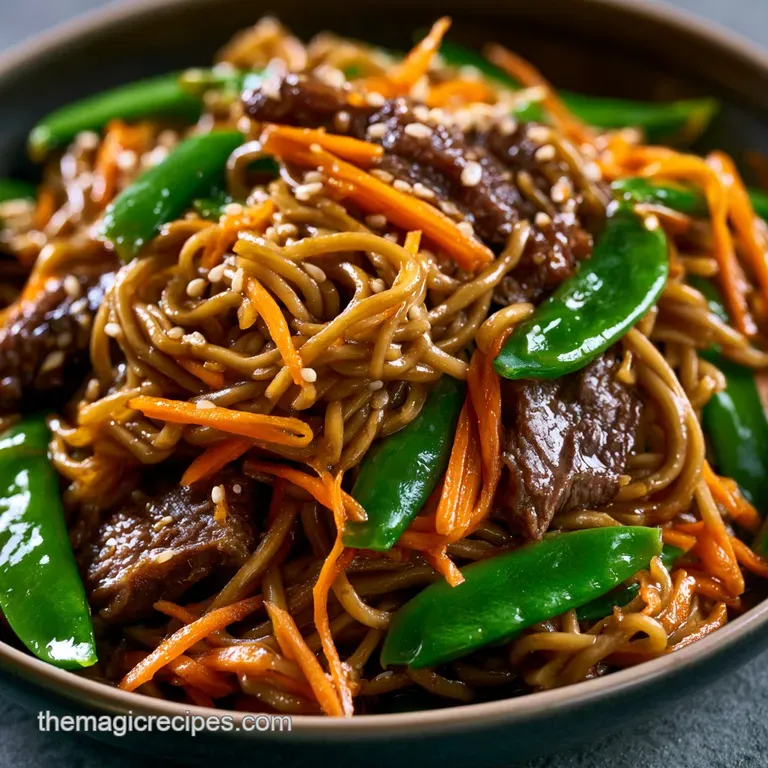
Most people struggle with the texture of the meat or the consistency of the sauce. If your beef is grey, you're crowding the pan. If your sauce is watery, you probably didn't let it bubble long enough. For more on the science of meat browning, check out Serious Eats for great tips on searing.
Why Your Sauce Is Watery
This usually happens if you add the sauce and immediately remove the pan from the heat. The cornstarch needs to reach a certain temperature to "activate" and thicken. Let it bubble for at least 60 seconds while tossing.
Why Your Beef Is Grey
If you stir the beef too much or use a pan that is too small, the meat releases moisture and steams in its own juices. You want that over high heat sear. Give the meat space and leave it alone for those first few minutes.
Burnt Garlic And Ginger
If you add your garlic and ginger at the start with the beef, they will burn before the beef is brown. Always add these after the meat has developed its crust.
| Problem | Root Cause | Solution |
|---|---|---|
| Sauce is too salty | Too much soy sauce | Add a splash of water or a squeeze of lime juice |
| Noodles are mushy | Overcooked in water | Pull noodles 2 mins before al dente |
| Veggies are soggy | Over sautéing | Cook veg on high heat for a shorter time |
Common Mistakes Checklist
- ✓ Did you let the beef sear for 4 minutes without stirring?
- ✓ Is the cornstarch fully dissolved in the cold sauce?
- ✓ Did you undercook the noodles slightly?
- ✓ Were the vegetables added after the beef was browned?
- ✓ Did you let the sauce bubble and thicken before plating?
Customizing Your Bowl
If you want to change the vibe of your mongolian ground beef noodles, you can easily swap the flavor profile. I often suggest trying different meat marinades if you're using sliced beef instead of ground, similar to how I handle my homemade meat marinades for grilling.
- If you want more heat
- Add 1 tbsp of Sriracha or Chili Garlic Sauce to the glaze.
- If you want it heartier
- Add sliced mushrooms or baby corn with the snap peas.
- If you want a nuttier finish
- Garnish with crushed roasted peanuts instead of sesame seeds.
Flavor Twists
You can take this in a few directions. For a "Spicy Mongolian" version, double the red pepper flakes and add a teaspoon of toasted sesame oil at the very end for a more pungent aroma. If you prefer a more citrusy finish, a squeeze of fresh lime juice right before serving cuts through the heaviness of the beef.
Diet Swaps
For those avoiding gluten, simply swap the soy sauce for Tamari and use a certified gluten-free hoisin sauce. If you're looking for a lower carb version, you can replace the linguine with zucchini noodles or spaghetti squash.
Just keep in mind that veg noodles release more water, so you may need to simmer the sauce for an extra 2 minutes to keep it thick.
Scaling The Recipe
Adjusting the volume of mongolian ground beef noodles is pretty straightforward, but you have to be careful with the pan size.
Scaling Down (Half Batch): Use a smaller skillet to keep the heat concentrated. Since there is less liquid, the sauce can thicken and burn much faster, so reduce the final tossing time by about 20%. If the recipe calls for an odd number of eggs or similar, whisk one and use half.
Scaling Up (Double or Triple Batch): Do NOT cook all the beef at once. If you crowd the pan, the beef will steam and you'll lose that critical crust. Work in batches, searing the beef in two turns, then combine everything at the end.
For the sauce, increase the salt and spices to only 1.5x first, then taste and add more if needed. Liquids generally don't need to be fully doubled because there is less evaporation in a full pan.
Debunking Kitchen Myths
Myth 1: Searing meat "locks in" the juices. Actually, searing doesn't create a waterproof seal. Moisture is lost throughout the cooking process regardless. However, the sear creates a complex layer of flavor that makes the meat taste richer, which is why we do it for this beef.
Myth 2: You must use a wok for stir fry. A wok is great for heat distribution, but a heavy cast iron skillet is actually better for ground beef. Cast iron holds heat more steadily, which helps in creating that dark, crispy crust on the beef.
Myth 3: Lean beef is tasteless. While fat carries flavor, 90% lean beef is perfect here because the hoisin and soy sauce provide so much richness. If you used 80/20 beef, you'd end up with a pool of grease that prevents the sauce from sticking.
Storing Your Leftovers
These mongolian ground beef noodles hold up surprisingly well in the fridge. Unlike some pasta dishes that get dry, the fat in the beef and the sugars in the hoisin keep the noodles lubricated.
Fridge Storage: Store in an airtight container for up to 3-4 days. When reheating, add a tablespoon of water or beef broth to loosen the sauce, as the noodles will continue to absorb liquid while they sit.
Freezer Storage: You can freeze this for up to 1 month. I recommend freezing the beef and vegetable mixture without the noodles. Cook fresh noodles when you're ready to eat and toss them in the thawed beef mixture. This prevents the noodles from becoming mushy.
Zero Waste Tips: Don't throw away the ends of your carrots or the stems of the green onions. Toss them into a freezer bag with other veggie scraps. Once the bag is full, simmer them with water to make a basic vegetable stock. Also, if you have extra ground beef in the fridge, you could use it for giant baked meatballs for your next dinner.
Serving Your Meal
The way you present this dish can change the whole experience. Whether you're eating it alone on a Tuesday or serving it for guests, the visual appeal matters.
Simple Home Style
Just scoop the noodles into a wide bowl. Ensure some of the snap peas and carrots are sitting on top rather than buried under the noodles. Sprinkle a few sesame seeds over the center. It's honest, comforting, and looks like a real home cooked meal.
Polished Presentation
Use a pair of tongs to twirl the noodles into a neat mound in the center of the plate. Arrange the green onions in a neat ring around the base of the noodles. Use a spoon to drizzle any extra glossy sauce from the pan over the top for a "lacquered" look.
Restaurant Level
For a high end look, use a large, shallow white bowl. Twirl the noodles tightly. Place three snap peas and three carrot slivers precisely on top of the mound. Garnish with a very fine chiffonade of green onions (sliced into tiny ribbons) and a pinch of sesame seeds focused only on the peak of the noodles.
| Plating Level | Vessel | Key Tweak | Vibe |
|---|---|---|---|
| Simple | Deep Bowl | Random garnish | Comfort |
| Polished | Flat Plate | Twirled mound | Dinner Party |
| Restaurant | Shallow Bowl | Precision placement | High End |
This recipe proves that you don't need an expensive cut of meat to get a world class flavor. By focusing on the sear and the balance of the sauce, these mongolian ground beef noodles bring an authentic, global taste to your table with almost zero effort.
Trust me on the hoisin - it's the secret that makes everything click. Now, go fire up that skillet and get that beef crispy!
Recipe FAQs
Why should I leave the beef undisturbed for 3 4 minutes?
To develop a dark, crispy crust. This searing process creates deep, caramelized flavors that are essential for the authentic taste of the dish.
How to prevent the noodles from becoming mushy?
Remove the linguine from the boiling water 1 minute before they are al dente. This ensures they finish cooking in the sauce without overcooking.
How to ensure the sauce thickens and coats the noodles evenly?
Whisk the cornstarch into the cold ingredients until completely dissolved. Toss the mixture over medium high heat until the sauce bubbles and reaches a glossy consistency.
Can I use ground turkey as a substitute for beef?
Yes, lean ground turkey is a great alternative. If you enjoy the savory, protein heavy profile of this meal, the same bold seasoning logic applies to our beef enchilada.
Is it true that vegetables should be sautéed before browning the beef?
No, this is a common misconception. Sautéing carrots and snap peas after the beef is browned ensures they remain vibrant and crisp rather than becoming soggy.
How to reheat leftovers without the noodles getting dry?
Add a tablespoon of water or beef broth before heating. Because noodles absorb liquid while stored in the fridge, this restores the sauce's original consistency.
How to prepare this meal in exactly 30 minutes?
Whisk the glaze and prep all vegetables while the noodle water boils. This multitasking allows you to move immediately to searing the beef and finishing the dish.
Mongolian Ground Beef Noodles