Egg Fried Rice: the Perfect 10-Minute Wok Wonder
- Mastering the Egg Fried Rice Fundamentals
- Achieving Wok Hei: The Science of Perfectly Fried Rice Texture
- Essential Ingredients for Maximum Flavor and Fluffiness
- The 10 Minute Wok Method: Step-by-Step Cooking Guide
- Chef Secrets and Troubleshooting: Preventing Soggy Fried Rice
- Meal Prep & Storage: Keeping Your Fried Rice Fresh
- Elevating the Meal: What to Serve Alongside Classic Egg Fried Rice
- Recipe FAQs
- 📝 Recipe Card
Mastering the Egg Fried Rice Fundamentals
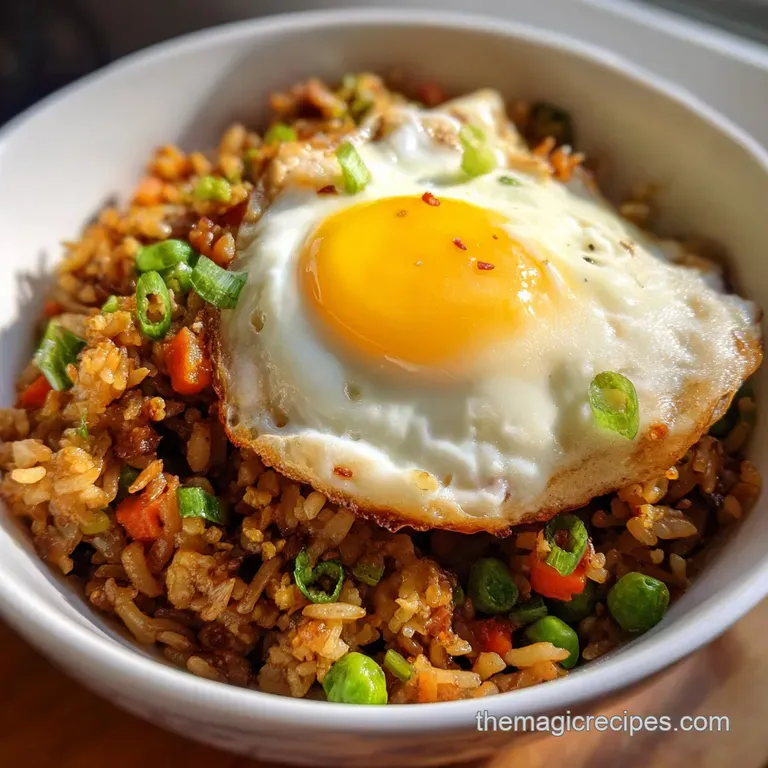
When that intense sizzle hits the oil and the nutty, savory aroma of garlic and ginger starts filling your kitchen, you know magic is about to happen. This isn’t just some sad pile of sticky grains; we are making the gold standard of Egg Fried Rice , the kind that comes out bouncy, smoky, and absolutely addictive.
Get ready for a serious upgrade from your usual takeout joint.
I swear, this recipe has saved my weeknights more times than I can count. It’s the ultimate kitchen lifesaver because it’s fast, incredibly economical, and built entirely around using up leftovers. If you have three cups of cold rice, three eggs, and ten minutes, dinner is served.
So, ditch the soggy nightmares of the past and let’s unlock the actual secrets to making truly stellar, restaurant quality Egg Fried Rice at home. Trust me, it’s all about the technique, and I’m here to walk you through the speed and precision required to pull off this classic dish.
Achieving Wok Hei: The Science of Perfectly Fried Rice Texture
Fried rice isn't just cooked rice; it’s flashed rice. The difference between a bland, sticky disappointment and a sublime bowl of flavor is the mastery of high heat and moisture control.
Defining "Wok Hei": The Smoky Flavor Profile
Wok hei literally translates to "the breath of the wok," and it’s the holy grail of Cantonese cooking. It's that elusive, subtly smoky, slightly caramelized flavor you can't quite identify, but you absolutely crave.
You achieve this in your home kitchen by ensuring two things: crazy high heat and very little moisture. When a tiny bit of oil or sauce hits the screaming hot surface of the wok and vaporizes instantly, that smoke incorporates into the rice.
Why Day-Old Rice is Non-Negotiable for Optimal Texture
If you ignore only one tip in this entire Egg Fried Rice recipe, please don't let it be this one. Freshly cooked rice is full of starch and steam; it will turn into a gummy, gloppy mess the moment it hits the pan. Day-old rice, ideally chilled overnight, has dried out completely, making the individual grains firm. This firmness allows the rice to fry and separate beautifully, giving you that wonderful bouncy texture. (If you’re planning ahead, check out my tips for making perfect, separate grains in my Brown Rice: The Fluffy Foolproof Stovetop Recipe (The Chefs Secret) post.)
A Note on Oil Choice: Neutrality is Key
We are using extremely high heat here. This means oils like extra virgin olive oil are completely out, as they have low smoke points and will turn bitter. Stick to neutral, high smoke-point options like canola, peanut, or vegetable oil.
Using enough oil is also crucial; the rice should be coated, not swimming, but certainly not dry.
The Maillard Reaction: Browning for Depth of Flavor
We’re not just warming the rice; we are browning it slightly! The Maillard reaction that wonderful process that browns proteins and carbohydrates adds incredible depth.
When you press the rice against the hot wok surface, you are encouraging this reaction, transforming bland white rice into something complex and savory.
Temperature Control: High Heat is Your Only Friend
Seriously, crank it. If you’re using an electric range, let the pan preheat for a full five minutes before adding the oil. If your heat is too low, the ingredients will sit, sweat, and steam. We need a rapid sear, not a slow simmer.
The Single Layer Rule: Preventing Steaming in the Wok
This is the fastest way to ruin a large batch of Egg Fried Rice . If you overcrowd the wok, the temperature drops instantly, and the ingredients start releasing steam the exact opposite of what we want.
If you are doubling the recipe, you must cook it in two separate batches. This single layer rule ensures everything stays hot and happy.
Essential Ingredients for Maximum Flavor and Fluffiness
The beauty of classic Egg Fried Rice is its simplicity; there’s nothing exotic here, just perfect execution. These simple egg fried rice ingredients rely on balance.
The Optimal Rice Grain: Which Variety to Use
The best grain for this specific fried rice recipe is long grain Jasmine rice. It cooks up light and fluffy, and once chilled, the grains stay distinct and separated.
| Ingredient | Recommendation | Quick Substitution |
|---|---|---|
| Jasmine Rice | Day-old, chilled | Long grain Basmati, or firm Brown Rice |
| Light Soy Sauce | Standard light variety | Tamari (for gluten-free) or Coconut Aminos |
| White Pepper | Crucial for authenticity | Black pepper (use slightly less) |
| Neutral Oil | Peanut or Canola | Grapeseed or Sunflower oil |
Preparing the Eggs: Scrambling vs. The Direct Method
We use the quick scramble method here. By cooking the eggs separately and removing them, we ensure they don't get rubbery or disappear into the rice grains. They become little savory pockets ready to be mixed back in at the end. My worst mistake when learning was leaving the eggs in while frying the rice; they burned!
Soy Sauce vs. Salt: Achieving Perfect Seasoning Balance
We use light soy sauce for the salt and umami base, and a touch of dark soy sauce (if you have it) purely for that rich, appealing caramel color. Don't rely solely on salt, as you'll lose the depth the fermented soy provides. However, always taste at the end!
If the flavor is flat, a small pinch of sea salt will wake up the whole dish.
Quick Substitutions (e.g., green onion alternatives and aromatics)
Garlic and ginger provide an essential aromatic punch. If you don't have fresh ginger, leave it out rather than using dried powder it won't provide the same fresh, sharp flavor. If you're out of green onions (scallions), you can use a finely minced shallot, cooked first, to provide a similar mild onion flavor.
Chef’s Note: The single most important ingredient after the rice itself is the White Pepper. It delivers a sharp, clean finish that distinguishes authentic Asian cuisine from generic stir fries. Do not skip this!
The 10 Minute Wok Method: step-by-step Cooking Guide
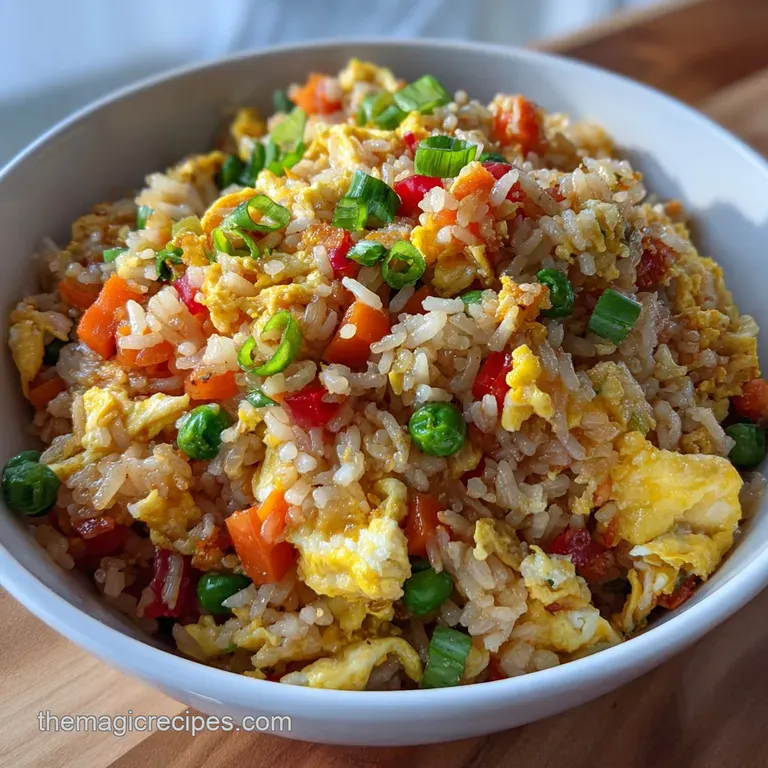
Ready for a sprint? This classic egg fried rice recipe easy version requires your mise en place to be locked down. Have everything sliced, measured, and sitting right next to your screaming hot stove.
Stage 1: Building the Egg Barrier in High Heat
- Heat Oil and Cook Eggs: Heat 1 Tbsp of oil in the wok over medium high heat. When shimmering, pour in the beaten eggs. Scramble them quickly, using your spatula to fold them over. They should be just set and slightly glistening (about 45 seconds).
- Remove: Immediately slide the eggs onto a clean plate and set aside. If any little bits have burned onto your wok, wipe it clean now. (The quick, hot scramble here is very different from the fluffy batter we use for Chile Relleno Recipe: Fluffy Egg Batter and Smoky Poblano Filling , for example, which needs careful over low heat frying!)
Stage 2: Introducing the Rice and Breaking Up Clumps
- Aromatics First: Return the wok to high heat . Add the remaining 2 Tbsp of oil. Wait for the oil to shimmer it should almost look like it’s smoking. Add the white parts of the spring onions, minced garlic, and optional ginger. Stir fry for a quick 30 seconds until your kitchen smells amazing and nutty.
- Add Veggies: Toss in the diced carrots and thawed frozen peas. Stir fry for 60 seconds until they are tender crisp.
- The Rice Flip: Now, add the prepared, cold rice (already lightly coated in oil, right?). Use the back of your spatula to press down firmly and break up any remaining clumps. You must toss and stir continuously for 2– 3 minutes. The rice needs to heat through completely and coat itself in the oil and aromatics. It should feel dry and start bouncing around the wok. This is how you achieve the best wok hei !
Stage 3: Rapid Seasoning and Finishing Touches
- The Sizzle Pocket: Push the rice mixture to one side of the wok, creating a small empty space against the hot metal.
- Add the Sauce: Pour the prepared sauce mixture (Light/Dark Soy, Sesame Oil, White Pepper) directly into the well. Let it sizzle fiercely for about 5 seconds. This brief contact with the intense heat helps the sugar in the soy sauce caramelize slightly.
- Toss and Combine: Immediately toss the rice and sauce rapidly to coat everything evenly. The rice should turn a beautiful golden brown color.
- Final Mix: Return the cooked egg pieces to the wok. Toss gently to combine. Taste it! Adjust with a tiny pinch of salt if needed. Serve your perfect Egg Fried Rice immediately, topped with the reserved dark green parts of the scallions.
Chef Secrets and Troubleshooting: Preventing Soggy Fried Rice
If your rice is coming out wet and heavy, you are likely failing in one of two areas: rice prep or heat management. We can fix both!
Common Mistake 1: Overcrowding the Pan/Wok
I know I already mentioned this, but it bears repeating: This is the number one killer of texture in any fried rice recipe . If you try to cook more than 4 servings at once, your temperature will drop, and your ingredients will stew instead of fry.
Always cook in batches, even if it feels like a hassle.
Pro Tip: How to Revive Cold, Sticky Rice Mid-Fry
Even if you started with day-old rice, sometimes it clumps up, especially if it was packed tightly in the fridge. If you notice persistent sticky lumps during Stage 4, don't panic. Add half a teaspoon more oil to the wok, then use your spatula to aggressively flatten those clumps against the hot bottom surface.
This friction and heat will break them apart and encourage separation quickly.
Addressing Uneven Heat Distribution
If you’re using a standard flat bottomed pan instead of a wok, make sure you are tossing the rice frequently and moving it from the center (where the heat is) to the sides. If your stove is struggling to maintain high heat, simply remove the pan for 30 seconds to let the heat build up again, and then return the rice to the heat.
Meal Prep & Storage: Keeping Your Fried Rice Fresh
This egg fried rice with leftover rice is already an amazing meal prep choice, but how long does it last, and what’s the best way to keep it delicious?
Safe Cooling Practices After Cooking
Cooked rice is notorious for the rapid growth of Bacillus cereus bacteria if left at room temperature. To store leftovers safely, divide the hot rice into small, shallow containers immediately after cooking.
This allows the heat to dissipate rapidly, bringing the rice down to safe refrigeration temperatures quickly.
Reheating Egg Fried Rice Without Drying It Out
Never microwave it cold! It will turn hard and dry. The best method is to reheat your Egg Fried Rice in a hot pan (ideally cast iron) with a teaspoon of fresh oil. Spread the rice thinly and toss it for 2– 3 minutes until piping hot.
This brings back the crispy texture without losing moisture.
Freezing Cooked Rice for Future Use
You can absolutely freeze cooked fried rice! Once completely cooled, transfer it to freezer safe bags or airtight containers. It keeps well for up to 3 months. To reheat, thaw overnight in the fridge and then follow the stovetop reheating method described above.
It’s perfect for whipping up a lightning fast dinner when you need an egg fried rice recipe easy option.
Elevating the Meal: What to Serve Alongside Classic Egg Fried Rice
Since this dish is so straightforward, it pairs brilliantly with something rich or spicy.
If you are serving this for a cozy night in, I love pairing the simplicity of this Egg Fried Rice with crispy Vegetable Spring Rolls and a fiery dipping sauce.
For a protein boost, you could even make a large batch of egg fried rice with chicken by adding pre-cooked diced chicken breast into the pan alongside the eggs in Stage 2. A simple, spicy cucumber salad adds a refreshing crunch that cuts through the richness beautifully.
This recipe might be fast, but the flavor is seriously sophisticated!
Recipe FAQs
Why do I need to use day-old (or cold) rice for Egg Fried Rice?
Using cold, day-old rice is the most critical step to prevent a soggy outcome. Freshly cooked rice retains too much moisture, which turns to steam upon hitting the hot wok and makes the final dish sticky and mushy.
Cold rice is firmer, drier, and separates easily, allowing the oil and soy sauce to coat each grain perfectly during the high heat stir fry.
My rice is clumpy and not separating during the stir fry. What went wrong?
Clumpy rice usually means the grains were not sufficiently separated before they hit the wok, or the heat was not high enough. Before cooking, use your hands or a wooden spoon to break up any large clumps of cold rice thoroughly.
Ensure your wok is smoking hot before adding the oil and rice, as this rapid heat encourages immediate separation and crisping.
How do I achieve that desirable smoky flavour, or 'wok hei'?
The smoky "wok hei" flavour comes from cooking ingredients rapidly over extremely high heat (usually 400°F+). To achieve this at home, use the largest burner on your stove and avoid overcrowding the wok, as this drops the temperature instantly.
When the sauce or fat hits the scorching metal, a slight caramelization and smoking occur, imbuing the dish with the signature smoky aroma.
When is the best time to add the egg, and should it be mixed with the rice?
The classic technique involves pushing the rice and other solids to one side of the wok and pouring the whisked egg into the cleared space. Quickly scramble the egg until just set, then immediately fold it into the rice mixture to ensure the egg remains fluffy and dispersed throughout the dish.
Adding the egg too early or too late can result in either dry specks of egg or a wet coating.
Can I use brown rice or other grains instead of white rice?
While traditional recipes rely on medium or long grain white rice, you can technically use brown rice, though the texture will be denser and require longer cooking time. If using brown rice, ensure it is thoroughly chilled and very dry; you may need to add a splash more oil to prevent sticking.
Other grains like quinoa are not recommended as they lack the starch content needed to hold up under the vigorous stir fry process.
How should I store leftover Egg Fried Rice, and can I freeze it?
Store leftovers in an airtight container in the refrigerator for up to 3 days; reheat thoroughly in a hot skillet or microwave until steaming. While technically possible, freezing is not recommended as it significantly changes the texture of the rice upon thawing, often resulting in a mushy or excessively dry result.
Fried rice is best enjoyed fresh or within a day or two of preparation.
Perfect 10 Minute Egg Fried Rice
Ingredients:
Instructions:
Nutrition Facts:
| Calories | 518 kcal |
|---|---|
| Protein | 12.5 g |
| Fat | 18.3 g |
| Carbs | 66.1 g |
