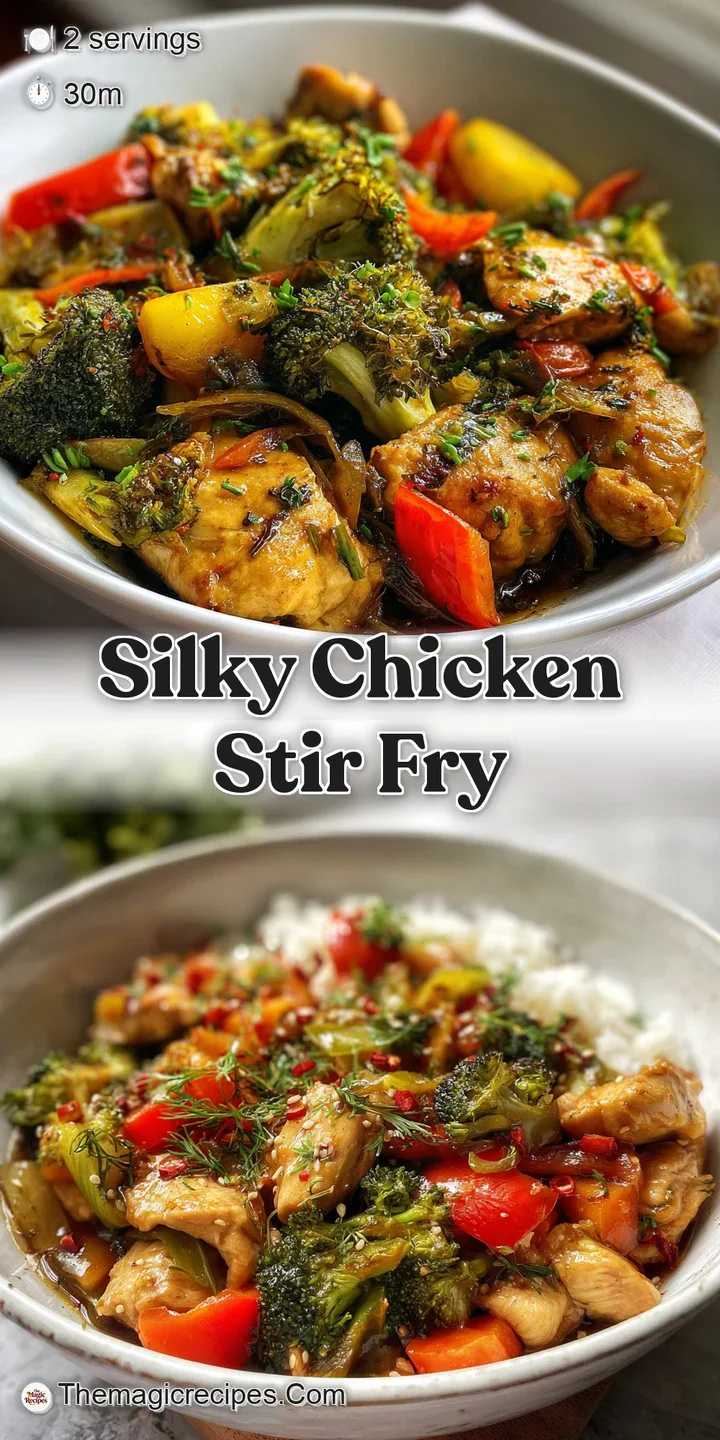
Idea Para Comida Con Pollo Y Verduras: Estilo Chino
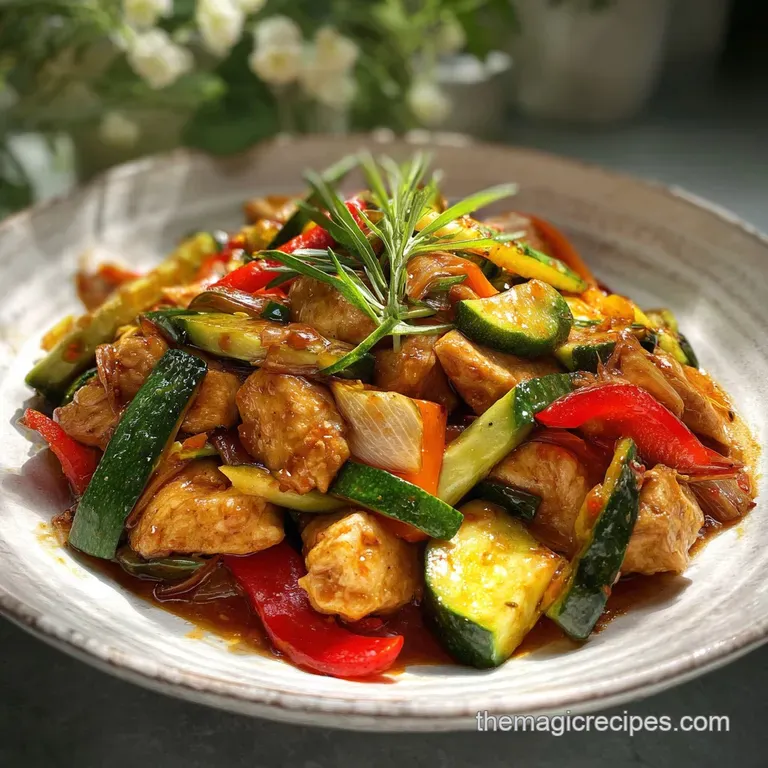
- Time: Active 20 minutes, Passive 10 minutes, Total 30 minutes
- Flavor/Texture Hook: Silky chicken and crisp tender vegetables
- Perfect for: Busy weeknight dinners and healthy meal prep
- Best Idea para comida con pollo y verduras
- The Science of Silkiness
- Decision Shortcut for Stir Fry
- Ingredient Component Analysis
- Essential Elements and Substitutes
- Step-by-Step Cooking Flow
- Troubleshooting Your Stir Fry
- Scaling for More People
- Stir Fry Texture Secrets
- Kitchen Myths Debunked
- Storage and Zero Waste
- Serving and Presentation
- High in Sodium (⚠️)
- Recipe FAQs
- 📝 Recipe Card
Best Idea para comida con pollo y verduras
I can still smell the sharp, peppery aroma of ginger hitting hot oil in my first kitchen. Back then, I used to just throw everything in the pan at once, wondering why my chicken came out dry as wood while my peppers turned into gray mush.
It was frustrating, but it forced me to learn that a great stir fry isn't about the heat it's about the timing. This recipe delivers a standout chicken and vegetable meal idea that solves those exact problems.
We've all been there, staring at a pack of chicken breasts and a half empty crisper drawer on a Tuesday night. This isn't just a "throw it in" kind of meal; it’s a method I've honed through dozens of soggy mistakes.
You’re going to get that restaurant style glossy sauce and chicken that actually stays juicy.
What I love most is how the kitchen starts to hum once that ginger and garlic sizzle. It's fast, it's loud, and it's incredibly satisfying when you see those vibrant colors stay bright on the plate. Trust me, once you try the cornstarch trick, you'll never go back to plain sautéed chicken again.
The Science of Silkiness
Starch Gelatinization: The cornstarch coating creates a thin, protective barrier that traps moisture inside the protein fibers while thickening the sauce instantly upon contact with heat.
Cellular Integrity: Brief, over high heat exposure softens the cellulose in the carrots and broccoli without collapsing their structure, preserving that essential "snap" and vibrant color.
Decision Shortcut for Stir Fry
| Cook Method | Time | Texture | Best For |
|---|---|---|---|
| over High heat Wok | 10 minutes | Maximum char and snap | Authentic flavor |
| Large Cast Iron | 12 minutes | Even browning | Home kitchens |
| Stainless Steel | 15 minutes | Standard sear | Everyday meals |
Finding the right balance of heat is the biggest hurdle for most home cooks. If you use a pan that's too small, the vegetables will steam in their own juices rather than searing, which leads to that dreaded limp texture. I always recommend working in batches if your stovetop can't keep a single large pan roaring hot.
It makes a world of difference in the final bite.
Ingredient Component Analysis
| Ingredient | Science Role | Pro Secret |
|---|---|---|
| Cornstarch | Moisture barrier | Massage it into the meat until it disappears into a paste |
| Rice Vinegar | Acidic balance | It cuts through the salt of the soy sauce to brighten the finish |
| Toasted Sesame Oil | Aromatic fat | Always add at the end or in the marinade; high heat destroys its delicate scent |
Essential Elements and Substitutes
- 350g chicken breast: Sliced into 1/4 inch strips. Why this? Thin strips ensure fast cooking without drying out the center.
- Substitute: Chicken thighs (boneless) for more fat and flavor.
- 1 tbsp cornstarch: Used for the velveting process. Why this? Essential for that "slippery" restaurant texture.
- Substitute: Arrowroot powder (1:1 ratio).
- 4 tbsp low sodium soy sauce: Divided for marinade and sauce. Why this? Provides the salt and deep amber color.
- Substitute: Tamari for a gluten-free option.
- 1 tbsp oyster sauce: Adds body and savory depth. Why this? The secret to "umami" in Chinese inspired cooking.
- Substitute: Vegetarian mushroom sauce.
- 1 tbsp rice vinegar: For a hit of acidity.
- Substitute: Apple cider vinegar.
- 1 tsp honey: To balance the salty soy.
- Substitute: Brown sugar or maple syrup.
- 1 tbsp fresh ginger: Grated finely.
- Substitute: 1/2 tsp ground ginger (though fresh is far superior).
- 3 cloves fresh garlic: Minced.
- 1/4 cup cold water: To thin the starch in the sauce.
- 1 cup broccoli florets: Cut small for even cooking.
- 1 medium red bell pepper: Julienned.
- 1 large carrot: Sliced into thin coins.
- 1/2 cup snow peas: Trimmed.
- 2 stalks green onions: Sliced on the bias.
- 2 tbsp neutral oil: Such as avocado or grapeseed.
step-by-step Cooking Flow
The Velveting Phase
Place the 350g sliced chicken in a bowl with 1 tbsp of the soy sauce, the 1/2 tsp toasted sesame oil, and 1 tbsp cornstarch. Note: Use your hands to coat every piece; the starch should form a light, invisible film.
The Umami Sauce
In a separate small jar, whisk the remaining 3 tbsp soy sauce, 1 tbsp oyster sauce, 1 tbsp rice vinegar, 1 tsp honey, grated ginger, minced garlic, and 1/4 cup cold water. Note: Whisking now prevents the honey from sitting at the bottom of the pan later.
Searing the Protein
Heat 1 tbsp of the neutral oil in a large skillet over high heat until a drop of water flicked onto it dances and evaporates. Note: If the oil isn't hot enough, the chicken will stick.
Proper Chicken Searing
Add the chicken in a single layer and cook for 2 minutes without moving it to develop a golden crust. Flip and cook for another 1 minute until just opaque but not fully firm. Remove from the pan and set aside.
Vegetable Flash Fry
Wipe the pan if needed, add the remaining 1 tbsp oil, then toss in the carrot coins and broccoli florets. Note: These take the longest to cook, so they go first.
Adding the Aromatics
Stir fry the hard veggies for 2 minutes, then add the julienned red pepper and snow peas. Cook for another 2 minutes until the colors become vivid and bright.
The Sauce Emulsion
Give your sauce mixture a final shake and pour it into the center of the pan with the vegetables. Note: The starch in the sauce will begin to bubble and thicken within seconds.
The Final Toss
Return the chicken (and any juices) to the pan along with the sliced green onions. Note: This is similar to the technique we use for our Whole30 Real Food recipe where the protein finishes in the residual heat.
Finishing the Glaze
Toss everything together for 1 minute until the sauce turns into a glossy, velvety coating that clings to every piece.
Troubleshooting Your Stir Fry
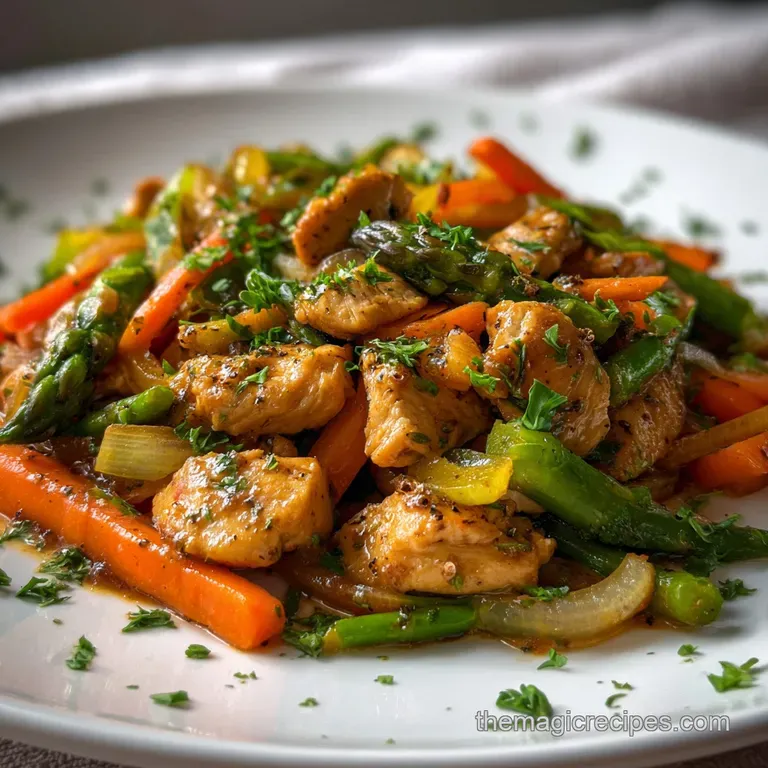
Why Your Sauce is Clumpy
If the sauce turns into a thick, gelatinous blob the moment it hits the pan, the heat was likely too high or you didn't whisk the cornstarch in the sauce well enough.
| Problem | Root Cause | Solution |
|---|---|---|
| Gluey Sauce | Starch settled at bottom | Whisk sauce again right before pouring |
| Soggy Veggies | Overcrowded pan | Cook in two batches to maintain heat |
| Dry Chicken | Overcooked in first step | Remove chicken when 80% done; finish in sauce |
Common Mistakes Checklist
- ✓ Never add cold chicken directly from the fridge; let it sit for 10 minutes to ensure even searing.
- ✓ Don't skip the "velveting" cornstarch step; it's the only way to protect the meat from the aggressive heat.
- ✓ Avoid using extra virgin olive oil; its low smoke point will burn and turn bitter at stir fry temperatures.
- ✓ Resist the urge to stir the chicken constantly; let it sit for that first minute to get a proper sear.
- ✓ Make sure the broccoli florets are small large chunks will stay raw in the center while the rest overcooks.
Scaling for More People
When you're feeding a crowd, the biggest trap is doubling everything and dumping it into one pan. If you double this "Idea para comida con pollo y verduras", you must double your patience. Cook the chicken in two separate batches, and do the same for the vegetables.
If you crowd the pan, you lose the "fry" and get a "steam," resulting in gray meat and limp carrots.
For a smaller portion (halving the recipe), you don't need to change much, but keep an eye on the sauce. In a large pan, a half batch of sauce evaporates very quickly. You might want to add an extra tablespoon of water just to keep things moving.
Also, remember that a smaller amount of food cooks much faster shave about 30 seconds off each vegetable step.
Stir Fry Texture Secrets
| Method | Finish | Best For |
|---|---|---|
| High Heat + Quick Toss | Crispy Snap | Immediate serving |
| Medium Heat + Lid On | Tender Soft | Kids/Elderly |
| High Heat + Extra Sauce | Silky Glazed | Serving over rice |
Kitchen Myths Debunked
Many people think you need a professional grade wok burner to get a good stir fry at home. That's simply not true. While a wok is great for tossing, a heavy bottomed stainless steel or cast iron skillet actually holds heat better on a standard home stove, which is exactly what you need for this recipe.
Another myth is that you should salt your vegetables at the beginning to draw out flavor. In a stir fry, salting early draws out moisture, which creates steam and makes the vegetables soggy. Save the salt (or in this case, the soy sauce) for the final minutes to keep everything crisp and bright.
Storage and Zero Waste
Storage: This dish keeps remarkably well in the fridge for up to 3 days in an airtight container. When reheating, I suggest adding a splash of water or a tiny bit more soy sauce to loosen the glaze, as the starch will tighten up when cold.
Avoid the microwave if possible; a quick 2 minute toss in a hot skillet is much better for the texture.
Freezing: While you can freeze this, be aware that bell peppers and snow peas will lose their crunch once thawed. If you plan to freeze it, undercook the vegetables slightly during the initial prep. It will stay good in the freezer for about 2 months.
Zero Waste Tip: Don't throw away those broccoli stalks! Peel off the tough outer skin with a vegetable peeler, slice the tender inner core into matchsticks, and throw them in with the carrots. They have a lovely, sweet flavor that's often wasted.
Also, those green onion roots can be placed in a glass of water on your windowsill to regrow for your next meal.
Serving and Presentation
Presentation is half the battle with a simple stir fry. I love serving this in a wide, shallow bowl rather than a deep one so the vegetables don't pile up and steam each other at the table. A final sprinkle of toasted sesame seeds adds a nice visual pop and a subtle crunch that complements the snow peas perfectly.
If you find yourself making this often, you might also enjoy the ease of a Weeknight Recipes Inspo that uses similar flavor profiles but with a hands off roasting method. For this dish, though, the beauty is in the speed. Serve it immediately while the steam is still rising and the colors are at their peak. It doesn't need much just a bowl of fluffy jasmine rice or some simple rice noodles to soak up that glossy, ginger spiked sauce.
High in Sodium (⚠️)
910 mg mg of sodium per serving (40% % of daily value)
The American Heart Association recommends limiting sodium intake to about 2,300mg per day.
Tips to Reduce Sodium in This Recipe
-
Reduce Soy Sauce-20%
The soy sauce is a major source of sodium. Reduce the amount of low-sodium soy sauce by half (2 tbsp instead of 4 tbsp) and consider using a no-sodium soy sauce alternative or coconut aminos to further lower sodium.
-
Limit Oyster Sauce-15%
Oyster sauce is high in sodium. Reduce the amount used by half, or replace it with a combination of 1 tsp of dark brown sugar and 1/2 tsp of Worcestershire sauce. Consider a low-sodium version if available.
-
Skip the Marinade-10%
While the marinade adds flavour, it also adds a lot of sodium. Marinate chicken in a no-sodium marinade of ginger, garlic, honey, and rice vinegar for less time (15-20 minutes). Alternatively, skip it altogether.
-
Rinse Vegetables
While not directly applicable to the listed ingredients (since they are fresh), always rinse pre-cut or packaged vegetables thoroughly to remove excess sodium from processing or preservatives. Not applicable in this recipe.
-
Spice it Up!
Enhance the flavor with sodium free herbs and spices like black pepper, red pepper flakes, garlic powder (instead of garlic salt), onion powder, or a blend of your favorite spices to compensate for less sodium.
Recipe FAQs
What vegetables pair well with chicken in a quick meal?
Broccoli, carrots, red peppers, and snow peas are ideal. These firm vegetables hold up well to high heat cooking, retaining a pleasant crunch without becoming mushy.
What is a healthy lunch idea using chicken and vegetables?
A quick, velveting stir fry is a fantastic healthy lunch. Coating the chicken in a light starch before searing keeps it juicy while vegetables provide essential fiber and vitamins; look for inspiration in our High Protein Recipes.
How can I prepare chicken to ensure it stays healthy?
Baking, grilling, or stir frying with minimal oil are the healthiest methods. Avoid deep frying, and for stir frying, use the cornstarch velveting technique to lock in moisture without adding excessive fat.
Is chicken and vegetables considered a healthy meal?
Yes, chicken and vegetables are inherently a very healthy pairing. Chicken provides lean protein, and vegetables offer necessary micronutrients; the overall health depends heavily on the cooking fat and sauce ingredients used.
What is the healthiest way to cook chicken?
Baking or poaching are generally the least calorically dense options. If you prefer flavor development, stir frying quickly over high heat with only a teaspoon of neutral oil works well to seal in flavor while minimizing fat absorption.
Is it safe to eat chicken cooked a while ago for dinner tonight?
Yes, provided it was stored correctly immediately after cooking. Chicken must be refrigerated below 40°F (4°C) within two hours; leftovers are safe to eat within 3 to 4 days when properly chilled.
Can I add other types of vegetables, like zucchini, to the chicken?
Absolutely, you can add almost any vegetable you have on hand. Zucchini has a high water content, so add it toward the end of the stir fry process to prevent it from releasing too much moisture and steaming your other ingredients.
Pollo Y Verduras Stir Fry
Ingredients:
Instructions:
Nutrition Facts:
| Calories | 342 kcal |
|---|---|
| Protein | 41.8 g |
| Fat | 10.4 g |
| Carbs | 15.6 g |
| Fiber | 3.8 g |
| Sugar | 5.2 g |
| Sodium | 910 mg |
