Savory Roasted Squash Soup: Velvety and Rich

- Time:15 minutes active + 45 minutes cooking
- Flavor/Texture Hook: Velvety smooth with mahogany roasted depth
- Perfect for: Rainy autumn weeknights or healthy meal prep
- Savory Roasted Squash Soup
- Why This Flavor Profile Hits
- The Essential Component List
- Gathering Your Essentials
- Tools For The Job
- How To Make It
- Fixing Common Soup Issues
- Troubleshooting Common Issues
- Twists On The Base
- Scaling The Recipe
- Truth About Squash Myths
- Storage And Waste Tips
- Plating For The Wow
- Recipe FAQs
- 📝 Recipe Card
Savory Roasted Squash Soup
I can still smell that first batch I made a few years back. I had just come in from a freezing October rain, and the house felt damp and cold. I tossed some cubed squash on a tray, slid it into the oven, and waited for that specific, sweet savory aroma to fill the kitchen.
There is something about the sizzle of roasting vegetables that just tells your brain it's time to slow down and get cozy.
Most people just boil their squash in broth, but that's where they go wrong. It ends up tasting like baby food, just sweet and flat. The secret is the roast. When those edges turn a deep mahogany, you get a complexity that transforms the whole bowl. This Savory Roasted Squash Soup isn't just a side dish, it's a full on hug in a bowl that hits every taste bud.
You're going to get a vibrant, nourishing meal that balances the richness of heavy cream with a sharp, acidic finish from lemon juice. It's velvety on the tongue but has enough spice from the cumin and thyme to keep it interesting.
Trust me, once you do the roasting step, you'll never go back to the stovetop only method.
Why This Flavor Profile Hits
I've spent way too much time messing around with different squash types and roasting times to figure out why some soups taste "fancy" and others just taste like mush. It comes down to a few simple things that happen in the pan and the pot.
- Browning for Depth: Roasting at high heat dries out the surface of the squash, allowing the natural sugars to brown. This creates a savory contrast to the sweetness.
- Blooming the Spices: Stirring the thyme and cumin into the hot butter before adding liquid wakes up the oils in the herbs. This makes the flavor punchy rather than dusty.
- The Acid Balance: A splash of lemon juice at the very end cuts through the fat of the butter and cream. It brightens the whole profile and stops it from feeling cloying.
- Texture Layering: By using a mix of onion and carrots in the base, we add a different kind of sweetness and body that supports the squash without overpowering it.
Right then, before we get into the ingredients, you need to decide how you're actually making this. Most people ask if they can just simmer everything. You can, but the result is totally different.
| Method | Time | Texture | Best For |
|---|---|---|---|
| oven roasted | 60 mins | Rich and concentrated | Maximum flavor and depth |
| Stovetop Only | 40 mins | Lighter and smoother | Quick weeknight meals |
| Slow Cooker | 6 hours | Very soft and uniform | Set it and forget it days |
Now that we've settled on the roasting method, let's look at what each ingredient is actually doing in the pot.
The Essential Component List
It's easy to think of this as just "squash and water," but every part of this Savory Roasted Squash Soup has a job. If you pull one piece out, the whole balance shifts.
| Ingredient | Science Role | Pro Secret |
|---|---|---|
| Butternut Squash | Primary Body | Roast until the edges are nearly charred for a smoky vibe |
| Unsalted Butter | Flavor Carrier | Use European style butter for a richer, silkier mouthfeel |
| Lemon Juice | Brightness Agent | Always add at the end so the heat doesn't dull the acidity |
| Heavy Cream | Texture Stabilizer | Temper it with a bit of hot soup before stirring it in |
Gathering Your Essentials
I'm a big fan of getting everything chopped and ready before the oven even preheats. It saves so much stress. For the squash, don't be afraid to leave a few small bits of the skin if you're using a smaller variety, though for butternut, peeling is usually the way to go.
The Produce & Pantry 3 lb butternut squash, peeled and cubed Why this? Balanced sweetness and creamy texture 2 tbsp extra virgin olive oil Why this? High smoke point for roasting 1 tsp kosher salt 1/2 tsp cracked black pepper 2 tbsp unsalted butter Why this? Adds a nutty, savory richness 1 medium yellow onion, diced 2 medium carrots, diced Why this? Adds earthy sweetness and color 4 cloves garlic, minced 1 tsp dried thyme 1/2 tsp ground cumin Why this? Adds a subtle, warm smokiness 4 cups low sodium vegetable or chicken broth 1/2 cup heavy cream Why this? Creates the velvety finish 1 tbsp lemon juice Why this? Cuts through the richness
Smart Swaps
| Original Ingredient | Substitute | Why It Works |
|---|---|---|
| Heavy Cream | Full fat Coconut Milk | Similar fat content. Note: Adds a tropical, nutty flavor |
| Butternut Squash | Acorn Squash | Similar texture. Note: Check out this tutorial on how to do just that for prep |
| Vegetable Broth | Chicken Stock | Higher umami. Note: Makes the soup taste more savory |
| Dried Thyme | Fresh Sage | Similar earthy notes. Note: Use 1 tbsp chopped fresh sage |
I once tried using low-fat milk instead of cream, and honestly, don't even bother. The soup loses that luxurious feel and can sometimes separate if you overheat it. Stick to the full fat stuff for the best results.
Tools For The Job
You don't need a professional kitchen for this, but a few specific tools make it way easier. If you don't have an immersion blender, a standard blender works, but you have to be careful with the hot liquid (leave the vent open!).
- Large Baking Sheet: To ensure the squash isn't crowded. If they touch too much, they steam instead of roasting.
- Dutch Oven: My favorite for this because it goes from the stove to the table. A heavy bottomed pot works too.
- Immersion Blender: The absolute best way to get that velvety texture without transferring hot soup to another jar.
- Sharp Chef's Knife: Peeling and cubing 3 lbs of squash is a workout, so make sure your blade is keen.
How To Make It
Let's crack on. This is where the magic happens. Just remember to keep an eye on the oven, as every oven has its own personality.
Roasting for Maximum Depth
- Preheat oven to 400°F (200°C). Toss cubed butternut squash with olive oil, salt, and pepper on a baking sheet. Spread in a single layer and roast for 25–30 minutes, tossing halfway through, until edges are mahogany colored and tender. Note: Don't crowd the pan or the squash won't brown.
Sautéing the Aromatics
- Melt butter in a Dutch oven over medium heat. Add diced onion and carrots, cooking until onions are translucent and carrots have softened (about 6–8 minutes).
- Stir in minced garlic, dried thyme, and ground cumin; cook for 60 seconds until the aroma fills the kitchen. Note: Garlic burns quickly, so don't leave it for too long.
Simmering the Base
- Transfer roasted squash into the pot with the aromatics. Pour in broth and bring to a gentle boil, then reduce heat and simmer for 10 minutes. Wait until the squash is very soft before moving to the next step.
- Remove pot from heat. Use an immersion blender to blend the soup until velvety smooth. Note: Move the blender up and down to catch any stray chunks.
The Finishing Touch
- Stir in heavy cream and lemon juice. Adjust salt and pepper to taste before serving. Check for a bright, balanced flavor—if it feels too heavy, add another squeeze of lemon.
Chef's Note: If you want a really deep color, let the squash get a few dark brown spots in the oven. Those charred bits are where all the savory flavor lives.
Fixing Common Soup Issues
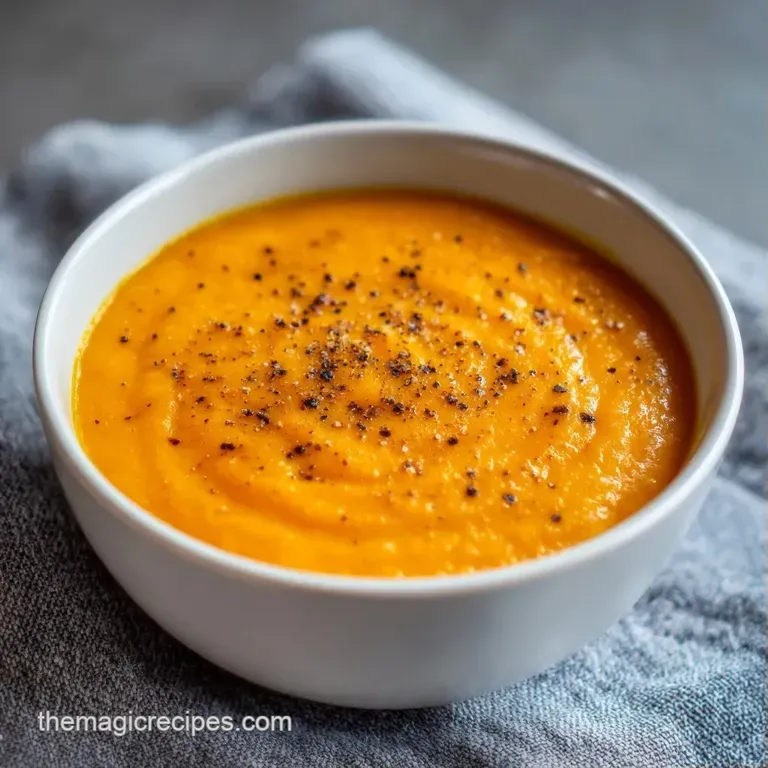
Even with a solid plan, things can go sideways. Maybe the soup is too thick, or it tastes a bit too much like a dessert. It's all fixable.
Troubleshooting Common Issues
| Issue | Solution |
|---|---|
| Why Your Soup Is Bland | Usually, this happens because of a lack of salt or acid. Squash is naturally sweet, and without enough salt to contrast it, the flavor just sits there. |
| Why Your Soup Is Gritty | This often happens if the carrots weren't softened enough or if the blender didn't run long enough. If you're using a standard blender, make sure you blend for at least 60 seconds on high. |
| Why Your Soup Is Sweet | If you used a very sweet variety of squash or over roasted the carrots, the soup might lean too far into "dessert" territory. The fix is more savory elements. |
Common Mistakes Checklist
- ✓ Did you roast the squash in a single layer? (No crowding!)
- ✓ Did you bloom the cumin and thyme in butter?
- ✓ Did you remove the pot from the heat before blending?
- ✓ Did you add the lemon juice at the very end?
- ✓ Did you taste for salt after adding the cream?
Twists On The Base
One of the best things about this recipe is how easy it is to pivot. Depending on who you're feeding or what's in your pantry, you can take this in a few different directions.
Creating a Spicy Roasted Butternut Squash Soup
For those who like a bit of a kick, add 1/2 teaspoon of red pepper flakes or a diced chipotle pepper in adobo during the sauté step. The smokiness of the chipotle pairs beautifully with the sweetness of the roasted squash.
Making a Healthy Roasted Squash Soup
If you're skipping the dairy, this is where the "Roasted Butternut Squash Soup with Coconut Milk" variation comes in. Use full fat coconut milk instead of heavy cream. It maintains that creamy texture while adding a subtle tropical note. You could even swap the butter for more olive oil. This version feels lighter but still nourishing, similar to the vibe of my Sweet Potato Buddha Bowl where the root vegetables are the star.
Adding an Autumn Twist
To make it feel even more seasonal, stir in 1/2 cup of apple cider during the simmer phase. This adds a bright, tart sweetness that complements the thyme. For a richer version, you could stir in some browned butter at the end for a nutty finish.
Quick Decision Shortcut If you want more depth → Roast squash for an extra 5 minutes. If you want it thinner → Add broth 1/2 cup at a time after blending. If you want more tang → Add an extra squeeze of lemon.
Scaling The Recipe
Whether you're cooking for a crowd or just yourself, adjusting the volume is straightforward, but you can't always just double everything.
Scaling Down (1/2 Batch) Use a smaller baking sheet so the squash doesn't spread too thin and burn. Reduce the roasting time by about 20% since there's less mass in the oven. For the aromatics, use half an onion and one carrot.
I find that spices don't always scale linearly, so start with 3/4 tsp of thyme and adjust.
Scaling Up (2x-4x Batch) When doubling or tripling, work in batches for the roasting. If you crowd the pans, you'll get steamed squash, not roasted squash. For the pot, increase the liquids by about 80% rather than a full 100%—you can always add more broth at the end if it's too thick.
Salt and spices should only be increased to 1.5x initially; taste and add more as needed.
If you're doing a massive batch for a party, consider using a larger stockpot. Just be careful when blending; if you're using a standard blender, fill it only halfway to avoid a "soup volcano" in your kitchen.
Truth About Squash Myths
There are a few things people always say about squash soup that just aren't true. Let's clear those up.
Myth: You must peel the squash first. While peeling butternut squash is standard for texture, some varieties like delicata or acorn are perfectly fine to leave unpeeled. The skin just adds a bit more fiber and a slightly different flavor.
Myth: Cream makes the soup "heavy." The "heaviness" usually comes from a lack of acid, not the cream itself. A proper balance of lemon juice or vinegar cuts right through the fat, leaving you with a velvety texture that feels light and refreshing.
Myth: You need a professional blender for smoothness. An immersion blender is convenient, but a standard blender or even a food processor can get the job done. The trick is the roasting; if the squash is tender enough, it will break down regardless of the tool.
Storage And Waste Tips
This is one of those recipes that actually tastes better the next day. The flavors have more time to mingle, and the savory roasted squash soup becomes even more cohesive.
Fridge & Freezer Store the soup in airtight containers in the fridge for up to 4 days. If you want to freeze it, I recommend freezing it before adding the cream. Dairy can sometimes separate or get a grainy texture after thawing. Store in freezer safe bags or containers for up to 3 months.
Reheating Thaw frozen soup in the fridge overnight. Warm it gently on the stovetop over medium low heat. Once it's hot, stir in your heavy cream and a fresh squeeze of lemon to wake the flavors back up. This makes it a great option for meal prep, similar to how I handle my Dutch Oven Pot Roast for the week.
Zero Waste Tips Don't throw away those squash seeds! Clean them, toss them with a bit of oil and salt, and roast them at 350°F for 15 minutes for a crunchy topping.
Also, if you have leftover carrot peels, throw them into your veggie scrap bag in the freezer to make a homemade stock later.
Plating For The Wow
Since the soup is a single, smooth color, it needs some visual contrast to look really inviting. I like to play with the "bright vs. rich" theme here.
The Signature Swirl Drizzle a tablespoon of heavy cream or coconut milk in a spiral on top of the bowl. Use a toothpick to drag the cream from the center outward, creating a beautiful web pattern.
- Roasted Pumpkin Seeds
- For a nutty, salty bite.
- Crispy Sage Leaves
- Fry fresh sage in a bit of butter for 30 seconds until they shatter.
- Crumbled Feta
- The saltiness of the cheese is a great counterpoint to the sweet squash.
The Final Touch A crack of fresh black pepper and a tiny drizzle of extra virgin olive oil on top adds a professional look and a bit of fresh, grassy flavor. Serve it with a crusty piece of sourdough bread for dipping, and you've got a meal that feels like a special occasion, even if it's just a Tuesday night.
Recipe FAQs
How to make creamy squash soup?
Stir in heavy cream and lemon juice after blending. Use an immersion blender to process the roasted squash and aromatics until velvety smooth before adding the dairy.
How to make a savory roasted squash soup?
Roast cubed butternut squash at 400°F for 25–30 minutes. Sauté onion and carrots in butter, simmer the roasted squash with broth and spices, and blend until smooth.
Is it possible to make a meal out of only vegetable soup?
Yes, though adding a side helps. At 291 kcal per serving, this soup is hearty, but it pairs perfectly with tender-crisp green beans for a more complete dinner.
Is it true that pumpkin is the only squash that works for this recipe?
No, this is a common misconception. Butternut squash provides the same creamy texture and sweetness when roasted at 400°F.
How to prevent the soup from being gritty?
Blend for at least 60 seconds on high. Ensure the carrots are fully softened during the sauté phase so they break down completely during blending.
Why does my roasted squash soup taste bland?
You likely need more salt or acid. Squash is naturally sweet, and adding extra salt or lemon juice provides the necessary contrast to brighten the flavors.
Can I freeze this soup for later?
Yes, but freeze it before adding the cream. Dairy can separate or become grainy after thawing, so stir in the heavy cream and lemon juice only after reheating.
Savory Roasted Squash Soup in 1 Hour