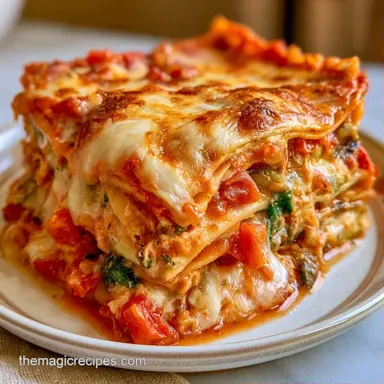
Slow Cooker Vegetarian Lasagna with Ricotta
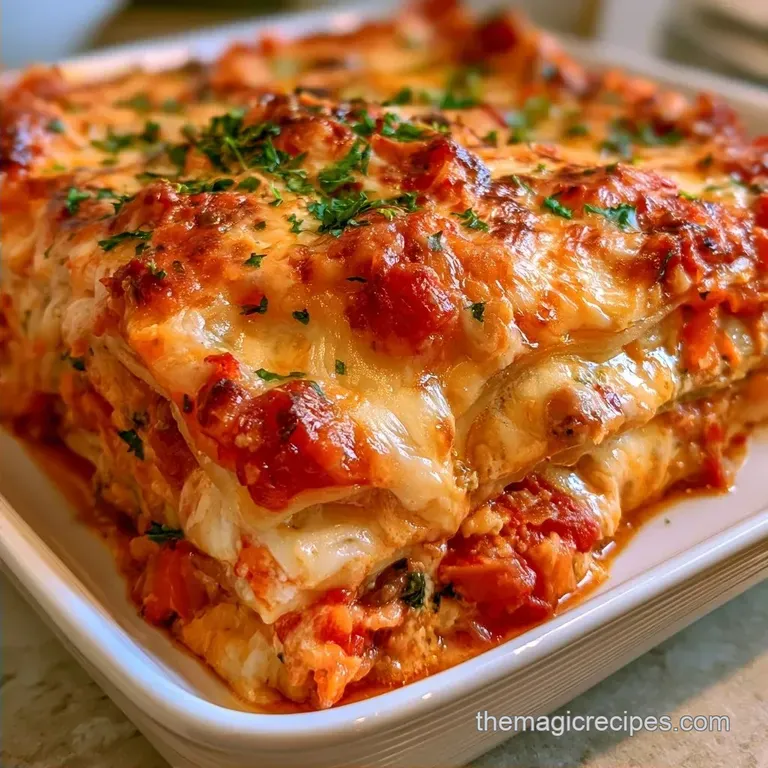
- Time: 30 min active + 3 hours cooking
- Flavor/Texture Hook: Bubbling mozzarella with a hearty, vegetable packed center
- Perfect for: Set it and forget it weeknight dinners or meal prep
The scent of garlic and browning mushrooms fills the kitchen, and honestly, that's when I know the meal is actually going to work. I remember a winter night a few years back when I tried to throw raw zucchini and spinach straight into a crockpot. It turned into a watery, bland soup that barely resembled a pasta dish.
The noodles were mush and the cheese just floated on top of a vegetable puddle.
That's where I learned that the slow cooker isn't a magic box that fixes everything. You still have to treat the ingredients with a bit of respect. This SlowCooker Vegetarian Lasagna works because we do the heavy lifting in a skillet first.
By evaporating the excess water from the mushrooms and zucchini, you lock in the flavor and keep the sauce thick.
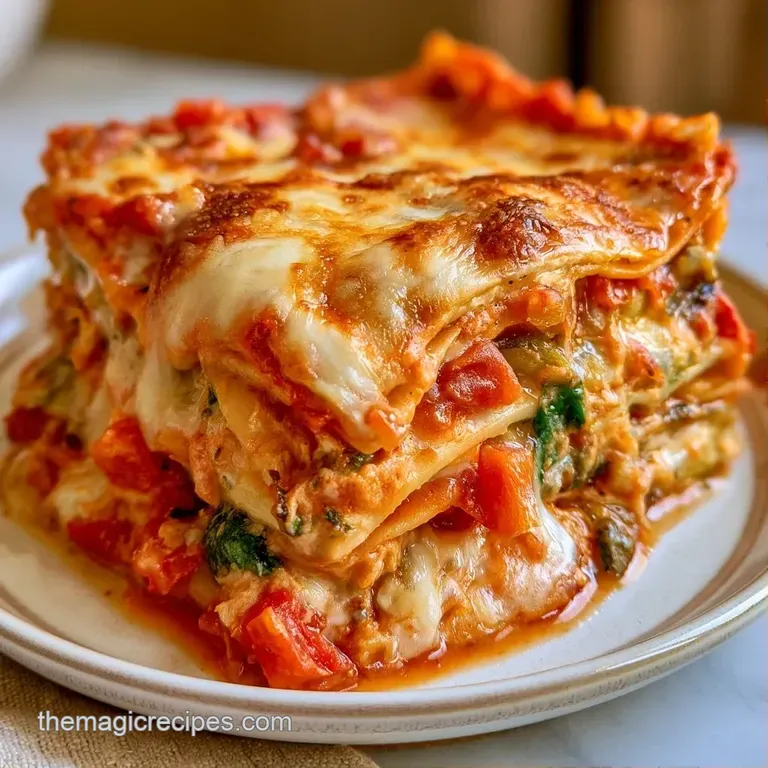
You can expect a dish that feels like a traditional bake but without the stress of watching the oven. The layers stay distinct, the ricotta is creamy, and the vegetables provide a vibrant, nourishing bite. It's a hearty way to get a bunch of greens and root vegetables into one meal.
Common Lasagna Pitfalls
Moisture Control: Raw vegetables release water as they heat. Sautéing them first ensures the liquid evaporates so the SlowCooker Vegetarian Lasagna doesn't become soggy.
The Ricotta Binder: Adding a beaten egg to the cheese mixture stops the filling from leaking out. It creates a structural bond that keeps each slice intact.
Between the two main methods of making this dish, the differences are mostly about texture and time.
| Feature | Oven Baked | Slow Cooker | Best For |
|---|---|---|---|
| Prep Time | Longer (preheating/watching) | Medium (sautéing) | Busy schedules |
| Top Crust | Browned and crispy | Soft and melted | Comfort feel |
| Texture | Firm layers | Tender, integrated | Ease of serving |
| Effort | High active monitoring | Low active monitoring | Set and forget |
Quick Recipe Specs
This SlowCooker Vegetarian Lasagna delivers a balanced meal with a focus on plant forward ingredients. It's designed to be nourishing and filling, providing a solid amount of protein from the cheeses and egg.
The cooking time is flexible. While High for 3 hours is the standard, you can let it go on Low for 6 hours if you're at work. Just remember that the noodles will continue to soften as they sit, so don't overcook them if you plan to reheat the dish the next day.
USDA guidance for reheating leftovers suggests reaching an internal temperature of 165°F to ensure safety, though a simple microwave or oven warm up usually does the trick.
Ingredient Deep Dive
The success of this SlowCooker Vegetarian Lasagna depends on the balance of fats and liquids. We use a combination of three cheeses to create different flavor profiles: ricotta for the creamy base, Parmesan for a salty punch, and mozzarella for that classic pull.
The vegetable mix is where the nutrition lives. Carrots provide a subtle sweetness that balances the acidity of the marinara, while mushrooms add an earthy, "meaty" depth. Baby spinach adds a vibrant pop of color and iron, but it must be wilted first to remove the bulk.
Marinara sauce acts as the primary hydrating agent for the noodles. Since we aren't boiling the pasta in a pot of water, the sauce does all the work. If the sauce is too thick, the noodles stay hard; if it's too thin, the whole thing collapses.
Equipment Needed
While fancy gear isn't required, a few specific tools simplify the process. A wide skillet is essential for sautéing the vegetables to avoid crowding, ensuring they brown properly rather than steaming.
A 6-quart slow cooker is the perfect size. If your pot is too small, the layers will be tight and cheese may overflow; conversely, if it's too large, the lasagna may spread and become too thin to slice easily.
The only other requirements are a large mixing bowl for the ricotta mixture and a sturdy spatula for layering.
Bringing It Together
Sautéing the Aromatics
Warm 2 tbsp olive oil in a skillet over medium heat. Add the diced onion, shredded carrot, and sliced mushrooms. Sauté for about 8 minutes until the moisture evaporates and the vegetables soften. Stir in the minced garlic and zucchini for another 2 minutes.
Fold in the baby spinach and stir until wilted, then remove from heat.
Blending the Cheese Filling
In a large mixing bowl, combine 15 oz ricotta, 1 lightly beaten egg, 1/2 cup grated Parmesan, 1 tsp dried oregano, 1/2 tsp salt, and 1/4 tsp black pepper. Mix until the consistency is smooth. Note: The egg helps keep the ricotta from becoming runny during the slow cook.
Layering the Slow Cooker
Spread 1/2 cup of the 24 oz marinara sauce across the bottom of the pot. Note: This creates a base so the bottom layer of noodles doesn't burn or stick.
Lay 3 lasagna noodles across the bottom, trimming them with a knife to fit the pot. Spread 1/3 of the ricotta mixture over the noodles, then top with 1/3 of the sautéed vegetable mix. Pour a layer of marinara over the veggies and sprinkle with a handful of shredded mozzarella.
Repeat this layering sequence two more times. Finish the SlowCooker Vegetarian Lasagna with a generous final layer of mozzarella and some torn fresh basil.
Mastering the Cook
Secure the lid firmly on the pot. Cook on High for 3 hours or Low for 6 hours until the noodles are tender and the cheese is bubbly.
When the timer finishes, take the pot off the heat. Let the dish rest for 15 minutes. Note: Resting allows the cheese to set, making it much easier to slice.
Solving Typical Texture Issues
When things go wrong with a SlowCooker Vegetarian Lasagna, it's usually a moisture issue. Because the steam stays trapped inside the pot, any extra liquid has nowhere to go.
If the noodles feel too soft, you might be using too much sauce or boiling your noodles too long before adding them. For this recipe, using no boil noodles or slightly undercooking traditional ones works best.
If the cheese separates or looks oily, it's often because the heat was too high for too long. Keeping the lid closed is important, but overcooking can break the emulsion of the cheese.
| Problem | Root Cause | Solution |
|---|---|---|
| Watery bottom | Raw veggies leaked fluid | Always sauté vegetables first |
| Mushy noodles | Overcooked or too much sauce | Use oven ready noodles or reduce marinara |
| Filling runs out | Missing egg binder | Always mix an egg into the ricotta |
| Dry edges | Lack of sauce on sides | Ensure marinara touches the pot walls |
Variations & Substitutions
Customizing this SlowCooker Vegetarian Lasagna to suit your taste is simple. For a different result, you might prefer a lasagna with ricotta that is baked in the oven for a crispier top.
If you are avoiding dairy, vegan mozzarella and cashew based ricotta are great alternatives. The result is slightly softer, though the flavor remains hearty. To increase the protein content, stir 1/2 cup of cooked lentils or cottage cheese into the vegetable mixture.
| Original Ingredient | Substitute | Why It Works |
|---|---|---|
| Ricotta (15 oz) | Cottage Cheese (blended) | Similar texture. Note: Slightly saltier than ricotta |
| Fresh Spinach | Frozen Spinach (thawed/squeezed) | Same nutrients. Note: Must squeeze out all water |
| Zucchini | Yellow Squash | Very similar water content and flavor |
| Lasagna Noodles | Egg free or Whole Wheat | Keeps the structure. Note: Whole wheat needs more sauce |
Quick Tips: Extra zing? → stir 1 tsp lemon zest into the ricotta. More protein? → add 1/2 cup cooked lentils to the vegetable mix. A bit spicier? → mix 1/2 tsp red pepper flakes into the oil.
Storage and Reheating Tips
Place any remaining SlowCooker Vegetarian Lasagna into an airtight container. It will stay fresh when chilled for 3 to 4 days.
For freezer storage, let the lasagna cool completely. Divide it into individual portions, wrap them tightly in foil, and place them inside a freezer bag. These will last up to 3 months. Before reheating, thaw them in the fridge overnight.
Warm your slices in the oven at 180°C (350°F) under a layer of foil to lock in the moisture. If using a microwave, a teaspoon of water on the plate helps keep the noodles from drying out.
Reduce waste by using extra veggie scraps (like onion ends or carrot peels) to brew a quick vegetable stock. Any leftover ricotta is great stirred into pasta or spread on toast with honey.
Serving Suggestions
Since this meal is quite indulgent, it pairs beautifully with something bright and acidic. A zesty mixed leaf salad helps balance out the richness of the cheese.
To create a complete Italian style spread, serve it alongside a bowl of traditional minestrone soup. The liquid nature of the soup contrasts perfectly with the density of the lasagna.
For a bit of added crunch, serve it with toasted garlic bread. I recommend rubbing a raw garlic clove on the bread after toasting for an extra punch of flavor.
Common Kitchen Myths
Searing vegetables "locks in nutrients." This is a misconception. While sautéing doesn't preserve every single vitamin, it creates flavor through browning and removes excess water, which is vital for the texture of this SlowCooker Vegetarian Lasagna.
No boil noodles are "low quality." Actually, they are just standard dried pasta that is designed to absorb more liquid during the cooking process. They work perfectly in a slow cooker where moisture is trapped.
Using low-fat cheese makes a "healthier" lasagna without changing the taste. low-fat cheeses often have different melting points and can become grainy or rubbery when heated for 3 to 6 hours. Stick to full fat mozzarella for the best melt.
Recipe FAQs
What can I use as a meat substitute in this lasagna?
Use the sautéed mix of mushrooms, zucchini, carrots, and spinach. These vegetables provide the bulk and savory depth typically found in meat based versions.
Can lasagna be cooked in a slow cooker?
Yes, it cooks perfectly in a crockpot. Set the device to high for 3 hours or low for 6 hours until the cheese is bubbly.
How to prevent the noodles from sticking to the bottom?
Spread 1/2 cup of marinara sauce on the bottom of the slow cooker before adding layers. This creates a moisture barrier that keeps the pasta from clinging to the pot.
Is it true that slow cooker lasagna always turns out mushy?
Surprisingly, no. Following the layering process and letting the dish rest for 15 minutes ensures the layers set and the structure stays firm.
Which vegetables provide the best texture for the filling?
Mushrooms and carrots are essential for adding a hearty bite. If you liked the vegetable textures here, see how we use a similar mix in our vegetable and pasta soup.
Where should I store leftover portions?
Keep them in a sealed container. The lasagna remains fresh for 3 to 4 days when refrigerated.
Slow Cooker Vegetarian Lasagna