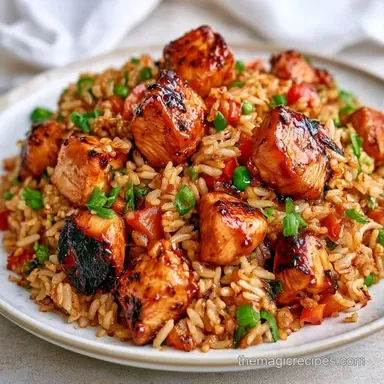
Teriyaki Chicken Fried Rice on Blackstone
- Time: 10 min active + 12 hours 30 mins total (includes rice chilling)
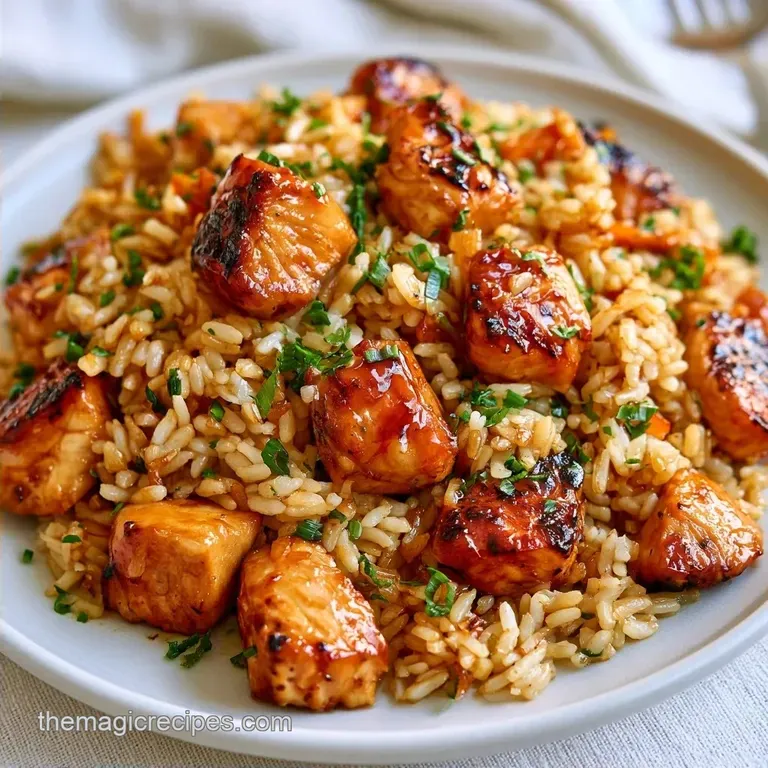
- Flavor/Texture Hook: Mahogany crusted chicken with toasted, separate rice grains
- Perfect for: Backyard gatherings, meal prep, or a hearty dinner for six
The smell of toasted sesame oil hitting a hot griddle is honestly the best part of my weekend. There is something about that specific sizzle that tells you dinner is going to be great.
I used to think you needed a commercial grade wok and a jet engine for a burner to get that authentic hibachi texture, but that is just not true.
Forget the idea that you need professional equipment to stop your rice from turning into a mushy clump. Your backyard griddle actually handles this better because you can move ingredients to different heat zones.
Teriyaki Chicken Fried Rice relies on a few simple rules about temperature and moisture, not some expensive gadget.
I'm sharing this because I spent way too long making "steamed" rice that I called "fried." Once I stopped using fresh rice and started treating the griddle like a map, everything changed. You can expect a dish with deep color, salty sweet notes, and chicken that actually has a crust on it.
Teriyaki Chicken Fried Rice
The magic happens when the sugars in the glaze hit the steel. Because the Blackstone holds so much heat, the teriyaki sauce doesn't just sit on the chicken, it caramelizes into a dark, sticky coating. This adds a smoky depth that you just can't get in a standard non stick pan.
Cold Grains: Chilling the rice overnight dries out the exterior of each grain. This means they toast instead of steaming, which keeps them separate.
Heat Zoning: Using the edges of the griddle lets you keep the chicken hot without overcooking it while you fry the rice in the center. If you love these kinds of bold, global flavors, you might also like my Asian Chicken Wraps for a lighter lunch.
High Fat Ratio: The combination of butter and neutral oil prevents sticking and helps the rice grains fry evenly.
| Goal | What to change |
|---|---|
| Extra Crispy Rice | Increase butter by 1 tbsp |
| Lighter Flavor | Swap teriyaki for soy/ginger |
| More Veggies | Double the pea/carrot mix |
Tools for the Job
A Blackstone or similar flat top griddle is required for this. You'll also need a wide metal spatula ideally one with a thin edge to help scrape the toasted bits off the surface. Because we're working with chicken, a digital meat thermometer is essential to ensure the meat is cooked safely without becoming dry.
I find a squeeze bottle of neutral oil very helpful, as it's much simpler to spread a thin layer across the griddle than pouring from a standard bottle. If you don't have a griddle, your largest cast iron skillet will work, though you'll need to cook in three separate batches to prevent overcrowding the pan.
The Building Blocks
For the protein, I use boneless skinless chicken thighs. They stay juicy under high heat, unlike breasts which can turn into rubber. The teriyaki sauce provides the bulk of the flavor, but the addition of a little extra soy sauce and sugar at the end ties the rice to the meat.
The rice needs to be jasmine. It has the right starch profile to stay fluffy but still get that fried edge. If you use short grain sushi rice, it will be too sticky, no matter how long you chill it.
What Each Ingredient Does
- Chicken Thighs: Provides rich flavor and resists drying out.
- Teriyaki Sauce: Adds sweetness and that mahogany color.
- Cold Jasmine Rice: The base that absorbs all the savory fats.
- Unsalted Butter: Gives the rice a nutty, toasted flavor.
- Sesame Oil: Adds a distinct, aromatic nuttiness.
- Frozen Peas and Carrots: Adds pops of color and a bit of sweetness.
- Garlic and Onion: The aromatic base that builds depth.
Recipe Specs
This recipe is designed for a crowd, yielding 6 generous servings. The prep is quick, but the total time reflects the overnight chill for the rice. Trust me, don't skip the chill. If you use warm rice, you will get a porridge like texture.
Precision Checkpoints
- Chicken Temp: Must hit 165°F internal.
- Searing Time: 3-4 minutes undisturbed for the crust.
- Rice Texture: Grains should be separate and "dance" on the griddle.
| Original Ingredient | Substitute | Why It Works |
|---|---|---|
| Chicken Thighs | Chicken Breast | Leaner option. Note: Cook 1-2 mins less to avoid dryness |
| Jasmine Rice | Basmati Rice | Similar grain length. Note: Slightly nuttier flavor |
| Teriyaki Sauce | Soy Sauce + Honey | Mimics the sweet/salty profile. Note: Add a splash of ginger |
| Butter | Ghee | Higher smoke point. Note: Very similar flavor |
Step by step Cooking
Let's start. Ensure your griddle surface is spotless and prepped.
- Set the Blackstone to medium high heat. Coat the surface with a light layer of neutral oil. Note: This stops the chicken from adhering to the steel during the sear.
- Distribute the chicken cubes across the hot surface. Let them sear for 3-4 minutes until a deep mahogany crust develops. Flip the pieces, add the sesame oil and teriyaki sauce, and toss for 2-3 more minutes until the internal temperature reaches 165°F. Shift the chicken to the cooler side of the griddle.
- Melt one tablespoon of butter in the center. Sauté the diced onions for 2 minutes until they become translucent.
- Stir in the minced garlic along with the thawed carrots and peas. Cook for another 2 minutes until they are fragrant and tender crisp. Move them over to the chicken.
- Melt the rest of the butter and neutral oil in the middle. Add the cold jasmine rice, pressing slightly. Fry for 3-5 minutes, stirring occasionally until the grains are separate and toasted.
- Pour over the soy sauce and sprinkle in the sugar. Stir rapidly until the rice is evenly browned.
- Mix the vegetables and teriyaki chicken back into the rice. Combine everything for 2 minutes until steaming hot.
- Take it off the heat and garnish with toasted sesame seeds and sliced green onions.
Pro Tip: To prevent the rice from clumping together, use your spatula to break up the grains before stirring in the soy sauce. This ensures the fat coats every grain for a perfect fried texture.
Fixing Texture Issues
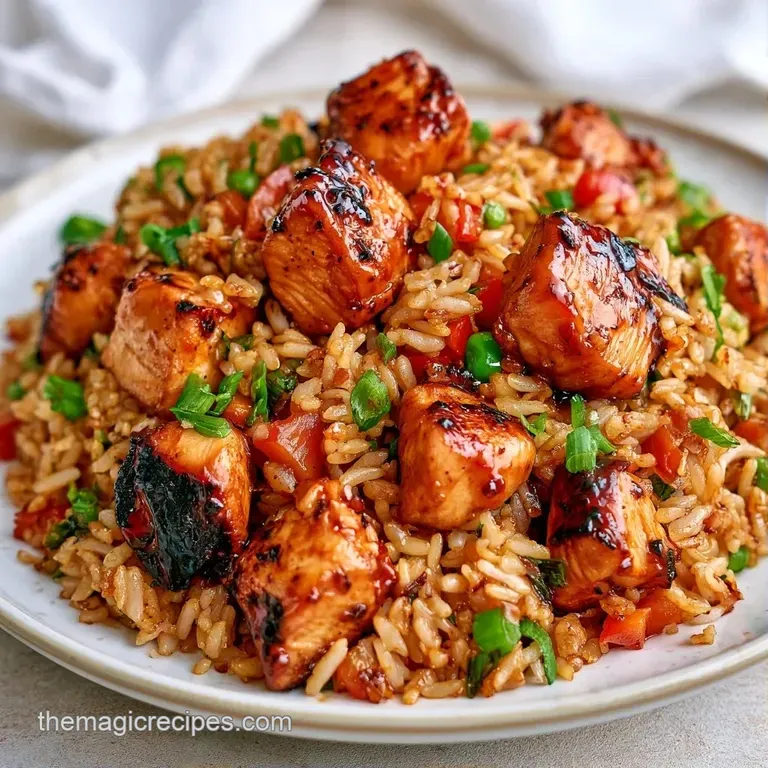
Fixing Mushy Rice
Mushy rice is often caused by excess moisture or insufficient griddle heat. Should the rice begin to clump, leave it alone for 2 minutes. Allow it to sit undisturbed on high heat to steam off the extra liquid.
For future batches, ensure the rice chills in the refrigerator for at least 12 hours.
Preventing Burnt Sauce
Because Teriyaki sauce is rich in sugar, it can switch from caramelized to burnt almost instantly. To prevent this, shift the chicken to a cooler area of the griddle once it reaches 165°F. If you see excessive smoke, stir in a small amount of pineapple juice or water to thin the sauce.
Avoiding Under cooked Eggs
When adding eggs to your Teriyaki Chicken Fried Rice, it's best to cook them separately or in their own zone. Move the rice aside, melt a touch of butter, and scramble the eggs until nearly set. Fold them in at the final moment to keep them fluffy and visible.
Adjusting the Portion
To make a meal for two, cut the ingredients in half. Utilize a smaller area of your griddle and decrease the vegetable cooking time by roughly 20% because less moisture is released. I suggest whisking one egg and using half of it to maintain the proper balance.
When increasing the volume for a crowd (such as 3x or 4x), avoid linearly multiplying the salt and soy sauce. Begin with 1.5x or 2x the seasonings, then taste. Excessive soy sauce can result in an overly salty dish after reduction. To keep the griddle temperature high, cook the chicken in batches.
| Goal | What to change |
|---|---|
| More Umami | Add 1 tsp fish sauce |
| Spicier Kick | Add 1 tbsp Sriracha |
| Extra Veg | Add diced bell peppers |
Keeping Leftovers Fresh
Place any leftover Teriyaki Chicken Fried Rice in an airtight glass container. It is good for about 3 days when refrigerated. Try to avoid plastic, as those containers often trap moisture and make the rice soggy.
To freeze, use a heavy duty freezer bag and press out as much air as possible. It lasts for 2 months. To reclaim the original texture, skip the microwave and instead sauté the rice in a hot skillet with a teaspoon of oil for 3-4 minutes.
Any remaining chicken thighs are delicious sliced cold over a salad. You can also store your garlic skins and onion ends in a freezer bag to whip up a quick veggie stock later.
Swapping Ingredients
You can easily change the protein in this dish. If you prefer something leaner, check out my Pan Seared Chicken Breast for a guide on how to handle breasts without drying them out. Shrimp also works great, but cook them for only 2 minutes per side.
For a plant based version, use extra firm tofu that has been pressed and cubed. Sear the tofu in the neutral oil until the edges are golden before adding the teriyaki sauce. Swap the butter for a vegan butter alternative or a bit more sesame oil to keep that richness.
If you don't have jasmine rice, basmati is your next best bet. Avoid using "instant" or "minute" rice, as it lacks the structural integrity to withstand the high heat of a griddle and will likely turn into mush.
Plating for Color
For a professional hibachi style presentation, focus on achieving a vibrant color balance. Since the Teriyaki Chicken Fried Rice has a rich, dark brown base, adding bright accents is key to making the dish stand out.
Start with the orange of the carrots. Avoid overcooking them so they retain a vivid, saturated color. Next, add sliced green onions for a sharp visual contrast; cutting them on a long diagonal creates a more sophisticated look.
Finally, sprinkle on toasted sesame seeds for a clean, bright white finish. Stir these in at the very end to prevent them from disappearing into the rice. Serving the meal in a wide, shallow bowl helps the ingredients spread, highlighting the varied colors and textures.
Complement the dish with steamed bok choy or a refreshing cucumber salad.
High in Sodium
1124 mg 1124 mg of sodium per serving (49% 49% of daily value)
The American Heart Association recommends a daily limit of no more than 2,300mg of sodium to lower blood pressure and reduce heart disease risk.
Tips to Reduce Sodium
-
Swap Soy Sauce-20%
Replace the regular soy sauce with low-sodium soy sauce or coconut aminos, which can contain up to 70% less sodium.
-
Better Teriyaki Choice-20%
Switch to a low-sodium teriyaki sauce or make a homemade version using low-sodium soy sauce, honey, and fresh ginger.
-
Check Frozen Mix-5%
Ensure the frozen peas and carrots are labeled 'no salt added' to avoid hidden preservatives and sodium.
-
Boost with Aromatics
Increase the amount of fresh ginger or add a squeeze of fresh lime juice to enhance the flavor profile without adding salt.
Recipe FAQs
Can teriyaki sauce be used on a Blackstone griddle?
Yes, it works great for glazing chicken. Add it toward the end of the cooking process to prevent the sugars from burning.
How to make hibachi style fried rice on the Blackstone?
Fry chilled jasmine rice in butter and neutral oil until toasted. Stir in soy sauce, sugar, and vegetables for that classic restaurant flavor.
Is it true that fresh rice is better for this recipe?
No, and here's why. Fresh rice contains too much moisture and clumps, whereas chilled overnight rice stays separate and crisps.
What is the best way to cook chicken thighs on a griddle?
Sear cubed pieces undisturbed on medium high heat for 3-4 minutes. Flip them and toss with teriyaki sauce until they hit 165°F.
Which recipes use leftover rice besides fried rice?
You can turn chilled rice into a nutrient dense grain bowl. If you want a healthy alternative, try a Sweet Potato Buddha Bowl for a different flavor profile.
Why does the chicken need to be seared undisturbed?
This allows a dark mahogany crust to form on the meat. Moving the chicken too early prevents the browning process and ruins the texture.
Teriyaki Chicken Fried Rice