Thick Roasted Vegetable Soup: Velvety and Rich
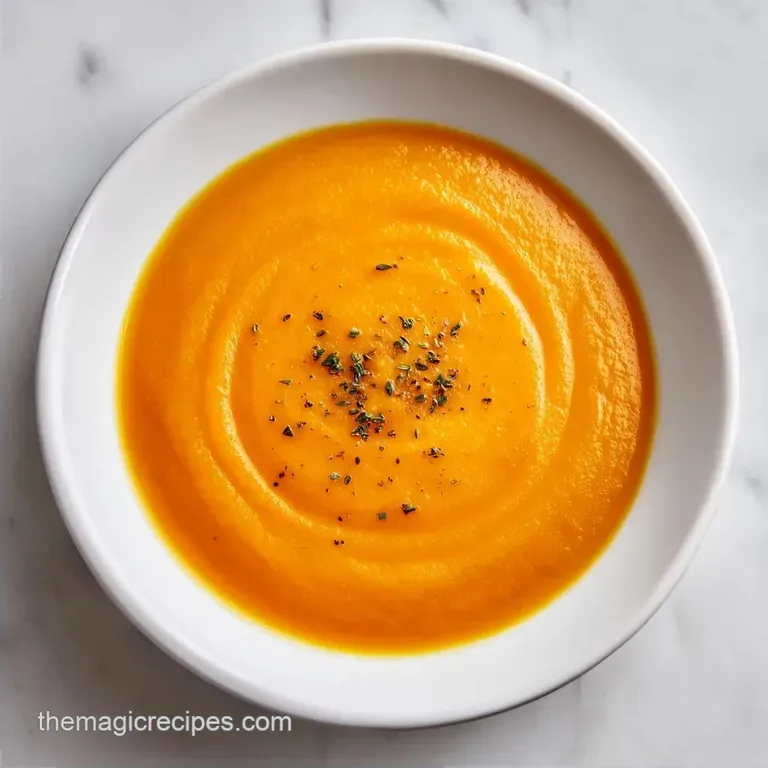
- Time: 10 min active + 40 min cooking
- Flavor/Texture Hook: Velvety smooth with charred, mahogany brown undertones
- Perfect for: Cozy weeknight dinners or healthy meal prep
- Making Thick Roasted Vegetable Soup
- The Logic Behind the Texture
- Component Analysis
- Ingredients and Substitutes
- Essential Kitchen Gear
- The Cooking Process
- Avoiding Kitchen Disasters
- Troubleshooting Common Issues
- Adjusting the Batch Size
- Common Cooking Beliefs
- Storage and Waste Reduction
- Serving Suggestions
- High in Sodium
- Recipe FAQs
- 📝 Recipe Card
Making Thick Roasted Vegetable Soup
The smell of charred carrots and caramelized onions hitting a hot pan is, for me, the official signal that autumn has arrived. It's a scent that reminds me of old country kitchens in Europe, where "peasant soups" weren't about restriction, but about extracting every single drop of flavor from the root cellar.
Those traditions focused on slow heat and simple ingredients to keep people warm through the frost.
I remember the first time I tried to make a version of this. I just boiled everything in a pot of water and wondered why it tasted like... well, hot vegetable water. It was missing that soul, that deep, savory hum that makes a soup feel like a hug. Once I switched to roasting, everything changed.
The edges of the vegetables get these little burnt bits that add a smoky contrast to the natural sweetness.
This Thick Roasted Vegetable Soup is all about that contrast. We're playing with the sweetness of roasted parsnips against the bright, zesty hit of fresh lemon juice at the end. It's nourishing, vibrant, and honestly, it makes the whole house smell like a professional bistro.
Let's get into how to actually make it happen.
The Logic Behind the Texture
Natural Thickeners: Parsnips and carrots contain starches that break down and thicken the liquid when blended, removing the need for flour or cornstarch.
Sugar Concentration: High heat evaporates water from the vegetables, concentrating the sugars and flavors before they ever hit the broth.
Acid Balance: The lemon juice added at the end cuts through the richness of the roasted oil and tomato paste, brightening the whole pot.
Fat Integration: Using the oil left on the roasting pan ensures no flavor is left behind and helps create a silky mouthfeel.
| Approach | Prep Time | Texture | Best For |
|---|---|---|---|
| Quick Boil | 5 mins | Thin/Watery | Fast lunch |
| Classic Roast | 10 mins | Velvety/Thick | Comfort dinner |
| Slow Roast | 20 mins | Intense/Syrupy | Special guests |
Component Analysis
| Ingredient | Science Role | Pro Secret |
|---|---|---|
| Parsnips | Starch Base | Provides the "creaminess" without dairy |
| Tomato Paste | Umami Depth | Fry it first to remove the raw metallic taste |
| Lemon Juice | PH Balance | Always add after heat is off to keep it fresh |
| Garlic | Aromatic Base | Roast whole to prevent burning and bitterness |
Ingredients and Substitutes
For the roasted base: - 300g carrots, chopped into 1 inch chunks Why this? Adds sweetness and vibrant color (Substitute: Sweet potatoes for a creamier vibe) - 200g parsnips, peeled and chopped Why this? The secret to the thickness (Substitute: Turnips,
Though it'll be less sweet) - 150g yellow onion, quartered Why this? Adds a savory, sulfurous depth (Substitute: Shallots for a milder taste) - 30g garlic, peeled and left whole Why this? Roasting keeps it mellow (Substitute: Garlic powder, but it lacks
The roast flavor) - 200g red bell pepper, deseeded and chopped Why this? Adds a fruity, charred note (Substitute: Red capsicum or roasted red pepper from a jar) - 45ml olive oil Why this? High smoke point for roasting (Substitute: Avocado oil) - 6g salt
Why this? Draws out moisture for better browning - 1g black pepper Why this? Basic heat contrast
For the liquid and fusion: - 950ml vegetable broth Why this? The flavor foundation (Substitute: Water + bouillon, but check the sodium) - 32g tomato paste Why this? Thickens and adds acidity (Substitute: Pureed fresh tomatoes, though less intense) - 1g dried thyme Why this? Earthy, herbal bridge (Substitute: Rosemary or oregano) - 15ml fresh lemon juice Why this? Wakes up the roasted flavors (Substitute: Apple cider vinegar) - 15ml olive oil Why this? For sautéing the paste
Essential Kitchen Gear
You don't need a fancy setup, but a few things make this way easier. A large, rimmed baking sheet is a must. If you crowd the vegetables, they'll steam instead of roast, and you'll lose those mahogany brown edges.
I prefer using parchment paper because it prevents the sugars in the carrots from sticking and makes cleanup a breeze.
For the blending part, an immersion blender is my go to. It's faster and you don't have to transfer boiling liquid into a blender jar, which is a great way to burn your face if you aren't careful. If you're using a traditional blender, do it in batches and leave the lid slightly cracked to let the steam escape.
The Cooking Process
Preheat your oven to 400°F (200°C). Toss the carrots, parsnips, yellow onion, garlic, red bell pepper, 45ml olive oil, salt, and black pepper on a parchment lined sheet pan. Spread in a single layer. Note: Give them room to breathe or they won't brown.
Roast the vegetables for 25–30 minutes, tossing once halfway through, until the edges of the onions are mahogany brown and carrots are tender.
Heat 15ml of olive oil in a large pot over medium heat. Stir in the tomato paste and dried thyme, cooking for 1 minute until the paste darkens slightly and smells fragrant.
Add the roasted vegetables (including the oil from the pan) and the vegetable broth to the pot. Bring to a gentle simmer for 10 minutes. Note: A gentle simmer prevents the vegetables from breaking down too early.
Using an immersion blender, blend the soup directly in the pot until smooth, or blend only half for a chunkier texture. Wait until the soup looks velvety and consistent.
Stir in the fresh lemon juice at the very end to brighten the flavors. Note: Adding lemon too early can make the taste dull.
Chef's Tip: If you want an even deeper flavor, add a teaspoon of espresso powder or a dash of soy sauce during step 3. It doesn't make it taste like coffee or soy, it just pushes the savory "umami" notes further.
Avoiding Kitchen Disasters
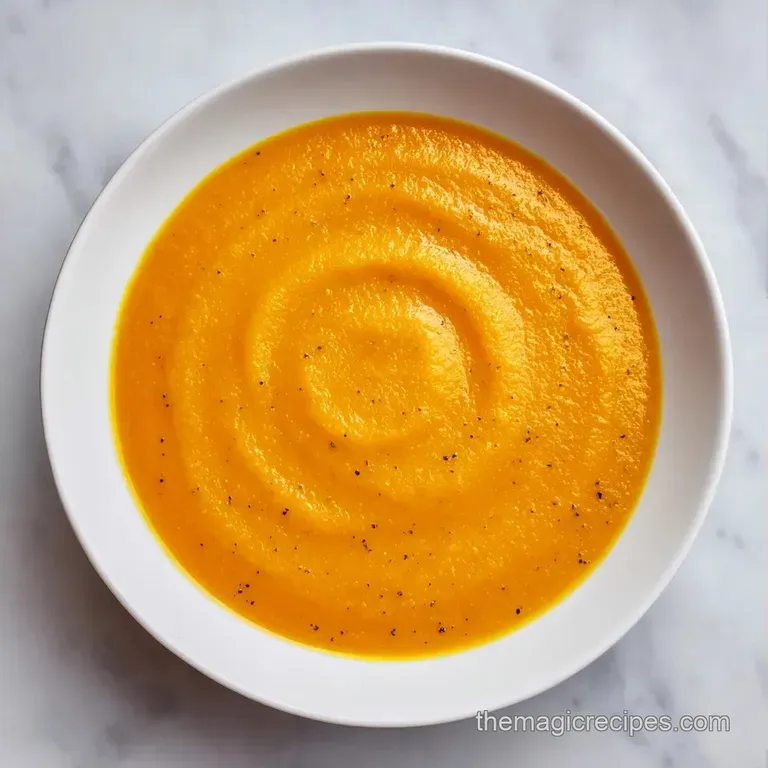
Getting the texture right is the hardest part. Most people end up with a soup that is either too watery or has a strange, grainy feel. If you're looking for other ways to enjoy root vegetables, my Sweet Potato Buddha Bowl is a great way to use similar ingredients.
Troubleshooting Common Issues
| Issue | Solution |
|---|---|
| Why Your Soup Is Watery | This usually happens if the vegetables weren't roasted long enough. If they still have a lot of internal moisture, they won't thicken the broth as effectively. Also, check your broth to veg ratio. |
| Why Garlic Tastes Bitter | Garlic burns quickly. If you chop your garlic too small, it will turn black and bitter in a 400°F oven. Keep the cloves whole or halved. |
| Why Texture Is Grainy | Graininess comes from under blending or using too many fibrous vegetables. Make sure your carrots and parsnips are chopped small enough to cook through completely. |
Common Mistakes Checklist:
- ✓ Did you spread the veg in a single layer?
- ✓ Did you fry the tomato paste before adding liquid?
- ✓ Did you add lemon juice after turning off the heat?
- ✓ Did you include the roasting pan oil in the pot?
- ✓ Are the onions actually brown, not just soft?
Adjusting the Batch Size
When you're making this Thick Roasted Vegetable Soup for a crowd, you can't just double everything and hope for the best. The biggest issue is the roasting pan. If you double the vegetables on one sheet, they'll release too much steam and you'll end up with boiled vegetables. Use two separate pans.
For a double batch, I suggest increasing the salt and thyme to only 1.5x instead of 2x. Spices tend to intensify differently in larger volumes of liquid. Also, reduce the vegetable broth by about 10% (around 100ml) because you'll have less evaporation in a larger, deeper pot.
If you're making a half batch, use a smaller pot. In a massive pot, the liquid spreads too thin and evaporates too quickly, which can make the soup overly salty. Reduce the roasting time by about 20% since the pan isn't as crowded and the heat circulates faster.
| Batch Size | Pan Setup | Spice Adjustment | Liquid Change |
|---|---|---|---|
| Half (3 servings) | Small sheet | Exact ratio | Use 475ml broth |
| Double (12 servings) | 2 sheet pans | 1.5x Spices | Reduce broth by 100ml |
Common Cooking Beliefs
You might hear that you should sear vegetables in a pan before roasting. Honestly, don't bother. The oven at 400°F does the work for you. Searing just adds an extra step and more oil without a noticeable difference in the final blended soup.
Another myth is that you need cream or butter to make a "thick" soup. As this recipe proves, the starch in parsnips does the heavy lifting. If you want it even richer, a splash of olive oil or a dollop of Greek yogurt on top is plenty.
Finally, some say you should peel carrots. Unless they're organic and you've scrubbed them well, go ahead and peel them, but the skins actually hold a lot of flavor. If they're clean, just leave them on for a more rustic, earthy taste.
Storage and Waste Reduction
This soup is a beast in the fridge. It stays fresh for about 4-5 days in an airtight container. In fact, it often tastes better on day two because the roasted flavors have more time to meld together. When reheating, do it on the stove over medium low heat.
If it has thickened too much in the fridge, just whisk in a tablespoon of water or broth to loosen it up.
For freezing, this soup is a dream. I usually freeze mine in individual mason jars or freezer bags, leaving about an inch of headspace at the top because liquid expands when it freezes. It stays great for up to 3 months. Thaw it in the fridge overnight before reheating.
To keep things zero waste, don't throw away your vegetable scraps. I keep a "scrap bag" in my freezer for onion skins, carrot ends, and celery leaves. Once the bag is full, I simmer them in water for an hour to make a homemade veg broth. You can use that broth instead of the store-bought version in this recipe for even more depth. If you love other hearty options, you might also enjoy my traditional minestrone soup recipe.
Serving Suggestions
The beauty of this Thick Roasted Vegetable Soup is its versatility. I love serving it in a wide bowl with a swirl of extra virgin olive oil and a crack of fresh black pepper. For a bit of crunch, homemade sourdough croutons are the way to go.
Just toss some cubed bread with garlic powder and olive oil, then toast them in the oven at 375°F for 8 minutes.
If you want to turn this into a full meal, serve it alongside a grilled cheese sandwich made with sharp cheddar and a bit of Dijon mustard. The acidity of the mustard and the richness of the cheese play perfectly with the sweetness of the roasted root veg.
- - Mediterranean Style
- Add a handful of spinach at the very end and serve with a sprinkle of feta cheese.
- - Coconut Twist
- Replace 200ml of the broth with full fat coconut milk for a Roasted Vegetable Soup with Coconut Milk feel.
- - Tomato Heavy
- Increase the tomato paste to 50g and add a diced fresh tomato to the roasting pan for a Roasted Vegetable Soup with Tomatoes.
The key is to keep that balance of sweetness and acidity. Whether you keep it simple or load it up with toppings, the roasted base ensures it stays satisfying. Trust the process, don't rush the browning, and enjoy the warmth.
High in Sodium
833 mg 833 mg of sodium per serving (36% 36% of daily value)
The American Heart Association recommends a daily sodium limit of 2,300mg, with an ideal limit of 1,500mg for most adults to reduce the risk of cardiovascular disease.
Tips to Reduce Sodium
-
Low-Sodium Broth-30%
Replace the vegetable broth with a low-sodium or no-salt-added version to significantly lower the base sodium level.
-
Reduce Added Salt-25%
Cut the 6g of salt in half or substitute it with a salt-free seasoning blend to maintain flavor without the sodium.
-
No-Salt Tomato Paste-20%
Check your label and swap standard tomato paste for a no-salt-added variety to remove hidden sodium.
-
Enhance with Acidity
Increase the fresh lemon juice to brighten the flavors, which tricks the palate into needing less salt.
-
Fresh Herb Boost
Add extra dried thyme or fresh parsley to create more complex flavor profiles without adding sodium.
Recipe FAQs
How long to roast vegetables before blending for soup?
Roast for 25–30 minutes at 400°F. Toss the pan halfway through until the onions are mahogany-brown and carrots are tender.
How do you turn roasted vegetables into soup?
Simmer roasted vegetables with broth and tomato paste, then blend. Combine everything in a pot for 10 minutes before using an immersion blender for a smooth finish.
How do I make my vegetable soup thicker?
Ensure vegetables are roasted until deeply browned. Under-roasted vegetables retain too much internal moisture, which prevents the broth from thickening naturally.
Is it true you can just blend raw vegetables to make this soup?
No, this is a common misconception. Blending raw vegetables misses the essential caramelization and deep flavor developed during the 400°F roasting process.
Which soup is best for diabetics?
Fiber-rich vegetable soups are a top choice. They provide nutrients without refined thickeners; if you enjoy these hearty flavors, you might also like our classic roast.
What is the secret ingredient used to brighten the final taste?
Fresh lemon juice. Stirring it in at the very end cuts through the richness of the roasted vegetables and awakens the other flavors.
Can this soup help lower cholesterol?
Yes, because it is plant-based and fiber-rich. Ingredients like carrots and parsnips help manage cholesterol levels when used to replace saturated fats.
Thick Roasted Vegetable Soup: Velvety