Creamy Roasted Potato Soup: Smoky and Velvety
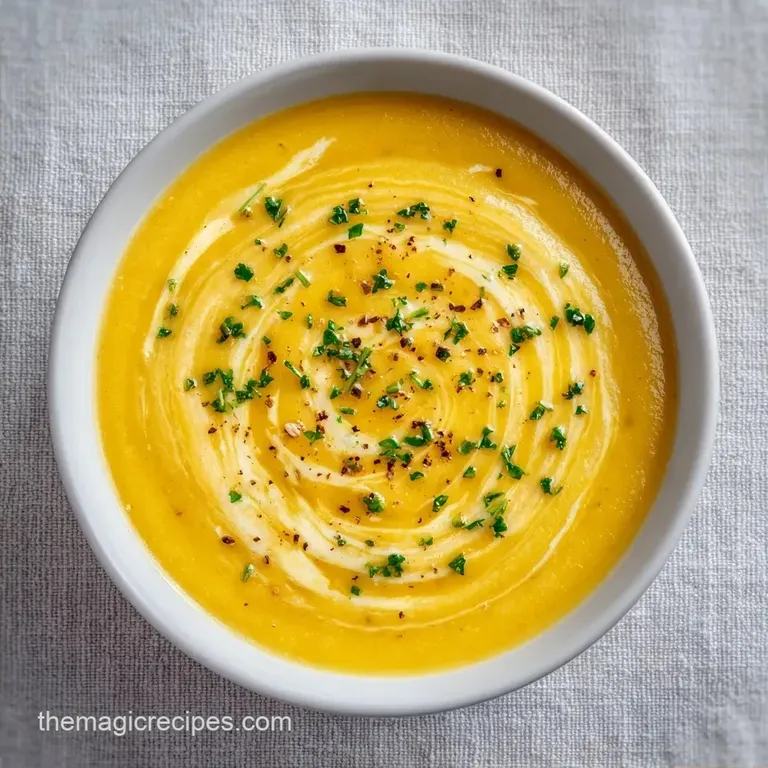
- Time: 10 min active + 40 min cook
- Flavor/Texture Hook: Velvety smooth with a smoky, roasted depth
- Perfect for: Cold weeknights or a cozy family meal
- Creamy Roasted Potato Soup Secrets
- The Ingredient Breakdown
- Ingredients
- Kitchen Tools You'll Need
- Step-by-Step Cooking Flow
- Fixing Common Soup Mistakes
- Troubleshooting Common Issues
- Customizing Your Bowl
- Adjusting the Batch Size
- Debunking Potato Soup Myths
- Save and Store Leftovers
- The Best Side Pairings
- High in Sodium
- Recipe FAQs
- 📝 Recipe Card
That first scent hits you the second the potatoes come out of the oven. It is a mix of toasted garlic and browned potato skins that smells like a professional kitchen. I remember the first time I tried making a potato soup by just boiling everything in one pot. It was a disaster.
The texture was thick and gummy, almost like wallpaper paste, and the flavor was just... flat. It lacked that "something" that makes a soup feel like a real meal.
The secret is that the roasting process changes everything. Instead of just softening the potato, you are actually browning the sugars in the vegetable. When you blend those mahogany colored bits into the broth, the flavor transforms from simple to complex. This Creamy Roasted Potato Soup is my answer to the "gluey soup" problem.
You can expect a texture that is silky and light, but with a savory weight to it. It is not just a bowl of blended starch. By building a base of sautéed aromatics and finishing with a bit of tang, we create a balance that keeps you coming back for more.
Let's get into how to actually make this work without the common pitfalls.
Creamy Roasted Potato Soup Secrets
Right then, let's talk about why this version actually works. If you've ever had a soup that felt too heavy or tasted like plain mash, it is because the starch wasn't handled correctly.
Caramelization: Roasting the potatoes at 400°F (200°C) creates browned edges. These bits add a nutty depth that boiling simply cannot match.
Starch Control: By roasting first, we reduce the amount of raw starch released into the liquid, which prevents that gummy, stretchy texture.
Acid Balance: The addition of sour cream at the end cuts through the heavy fat of the butter and cream. This creates a velvety finish, similar to the smoothness you find in a great Alfredo Sauce recipe.
Aromatic Layering: We don't just boil the onions. Sautéing them in butter first creates a savory foundation that supports the roasted flavor of the potatoes.
| Method | Time | Texture | Best For |
|---|---|---|---|
| Fast (Boiled) | 30 mins | Thick/Starchy | Quick lunch |
| Classic (Roasted) | 50 mins | Velvety/Deep | Dinner party |
The Ingredient Breakdown
Before we start, it is important to know what each part is doing. I don't just throw things in a pot. Every ingredient has a job to do in this Creamy Roasted Potato Soup.
| Ingredient | Science Role | Pro Secret |
|---|---|---|
| Yukon Gold | Waxy starch | Holds shape better and blends smoother than Russets |
| Roasted Garlic | Sweetness | Roasting removes the harsh "bite" of raw garlic |
| Sour Cream | Acidity | Prevents the soup from tasting one dimensional |
| Nutmeg | Warmth | A tiny pinch brings out the creaminess of the dairy |
Ingredients
Here is everything you need. I've kept it simple, but the quality of the butter and broth really makes a difference here.
- 3 lbs (1.36kg) Yukon Gold potatoes, cubed Why this? Best balance of creaminess and structure
- 3 tbsp (45ml) Olive oil Why this? High smoke point for roasting
- 1 head (50g) Garlic, cloves peeled
- 1 tsp (5g) Kosher salt
- ½ tsp (2g) Black pepper
- 4 tbsp (56g) Unsalted butter Why this? Adds a rich, nutty base
- 1 medium (150g) Yellow onion, diced
- 2 stalks (60g) Celery, diced
- 6 cups (1.42L) Chicken broth Why this? Provides the savory liquid backbone
- 1 bay leaf
- 1 cup (240ml) Heavy cream
- ½ cup (120ml) Sour cream Why this? Adds essential tang
- 1 tsp (5g) Salt
- ½ tsp (2g) Nutmeg
- 6 oz (170g) Bacon, cooked and crumbled
- ¼ cup (15g) Fresh chives, sliced
| Original Ingredient | Substitute | Why It Works |
|---|---|---|
| Heavy Cream (1 cup) | Coconut Milk (full fat, 1 cup) | Similar fat content. Note: Adds coconut flavor, best for dairy-free |
| Chicken Broth (6 cups) | Vegetable Broth (6 cups) | Same salt/liquid ratio. Note: Makes the dish vegetarian |
| Sour Cream (½ cup) | Greek Yogurt (plain, ½ cup) | Similar acidity and thickness. Note: Slightly more tart |
Kitchen Tools You'll Need
You don't need a fancy kitchen to pull this off. A few basics will do the trick, but there is one tool that makes this recipe way easier.
First, you'll need a large rimmed baking sheet. This is crucial because if the potatoes are crowded, they will steam instead of roast. You want space between the cubes so they can actually brown.
Next, a Dutch oven or a heavy bottomed pot is best. It distributes heat evenly so the onion and celery don't burn in one spot. If you have a stand mixer such as KitchenAid, you can use the food processor attachment, but I prefer an immersion blender.
The immersion blender is the real hero here. It lets you blend the soup directly in the pot, which means fewer dishes and no risk of "blender explosions" from hot liquid. If you only have a traditional blender, just remember to blend in small batches and leave the lid slightly cracked to let steam escape.
Step-by-step Cooking Flow
Let's crack on with the actual cooking. I've broken this down into the prep flow and the finish so you can keep track of the timing.
Phase 1: The over High heat Roast
- Preheat your oven to 400°F (200°C).
- Toss the cubed potatoes and peeled garlic cloves with olive oil, salt, and pepper on your baking sheet.
- Spread them in a single layer. This is the most important part for getting that shatter crisp edge.
- Roast for 25-30 minutes, tossing them halfway through, until they are mahogany colored and the garlic is soft.
Phase 2: Building the Savory Base
- While the potatoes are roasting, melt the butter in your Dutch oven over medium heat.
- Sauté the diced onion and celery. Cook for 5-7 minutes until they are translucent and smell fragrant.
- Pour in the chicken broth and drop in the bay leaf.
- Bring the mixture to a gentle simmer and let it cook for 10 minutes. This lets the aromatics infuse the broth.
Phase 3: The Silky Blend
- Remove the bay leaf (don't forget this, or you'll have a leafy surprise).
- Add the roasted potatoes and caramelized garlic into the pot.
- Use the immersion blender to process the soup until it is velvety and completely smooth.
Phase 4: Final Emulsification
- Turn the heat down to low. Stir in the heavy cream and sour cream.
- Add the nutmeg and extra salt, stirring until it feels balanced.
- Note: Do not let the soup reach a rolling boil after the dairy is in, or it might separate.
- Ladle into bowls and top with crumbled bacon and sliced chives.
Fixing Common Soup Mistakes
Even for those of us who cook all the time, things can go sideways. Most issues with this Creamy Roasted Potato Soup come down to temperature or blending.
Troubleshooting Common Issues

| Issue | Solution |
|---|---|
| Why Your Soup Is Grainy | If the soup feels gritty, it usually means the potatoes weren't roasted long enough or the blending wasn't thorough. |
| Why Your Soup Is Too Thick | Potato starch is unpredictable. If you find the soup is more like a puree than a soup, you've likely had too much evaporation during the simmer. This is an easy fix. |
| Why Your Garlic Tastes Bitter | Bitter garlic happens when the cloves burn during the roast. If you see black spots on your garlic, it is overdone. Keep an eye on them and pull the pan out as soon as they are golden. |
Common Mistakes Checklist
- ✓ Did you spread the potatoes in a single layer? (Crowding = steaming)
- ✓ Did you remove the bay leaf before blending? (Essential)
- ✓ Is the heat on LOW when adding cream? (Prevents curdling)
- ✓ Did you use Yukon Gold? (Russets can be too mealy)
- ✓ Did you roast the garlic until soft? (Avoids raw garlic bite)
Customizing Your Bowl
This recipe is a great base, but you can definitely tweak it to fit your mood. If you want an extra garlic punch, I recommend making this as a Creamy Roasted Garlic Potato Soup by doubling the garlic head and roasting the cloves whole in a small foil packet.
For those who want a heartier meal, turning this into a Creamy Baked Potato Soup with Bacon is the way to go. Instead of just topping with bacon, stir some of the rendered bacon fat into the butter when sautéing your onions. For a complete dinner, you could pair this with a side of Dutch Oven Pot Roast for a truly comforting feast.
If you are looking for flavor inspiration from other cultures, I often look at third culture cookbooks to see how different regions handle root vegetables. For example, adding a touch of smoked paprika or a splash of coconut milk can completely shift the vibe of the dish.
Decision Shortcut
- If you want it thinner, add an extra ½ cup of broth.
- If you want it richer, swap the sour cream for crème fraîche.
- If you want it spicy, add a pinch of cayenne to the roasting oil.
Adjusting the Batch Size
Scaling a soup is generally easy, but there are a few rules to follow so you don't mess up the texture of your Creamy Roasted Potato Soup.
Scaling Down (Half Batch) When cutting the recipe in half, use a smaller baking sheet. If you use a huge pan for a small amount of potatoes, the oil might spread too thin and cause them to burn. Reduce the sauté time for the onions by about 20% since there is less volume to heat up.
Scaling Up (Double Batch) If you are doubling this for a party, do not just double the salt and spices. Start with 1.5x the salt and nutmeg, then taste and adjust. Liquids usually reduce slightly less in larger pots, so you might find you need 10% less broth than a strict double would suggest.
Oven Adjustments If you are roasting twice the amount of potatoes, you'll likely need two separate baking sheets. Do not stack them on one rack; give them room for air to circulate.
If your oven is crowded, lower the temperature to 375°F (190°C) and extend the roasting time by 5-10 minutes to ensure everything browns evenly.
| Batch Size | Pan Size | Temp Adjustment | Liquid Adjustment |
|---|---|---|---|
| Single (1x) | Large Sheet | 400°F (200°C) | As written |
| Double (2x) | 2 Large Sheets | 375°F (190°C) | Reduce broth by 10% |
| Half (0.5x) | Medium Sheet | 400°F (200°C) | As written |
Debunking Potato Soup Myths
There are a few things people tell you about potato soup that just aren't true. Let's set the record straight.
Myth: You need a roux for thickness. Many recipes start with a flour and butter roux. While that works, it can leave a "floury" aftertaste. The natural starches in the roasted Yukon Golds are more than enough to thicken this soup, leaving a cleaner flavor.
Myth: Any potato works for creamy soup. People think Russets are the go to. While they are fluffy, they can often break down into a grainy texture. Yukon Golds have a waxy quality that blends into a silky, velvety consistency.
Myth: You must boil potatoes to save time. Some say roasting is just for flavor and boiling is faster. While it saves 10 minutes, you lose the depth of flavor. The "saved" time isn't worth the bland result.
Save and Store Leftovers
This soup actually tastes better the next day because the flavors have more time to settle. Just keep in mind that potatoes soak up liquid as they sit.
Fridge Storage Store your soup in an airtight container in the fridge for up to 4 days. When you reheat it, you'll notice it has thickened into something almost like a porridge. This is normal.
Reheating Tips To get that velvety texture back, reheat the soup on the stove over medium low heat. Add a splash of broth or milk to loosen it up. Stir constantly to make sure the bottom doesn't scorch.
Freezing Guidelines I generally advise against freezing this specific recipe. The heavy cream and sour cream can separate or become grainy when thawed. If you must freeze it, stop the recipe before adding the dairy.
Freeze the blended potato and broth base for up to 3 months, then add the cream and sour cream when you reheat it.
Zero Waste Ideas Don't throw away those potato peels if you scrubbed the potatoes well. Toss them in the roasting oil and salt and bake them along with the potatoes for a few extra minutes. You'll have homemade potato skins to use as a crunchy garnish.
Also, any leftover onion or celery scraps can be thrown into a freezer bag to start your own homemade vegetable stock.
The Best Side Pairings
Since this Creamy Roasted Potato Soup is so rich, you want sides that provide a contrast. Think acidity, crunch, or a bit of freshness to cut through the cream.
A crisp green salad with a sharp lemon vinaigrette is the perfect partner. The acidity of the lemon cleanses the palate between spoonfuls of the savory soup. You could also serve it with a piece of toasted sourdough rubbed with a raw garlic clove for an extra punch.
If you want to go all out on comfort, serve it alongside a grilled cheese sandwich made with sharp cheddar and a bit of dijonnaise. The sharpness of the cheddar complements the mellow, roasted flavor of the potatoes perfectly. Just be warned, this combination is a one way ticket to a food coma.
High in Sodium
1075 mg 1,075 mg of sodium per serving (47% 47% of daily value)
The American Heart Association recommends a daily sodium limit of 2,300 mg, and ideally 1,500 mg for most adults to reduce the risk of cardiovascular disease.
Tips to Reduce Sodium
-
Swap the Broth-30%
Replace the standard chicken broth with low-sodium or no-salt-added chicken broth to significantly lower the primary sodium source.
-
Reduce Added Salt-25%
Eliminate or reduce the two teaspoons of added salt (Kosher and table salt) used during the cooking and finishing process.
-
Sour Cream Alternative-10%
Substitute the sour cream with plain Greek yogurt, which provides a similar tang and creaminess with less sodium.
-
Boost Aromatics
Increase the amount of nutmeg, black pepper, and fresh garlic to enhance the depth of flavor without relying on salt.
Recipe FAQs
How to make potato soup without chicken broth?
Substitute the chicken broth with an equal amount of water. You can increase the salt or add a pinch more nutmeg to maintain the depth of flavor.
How to fix soup that has become too thick?
Whisk in additional chicken broth one splash at a time. Stir over low heat until the consistency shifts from a puree back to a velvety soup.
Why does the potato soup feel grainy?
The potatoes were likely under-roasted or not blended thoroughly. Ensure the cubes are mahogany-colored before adding them to the pot and process with the immersion blender until completely smooth.
Is it true that boiling potatoes is better than roasting for a creamy finish?
No, this is a common misconception. Roasting the Yukon Gold potatoes at 400°F caramelizes the natural sugars, creating a richer flavor profile than boiling.
How to prevent the roasted garlic from tasting bitter?
Monitor the cloves closely during the 25–30 minute roast. Remove them from the oven immediately if you see black spots, as burnt garlic creates a sharp, bitter taste.
How to store and reheat this soup?
Store in an airtight container in the refrigerator for up to 4 days. Reheat slowly on the stove over low heat to prevent the dairy from separating.
What can I serve with this creamy potato soup?
Pair it with crusty bread or a crisp side salad. If you enjoyed the rich, creamy texture of this soup, see how we use a similar dairy-base in our horseradish cream sauce.
Creamy Roasted Potato Soup for 8 Servings