Roasted Sweet Potato Soup: Velvety and Nourishing
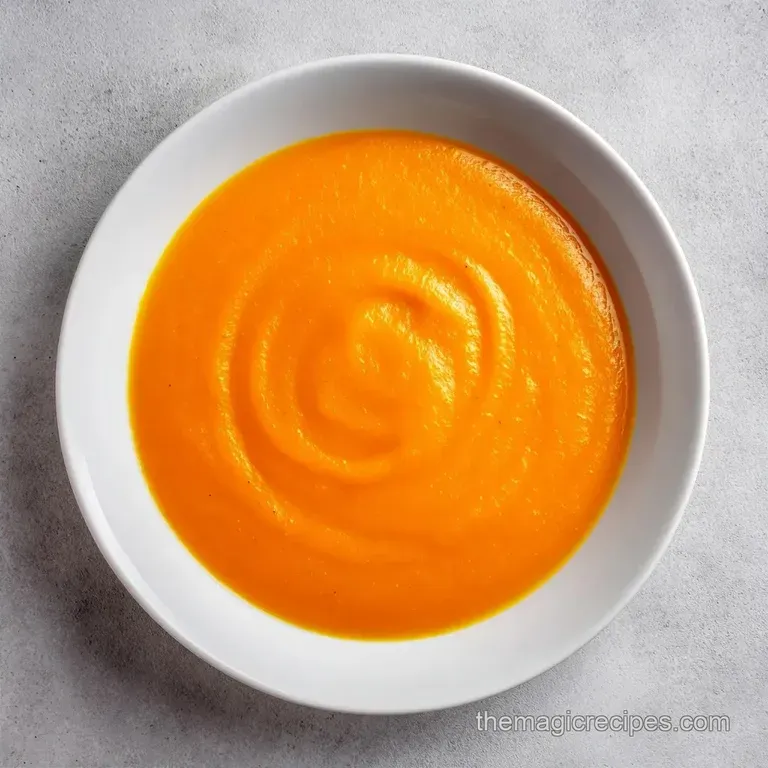
- Time: 10 min active + 50 min cook
- Flavor/Texture Hook: Velvety smooth with mahogany roasted undertones
- Perfect for: A nourishing weeknight dinner or meal prep
That smell is the first thing that hits you, right? It's that heavy, caramelized scent of roasting sweet potatoes filling every corner of the kitchen, almost like a savory version of a campfire treat. I remember the first time I stopped boiling my root vegetables and actually put them on a sheet pan.
The difference wasn't just a little bit better, it was a total shift in how the dish felt.
The magic happens when those edges get dark and slightly charred. That's where the flavor lives. Most people just simmer everything in a pot, but that results in a soup that tastes "boiled." By roasting, we're creating a base that feels rich and concentrated. This Roasted Sweet Potato Soup is my go to when the weather turns cold and I need something that feels like a warm hug in a bowl.
You can expect a texture that is completely velvety, thanks to the coconut milk, but with a complexity that keeps it from being one note. It's vibrant, nourishing, and honestly, it makes the whole house smell like a cozy autumn afternoon. Trust me, the extra step of the oven is where the soul of the dish is born.
Roasted Sweet Potato Soup Secrets
Right then, let's talk about why we do things this way. Most home cooks skip the roasting part because they're in a rush, but that's a mistake. When you hit those potatoes with 400°F heat, you're not just cooking them, you're transforming the sugars.
Sugar Concentration: Roasting evaporates water, which makes the natural sugars in the potato more intense and concentrated.
Aromatic Softening: Roasting the garlic and onion together prevents the garlic from burning and allows it to mellow into a sweet, buttery paste.
Fat Integration: Using olive oil on the pan creates a conductive layer that helps those edges brown without sticking.
Acid Balance: Adding lemon at the very end cuts through the heavy fats of the coconut milk, waking up all the other flavors.
| Method | Time | Texture | Best For |
|---|---|---|---|
| oven roasted | 60 mins | Velvety & Deep | Maximum flavor |
| Stovetop Simmer | 40 mins | Smooth & Mild | Quick weeknights |
| Slow Cooker | 6 hours | Soft & Homogeneous | Hands off cooking |
I've found that while a stovetop version is faster, it lacks that "roasted" punch. If you're looking for something equally comforting but different in style, my traditional minestrone soup recipe is a great alternative for those days when you want something chunkier.
Ingredient Deep Dive
Let's look at what's actually happening in the pot. Not every ingredient is just for taste, some are there to do a specific job for the texture.
| Ingredient | Science Role | Pro Secret |
|---|---|---|
| Sweet Potato | Body & Thickener | Roast until mahogany for depth |
| Coconut Milk | Emulsifier/Fat | Use full fat for that silky mouthfeel |
| Fresh Ginger | Pungent Contrast | Grate it fine to avoid "woody" bits |
| Lemon Juice | PH Balance | Add last to keep the brightness |
The sweet potato is the hero here. I always go for the orange fleshed ones because they have a more consistent sweetness. If you use yams, you'll notice a slightly more "starchy" feel, which is fine, but it changes the vibe. For a deeper dive into how roasting changes vegetable structure, Serious Eats has some great breakdowns on the importance of over high heat roasting.
Essential Gear List
You don't need a professional kitchen for this, but a few specific tools make it way easier.
For the Roasting Pan
A rimmed baking sheet is non negotiable. If you use a flat cookie sheet, the olive oil and potato juices will run off the edge and start a grease fire in your oven. I prefer a heavy duty aluminum one that doesn't warp.
For the Simmer & Blend
A large heavy bottomed pot (like a Dutch oven) is best for the simmering stage. It distributes heat evenly so you don't burn the ginger and cumin at the bottom. For the blending, an immersion blender is the fastest way to go, but a high speed stand blender gives you that truly velvety finish.
Chef's Note: If using a stand blender, blend in small batches. Steam builds up inside the jar and can blow the lid right off, spraying orange soup all over your ceiling. It's a mess I've made once, and I'm not doing it again.
How to Make It
Let's crack on. Follow these steps, and pay attention to the smell - that's your best indicator of doneness.
- Preheat oven to 400°F (200°C). Toss 3 lbs cubed sweet potatoes, 1 quartered yellow onion, and 6 smashed garlic cloves on a rimmed sheet pan with 3 tbsp olive oil, 1 tsp kosher salt, and 1/2 tsp black pepper.
- Roast for 30-35 minutes until edges are mahogany colored and centers are tender. You should smell a rich, toasted aroma.
- Transfer all the roasted vegetables, including the oil from the pan, into a pot.
- Stir in 1 tbsp minced ginger, 1 tsp ground cumin, and 1 tsp maple syrup. Toast these for 1 minute until the spices smell fragrant and nutty.
- Pour in 4 cups vegetable broth.
- Bring to a gentle simmer for 5-10 minutes until the broth is slightly thickened and integrated.
- Remove the pot from heat and stir in 1 can (400ml) full fat coconut milk.
- Use a blender to process the mixture until completely smooth and velvety.
- Stir in 1 tbsp fresh lemon juice just before serving.
What Can Go Wrong
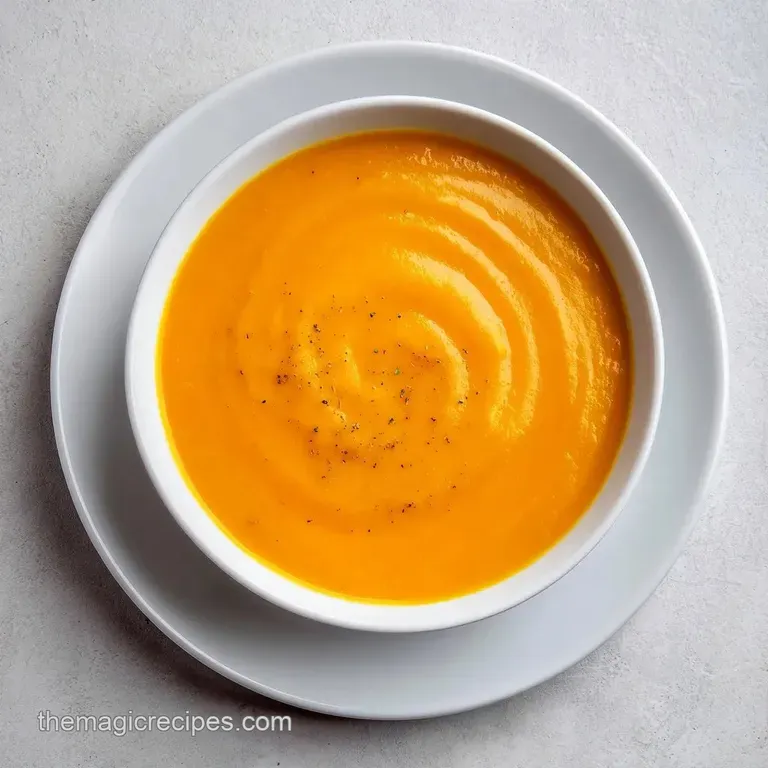
Even with a simple Roasted Sweet Potato Soup, things can slide sideways. Usually, it's a balance issue.
Why Your Soup Is Too Sweet
Sometimes sweet potatoes are just too sweet, making the soup taste like a dessert. This happens if the potatoes were very mature or if the maple syrup was too heavy handed. To fix this, add another teaspoon of lemon juice or a pinch of smoked paprika to introduce some bitterness.
Fixing a Too Thin Consistency
If your soup feels more like a sauce or a thin broth, you likely had too much liquid or your potatoes were smaller. Let it simmer for another 10 minutes without the lid to reduce the liquid. Alternatively, mash a few pieces of potato manually before blending.
Preventing a Grainy Texture
Graininess usually comes from under blending or using a low-fat coconut milk that has separated. Ensure you're using a high speed blender and process for at least 60 seconds.
| Problem | Root Cause | Solution |
|---|---|---|
| Bland Flavor | Under salted | Add salt 1/4 tsp at a time |
| Bitter Taste | Burnt Garlic | Strain through a mesh sieve |
| Separated Fat | Over boiled milk | Blend again on high speed |
Common Mistakes Checklist
- ✓ Don't overcrowd the roasting pan or the potatoes will steam instead of brown.
- ✓ Avoid boiling the coconut milk for too long, as it can split.
- ✓ Don't skip the lemon juice; it's the "secret" that balances the dish.
- ✓ Use fresh ginger, not powdered, for that vibrant zing.
Adjusting the Batch
Whether you're feeding a crowd or just yourself, you can scale this. But don't just multiply everything blindly.
Scaling Down (Half Batch) Use a smaller sheet pan so the vegetables stay in a single layer. Reduce the roasting time by about 20%, checking at the 20 minute mark. If you're using one egg for a garnish or thickener (though not in this recipe), beat it first and then use half.
Scaling Up (Double or Triple) This is where people mess up. Do not put 6 lbs of potatoes on one pan, or they'll just boil in their own steam. Work in batches. When it comes to seasonings, only increase the salt and cumin to 1.5x first, then taste.
Liquids usually need to be reduced by about 10% when doubling to keep the thickness consistent.
| Priority | Small Batch | Large Batch |
|---|---|---|
| Pan Space | 1 small tray | 2-3 large trays |
| Roast Time | -20% time | Same time per tray |
| Liquid | 50% volume | 90% of double volume |
If you're making a massive batch for a party, this pairs beautifully with a Sweet Potato Buddha Bowl as part of a larger plant forward spread.
Busting Kitchen Myths
Let's clear a few things up. I've seen some weird advice online about root vegetable soups.
Myth: You must peel sweet potatoes for a smooth soup. Truth: If you have a high speed blender (like a Vitamix), the skins vanish. However, I recommend peeling for this specific recipe because the skins can sometimes introduce a slightly bitter, "earthy" note that clashes with the coconut milk.
Myth: Adding cream at the start makes it creamier. Truth: Adding fats like coconut milk or cream at the beginning can actually lead to separation or scorching. Adding it at the end preserves the fresh flavor and ensures a stable emulsion.
Preservation Secrets
You don't want to waste a single bit of this goodness. This soup actually tastes better the next day because the flavors have more time to mingle.
Storage Guidelines In the fridge, this lasts about 4 days. Keep it in an airtight glass container. In the freezer, it's good for up to 3 months. Just leave an inch of space at the top of the container because liquids expand when they freeze.
Zero Waste Tips Don't toss those onion peels and the ends of the sweet potato. Put them in a freezer bag with some carrot scraps and celery ends. When the bag is full, simmer them in water for 2 hours to make a free, homemade vegetable broth for your next batch of soup.
Reheating Specifics Warm it up on the stovetop over medium low heat. If it's thickened too much in the fridge (which happens!), stir in a splash of water or coconut milk to loosen it up. Avoid the microwave if you can, as it tends to heat unevenly and can break the coconut milk emulsion.
Perfect Complements
A velvety soup is a great base, but the toppings are where you can really show off.
The Gourmet Toppings
For a bit of crunch, try toasted pumpkin seeds (pepitas) or a drizzle of chili oil for some heat. A swirl of coconut cream on top makes it look like it came from a bistro. If you want something a bit more hearty, a few croutons rubbed with garlic are a classic for a reason.
The Side Pairings
This is a rich soup, so you need something to cut through that weight. A crisp arugula salad with a sharp lemon vinaigrette is the best bet. If you're feeling extra hungry, serve it with a slice of toasted sourdough rubbed with a raw garlic clove. It's simple, but it works every time.
Recipe FAQs
Should you roast sweet potatoes for soup?
Yes, roasting is essential. It evaporates water and concentrates the natural sugars, creating mahogany-colored edges that provide a depth of flavor boiling cannot achieve.
What is the one ingredient upgrade for better roasted sweet potatoes?
Add a touch of maple syrup. Stirring this in after roasting balances the earthy notes of the cumin and sweet potato with a subtle, professional sweetness.
How to make potato soup without chicken broth?
Substitute with vegetable broth. Use 4 cups of vegetable broth to keep the recipe plant-forward while maintaining a savory, aromatic base.
How to achieve a completely velvety texture?
Process the mixture with a high-speed or immersion blender. Blend the roasted vegetables, broth, and coconut milk until completely smooth and no lumps remain.
Why roast the garlic and onion with the potatoes?
It mellows the sharp flavors. Roasting at 400°F transforms the raw bite of garlic and onion into a sweet, caramelized base that integrates seamlessly into the soup.
How to brighten the flavor if the soup tastes too heavy?
Stir in fresh lemon juice just before serving. The acidity cuts through the richness of the coconut milk and lifts the overall flavor profile.
What is the best side dish to serve with this soup?
Serve with a crisp green vegetable. This pairs perfectly with tender-crisp green beans to provide a refreshing contrast to the soup's velvety sweetness.
Roasted Sweet Potato Soup for 6 Servings