Slowcooker Curried Butternut Squash Soup with Coconut Milk
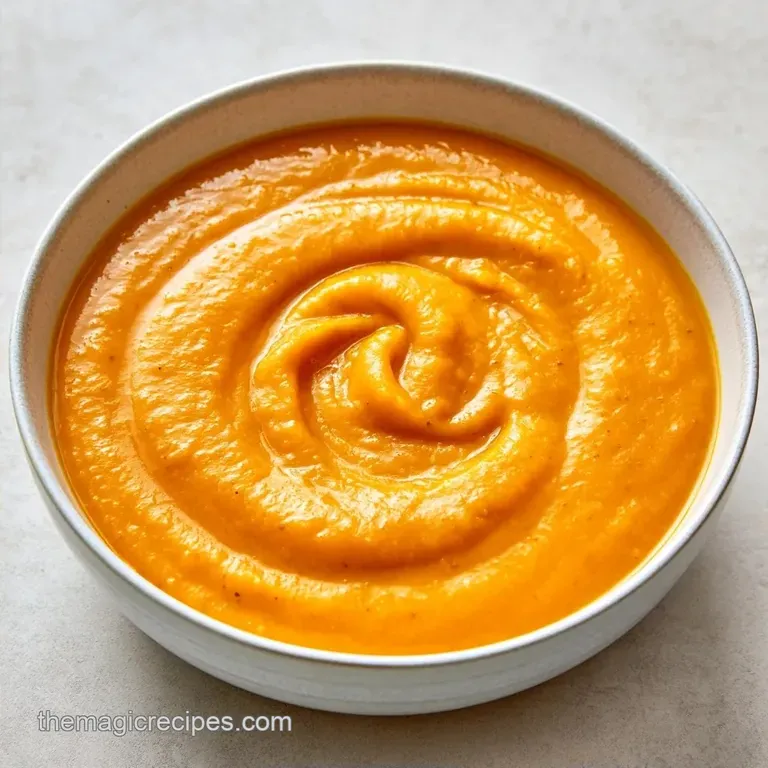
- Time:15 minutes active + 3 hours cooking
- Flavor/Texture Hook: Warm, creamy, and radiating a golden glow
- Perfect for: Stress-free weekday dinners or chilly autumn nights
SlowCooker Curried Butternut Squash Soup
The aroma that greets you when you lift the lid is incredible. A warm, golden steam of curry and toasted ginger fills the air, instantly making the whole house feel cozy. I initially worried the curry powder might be too overpowering, but the gentle, slow heat mellows the spices perfectly.
The result is a bowl of liquid gold that feels like pure comfort. It invites you to cozy up in your warmest sweater and ignore your inbox for a while.
This SlowCooker Curried Butternut Squash Soup requires no complex techniques. We simply let time and low heat do the hard work, breaking the squash down into a smooth, nourishing base.
Why the Flavors Blend Right
Low and Slow: Cooking the squash for hours allows the natural sugars to release slowly, which balances the heat of the curry powder.
Coconut Finish: Adding the coconut milk at the very end keeps the fat from separating and maintains a fresh, creamy taste.
If you like this kind of cozy vibe, you might also enjoy my autumn harvest bowl, which uses similar seasonal produce.
| Method | Time | Texture | Best For | |||
|---|---|---|---|---|---|---|
| Slow Cooker | 3-8 hours | Integrated and deep | Set and forget days | |||
| Stovetop | 45 minutes | Brighter, punchier | Quick weeknight meals | Goal | What to change | |
| :--- | :--- | |||||
| More heat | Add 1/2 tsp cayenne | |||||
| Thicker soup | Use 3 cups broth | |||||
| Tangier taste | Stir in lime juice |
The Main Components
Since we're using a slow cooker, the ingredients aren't just dumped in; they're layering flavors. The aromatics build the base, the spices provide the warmth, and the coconut milk ties it all together.
| Ingredient | Role | If You Don't Have It |
|---|---|---|
| Butternut Squash | Main body and sweetness | Pumpkin or Hubbard squash |
| Coconut Milk | Creaminess and fat | Heavy cream or cashew cream |
| Curry Powder | Primary warmth/spice | Mix cumin, coriander, and turmeric |
The Building Blocks
Prepare your vegetables first. To make the chopping process easier, refer to these tips on how to peel + cut a butternut squash to reduce the hassle.
- 2 lb butternut squash, peeled, seeded, and cubed Why this? The high starch content provides a natural thickness.
- 5 oz yellow onion, diced Why this? Establishes a savory, aromatic base.
- 3 cloves garlic, minced
- 1 tbsp fresh ginger, grated Why this? Brings a zesty, bright contrast to the hearty squash.
- 5 oz carrot, diced Why this? Enhances the color and adds subtle sweetness.
- 2 tbsp mild curry powder
- 1 tsp ground cumin
- 1/2 tsp ground turmeric
- 1 tsp kosher salt
- 1/2 tsp black pepper
- 4 cups low sodium vegetable broth Why this? Ensures the soup remains light and vegan.
- 1 can (13.5 fl oz) full fat coconut milk Why this? The full fat version creates a rich, velvety texture.
- 1 tbsp olive oil
If you need a broth alternative, water with a pinch of extra salt works, although you'll lose some vegetable depth. Ground ginger can be used instead of fresh (1 teaspoon), though the flavor is less vibrant.
Tools You'll Need

I find that prepping everything in advance prevents any mid-recipe stress. You don't need a professional kitchen, just a few essentials.
- 6 quart slow cooker (or larger)
- Immersion blender (crucial for a smooth consistency)
- Large skillet (optional, for sautéing)
- Chef's knife and cutting board
- Measuring cups and spoons
Helpful Hint: For those without a hand blender, a standard blender works if you process the soup in batches. Use caution with hot liquids keep the lid slightly open to vent pressure, or you'll risk a coconut milk explosion in your kitchen.
The Simple Cooking Steps
Let's dive into the cooking. This is the part where the wonderful aromas begin to fill your kitchen.
- Heat olive oil in a pan and sauté the diced onion and carrots for about 5 minutes until they look translucent and soft. While you can skip this and add them raw to the pot to save time, sautéing creates a richer flavor.
- Transfer the sautéed (or raw) vegetables to the slow cooker, adding the minced garlic and grated ginger.
- Layer the cubed butternut squash over the aromatics.
- Add the curry powder, cumin, turmeric, salt, and pepper. Stir well until the squash is coated in a yellow hue.
- Pour in the vegetable broth. Ensure the vegetables are mostly covered, though it's okay if some float at first as they will eventually sink.
- Cover and cook on High for 3 hours until the squash pieces mash easily with a fork. Alternatively, use the Low setting for 6 to 8 hours.
- Set the slow cooker to Warm. This helps avoid boiling or curdling the coconut milk.
- Stir in the entire can of coconut milk gently.
- Use an immersion blender to process the soup until the texture is velvety and smooth.
- Give it a final taste. Adjust the salt and pepper as needed.
Fixing Common Texture Issues
Occasionally, the final result may differ from what you expected. This is typically due to the heat of your specific appliance or the moisture content of the squash.
Fixing Thin Soup
If the consistency is too thin to be a creamy bisque, the squash was likely quite watery. You can thicken it by simmering on High without the lid for an additional 30 minutes to reduce the liquid.
Fixing Bland Taste
Spices can sometimes lose their punch in a slow cooker. If the flavor tastes dull, stir in a teaspoon of lemon or lime juice. The acidity brightens the curry and helps the flavors stand out.
Fixing Pale Color
If the color is more beige than golden, you may have used a mild curry powder. Stir in another 1/4 teaspoon of turmeric; this adds a vibrant, sunny glow without significantly altering the taste.
| Problem | Fix |
|---|---|
| Soup is too runny | Simmer uncovered for 30 mins |
| Lacks depth | Add a squeeze of lime juice |
| Color is too pale | Stir in extra turmeric |
Ways to Serve It
While this curried butternut squash soup is filling enough on its own, a few simple toppings can elevate it to restaurant quality. I particularly enjoy a swirl of extra coconut milk for the striking visual contrast.
For a bit of crunch, toasted pumpkin seeds or roasted chickpeas are excellent choices. To make the meal more substantial, serve it alongside warm naan bread or a crusty sourdough baguette. A sprinkle of fresh cilantro leaves or chopped chives also adds a bright note that cuts through the creaminess.
If you are hosting a crowd, divide the soup into small bowls and garnish each with a pinch of smoked paprika. This introduces a subtle earthiness that pairs perfectly with the cumin.
Keeping Your Leftovers Fresh
This soup actually tastes better the next day because the spices have more time to meld. Keep it in a sealed glass jar in the cooler for up to 4 days.
For longer storage, this recipe freezes beautifully. Pour the cooled soup into freezer safe containers, leaving about an inch of space at the top for expansion. It'll stay good for about 3 months.
When you're ready to eat it again, thaw it in the fridge overnight. Reheat it gently on the stove over medium heat. If the coconut milk makes it look a bit separated after freezing, just give it a vigorous whisk as it warms up, and it'll smooth right out.
As for zero waste, don't toss your squash peels if they're organic. You can roast them with a bit of oil and salt at 400°F for 10 minutes to make "squash chips" as a snack while the soup is simmering.
Twists for Different Diets
This version is already vegan and gluten-free, but you can tweak it based on your mood. If you want to add more protein, stir in a can of rinsed chickpeas or some cubed firm tofu during the last 30 minutes of cooking.
For those avoiding coconut, you can use heavy cream or a blend of cashew cream (soaked cashews blended with water). Keep in mind that the flavor will be more neutral and less tropical.
If you're looking for something even lighter, you can swap half the broth for water or a light vegetable stock. For another light and nourishing option, you might like my vegetable and pasta soup, which is a bit more traditional.
You can also change the heat level by swapping the mild curry powder for a Madras or hot curry blend. Just start with one tablespoon and taste as you go, since slow cookers can intensify some heat profiles over time.
Recipe FAQs
Which ingredients provide the main flavor for this soup?
Curry powder, fresh ginger, and coconut milk create the primary warmth and richness.
Tip: Use a mild curry powder to ensure the flavor stays earthy rather than overly spicy.
How do I make butternut squash curry in a slow cooker?
Layer diced onion, carrots, garlic, ginger, and cubed squash in the pot before stirring in spices and vegetable broth.
Tip: Set the cooker to High for 3 4 hours or Low for 6 8 hours until the squash is fork tender.
What are common mistakes to avoid when making squash soup?
Adding coconut milk at the beginning of the cook time can cause the fat to separate.
Tip: Stir in the coconut milk only after switching the slow cooker to the Warm setting.
Is it true that curry powder overpowers the butternut squash?
No, this is a common misconception. The slow cooking process mellows the spices, allowing the natural sweetness of the squash to balance the heat.
Tip: Taste the soup before blending to determine if it needs an extra pinch of salt.
Do you really have to sauté the vegetables for the soup to taste good?
That's a myth. You can place the raw onion, carrots, garlic, and ginger directly into the slow cooker for a successful result.
Tip: Sautéing first in olive oil adds a slight caramelized depth if you have an extra 10 minutes.
Could other liquids be used if I lack coconut milk?
You can use other creamy bases to achieve a similar result to our thick roasted vegetable soup.
Tip: Ensure any creamy substitute is unsweetened to prevent the soup from tasting like a dessert.
Why did my soup not reach a velvety texture?
The vegetables may not have been cooked long enough to break down completely before blending.
Tip: Process the soup with an immersion blender directly in the pot for several minutes to ensure total smoothness.
Curried Butternut Squash Soup