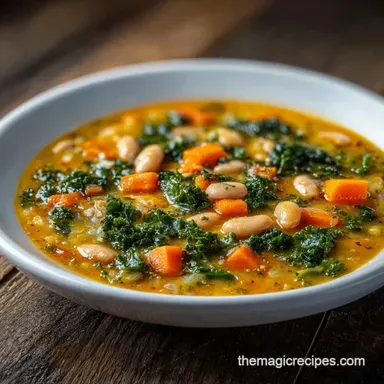
Kale and White Bean Soup: Creamy and Nourishing
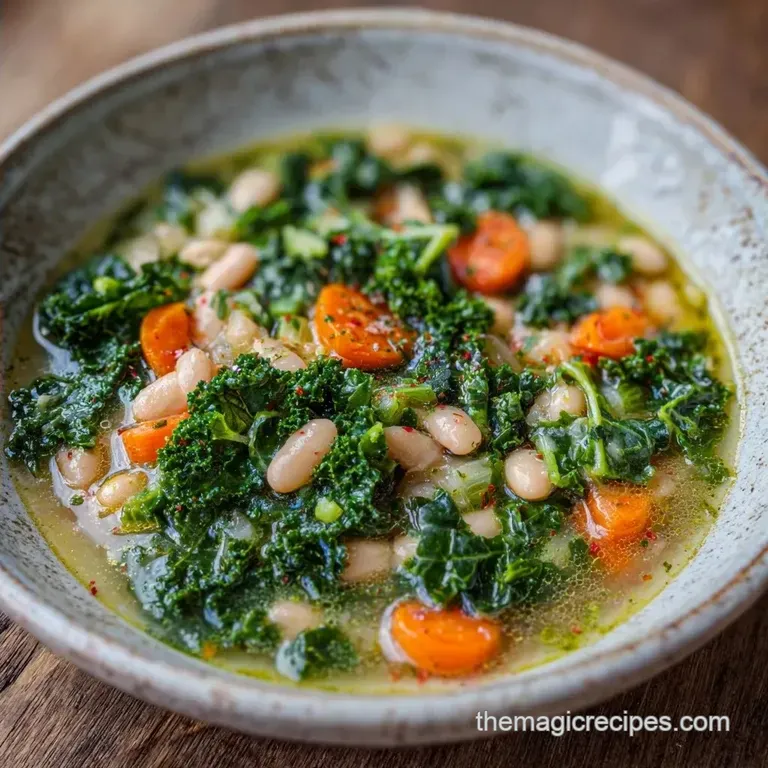
- Time: 10 min active + 30 min cooking
- Flavor/Texture Hook: Velvety broth with shatter crisp kale and tender beans
- Perfect for: Healthy weeknight dinners or batch cooking for the week
The smell of garlic and onions hitting hot olive oil is, for me, the ultimate signal that the house is becoming a home. It's a scent that reminds me of the "Cucina Povera" tradition in Italy, where the goal wasn't fancy ingredients, but making the most of what was in the garden.
This approach is exactly what makes this dish so satisfying. It doesn't try to be something it isn't. It's just humble vegetables and beans doing their best.
I remember the first time I tried making a version of this in a tiny apartment kitchen. I overcooked the kale until it was a murky, olive drab color and the broth was as thin as water. It was edible, but it lacked that vibrant, nourishing energy you want from a soup.
I realized then that the magic isn't in the ingredients themselves, but in the timing and the texture.
That's why this Kale and Bean Soup is different. We're focusing on the contrast between the creamy, blended beans and the bright, fresh bite of the greens. You get a meal that feels like a hug in a bowl, but it's packed with the kind of nutrients that actually keep you full. Let's get into how to do it right.
Why This Kale and Bean Soup Works
To get this right, you have to understand how the textures interact. It's not just about boiling everything in a pot. We're creating layers of flavor and consistency that make the soup feel professional without needing a culinary degree.
Natural Thickening: By blending a portion of the beans directly into the broth, we release the starches. This creates a velvety body that coats the spoon, removing the need for cornstarch or heavy cream.
Acid Balance: Kale and beans are both "earthy" flavors. Adding fresh lemon juice at the very end acts as a brightener, cutting through the richness and making the other flavors pop.
Thermal Timing: Kale is a hearty green, but it still has a breaking point. Adding it at the end ensures it wilts just enough to be tender while keeping that vibrant green color.
Soffritto Base: Starting with the classic trio of onion, carrot, and celery creates a foundational sweetness. This prevents the broth from tasting like plain salted water and gives the soup a deep, rounded flavor.
| Method | Time | Texture | Best For |
|---|---|---|---|
| Stovetop | 40 mins | Fresh & Vibrant | Immediate dinner |
| Slow Cooker | 6 hours | Soft & Mellow | Set and forget days |
| Instant Pot | 30 mins | Consistent | High speed prep |
The Ingredient Breakdown
Not all ingredients are created equal here. The way a cannellini bean behaves is very different from a kidney bean, and the choice of kale changes the entire vibe of the bowl.
| Ingredient | Science Role | Pro Secret |
|---|---|---|
| Cannellini Beans | Starch source | Blend one can, keep one whole for contrast |
| Lacinato Kale | Structural green | Remove the woody center ribs completely |
| Lemon Juice | pH Balancer | Always add after heat is off to keep it bright |
| Vegetable Broth | Liquid base | Use low sodium so you can control the salt |
The Essential Gear
You don't need a kitchen full of gadgets, but a few specific tools make this a lot easier. I always reach for a heavy bottomed Dutch oven. It holds heat way better than a thin stainless steel pot, which means your onions sauté evenly instead of scorching in one spot and staying raw in another.
An immersion blender is the real MVP here. It lets you cream the soup right in the pot, which saves you from transferring boiling liquid into a traditional blender (which is a great way to burn your face if you aren't careful).
If you don't have one, a regular blender works, just do it in small batches and leave the lid slightly cracked.
For the prep, a sharp chef's knife is non negotiable. You want your carrots and celery to be roughly the same size as your onion. This is called a "uniform dice," and it's not just for looks. When everything is the same size, it all cooks at the same rate, so you don't end up with mushy onions and raw carrots.
How to Make It
Let's get stuck in. Make sure you have everything chopped and ready to go before you turn on the heat.
Heat 2 tablespoons of olive oil over medium heat in your Dutch oven. Add the diced onion, carrots, and celery. Sauté for 6–8 minutes until onions are translucent and carrots have softened. Note: Don't rush this; the sweetness comes from the slow soften.
Stir in the minced garlic and dried thyme. Cook for 60 seconds until you smell that fragrant garlic aroma. Note: Garlic burns fast, so keep it moving.
Pour in the vegetable broth and one full can of the drained beans. Use your immersion blender to pulse the mixture until the broth is thickened and creamy. Note: Don't over blend; you want a few little chunks for texture.
Stir in the second can of whole beans. Simmer on low for 10–15 minutes until the beans are heated through and the flavors meld.
Fold in the chopped kale. Stir continuously for 3–5 minutes until the leaves are wilted but still bright green. Note: If they turn brown, you've gone too far.
Remove the pot from the heat. Stir in the fresh lemon juice. Garnish with a drizzle of olive oil and fresh parsley.
Common Soup Mistakes
Even a simple dish can go sideways if you aren't paying attention to a few key details. Most people struggle with either the texture of the broth or the bitterness of the greens.
Troubleshooting Common Issues
| Issue | Solution |
|---|---|
| Why Your Soup Is Too Thin | If your broth feels like water, you likely didn't blend enough of the beans or your heat was too high, causing too much evaporation before the thickening happened. |
| Why Your Kale Is Bitter | Bitter kale usually happens for two reasons: using the stems or overcooking. The center rib of the kale is woody and tastes like a blade of grass. Always strip the leaves off the stem. |
| Why The Flavor Is Flat | A "flat" soup usually lacks acid. When a dish tastes like it's "missing something" but you've already added salt, it's almost always an acid issue. |
Common Mistakes Checklist:
- ✓ Removed all woody stems from the kale
- ✓ Sautéed vegetables until translucent, not browned
- ✓ Blended only one can of beans, kept the other whole
- ✓ Added lemon juice after removing from heat
- ✓ Used low sodium broth to avoid over salting
Ways to Swap Ingredients
This recipe is a great template. Once you have the base down, you can tweak it to fit what's in your pantry or your dietary needs. If you're looking for something similar but with a different veggie profile, my Minestrone Soup Recipe is a fantastic alternative.
For a Meaty Punch
If you want a Kale and Bean Soup with Sausage, brown some sliced Italian sausage or kielbasa in the pot before you add the vegetables. The rendered fat from the sausage adds a huge amount of savory depth. Just reduce the olive oil by one tablespoon since the meat provides its own fat.
For a Vegan/Plant Based Version
The recipe as written is already a Vegan Kale and Bean Soup, but you can make it even richer by adding a teaspoon of nutritional yeast or a dash of soy sauce to the broth. This adds a "cheesy" or "umami" quality that mimics the depth of a meat based stock.
For Instant Pot Users
To make an Instant Pot Kale and Bean Soup, sauté the vegetables using the "Sauté" function. Add the broth, thyme, and both cans of beans. Pressure cook on high for 5 minutes.
Quick release the pressure, use the immersion blender for the creamy effect, then stir in the kale and lemon juice at the end.
For a Tuscan Twist
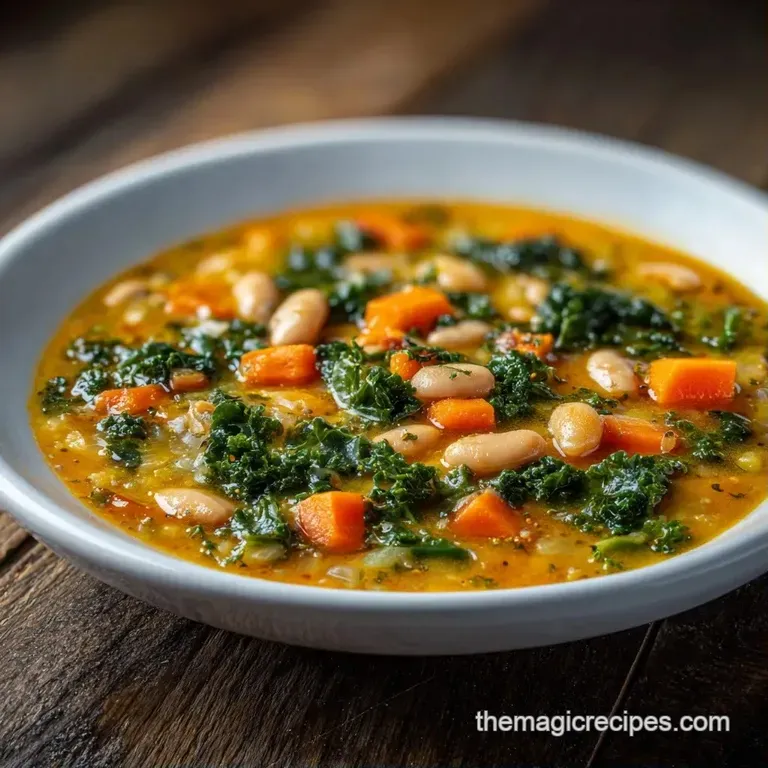
To make a Vegetarian Tuscan White Bean and Kale Soup, add a pinch of red pepper flakes during the garlic stage for a subtle heat. You can also stir in a tablespoon of tomato paste with the thyme to give the broth a slightly orange, rich hue and a deeper sweetness.
| Original Ingredient | Substitute | Why It Works |
|---|---|---|
| Cannellini Beans | Chickpeas | Similar starch. Note: Heartier bite, less creamy blend |
| Lacinato Kale | Spinach | Very tender. Note: Must add in the last 60 seconds or it vanishes |
| Vegetable Broth | Chicken Broth | Deeper savory flavor. Note: No longer vegan/vegetarian |
| Lemon Juice | Apple Cider Vinegar | Bright acidity. Note: More pungent, less citrusy |
Adjusting Your Batch Size
Cooking for one is different than cooking for a crowd. You can't just multiply everything by four and expect it to work the same way in the same pot.
Scaling Down (Half Batch) Use a smaller pot so the liquid doesn't evaporate too quickly. Reduce the sauté time for the vegetables by about 2 minutes since there's less mass in the pan. If you're using half a can of beans, blend a few tablespoons of them and keep the rest whole.
Scaling Up (Double or Triple Batch) When doubling the recipe, don't double the salt and pepper immediately. Start at 1.5x and taste as you go. You'll also need a much larger pot to ensure the kale has room to wilt without being crushed.
Increase the simmer time by 5 minutes to ensure the larger volume of beans is fully heated through.
Baking Note While this is a soup, if you're making a bean based casserole using similar ingredients, remember to lower your oven temp by about 25°F if you double the depth of the pan, and extend the time by 15-20 minutes to ensure the center is hot.
Truths About Bean Soups
There are a few things people tell you about bean soups that just aren't true. Let's set the record straight.
Myth: Canned beans are "processed" and tasteless. Actually, high-quality canned beans are a lifesaver. As long as you rinse them thoroughly to get rid of the excess sodium and the "canning liquid" (which can be metallic), they taste great.
They save you 8 hours of soaking and simmering without a major loss in flavor.
Myth: You must sear the vegetables to lock in flavor. Searing (browning) is great for steak, but for this soup, we want a "sweat." We're looking for translucency, not brown crust. Browning the onions too much can actually introduce a bitter note that clashes with the freshness of the kale.
Myth: Adding kale at the start makes it more nutritious. Overcooking vegetables destroys many of the heat sensitive vitamins. By adding the kale at the end, you preserve the nutrients and the color. You aren't losing health benefits by cooking it for 3 minutes instead of 30.
Storing Your Soup
One of the best things about this recipe is that it actually tastes better the next day. The beans continue to release starch, and the flavors have more time to marry. For a different take on bean based comfort, you might enjoy my Hearty Bean Roasted Soup.
In the Fridge Store your soup in an airtight container for up to 5 days. The kale will soften further over time, which is fine for most people, but if you like a bit of bite, you can stir in a handful of fresh spinach when you reheat it.
In the Freezer This soup freezes beautifully for up to 3 months. I recommend freezing it in individual portions. When you thaw it, the broth might look a little separated. Just give it a good stir and a quick simmer on the stove.
Zero Waste Tips Don't throw away those kale stems! Chop them very finely, almost like minced garlic, and add them to the pot at the same time as the carrots and celery. They add a great textural crunch and ensure none of that expensive organic kale goes to waste.
You can also save the leftover lemon wedges to squeeze over grilled fish or toss into your water.
The Best Way to Serve
Presentation isn't everything, but it makes the meal feel more special. This soup is quite rustic, so embrace that. Serve it in a wide, shallow bowl rather than a deep mug. This allows the colors of the bright green kale and white beans to really stand out.
The Finishing Touches A final drizzle of high-quality extra virgin olive oil on top is a must. It adds a silky mouthfeel and a peppery aroma that complements the lemon. A sprinkle of fresh parsley adds a hit of herbal freshness that balances the earthiness of the beans.
Perfect Pairings This soup is hearty, but it loves a sidekick. A thick slice of toasted sourdough rubbed with a raw garlic clove is the gold standard. If you want something lighter, a side of roasted carrots or a simple arugula salad with a balsamic glaze works perfectly. For a full meal, try pairing it with a Sweet Potato Buddha Bowl for a plant forward feast.
Serving Temperature Serve this steaming hot. Because of the starch from the beans, the soup can thicken up as it sits in the bowl. If it becomes too thick, just stir in a tablespoon of hot water or extra broth to loosen it back up to a velvety consistency.
Recipe FAQs
Is kale still healthy in a soup?
Yes, it remains highly nutritious. Wilting the leaves for 3–5 minutes preserves most vitamins while making the greens easier to digest.
What are common mistakes when making bean soup?
Overcooking the kale or leaving the stems in. The center rib is woody and bitter, so always strip the leaves off the stem before adding them to the pot.
Which spices are recommended to make white bean soup?
Dried thyme and cracked black pepper. These provide an earthy, savory base that complements the creamy texture of cannellini beans.
How to make a vegetable soup and make it taste good?
Stir in fresh lemon juice right before serving. This acid brightens the flavors and fixes a "flat" taste that often occurs in vegetable-based broths.
How to make a quick vegetable soup recipe?
Sauté aromatics and thicken the base with blended beans. Pulse one can of beans with vegetable broth using an immersion blender to create a creamy texture without needing heavy cream.
What are some good side dishes to serve with bean soup?
Crusty sourdough or a fresh garden salad. If you enjoy the crisp contrast of a Lebanese Fattoush, it pairs perfectly with this hearty soup.
Is it true that bean soups are too high in carbs for diabetic patients?
No, this is a common misconception. The high fiber content found in cannellini beans and kale helps stabilize blood sugar levels.
Kale and Bean Soup in 40 Minutes