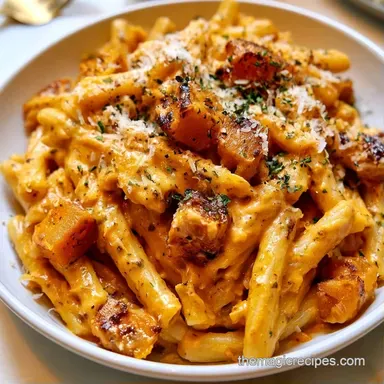
Creamy Butternut Squash Pasta: Roasted Comfort
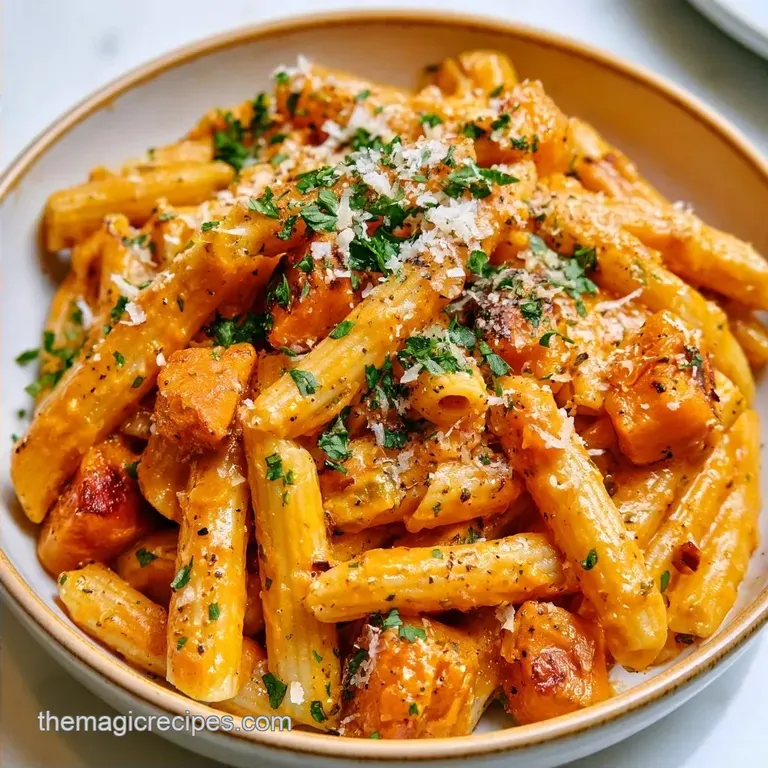
- Time: 10 min active + 30 min cooking
- Flavor/Texture Hook: Nutty browned butter and a velvety, smooth sauce
- Perfect for: A cozy weeknight dinner with an upscale feel
I once tried making a squash sauce by boiling the cubes in water, and it was a disaster. The result was a pale, watery consistency that tasted like baby food and refused to stick to the noodles. I ended up with a bland bowl of mush that felt more like a task than a dinner.
The fix was easy: I stopped boiling and started roasting. High heat browns the natural sugars, giving the sauce a mahogany tint and a toasted depth. This is how you ensure your Butternut Squash Pasta has real substance.
You can expect a dish that harmonizes the earthy sweetness of the squash with the zing of lemon and the muskiness of fried sage. It's a vibrant, nourishing meal that takes much less effort than you'd imagine.
Why Roasting Changes Everything
High Heat Caramelization: Roasting at 220°C converts starches into toasted sugars. This gives the sauce a depth that simmering can't touch.
Starch Emulsification: Using the reserved pasta water binds the fat from the butter and cream to the puree. If you're into creamy bases, my easy alfredo sauce recipe uses a similar emulsification trick to stop the sauce from separating.
Acid Balance: A splash of lemon juice cuts through the richness. It wakes up the heavy cream and Parmesan so the dish doesn't feel too heavy.
| Method | Time | Texture | Best For |
|---|---|---|---|
| oven roasted | 40 mins | Thick and concentrated | Maximum flavor and color |
| Stovetop Simmer | 30 mins | Lighter and thinner | Quick, mild weeknight meals |
Ingredient Deep Dive
The key to this Butternut Squash Pasta is using ingredients that contrast each other. The sweetness of the squash needs the salt of the Parmesan and the bitterness of the sage to feel balanced.
| Component | Purpose | Substitute Notes |
|---|---|---|
| Butternut Squash | Base flavor and thickness | Pumpkin: Similar texture but slightly sweeter |
| Heavy Cream | Adds richness and body | Coconut cream: Works well but adds a tropical note |
| Fresh Sage | Earthy, aromatic contrast | Thyme: More subtle, less "autumnal" |
| Parmesan | Saltiness and umami | Pecorino: Saltier and sharper than Parmesan |
Ingredients You'll Need
For the Roasted Base
- 900g (2 lbs) butternut squash, peeled and cubedWhy this? Roasted cubes develop the best mahogany crust
- 3 tbsp extra virgin olive oil
- 4 cloves garlic, peeled
- 1 tsp kosher salt
- ½ tsp cracked black pepper
For the Creamy Sauce
- 120ml (½ cup) vegetable brothWhy this? Adds a savory layer without adding too much fat
- 120ml (½ cup) heavy cream
- 50g (½ cup) grated Parmesan cheese
- ¼ tsp ground nutmeg
- 1 tbsp lemon juice
For the Pasta & Finish
- 450g (1 lb) rigatoni pastaWhy this? Large tubes hold the thick sauce inside
- 4 tbsp unsalted butter
- 12 fresh sage leaves
- ¼ cup chopped parsley
Recipe Specs
This Butternut Squash Pasta is designed for efficiency. By roasting the garlic and squash together, you save a pan and a step.
- Prep time: 10 minutes
- Cook time: 30 minutes
- Total time: 40 minutes
- Yield: 4 servings
- Oven Temp: 425°F (220°C)
Tools for the Job
This can be made with standard home equipment. Your most essential tools are a basic blender and a wide skillet.
- Large rimmed baking sheet
- High speed blender or immersion blender
- Large pasta pot
- Wide skillet (12 inch is ideal for tossing)
- Fine mesh sieve (optional, for a smoother texture)
Bringing It Together
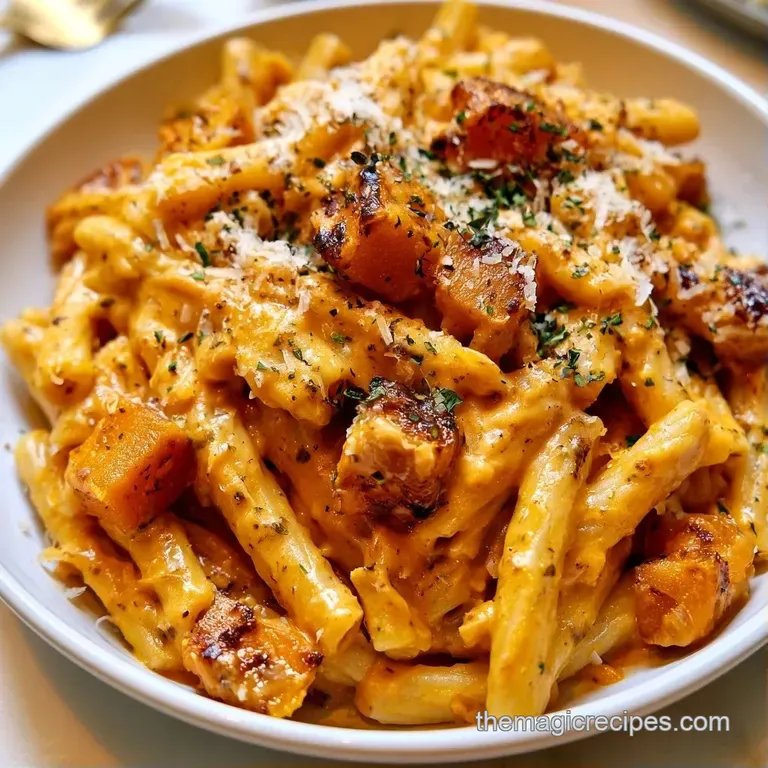
Roasting the Aromatics
Preheat your oven to 220°C (425°F). Combine the cubed butternut squash and garlic cloves on a baking tray with olive oil, salt, and pepper. Arrange them in a single layer to ensure they roast instead of steam.
Bake for 20-25 minutes until the edges are mahogany colored and tender.
Blending the Velvet Sauce
Place the roasted squash and garlic in a blender. Stir in the vegetable broth, heavy cream, Parmesan, nutmeg, and lemon juice. Process on high until the mixture is completely smooth and glossy. If the sauce is too thick to pour, add one additional tablespoon of broth.
Cooking the Pasta
Bring a large pot of salted water to a boil. Add the rigatoni and cook until just before al dente. This is important because the pasta will finish cooking in the sauce. Save 240ml (1 cup) of the starchy pasta water before draining.
Sizzling the Sage
Melt the butter in a wide skillet over medium heat. Wait until it starts to foam and develops a nutty aroma. Add the sage leaves and fry for 1-2 minutes until they become crisp.
Emulsifying the Pasta
Add the blended sauce to the skillet with the sage butter. Mix in the cooked pasta and a splash of the reserved pasta water. Toss continuously over medium heat for 2 minutes until the sauce clings to the rigatoni.
The Final Touch
Remove the pan from the heat and stir in the chopped parsley. The residual heat will soften the herbs without turning them brown.
Solving Common Issues
If your sauce doesn't look right, it's usually a matter of blending or liquid ratios. A grainy sauce usually means the garlic wasn't roasted long enough or the blender didn't quite get all the fibers.
Fixing a Grainy Texture
This happens when the squash isn't fully broken down. Run the blender for another 60 seconds on high, or push the sauce through a fine mesh sieve.
Preventing a Dry Sauce
If the rigatoni absorbs the sauce too quickly, it's because you didn't use enough pasta water. Add the reserved water one tablespoon at a time while tossing over heat.
Balancing Bitter Tones
Sometimes sage can be too strong. A pinch of brown sugar or an extra squeeze of lemon juice can balance the bitterness.
| Problem | Fix |
|---|---|
| Sauce is too thick | Stir in more reserved pasta water |
| Sauce is too bland | Add another pinch of salt or lemon juice |
| Sage is burnt | Discard burnt leaves and start butter over |
Storage and Zero Waste
This Butternut Squash Pasta stores well, although the sauce may thicken while chilled. Keep it in a tightly sealed container for 3 days. To loosen the sauce when reheating, just stir in a tablespoon of milk or water.
The sauce can be frozen separately for up to 3 months. Simply blend all ingredients except the butter and pasta, freeze in portions, and thaw before combining with fresh noodles.
Don't throw away the squash peels. I often toss mine with salt and oil, then roast them at 200°C for 10 minutes to make savory, crispy chips. For another way to use the vegetable, this curried butternut squash soup is a wonderful winter choice.
| Servings | Squash Amount | Pasta Amount | Cream/Broth |
|---|---|---|---|
| 2 People | 450g | 225g | 60ml each |
| 4 People | 900g | 450g | 120ml each |
| 8 People | 1.8kg | 900g | 240ml each |
Squash Sauce Misconceptions
Some people think you have to boil the squash to get a smooth puree. That's not true. Roasting provides a thicker consistency and way more flavor.
Another myth is that you need a roux (flour and butter) to thicken the sauce. The natural starches in the roasted squash and the rigatoni water do all the work for you.
Adjusting the Batch Size
For a dinner for two, opt for a smaller baking sheet. Avoid overcrowding the squash, as this causes it to steam rather than brown, which compromises the overall flavor of the Butternut Squash Pasta.
When doubling the ingredients for a crowd, avoid doubling the nutmeg. Strong spices can become overpowering in larger quantities, so start with 1.5x and taste as you go. For the pasta, prepare it in batches if your skillet isn't large enough to toss everything easily.
Presentation Tips
To make this look like it came from a bistro, don't just dump the pasta in a bowl. Use a wide, shallow pasta bowl and swirl the rigatoni into a mound.
Place the crisped sage leaves on top at the very end so they stay crunchy. A final grating of fresh Parmesan and a crack of black pepper adds visual contrast to the orange sauce.
Flavor Variations to Try
Creating a Vegan Version Swap the butter for a high-quality vegan butter and use coconut cream instead of heavy cream. Use nutritional yeast or a vegan Parmesan alternative to keep the salty, cheesy depth.
Adding a Spicy Kick Stir in a teaspoon of red pepper flakes while frying the sage. The heat cuts through the sweetness of the Butternut Squash Pasta and adds a nice glow to the dish.
Boosting the Protein This recipe pairs well with pan seared scallops or grilled chicken. I also love adding toasted walnuts or pumpkin seeds on top for a crunch that mimics the fried sage.
Turning it into a Bake Transfer the finished pasta to a baking dish, top with mozzarella and breadcrumbs, and broil for 3-5 minutes. This turns the meal into a hearty Butternut Squash Pasta bake.
Right then, you've got everything you need. This Butternut Squash Pasta is all about that contrast between the sweet roast and the salty butter. Just remember to save that pasta water, and you're set. Let's crack on and get cooking.
Recipe FAQs
How to achieve a silky smooth sauce texture?
Blend roasted squash, garlic, broth, cream, Parmesan, nutmeg, and lemon juice on high speed. This process breaks down the roasted fibers for a professional consistency.
Which proteins pair well with this pasta?
Venison or pan-seared chicken complement the sweetness of the squash perfectly. If you enjoy rich, creamy pairings, you might also like these meatballs in almond sauce.
Is it true that I need a food mill for a smooth consistency?
That's a myth. A standard blender creates a perfectly smooth puree when combining the roasted vegetables with heavy cream and broth.
Can the sauce be stored in the freezer?
Blend the squash, broth, cream, Parmesan, nutmeg, and lemon juice and freeze in portions for up to three months. Thaw the sauce completely before tossing it with fresh rigatoni and sage butter.
Roasted Butternut Squash Pasta