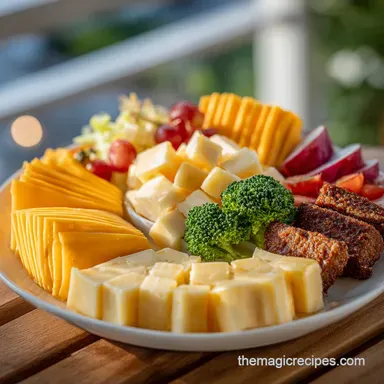
Spring Grazing Table: Vibrant and Fresh
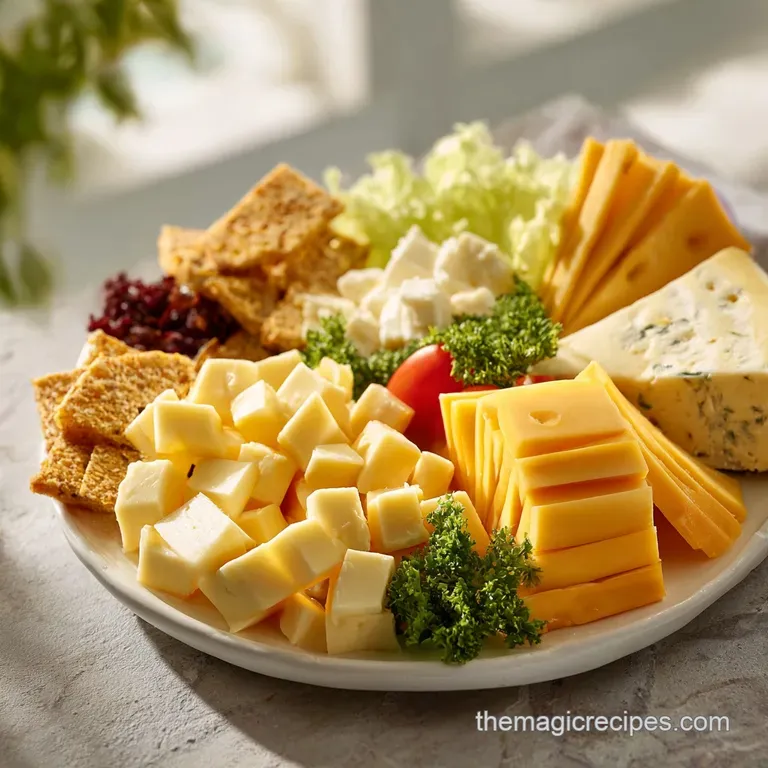
- Time:60 minutes active
- Flavor/Texture Hook: Velvety brie paired with the sharp shatter of seeded crisps
- Perfect for: Easter brunch, garden parties, or a vibrant weekend get together
- The Spring Grazing Table Secret
- Why This Layout Actually Works
- Component Analysis
- Essential Ingredients and Swaps
- Tools for Your Spread
- Step by Step Assembly
- Fixing Common Board Mistakes
- Troubleshooting Common Issues
- Fresh Ways to Switch It Up
- Adjusting Your Volume
- Debunking Board Myths
- Freshness and Waste Tips
- Making It Look Stunning
- Recipe FAQs
- 📝 Recipe Card
The sharp, peppery scent of sliced radishes always takes me back to my first attempt at a party spread. I remember spending two hours meticulously placing grapes and crackers on a wooden board, only for the whole thing to look like a flat, boring cafeteria tray.
There was no height, no flow, and honestly, it just looked like a pile of snacks rather than a curated experience. I felt like I'd missed some secret code that makes those professional boards look so effortless.
The real fix wasn't about buying more expensive cheese, it was about the architecture. I realized that without "anchors," everything just settles into a dull plane. Once I started treating my board like a landscape, with "rivers" of crackers and "hills" of cheese, everything changed.
That's exactly how I approach a Spring Grazing Table now, focusing on that fresh, garden inspired abundance that actually stays in place.
In this guide, I'm sharing the exact system I use to build a vibrant, nourishing spread. We'll cover how to pick ingredients that won't wilt, how to create a visual flow that guides your guests' eyes, and how to ensure you have the right balance of salty, sweet, and crunchy.
Trust me, once you get the "anchor" method down, you'll never go back to just throwing things on a platter.
The Spring Grazing Table Secret
The biggest mistake people make is starting with the small stuff. They scatter nuts and berries first, then try to jam a whole wheel of brie into a tiny gap. It's a recipe for frustration. To get that lush look, you have to build from the ground up, starting with your heaviest elements.
A Spring Grazing Table needs to feel airy and fresh, unlike the heavy, meat laden boards of winter. We're leaning into the bright greens of snap peas and asparagus, the pops of red from radishes and strawberries, and the creamy, light textures of goat cheese and ricotta.
It's all about creating a sense of movement across the table.
If you're planning a larger event, this approach is a lifesaver. Instead of making twenty different appetizers, you're creating one massive, edible centerpiece. It encourages people to linger, chat, and nibble slowly. It's less about a formal meal and more about a shared, relaxing experience.
Why This Layout Actually Works
I used to think these boards were just about "looking pretty," but there's actually a bit of a logic to the layout. When you arrange food strategically, you're managing how people interact with the table and how the flavors hit the palate.
The Anchor Method: Placing heavy bowls first creates structural boundaries. This prevents the "slide" and gives you a starting point to build outward.
Color Blocking: Grouping similar colors together mimics nature. This prevents the board from looking cluttered and makes the fresh produce pop.
Texture Mapping: Placing a "shatter" element (like a crisp) next to a "velvety" element (like brie) ensures every bite has contrast.
Flow Lines: Creating curved paths with crackers leads the guest's eye across the entire spread, making the table feel more abundant.
Right then, let's look at how the "fast" way differs from the "classic" approach. If you're in a rush, you can still make this work, but the experience changes slightly.
| Feature | Fast Assembly | Classic Method | Impact |
|---|---|---|---|
| Layout | Random clusters | Anchor and River | Classic looks more professional |
| Prep | Pre cut veggies | Hand trimmed/Blanched | Classic has better texture |
| Variety | 5-7 ingredients | 15+ ingredients | Classic offers more flavor depth |
It's important to understand that the classic method takes more time, but the visual payoff is massive. If you're hosting a casual Friday night, the fast version is fine. But for a holiday, the classic route is the way to go.
Component Analysis
Before we dive into the list, let's talk about what these ingredients are actually doing for your board. It's not just about taste, it's about the role each piece plays in the overall ecosystem of the spread.
| Ingredient | Science Role | Pro Secret |
|---|---|---|
| Double Cream Brie | Fat Anchor | Leave at room temp 1 hour for a gooey center |
| Snap Peas | Freshness/Crunch | Keep them barely chilled for maximum snap |
| Prosciutto | Salt/Umami | Ribbon them for height instead of laying them flat |
| Honey Lemon Ricotta | Acid/Cream | The lemon cuts through the heavy fats of the cheese |
When choosing your produce, I always suggest checking current freshness guides. According to the USDA FoodData, fresh vegetables like asparagus and snap peas retain their nutrients and crispness best when handled minimally before serving.
Essential Ingredients and Swaps
Here is everything you need for a standard Spring Grazing Table. I've focused on a plant forward mix that feels nourishing and vibrant.
The Cheeses (The Anchors)
- 8 oz Double Cream BrieWhy this? Adds a velvety, rich base.
- 4 oz Herbed Goat CheeseWhy this? Tangy and holds its shape well.
- 6 oz Aged Sharp Cheddar, cubedWhy this? Provides a bold, salty punch.
- 4 oz Manchego, sliced into trianglesWhy this? Nutty flavor and architectural shape.
The Cured Meats
- 4 oz Prosciutto, ribbonedWhy this? Adds salty, delicate curls.
- 4 oz Genoa Salami, folded into quartersWhy this? Volume and classic savoriness.
- 4 oz Sopressata, slicedWhy this? Adds a slight spicy kick.
The Spring Produce
- 1 cup sugar snap peas, trimmedWhy this? Vibrant green and satisfying snap.
- 1 bunch French breakfast radishes, halvedWhy this? Peppery bite and bright color.
- 1 bunch asparagus tips, blanchedWhy this? Elegant look and earthy taste.
- 1 cup baby carrotsWhy this? Sweetness and structural height.
- 1 cup fresh strawberries, halvedWhy this? Juicy sweetness to cut the salt.
- 1 cup green grapes, small clustersWhy this? Natural "fillers" that look lush.
The Accoutrements
- 1/2 cup dried apricotsWhy this? Concentrated sweetness.
- 1/2 cup Marcona almondsWhy this? Buttery, salty crunch.
- 1/2 cup Castelvetrano olivesWhy this? Mild, buttery flavor compared to Kalamatas.
- 150g water crackersWhy this? Neutral base for heavy cheeses.
- 100g toasted baguette slicesWhy this? Hearty texture for dips.
- 100g seeded crispsWhy this? Earthy flavor and great shatter.
- 1 cup honey lemon ricotta dipWhy this? Bright, creamy spring flavor.
- 1 cup roasted garlic hummusWhy this? Savory, grounding element.
If you need to swap things out, just keep the "role" in mind. If you remove a salty meat, replace it with something like marinated artichokes to keep that umami hit.
| Original Ingredient | Substitute | Why It Works |
|---|---|---|
| Manchego | Pecorino Romano | Similar salty, hard profile. Note: Much saltier, use less |
| Prosciutto | Smoked Tofu Strips | Great for vegan options. Note: Lacks the melt in-mouth fat |
| Castelvetrano Olives | Green Manzanilla | Still provides the brine. Note: Sharper, more acidic taste |
| Marcona Almonds | Roasted Walnuts | Similar crunch and fat content. Note: More bitter finish |
Since you're already setting up a feast, you might want a drink to match. A light, fruity Red Sangria is a fantastic pairing for the salty cheeses and fresh berries of this spread.
Tools for Your Spread
You don't need a professional kit, but a few specific items make the process much smoother. First, find a large wooden board or a clean linen tablecloth if you're doing a full table spread. The "table" part of a Spring Grazing Table is what makes it feel like an event.
For the dips, I prefer small ceramic bowls of varying heights. This creates those "hills" I mentioned and prevents the dips from leaking into your crackers. You'll also need a few small cheese knives and tongs. Trust me, guests hate trying to poke a piece of salami with a cracker.
Finally, have some parchment paper handy. If you're prepping the board a few hours early, you can lay the parchment down first, arrange everything, and then slide the whole thing onto the table. It's a little trick that saves a lot of stress.
Step by step Assembly
Now we get to the fun part. Let's crack on with the assembly. Remember, we are building a landscape, not a plate.
Place bowls of dips and olives in a triangular formation across the table to create the structural skeleton. Note: This prevents the board from looking symmetrical and boring.
Position the largest cheeses, specifically the Brie and Goat cheese, near the bowls to designate primary zones. Wait until the cheese is slightly softened so it looks inviting.
Create winding 'rivers' of water crackers, toasted baguette, and seeded crisps, flowing from the cheese anchors across the board. Note: Don't lay them flat; overlap them like shingles on a roof.
Fill gaps with cured meats, ribboning the prosciutto and folding the salami into quarters for volume. Squeeze the meat gently into the gaps to create a dense, lush look.
Integrate spring vegetables and fruits, grouping them in color blocked clusters to mimic a natural garden flow. Note: Place the bright red strawberries next to the green snap peas for maximum contrast.
Scatter Marcona almonds and dried apricots into any remaining small gaps to ensure a look of total abundance. Fill every single hole until you can't see the board underneath.
Chef's Note: If you're struggling with the "river" look, imagine you're drawing a curvy line with your crackers. Don't be afraid to let them wander. The more organic it looks, the more authentic it feels.
Fixing Common Board Mistakes
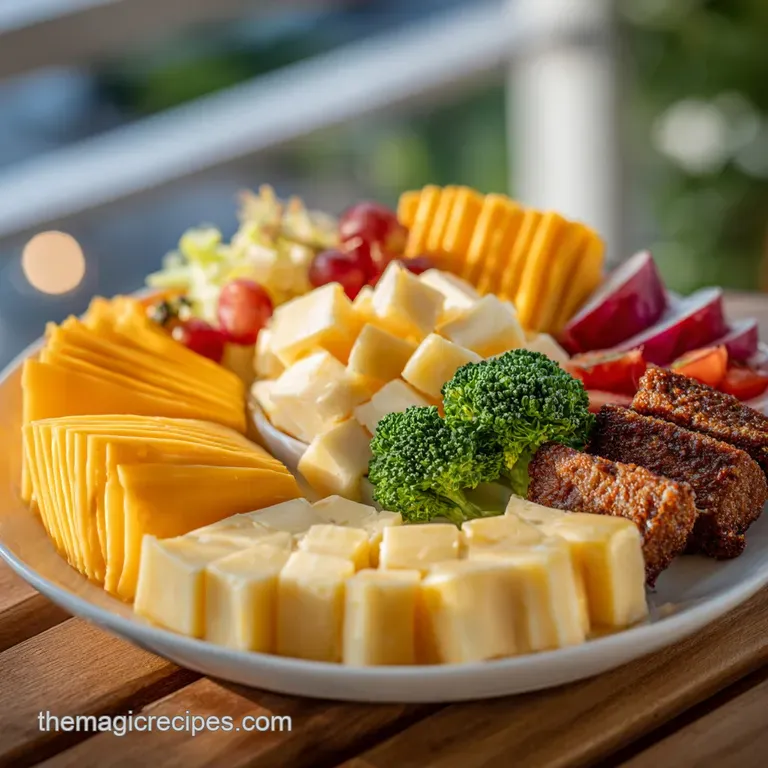
Even with a plan, things can go sideways. I've had boards where the cheese started "sweating" under the lights or the crackers turned into soggy sponges. Here is how to handle the chaos.
Troubleshooting Common Issues
| Issue | Solution |
|---|---|
| Cheese Sweating | This usually happens when the cheese is brought from a very cold fridge into a warm room too quickly. The condensation forms on the surface, making the cheese look oily. The fix is to take your cheese |
| Stop Crackers From Getting Soggy | Sogginess happens when "wet" ingredients, like olives or sliced cucumbers, touch the "dry" ingredients. This is why the "anchor" method is so important. Use bowls for anything with brine or moisture, |
| I Run Out of Table Space | If you've overbought, don't cram everything onto the board. It'll look cluttered and messy. Instead, create "satellite plates." Put extra nuts or fruit in small bowls around the main Spring Grazing Ta |
Common Mistakes Checklist
- ✓ Avoid using "filler" crackers that taste like cardboard.
- ✓ Don't slice the Brie too thin; keep it in a wedge for height.
- ✓ Never put wet produce directly against the seeded crisps.
- ✓ Avoid symmetry; a random, organic flow looks more natural.
- ✓ Don't forget to provide small plates for your guests.
Fresh Ways to Switch It Up
Depending on the vibe of your party, you might want to tweak the ingredients. A Spring Grazing Table is incredibly flexible, and you can easily pivot based on dietary needs or the specific occasion.
If you're looking for vegan spring appetizers, swap the Brie for a cashew based almond cheese and the prosciutto for marinated artichoke hearts or grilled zucchini ribbons. You'll still get that creamy and salty contrast without the dairy.
For an Easter grazing table, lean into the "nest" theme. Use small bowls of shredded carrots or microgreens to cradle the goat cheese. You can also add a few soft boiled eggs, halved and sprinkled with paprika, to add a traditional holiday touch.
If you want something more substantial, you can introduce some warm elements. While the board is mostly cold, adding a small bowl of warm, honey glazed walnuts or some toasted pita can make it feel more like a meal. If you're craving something truly hearty, you might consider serving a Homemade Pizza alongside your grazing spread for a full blown party feast.
Adjusting Your Volume
Not every party is for 12 people. Sometimes you're just hosting a few close friends, or maybe you're taking over a whole community center.
Scaling Down (for 4-6 people) When cutting the recipe in half, don't just halve the ingredients; reduce the "anchor" points. Use two small bowls instead of three. You can use a smaller cutting board, but keep the same "river" logic.
Reduce the bread and cracker quantities by 60% as people tend to eat fewer carbs in smaller groups.
Scaling Up (for 20+ people) For a massive crowd, don't try to build one giant board. Instead, build three identical smaller boards. This prevents a "traffic jam" at the table and ensures everyone can reach the food.
Only increase the salt and spices to 1.5x the ratio; otherwise, the board becomes overwhelmingly salty. Work in batches, prepping the vegetables first and adding the cheeses last.
If you're doing a massive spread, consider using a "buffet" style. Lay a long roll of brown butcher paper across your table and build the Spring Grazing Table directly on the paper. It makes cleanup a breeze and allows you to expand the board as you go.
Debunking Board Myths
There's a lot of "internet wisdom" about grazing boards that just isn't true. Let's set the record straight.
Myth: You need a fancy marble slab for a good board. The truth is that wood is actually better. Wood is a natural insulator, meaning your cheese won't get as cold as it would on marble. A simple wooden table or a cheap bamboo board works perfectly.
Myth: Pre cut veggie trays are a great shortcut. Honestly, don't even bother with the store-bought trays. The vegetables are often stored in water, which ruins the "snap" and makes your crackers soggy. Spending ten minutes trimming your own snap peas and radishes makes a world of difference in texture.
Myth: You must use the most expensive cheeses. A great board is about balance, not price. A simple, sharp cheddar can often be the star of the show if it's paired with something sweet like a dried apricot. It's the combination of flavors, not the price tag, that creates the "wow" factor.
Freshness and Waste Tips
One of the biggest worries with a Spring Grazing Table is the waste. You don't want a bunch of expensive cheese and produce going in the bin.
Storage Guidelines Any leftover cured meats and hard cheeses can be stored in airtight containers in the fridge for up to 5 days. Soft cheeses like Brie and Goat cheese should be eaten within 2-3 days after being exposed to air.
Keep your vegetables separate from the cheeses in the fridge to prevent the produce from picking up the strong cheese scent.
Zero Waste Hacks Don't throw away the radish tops! They are actually edible and can be blended into a peppery pesto. If you have leftover asparagus woody ends, simmer them in water with a few scraps of onion and carrot to make a quick vegetable stock.
For the leftover fruit, toss any remaining strawberries and grapes into a morning smoothie. If you have a few slices of Manchego or Cheddar left, grate them into an omelet the next morning. It's a great way to enjoy the leftovers without feeling like you're eating party food for breakfast.
Making It Look Stunning
The final touch is all about the presentation. A Spring Grazing Table is a visual feast, so don't be afraid to get creative with the finishing touches.
Start with the greenery. Tuck a few sprigs of fresh mint or parsley around the edges of the board. This doesn't just add a pop of color; it adds a fresh, herbal aroma that hits the guests as they walk up. It makes the whole experience feel more like a garden.
Use a variety of shapes. We have triangles of Manchego, circles of salami, and long lines of asparagus. This variety keeps the eye moving and prevents the board from looking static. If a section looks too "flat," add a small pile of Marcona almonds to create a little hill.
Finally, lighting is everything. If you're hosting in the evening, a few tea light candles around the perimeter of the table create a warm, inviting glow that makes the colors of the spring produce look even more vibrant. Just keep them far enough away from the napkins to avoid any accidents.
It's the little things that turn a simple snack board into a memorable event.
Recipe FAQs
What is the 3 3 3 3 3 charcuterie rule?
It is a variety guide for balance. It suggests including 3 meats, 3 cheeses, 3 starches, 3 fruits or vegetables, and 3 accompaniments.
What are 5 things to avoid on a charcuterie board?
Avoid soggy crackers, bland cheeses, bruised fruit, overly salty meats, and a lack of color. Keep wet ingredients in bowls to prevent moisture from ruining the dry elements.
What is replacing charcuterie boards?
Grazing tables are the current trend. They expand the concept of a grazing board across an entire table surface to create a lush, garden like landscape of food.
What are some low budget grazing table ideas?
Prioritize seasonal vegetables and bulk starches. Use baby carrots and sugar snap peas for volume, and stick to water crackers and toasted baguette to keep costs low.
How to stop crackers from getting soggy?
Place all wet ingredients in bowls. Using bowls for Castelvetrano olives and dips acts as an anchor that prevents moisture from touching the seeded crisps.
Is it true that I should arrange the components symmetrically?
No, this is a common misconception. Place bowls of dips and olives in a triangular formation to create a structural skeleton that looks natural rather than boring.
How to arrange the cured meats for maximum volume?
Ribbon the prosciutto and fold the salami into quarters. This creates height and visual abundance compared to laying slices flat on the table.
Spring Grazing Table