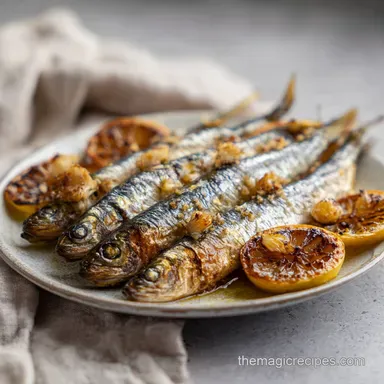
Baked Sardines: Juicy and Blistered
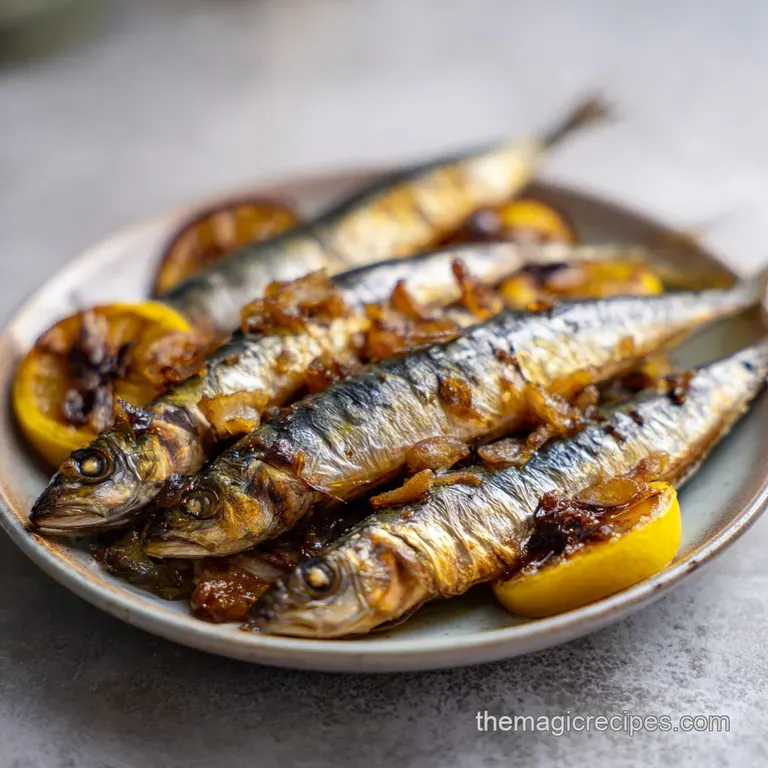
- Time: 10 min active + 12 min cook = Total 22 mins
- Flavor/Texture Hook: Blistered, salty skin with a velvety, buttery center
- Perfect for: A fast, nutrient dense dinner that feels like a coastal vacation
- The Best Way to Make Baked Sardines
- The Trick Behind the Texture
- Component Analysis
- The Building Blocks
- Equipment Needed
- Key Steps
- How to Fix Common Problems
- Troubleshooting Common Issues
- Make It Your Own
- Adjusting for Quantity
- Truths About Sardines
- Storage Guidelines
- Perfect Complements
- Recipe FAQs
- 📝 Recipe Card
The Best Way to Make Baked Sardines
That sharp, salty scent of the ocean hits you the second the pan slides into the oven. Then comes the sizzle, a rapid fire popping sound as the olive oil hits the high heat and the fish skins begin to bubble. I remember the first time I tried this in a tiny kitchen in Lisbon.
The local fishmonger had just handed me a pile of silver fish that looked almost too metallic to be food, and I was terrified of making my whole apartment smell like a pier.
I spent way too long worrying about the "fishiness," but the secret was in the lemon. When those slices hit the heat, the citrus oils release and mingle with the fish, transforming the aroma from "salty sea" to something bright and appetizing.
It was the first time I realized that Baked Sardines don't have to be intimidating or overwhelming.
Now, I do this at home whenever I want something that feels authentic but doesn't require a charcoal grill. You get that same char and intensity, but with a lot less cleanup. This sardinas al horno jugosas recipe is all about balance - the acidity of the lemon cuts through the richness of the omega-3 fats, and the garlic adds a savory depth that rounds everything out.
The Trick Behind the Texture
To get Baked Sardines that actually shatter when you bite into the skin, you have to fight moisture. If the fish is damp, it steams; if it's dry, it sears. I've found that the lemon "raft" is the real hero here, acting as both a flavor infuser and a physical barrier that keeps the fish from fusing to the parchment paper.
Protein Denaturation: The 425°F heat causes the proteins in the fish to tighten quickly, pushing moisture toward the surface where it evaporates and allows the skin to crisp.
Citrus Shield: Lemon slices create a gap between the heat source and the fish, preventing the bottom from overcooking before the top blisters.
Oil Conductivity: The olive oil acts as a heat transfer medium, ensuring the salt and pepper are driven into the flesh while the skin fries in place.
Aromatic Infusion: Garlic slices caramelize in the fish oils, creating a velvety sauce that clings to the meat.
| Method | Time | Texture | Best For |
|---|---|---|---|
| Fast Bake | 12 mins | Blistered/Firm | Quick weeknight meals |
| Classic Grill | 15 mins | Charred/Smoky | Outdoor gatherings |
| Foil Parcel | 20 mins | Steamed/Tender | Low mess cooking |
Component Analysis
Understanding what each part does helps when you start experimenting with your own versions of Baked Sardines.
| Ingredient | Science Role | Pro Secret |
|---|---|---|
| Extra Virgin Olive Oil | Heat conductor | Use a high smoke point EVOO to avoid bitterness |
| Fresh Lemon | Acid catalyst | Slice thin to maximize surface contact |
| Coarse Sea Salt | Osmotic agent | Salt right before baking to prevent moisture loss |
| Fresh Parsley | Color/Freshness | Add half before and half after for layered flavor |
The Building Blocks
When shopping for your Baked Sardines, look for eyes that are clear and bulging, not cloudy. The silver skin should be bright and reflective. If they smell overly "fishy" at the store, leave them behind.
For the Fish
- 1.5 lb fresh whole sardines (scaled and gutted) Why this? Whole fish retains more moisture during over high heat roasting
- 2 tbsp extra virgin olive oil Why this? Provides the necessary fat for the skin to blister
- 1 tsp coarse sea salt Why this? Large grains create tiny pockets of intense flavor
- 1/2 tsp cracked black pepper Why this? Adds a woody heat that complements the oils
For the Aromatic Bed
- 1 large lemon, thinly sliced into rounds Why this? Prevents sticking and adds brightness
- 4 cloves garlic, thinly sliced Why this? Sliced garlic toasts faster than minced garlic
- 1/4 cup fresh flat leaf parsley, chopped Why this? Adds a clean, grassy finish to the rich fish
If you're out of parsley, a bit of fresh dill works well too. For those who like a bolder profile, you can look into different Marinades for 5 Servings recipe and adapt the spice logic for seafood, though keeping it simple is usually better for sardines.
| Original Ingredient | Substitute | Why It Works |
|---|---|---|
| Flat leaf Parsley | Fresh Dill | Similar freshness. Note: More anise like flavor |
| Lemon | Lime | Similar acidity. Note: Gives a more tropical, sharp profile |
| Coarse Sea Salt | Kosher Salt | Similar grain size. Note: Slightly less "mineral" taste |
Since these are high fat fish, they can handle a bit of experimentation. Some people prefer sardinas al horno con tomate, where you layer sliced tomatoes under the lemon for a more jammy, Mediterranean feel.
Equipment Needed
You don't need a fancy kitchen to pull this off, but a few things make it easier. A large rimmed baking sheet is non negotiable because the oil and lemon juices can bubble over. I always use parchment paper - not just for cleanup, but because it distributes heat more evenly than a bare metal pan.
A pastry brush is handy for the oil, but your fingers work just as well. If you have a very sharp fillet knife, you can check if the guts were fully removed, though most fishmongers handle this for you.
Key Steps
Here is how to get those sardinas asadas al horno just right. Trust the timer, but trust your nose more.
Phase 1: Preparing the Base
- Line a large rimmed baking sheet with parchment paper.
- Arrange the lemon slices in a single layer to create a 'raft,' then scatter the sliced garlic and half of the chopped parsley over the lemons. Note: This prevents the fish from touching the hot pan directly
Phase 2: Dressing the Sardines
- Pat the sardines completely dry with paper towels. Note: This is the most important step for a crispy skin
- Brush both sides of the sardines with olive oil.
- Season evenly with sea salt and cracked black pepper.
Phase 3: The over High heat Roast
- Place the seasoned sardines side by-side atop the lemon bed.
- Roast in a preheated 425°F (220°C) oven for 10–12 minutes until the skins blister and turn deep golden brown and the flesh flakes easily.
- Remove from the oven immediately and garnish with the remaining chopped parsley.
According to Serious Eats, drying the surface of proteins is the only way to ensure a proper sear without spending twenty minutes in the pan. With Baked Sardines, the oven does the work, but the dryness is still the key.
How to Fix Common Problems
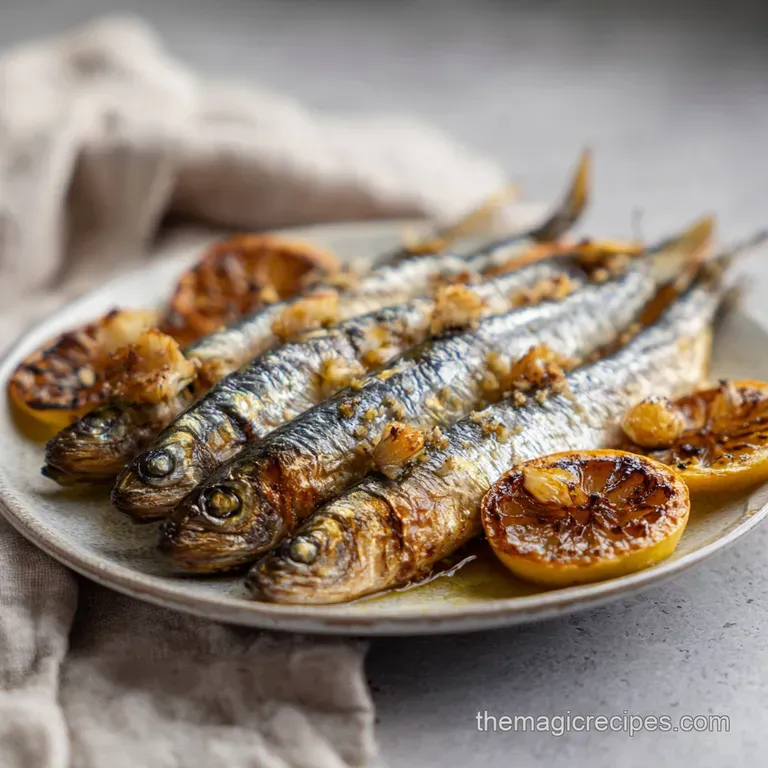
Even with a simple recipe, things can go sideways. Usually, it comes down to temperature or moisture.
Troubleshooting Common Issues
| Issue | Solution |
|---|---|
| Why Your Fish Is Sticking | If the sardines are glued to the pan, you likely didn't use enough oil or your lemon slices were too thick, leaving gaps. The lemon raft should be a solid floor. |
| How to Stop the Lingering Smell | For sardinas al horno sin olor, the trick is the lemon and the immediate cleanup. Don't let the pan sit in the sink; rinse it while it's still warm. |
| Why the Fish Came Out Dry | Sardines are small and lean out quickly. If they feel tough, you probably left them in for 2-3 minutes too long. They are done the moment the flesh loses its translucency. |
Common Mistakes Checklist
- ✓ Did you preheat the oven to exactly 425°F?
- ✓ Are the sardines patted completely dry?
- ✓ Is the lemon raft covering the entire bottom?
- ✓ Did you remove them the moment the skin blistered?
- ✓ Did you avoid overcrowding the pan?
Make It Your Own
Once you've mastered the basic Baked Sardines, you can start playing with the flavors. I love adding a pinch of smoked paprika to the salt mix for a more "grilled" taste. If you want something with a bit more kick, try sardinas al horno papel aluminio, wrapping them in foil with chili flakes and butter for a more steamed, spicy result.
For a bright, punchy addition, I highly recommend serving these with a side of Chimichurri sauce. The vinegar and garlic in the sauce cut right through the oily richness of the fish.
Variation Ideas
- Spicy Version: Add sliced jalapeños to the lemon raft.
- Mediterranean Style: Toss in some halved cherry tomatoes and kalamata olives.
- Low Calorie: Reduce the olive oil to 1 tbsp and use a lemon zest rub instead.
Adjusting for Quantity
When you're making sardinas asadas al horno for a crowd, you can't just double the time. That's a recipe for dry fish.
Scaling Down: If you're just cooking for one, use a smaller baking sheet. The cook time usually drops by about 20% because there's more airflow around the fish. Start checking at 8 minutes.
Scaling Up: For 8-12 servings, work in batches. If you crowd the pan, the fish will release too much moisture and you'll end up with steamed fish instead of blistered fish. Keep the temperature at 425°F, but increase the spacing between the sardines.
| If you want... | Do this... |
|---|---|
| More crunch | Increase temp to 450°F and reduce time to 8 mins |
| More moisture | Add a tablespoon of butter on top of each fish |
| Less oil | Use a silicone baking mat instead of parchment |
Truths About Sardines
There are a few things people get wrong about this fish. First, the idea that searing "seals in the juices" is a total myth. Searing is about flavor and texture, not moisture retention. The juices move regardless; the high heat just makes the outside taste better.
Another misconception is that you can only eat sardines from a can. While canned versions are great for salads, fresh Baked Sardines have a completely different, more delicate texture. They are velvety and light, whereas canned sardines are dense and salty.
Storage Guidelines
Baked Sardines are best eaten the second they leave the oven. However, if you have leftovers, store them in an airtight container in the fridge for up to 2 days.
Reheating: Do not use a microwave - it will make the fish rubbery and the smell will be intense. Instead, pop them back in a 350°F oven for 5 minutes or use an air fryer for 3 minutes to bring back some of that skin crispness.
Zero Waste: Don't throw away the roasted lemon slices! They're caramelized and delicious. Chop them up and mix them into a potato salad or a quinoa bowl. You can also use the remaining parsley stems to flavor a fish stock.
Perfect Complements
Since Baked Sardines are so rich, you need sides that provide a sharp contrast. I love pairing them with a crisp arugula salad with a heavy lemon vinaigrette.
If you want something heartier, try sardinas al horno con patatas. Slice potatoes very thin, toss them in oil, and bake them on a separate tray until crispy. The starchy crunch of the potato is the perfect partner for the oily fish. For those who prefer something more substantial, this is a great, lighter alternative to Giant Meatballs when you want a high protein meal that doesn't leave you feeling sluggish.
To finish the plate, focus on color balance. I always add a pop of bright red with sliced radishes and a handful of deep green herbs. This makes the golden brown skins of the fish really stand out, turning a simple dinner into something that looks like it came from a professional kitchen.
Trust me, the visual appeal makes the meal taste even better.
Recipe FAQs
How long should I bake sardines in the oven?
Roast for 10 12 minutes at 425°F (220°C). They are finished when the skins blister, turn deep golden brown, and the flesh flakes easily.
Do I need to wash sardines before roasting them?
No, avoid rinsing them. Instead, pat the fish completely dry with paper towels to ensure a proper sear and prevent them from steaming in the oven.
Can a person with diabetes eat sardines?
Yes, sardines are an excellent choice. They are rich in omega-3 fatty acids and naturally low in carbohydrates, making them very blood sugar friendly.
How do I bake sardines without the strong lingering smell?
Create a lemon raft and clean immediately. Placing the fish on lemon slices neutralizes odors during cooking, and rinsing the pan while it is still warm prevents scents from sticking.
Why are my sardines sticking to the baking sheet?
Ensure a solid lemon raft and enough oil. Gaps in the lemon layer or insufficient brushing with olive oil allow the fish to glue to the parchment paper.
Why did my baked sardines come out dry?
Reduce the oven time. Sardines are small and lean, so leaving them in for even 2 3 minutes too long can make the texture tough.
What is the best sauce to serve with baked sardines?
Pair them with a zesty, creamy condiment. If you enjoyed balancing the oily richness of the fish with acid here, see how we use the same flavor logic in our Cajun Remoulade.
Baked Sardines With Lemon