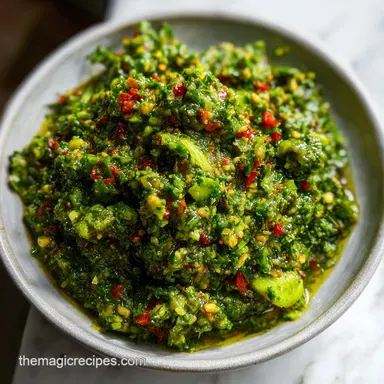
Puerto Rican Sofrito: Aromatic and Chunky
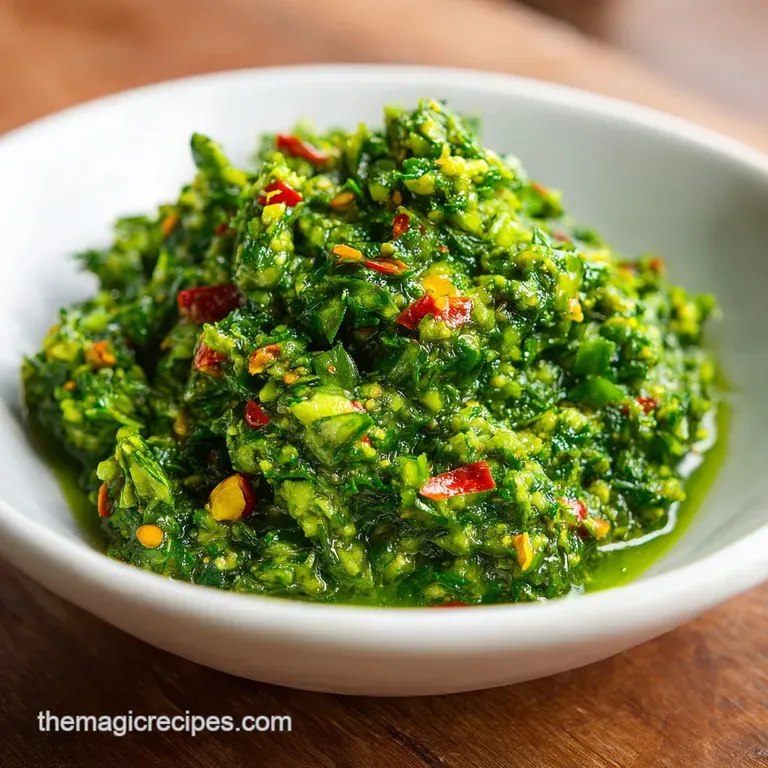
- Time: 10 min active + 0 min chilling = Total 10 minutes
- Flavor/Texture Hook: Pungent, herbaceous, and chunky
- Perfect for: Stews, rice dishes, and meal prep
Authentic Sofrito for Every Meal
That sharp, savory sizzle when the paste hits a hot pan is the smell of home for millions. I remember the first time I tried to make this for a dinner party. I wanted it to look "professional," so I blended everything until it was a smooth, neon green puree.
When I tossed it into the pot, it didn't sauté- it steamed. Instead of those distinct, caramelized bits of onion and pepper, I had a watery sludge that muted the whole dish.
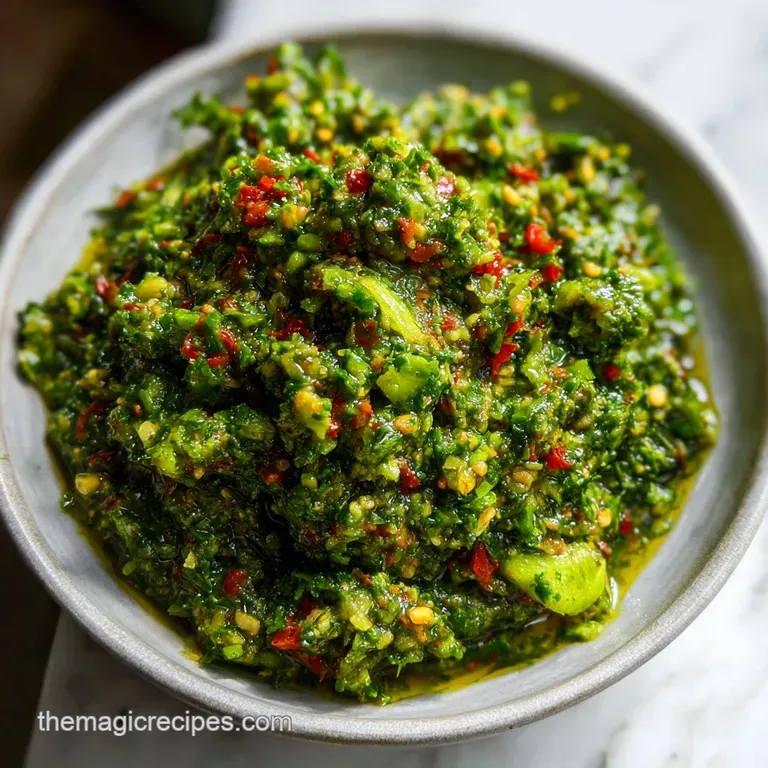
The secret is in the texture. You don't want a smoothie; you want a coarse, rustic chop that allows the ingredients to sear individually in the oil. This ensures that the Sofrito develops those deep, toasted notes that define a real Latin stew.
Once you stop over blending, the flavor profile shifts from "raw vegetable juice" to a complex, aromatic powerhouse.
Trust me, your rice and beans will never be the same once you move away from store-bought jars. This version is fresh, vibrant, and takes almost no time to whip up. Whether you're using a food processor or a robot de cocina, the goal is the same: a chunky, velvety consistency that releases its oils slowly as it cooks.
Why This Punchy Base Works
I spent a while wondering why some batches tasted "flat" while others popped. It comes down to a few simple physical reactions in the pan.
Salt Extraction: Salt draws water out of the cell walls of the onions and peppers, which helps them soften faster when you finally sauté them.
Oil Suspension: The olive oil doesn't just prevent sticking, it acts as a carrier for the fat soluble flavors in the garlic and peppers, spreading the aroma throughout the entire pot.
Herb Preservation: Pulsing the cilantro and culantro at the end prevents the blades from bruising the leaves too much, which keeps the flavor bright instead of grassy.
| Method | Prep Time | Texture | Best For |
|---|---|---|---|
| Fast (Processor) | 10 minutes | Coarse/Chunky | Quick weeknight meals |
| Classic (Hand cut) | 30 minutes | Uniform Dice | Slow simmered stews |
Component Analysis
Before we get into the list, let's look at what these ingredients are actually doing in the mix.
| Ingredient | Science Role | Pro Secret |
|---|---|---|
| Garlic | Sulfur Compounds | Use fresh cloves, never jarred, for that sharp bite |
| Bell Peppers | Natural Sugars | Mix red and green for a balance of sweetness and bitterness |
| Culantro | Pungency | If you can't find it, double the cilantro but add a pinch of cumin |
| Olive Oil | Flavor Carrier | Use a fruity extra virgin oil to add a layer of richness |
The Essential Component List
Here is everything you need. Stick to the measurements, but feel free to adjust the salt based on your preference.
- 1 medium (150g) yellow onion, roughly chopped Why this? Provides a sweet, savory base
- 8 cloves (40g) garlic, peeled Why this? Essential for the pungent aroma
- 1 medium (120g) green bell pepper, seeded and chopped Why this? Adds a slightly bitter, earthy note
- 1 medium (120g) red bell pepper, seeded and chopped Why this? Brings a hint of sweetness
- 1 cup (30g) fresh cilantro, stems included Why this? Bright, citrusy top notes
- 1/2 cup (15g) fresh culantro, or additional cilantro Why this? Deeper, more authentic herbal punch
- 1 tsp (6g) salt Why this? Enhances flavor and preserves the mix
- 2 tbsp (30ml) olive oil Why this? Emulsifies the herbs and aromatics
Ingredient Swaps
| Original Ingredient | Substitute | Why It Works |
|---|---|---|
| Culantro | Extra Cilantro | Similar flavor profile. Note: Less intense than true culantro |
| Yellow Onion | White Onion | Sharper, cleaner taste. Note: Less sweetness than yellow |
| Bell Peppers | Ají Dulce | Authentic Caribbean pepper. Note: Much more aromatic and fragrant |
Right then, before we start, make sure your herbs are washed and patted dry. If they're dripping wet, you'll end up with a watery paste that doesn't store as well.
Tools for the Job
You don't need a massive kitchen setup for this, but a few specific tools make it easier. I usually use a standard food processor, but this is a great way to utilize a robot de cocina if you have one.
Using a robot de cocina ensures a very consistent pulse, which is key to avoiding that "puree" disaster I mentioned earlier.
If you're doing this by hand, a very sharp chef's knife and a heavy duty cutting board are your best friends. But let's be honest, when you're meal prepping for the week, the processor is a lifesaver. Just avoid using a high speed blender, as those are designed to liquefy, and that is exactly what we don't want here.
Making the Base Paste
Let's crack on. Follow these steps to get that spot on consistency.
- Coarsely chop the yellow onion and bell peppers. Note: This ensures the processor doesn't over work the bottom layer
- Place the chopped onion, garlic, and bell peppers into the food processor.
- Pulse 5-7 times until the vegetables are broken down into small pieces.
- Add the fresh cilantro, culantro, salt, and olive oil to the processor.
- Pulse again until the mixture is combined into a chunky paste, avoiding a smooth puree.
- Taste the mixture for freshness and pungency.
- Stir in one additional tablespoon of olive oil if the paste feels too thick or dry.
- Pulse 2 more times if the herb pieces are still too long.
Chef's Note: For an extra depth of flavor, try freezing your olive oil into tiny cubes before adding it to the processor. This keeps the herbs colder during the pulsing process, preventing them from oxidizing and keeping the color a vibrant green.
Fixing Common Texture Issues
Most people struggle with the consistency of their Sofrito. It's usually either too watery or too blended. If it's too thin, it won't fry properly; it'll just boil in the pan.
The Watery Mess
This usually happens if the vegetables were too wet or if you used too much oil. If your mix is separating, you can stir in a teaspoon of finely ground toasted breadcrumbs or simply let it sit in the fridge for an hour to settle.
The Bitter Aftertaste
Bitter notes often come from over processing the garlic or using old, wilted cilantro. To fix this, add a tiny pinch of sugar to the final mix to balance the acidity and bitterness.
Bland Flavor Profile
If it tastes flat, you're likely missing salt. Salt is the catalyst that wakes up the aromatics. According to the USDA FoodData, the mineral content in fresh vegetables varies, so always taste and adjust.
| Problem | Root Cause | Solution |
|---|---|---|
| Paste is too smooth | Over pulsing | Stop sooner; hand chop next time |
| Separation of oil | Low temp/Too much oil | Stir vigorously before using |
| Dull green color | Oxidation/Heat | Add a splash of lemon juice |
Common Mistakes Checklist
- ✓ Did you pulse instead of blend?
- ✓ Are the peppers seeded to avoid bitterness?
- ✓ Did you include the cilantro stems for extra flavor?
- ✓ Is the salt distributed evenly?
- ✓ Did you avoid using a high speed blender?
Swaps for Different Diets
This Sofrito is naturally vegan and gluten-free, but you can tweak it depending on your needs. If you're looking for something with more heat, adding a habanero or a few crushed red pepper flakes is a great move.
For a Spanish twist, you can swap the cilantro and culantro for fresh parsley and a pinch of smoked paprika. This creates a more Mediterranean style base. If you're avoiding nightshades, you can omit the bell peppers and increase the onion and garlic, adding a bit of finely grated celery for that missing body.
For those watching their sodium, you can replace the salt with a squeeze of fresh lime juice. The acidity mimics the "brightness" of salt without the sodium load. This makes the base a bit more liquid, so you might need to sauté it a minute longer to evaporate the excess moisture.
Storage and Zero Waste
Since you're making 2.25 cups, you probably won't use it all at once. This is a fantastic make-ahead component.
In the Fridge: Store in an airtight glass jar for up to 2 weeks. The olive oil helps preserve the aromatics, but the color will fade slightly over time.
In the Freezer: This is my favorite hack. Spoon the Sofrito into ice cube trays and freeze. Once solid, pop them into a freezer bag. Now you have perfectly portioned "flavor bombs" ready to drop into a pan. They last for 3 months.
Zero Waste: Don't toss your pepper seeds or onion skins. Put them in a freezer bag with your other veggie scraps. When the bag is full, simmer them with water and a bay leaf to make a quick vegetable stock. You can then use that stock in your Carne Guisada for an even deeper flavor.
Best Ways to Use It
Now for the fun part. The beauty of Sofrito is its versatility. It's not just a recipe; it's a tool.
The Stew Starter: Start any beef or chicken stew by sautéing two tablespoons of this paste in oil until it smells fragrant and the edges start to brown. This creates a layer of flavor that permeates the meat. If you're making a one pot meal, it's the perfect companion for a Chicken and Rice dish.
The Grain Base: Instead of cooking rice in plain water, sauté some Sofrito in the pot first, then add the rice and water. This infuses every single grain with that savory, herbal punch.
The Quick Sauce: Mix a spoonful of raw Sofrito with Greek yogurt or mayonnaise for a zesty dip for plantains or grilled shrimp. Because the garlic is raw, it provides a sharp, fresh contrast to creamy bases.
Decision Shortcut
- If you want a deep, caramelized flavor, sauté for 5-7 minutes.
- If you want a fresh, bright taste, stir it in at the end of cooking.
- If you're making a soup, add it right after the onions to build the base.
Recipe FAQs
What ingredients are needed for a good sofrito?
Use yellow onion, garlic, green and red bell peppers, cilantro, culantro, salt, and olive oil. These specific aromatics provide the essential flavor base for the recipe.
What is the correct technique for making sofrito?
Pulse the ingredients in a food processor to achieve a chunky paste. Avoid over processing, as the goal is a coarse texture rather than a smooth puree.
How to prepare sofrito in a food processor or Thermomix?
Pulse chopped onion, garlic, and peppers 5-7 times. Add cilantro, culantro, salt, and olive oil and pulse again until combined into a chunky paste.
Is it true that sofrito must be blended into a completely smooth puree?
No, this is a common misconception. It should remain a chunky paste to maintain the proper texture and aromatic integrity.
How to store leftover sofrito in the refrigerator?
Store it in an airtight glass jar for up to 2 weeks. The olive oil helps preserve the aromatics, although the color may fade slightly over time.
Can I freeze sofrito for long term use?
Yes, spoon the mixture into ice cube trays and freeze. Once solid, move the cubes to a freezer bag to create portioned "flavor bombs" that last 3 months.
What should I do if the sofrito paste is too thick?
Stir in one additional tablespoon of olive oil. This will thin the consistency while maintaining the richness of the aromatic base.
Puerto Rican Sofrito